Hygge

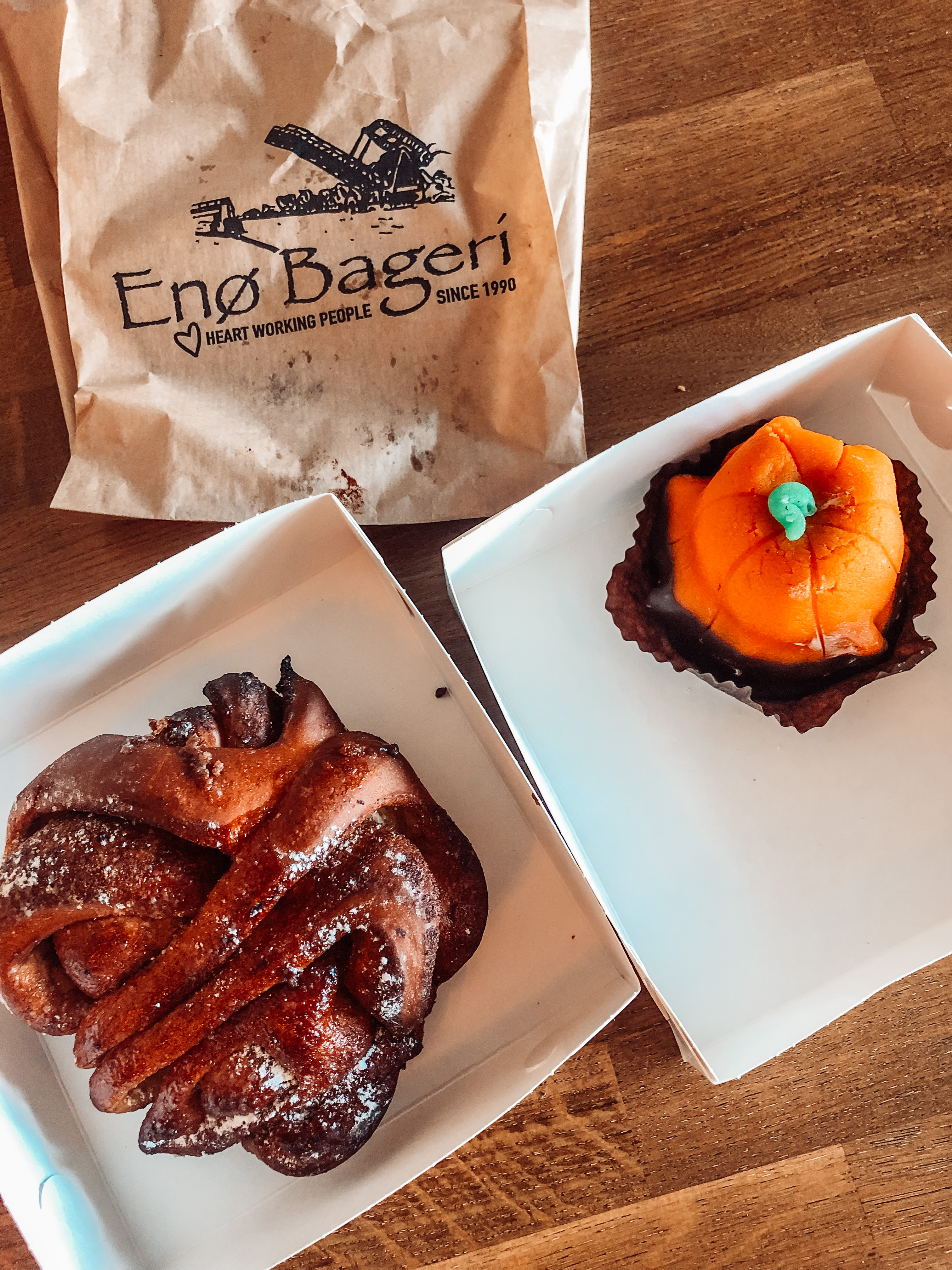
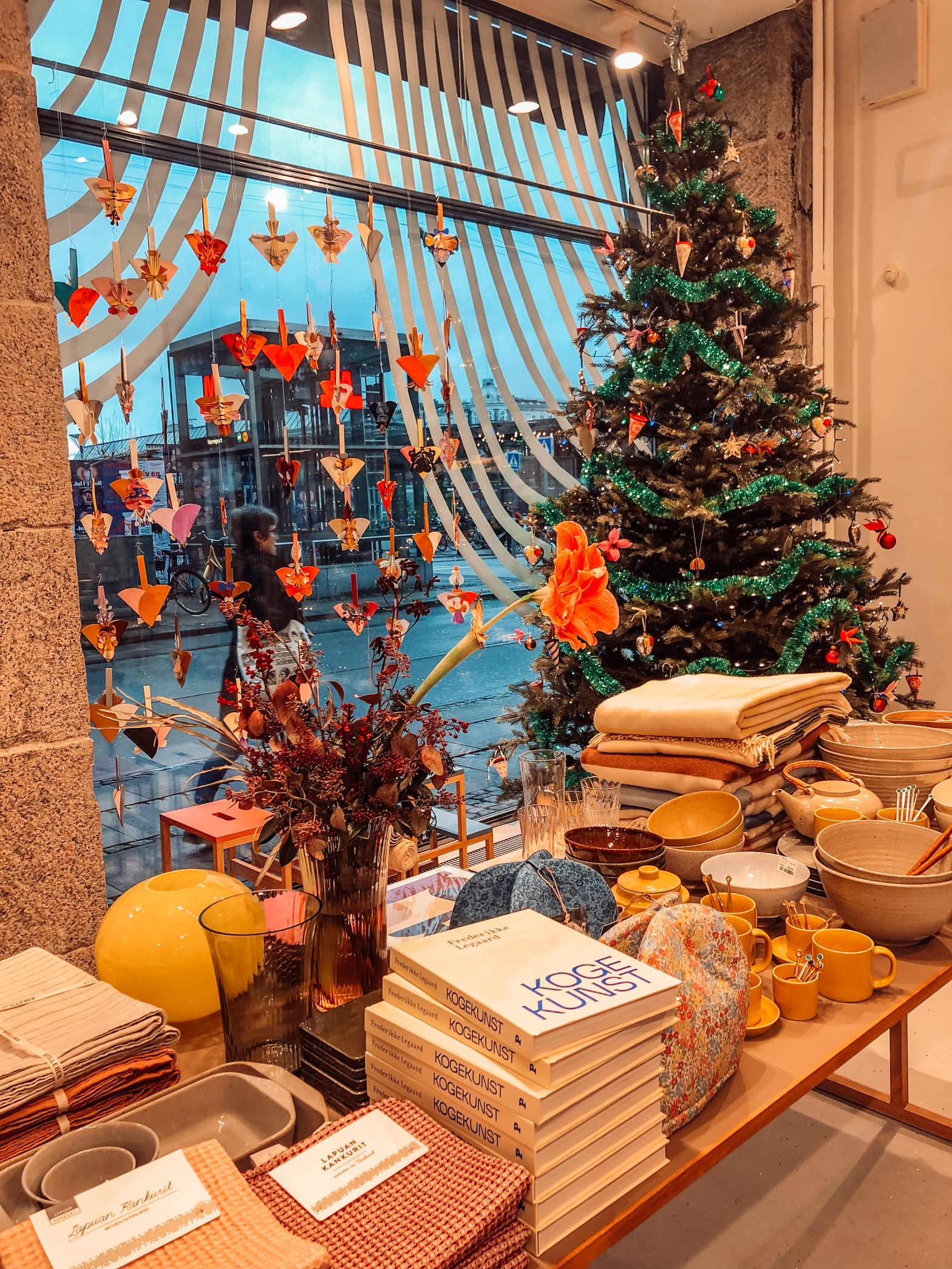
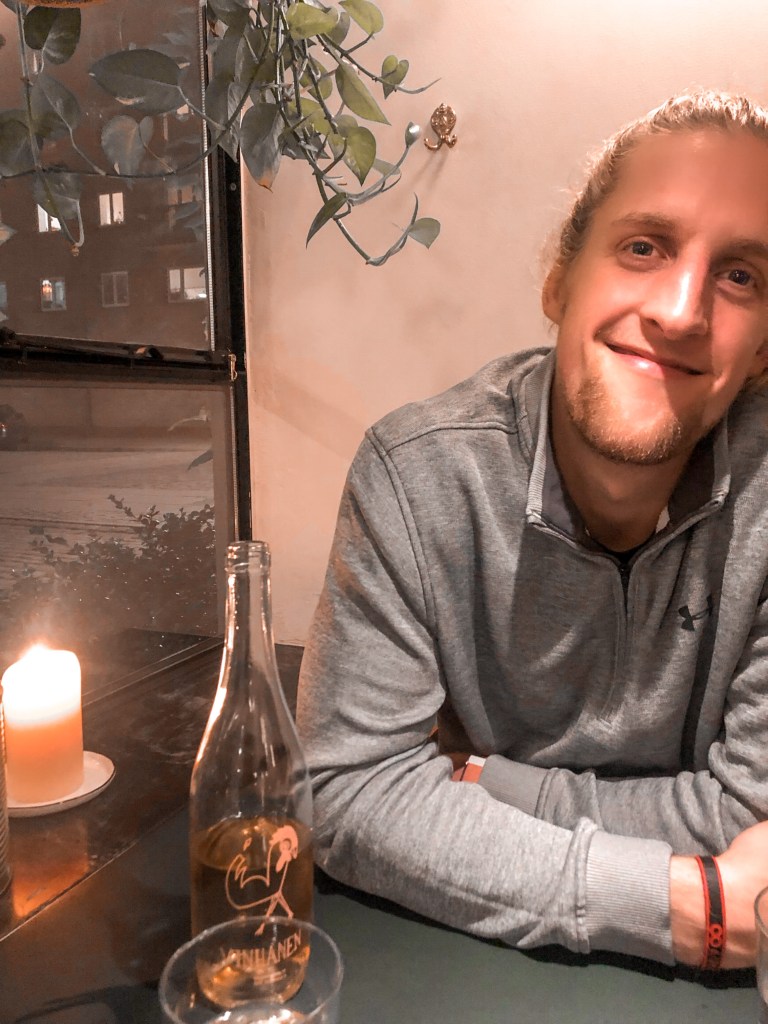
One of my favorite things about Denmark is the hygge lifestyle. If you look up the word “hygge” it translates roughly to “coziness,” but means so much more than that. Hygge is “creating a warm atmosphere and enjoying the good things in life with good people” – you can see this reflected in all the Danish restaurants with their abundance of candles, twinkle lights, blankets, greenery and customers who sit for hours drinking coffee and eating their cardamon pastries.

We’ve also heard hygge referred to as “a hug without the physical touch” because it is really more of a feeling. Some additional hygge examples include: sitting by a fire, reading a book, drinking a hot drink and overall just appreciating and finding joy in the the simple moments of your day.
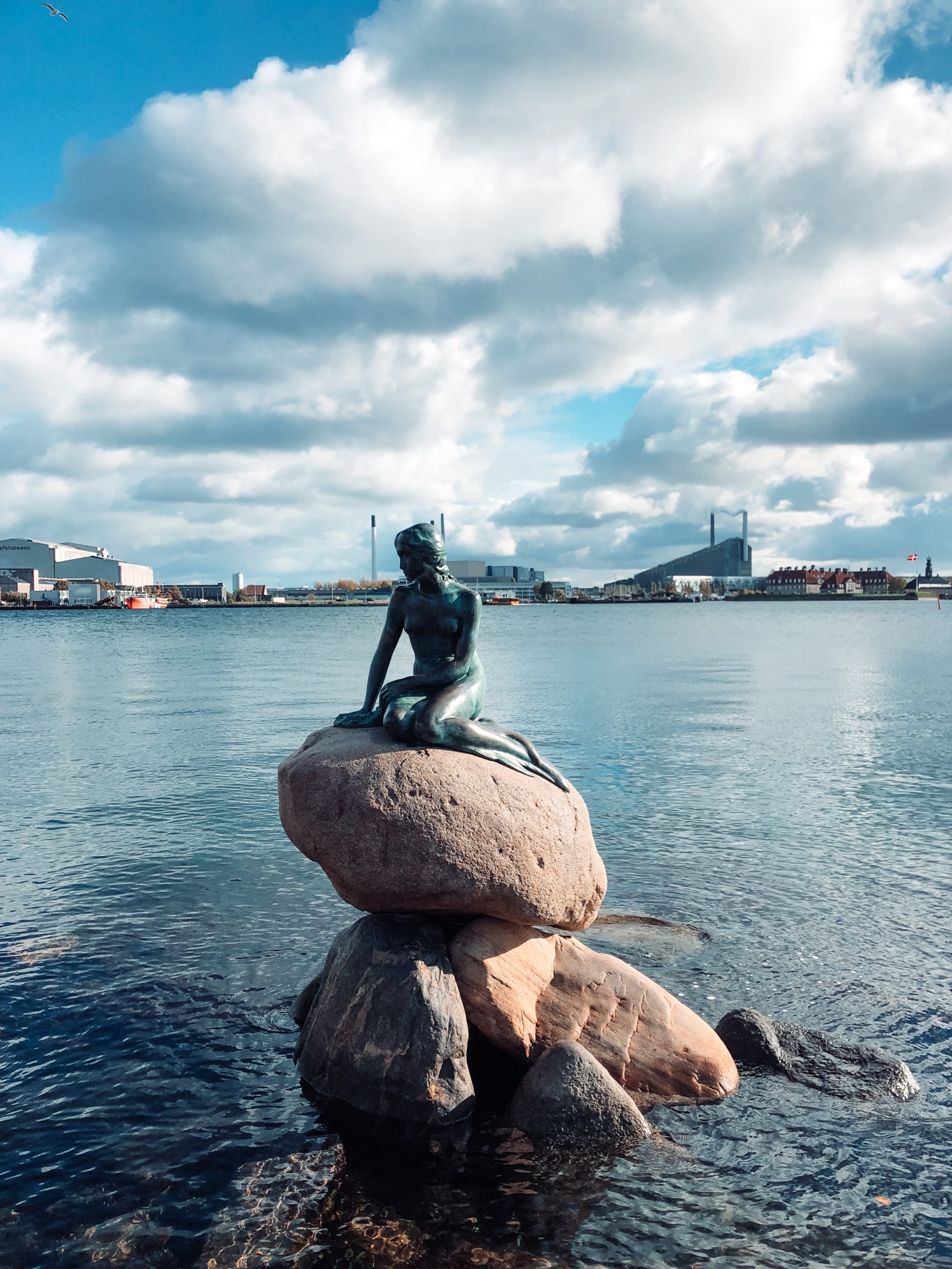
The Little Mermaid

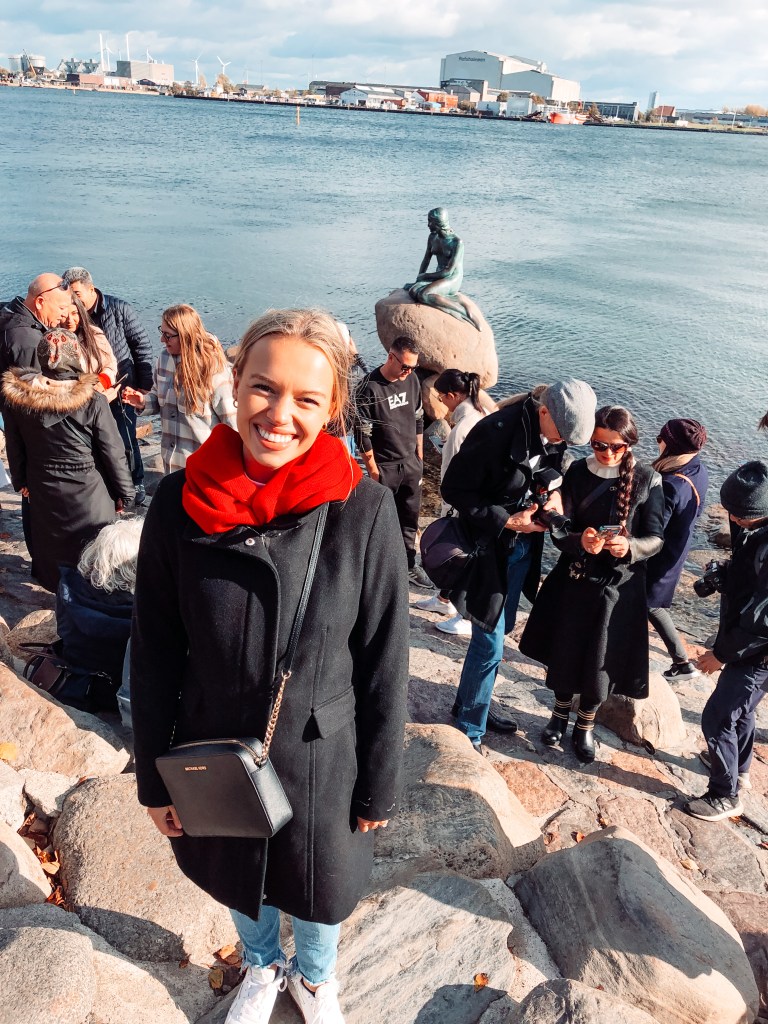
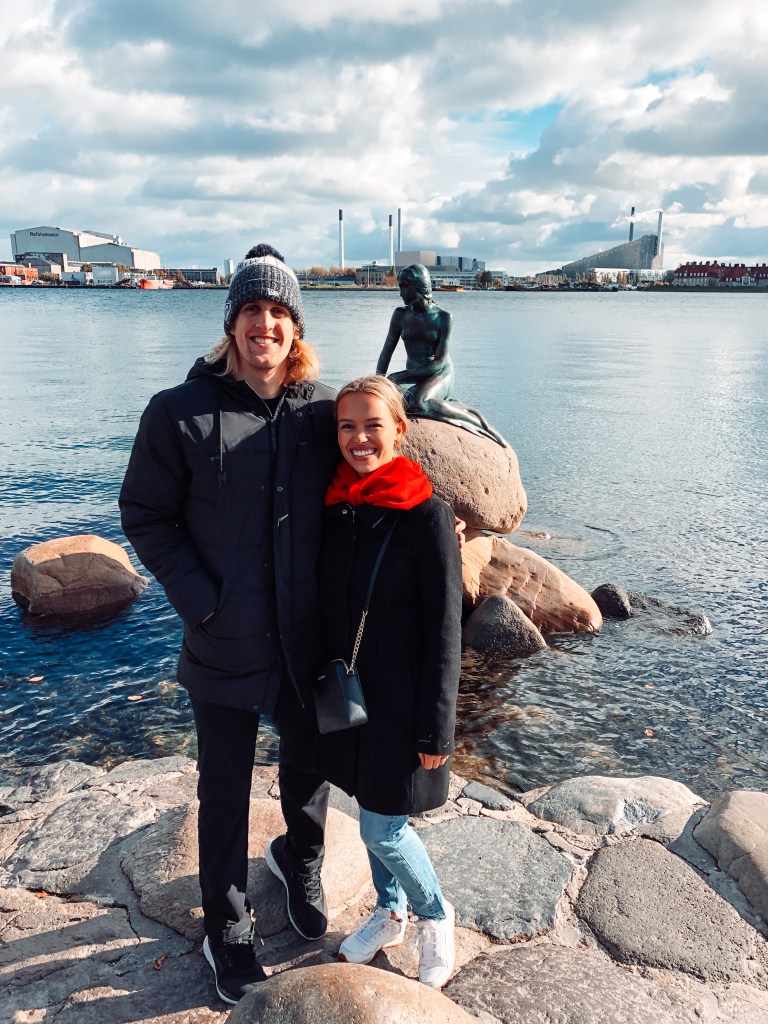
In 1913 the bronze and granite Little Mermaid statue was unveiled in the Copenhagen harbor.

The statue was a gift from the Danish brewer Carl Jacobsen and was inspired by the Danish author Hans Christian Andersen’s famous fairy tale.  Accordingly to the fairy tale, everyday the Little Mermaid emerges from the sea and stares longingly towards the shore hoping to catch a glimpse of her beloved prince.

While the statue is an incredibly popular tourist spot, we’ve heard from Danish locals that the Little Mermaid is “small and underwhelming.” However, much to Brevin’s dismay, we did go check her out!

Tivoli

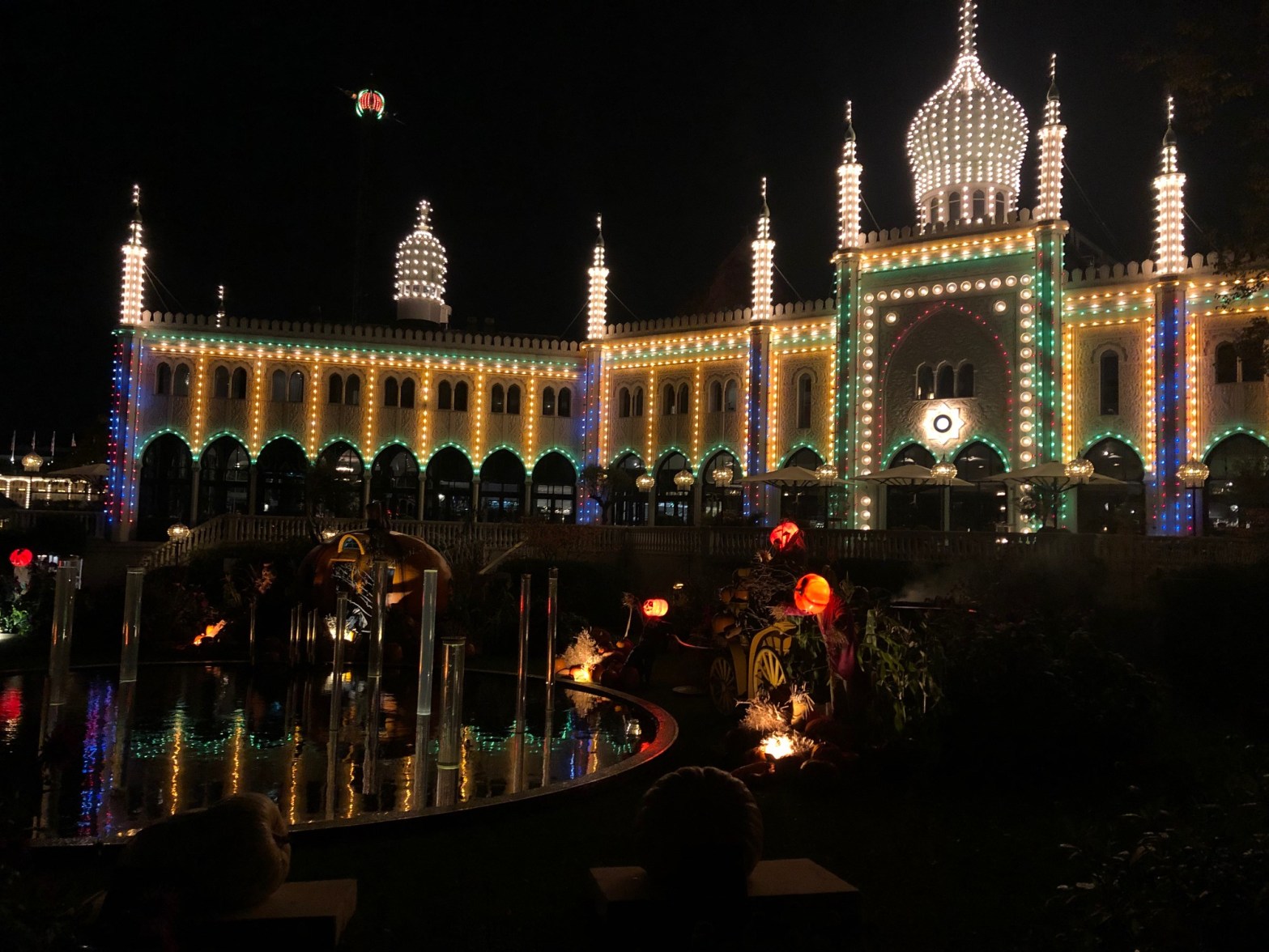
Tivoli Gardens was founded in 1843 and is the third oldest amusement park in the world. It also tops the list of “must-sees” in Denmark.

Tivoli’s founder Georg Carstensen convinced King Christian VIII to open the park, because “as long as people were amusing themselves then they wouldn’t have to think about politics” and he wouldn’t have any opposition.

Walt Disney visited Tivoli multiple times to get inspiration before opening Disneyland in 1955 and Tivoli inspired Hans Christian Andersen to write the fairytale “Nightingale.”

Today the park features beautiful gardens, a theater, rides and roller coasts, and many restaurants and shops. Tivoli is open from approximately April to September, and then opens for roughly three weeks during Halloween and Christmas – where they deck out the park for the holidays!

smørrebrød

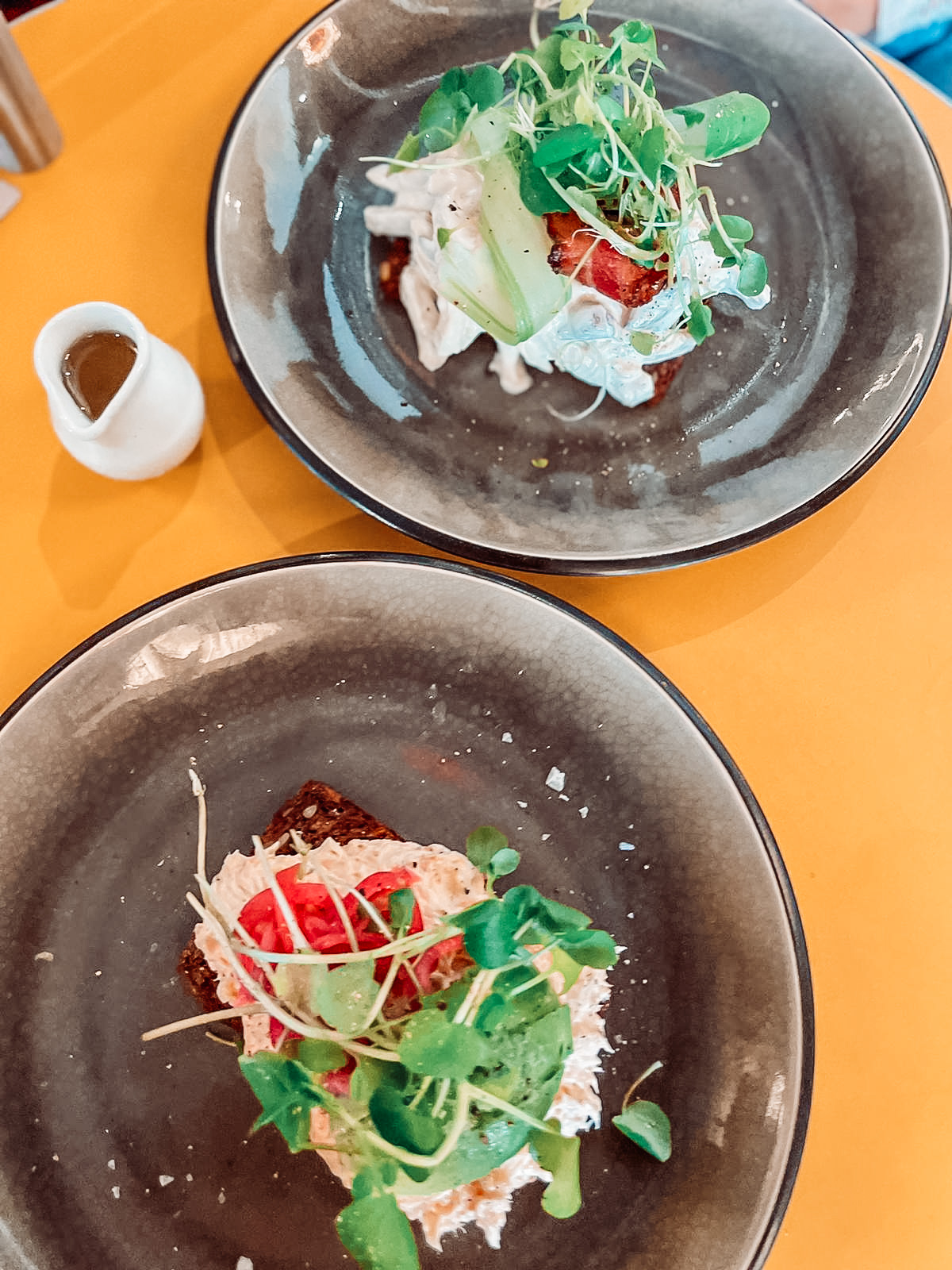
Last weekend I had to try the traditional Danish smørrebrød, which is an open faced sandwich on buttered rye bread. The name of the sandwich itself comes from the word for butter (smør) and bread (brød) and the sandwiches are piled high with so many toppings that they need to be eaten with utensils.

I was told that smørrebrød became popular in the late 19th century, when factory workers began eating lunch away from home. Workers would pile whatever leftovers they had onto cheap, filling rye bread in hopes to stay full until dinner. The smørrebrøds pictured above are salmon and chicken, but more traditional versions include pickled herring, cured meats, onions, parsley or pickled beets.

This sandwich is known by different names in other Scandinavian countries. In Norway it’s smørbrød, in Sweden it’s smörgås and in Finland it’s voileipä (which still originates from the words butter (voi) and bread (leipä).

Halloween in Denmark

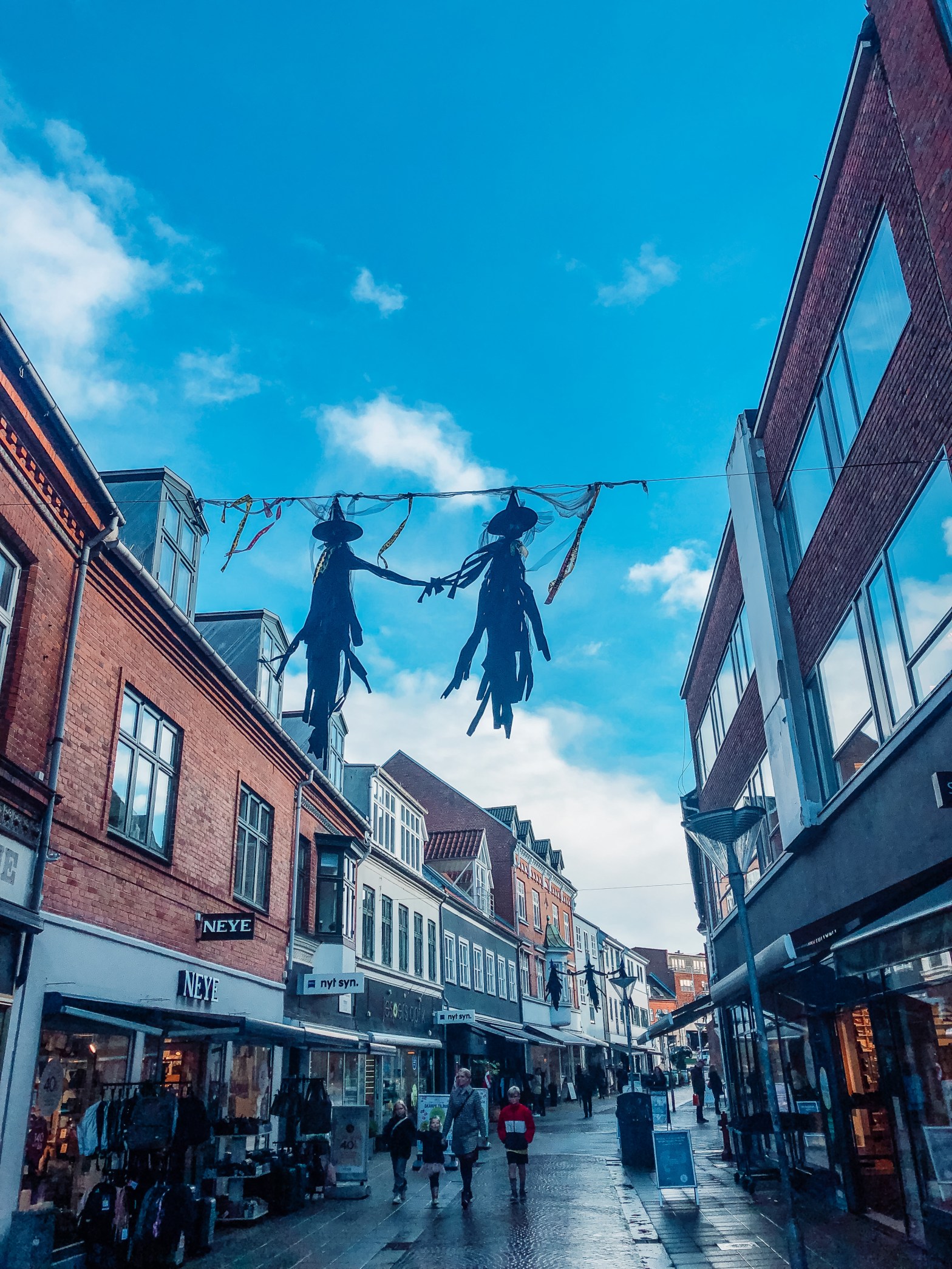
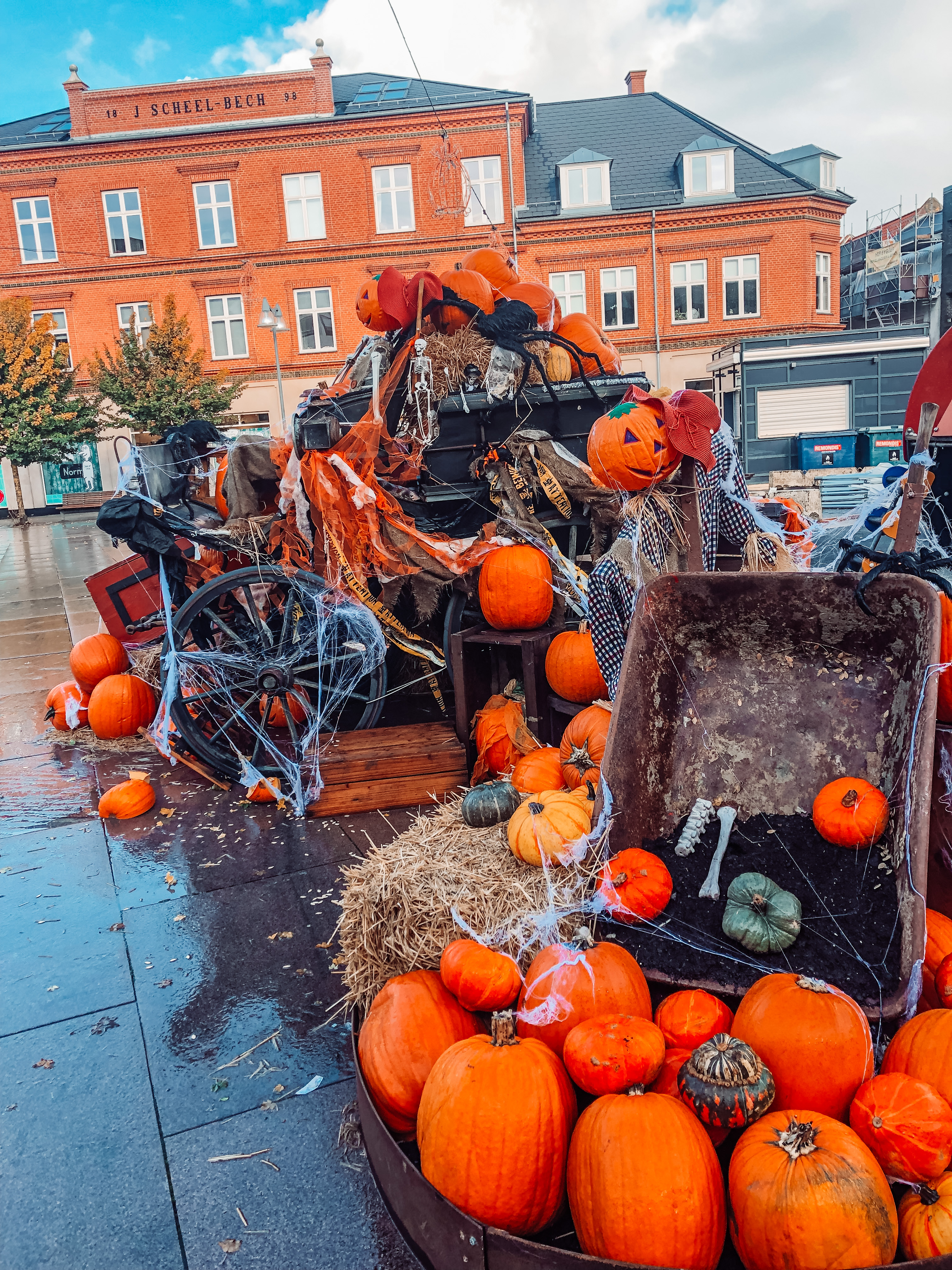
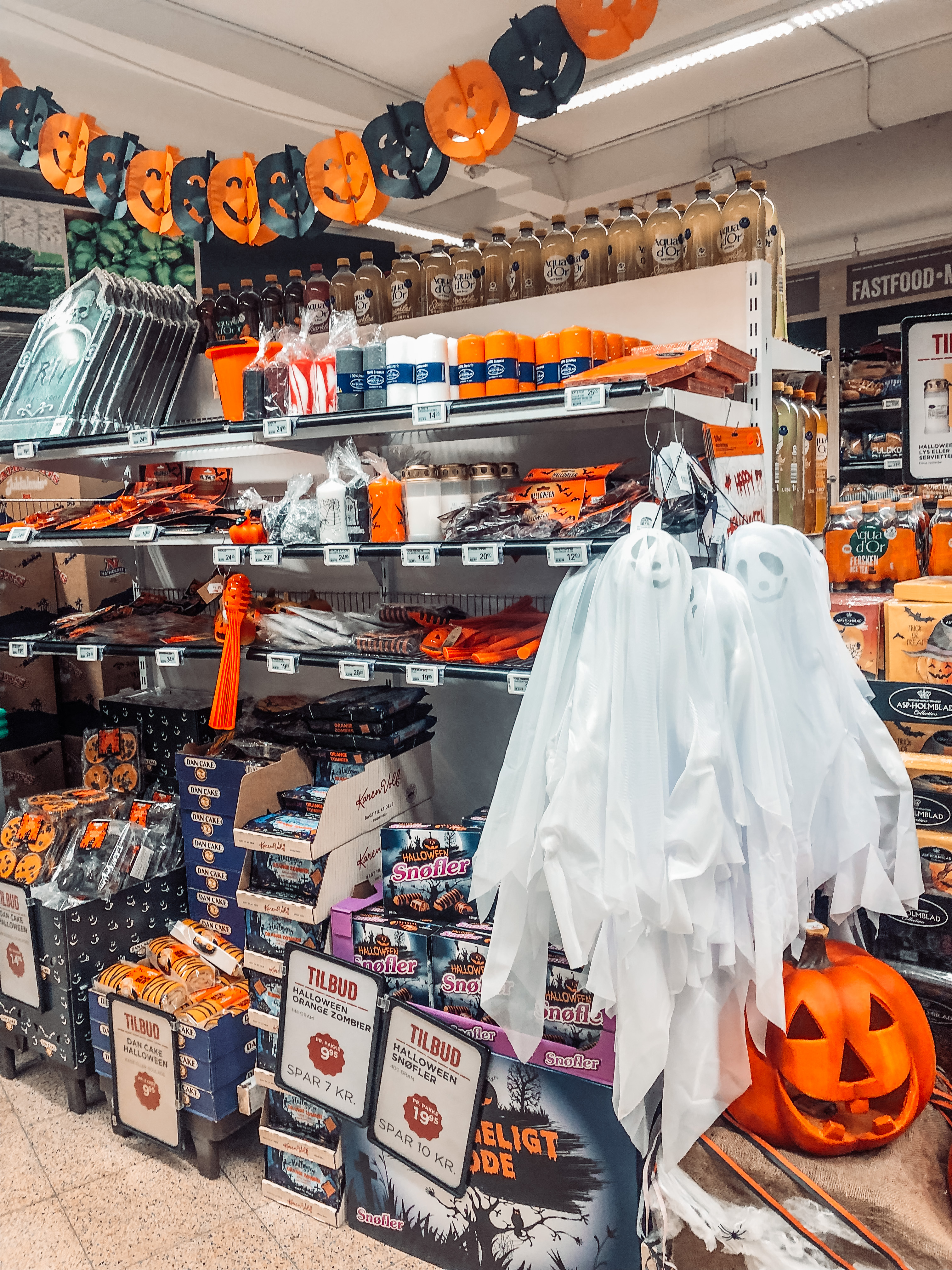
Within the last decade Halloween started being celebrated in Denmark. Just like in the U.S., Danes carve pumpkins, kids dress up and go trick-or-treating and lots of people put up spooky decor. A few of Brev’s teammates grew up trick-or-treating, but most of them said Halloween became popular after their time.

Before Halloween, the closest holiday that Danes celebrated was Fastelavn. During Fastelavn, kids dress up in costumes, eat sweet buns and smack a barrel like a piñata. However, the costumes and sweets are where the similarities between Fastelavn and Halloween end.

Fastelavn is an old Danish tradition dating back to medieval times and literally means “the evening before Lent.” The holiday is based on the Catholic tradition of celebrating the run-up to Lent and is basically the feast before the 40 days of Lent, beginning on Ash Wednesday and ending on Easter Sunday.

However, today Lent is not widely practiced and Fastelavn has largely become a fun-focused children’s festival “featuring merry and distinctive traditions.”

Pølsevogn

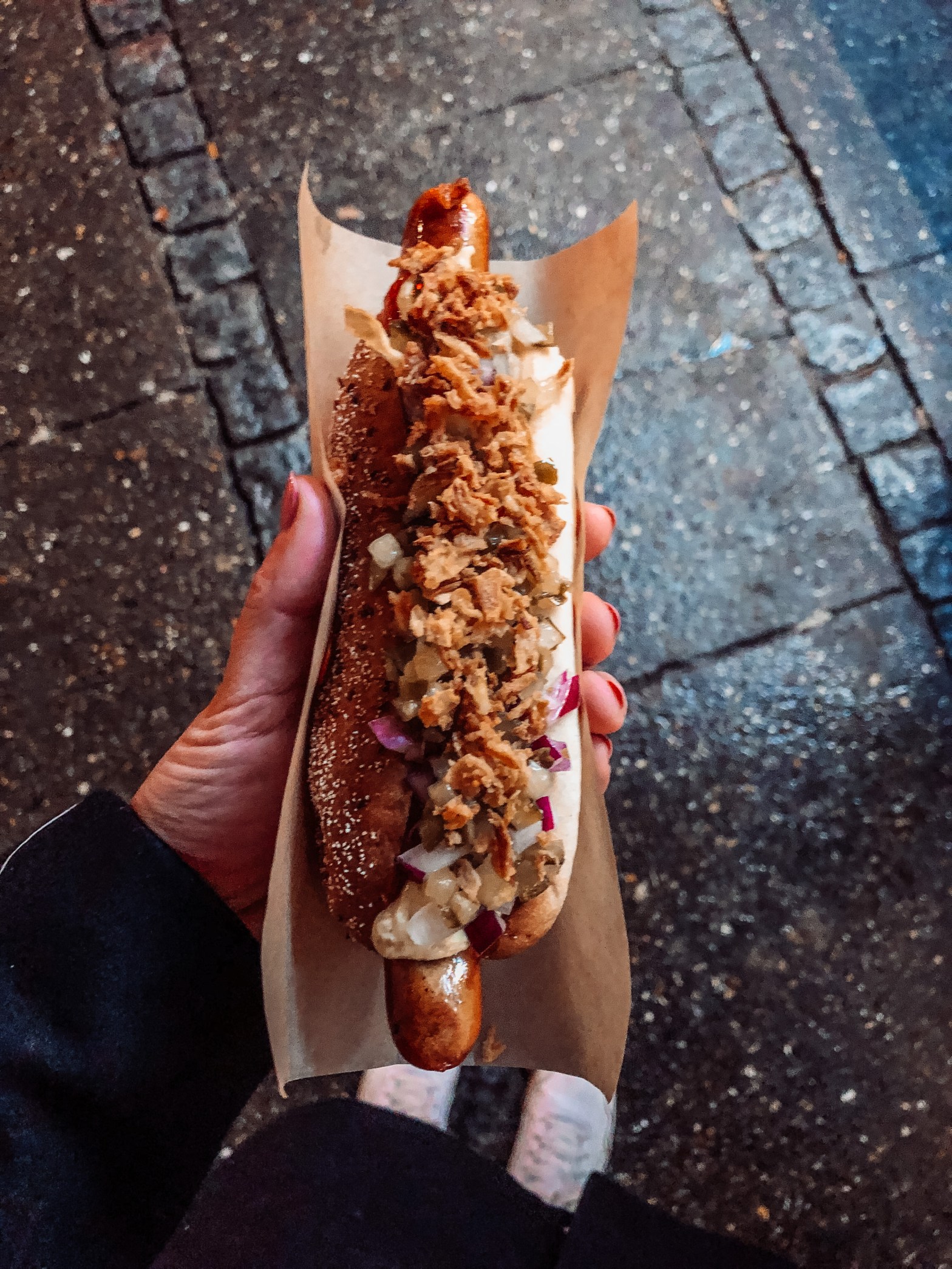
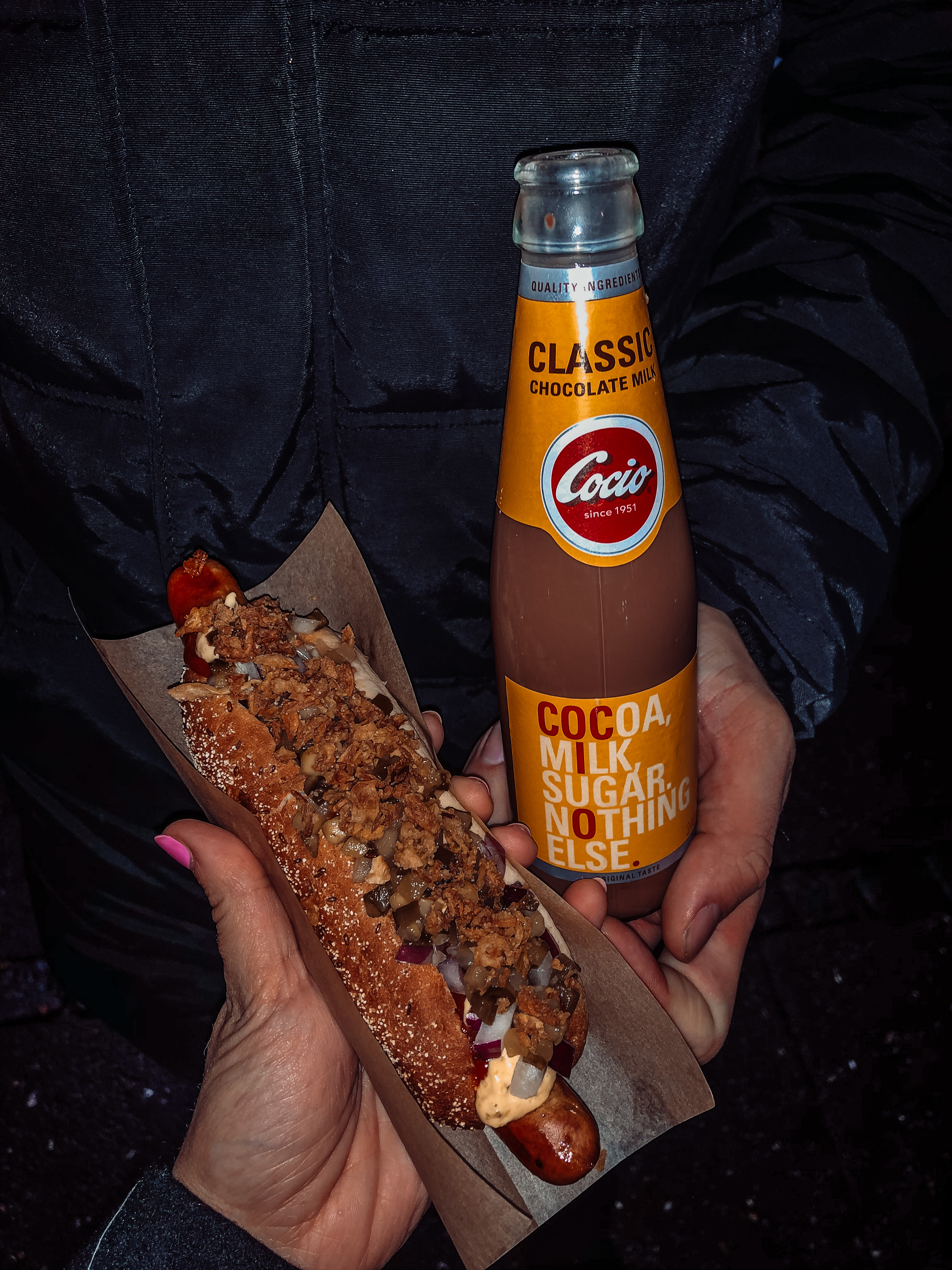
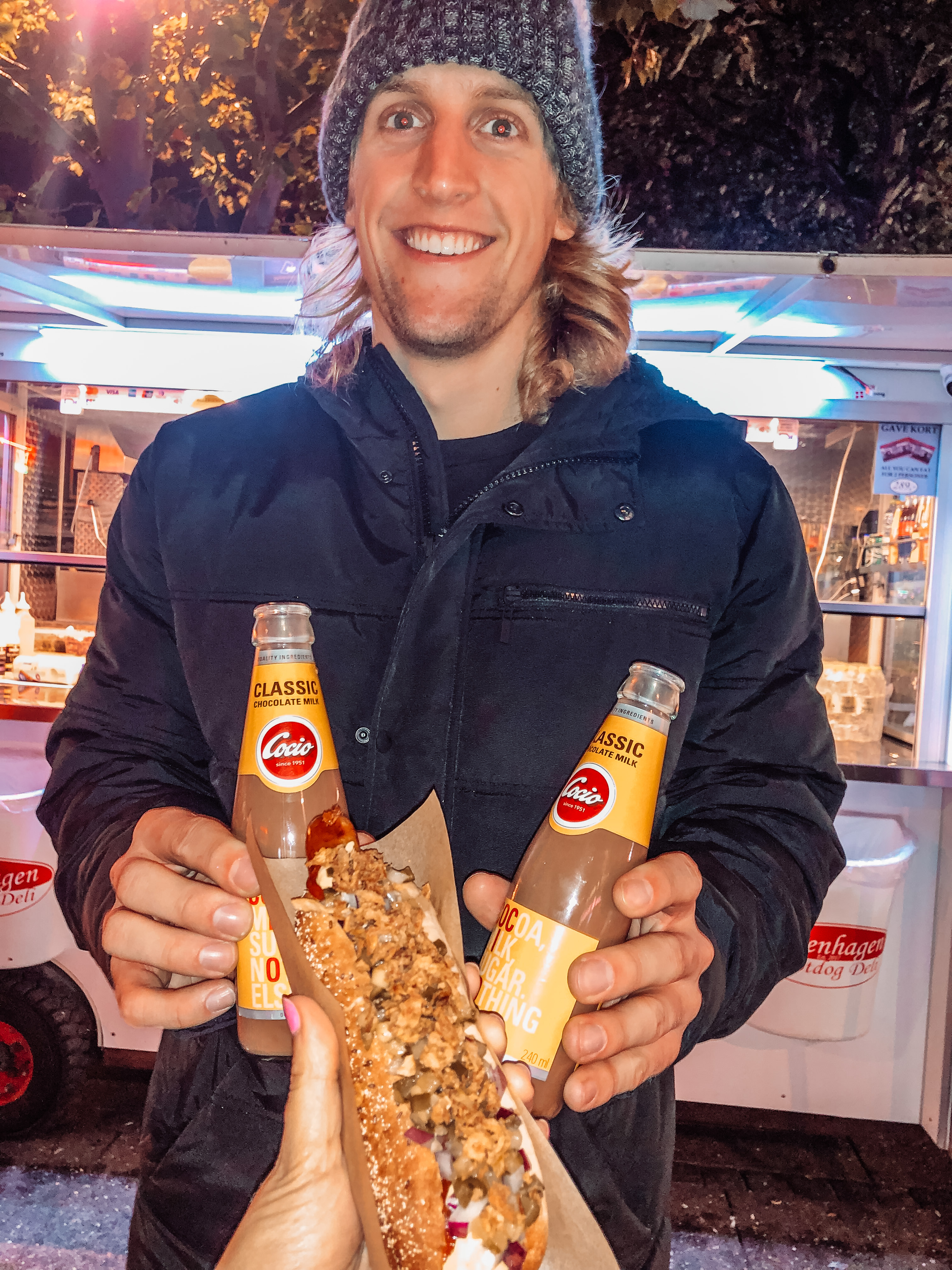
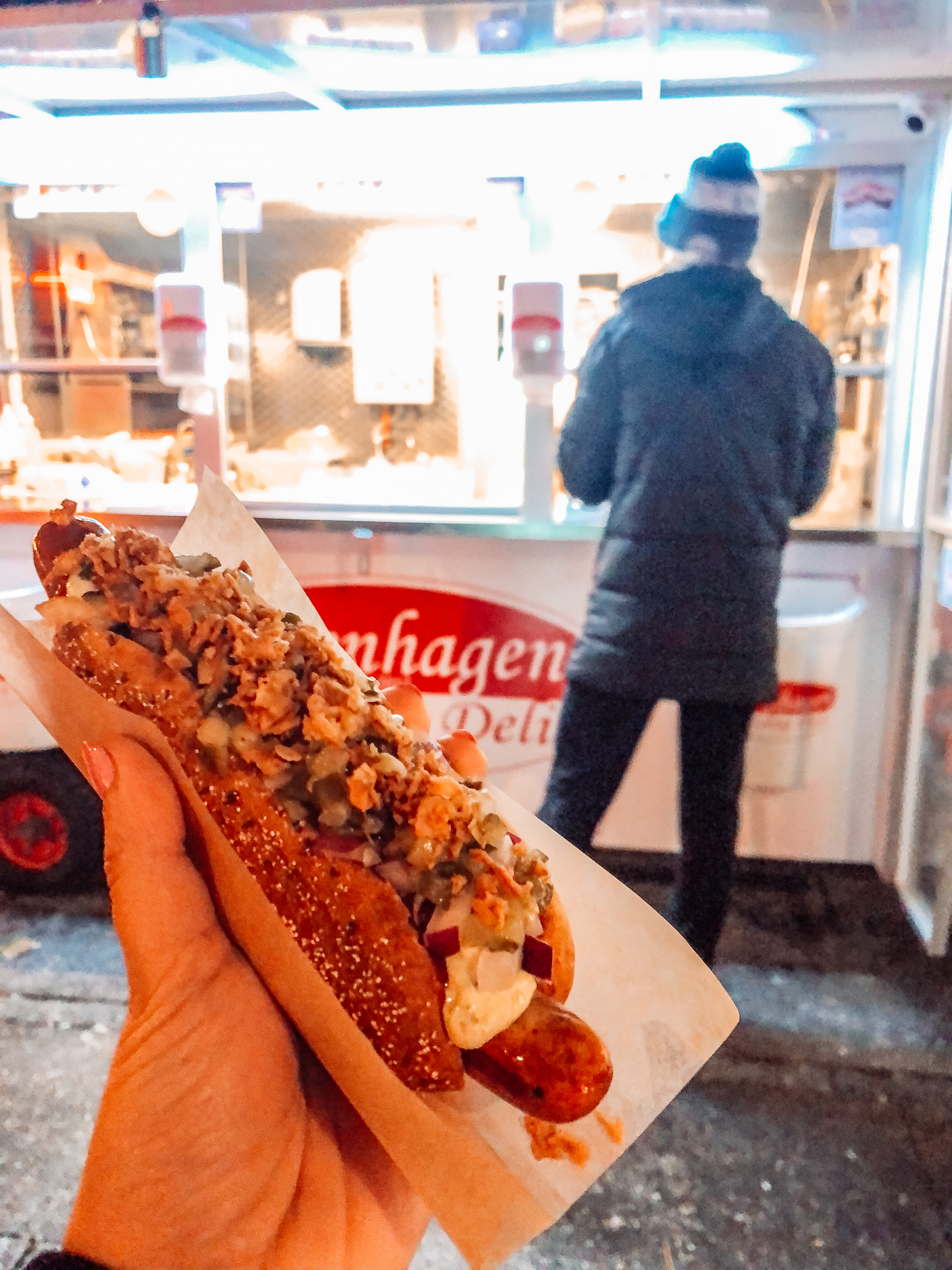
Surprisingly, if you Google “traditional Danish foods” hot dogs are on the list. Even more specifically, hot dogs from a street vendor, called a pølsevogn, which literally translates to “sausage wagon.” So naturally, Brev and I had to try one! Compared to an American hotdog, the Danish version has more components like remoulade, mustard, raw and fried onions and pickled cucumbers. The locals pair their hot dogs with Cocio, the extremely popular Danish chocolate milk, which consists of only three ingredients: milk, chocolate and sugar.

Brev gave the pair a 10/10!

A Country of Cyclists

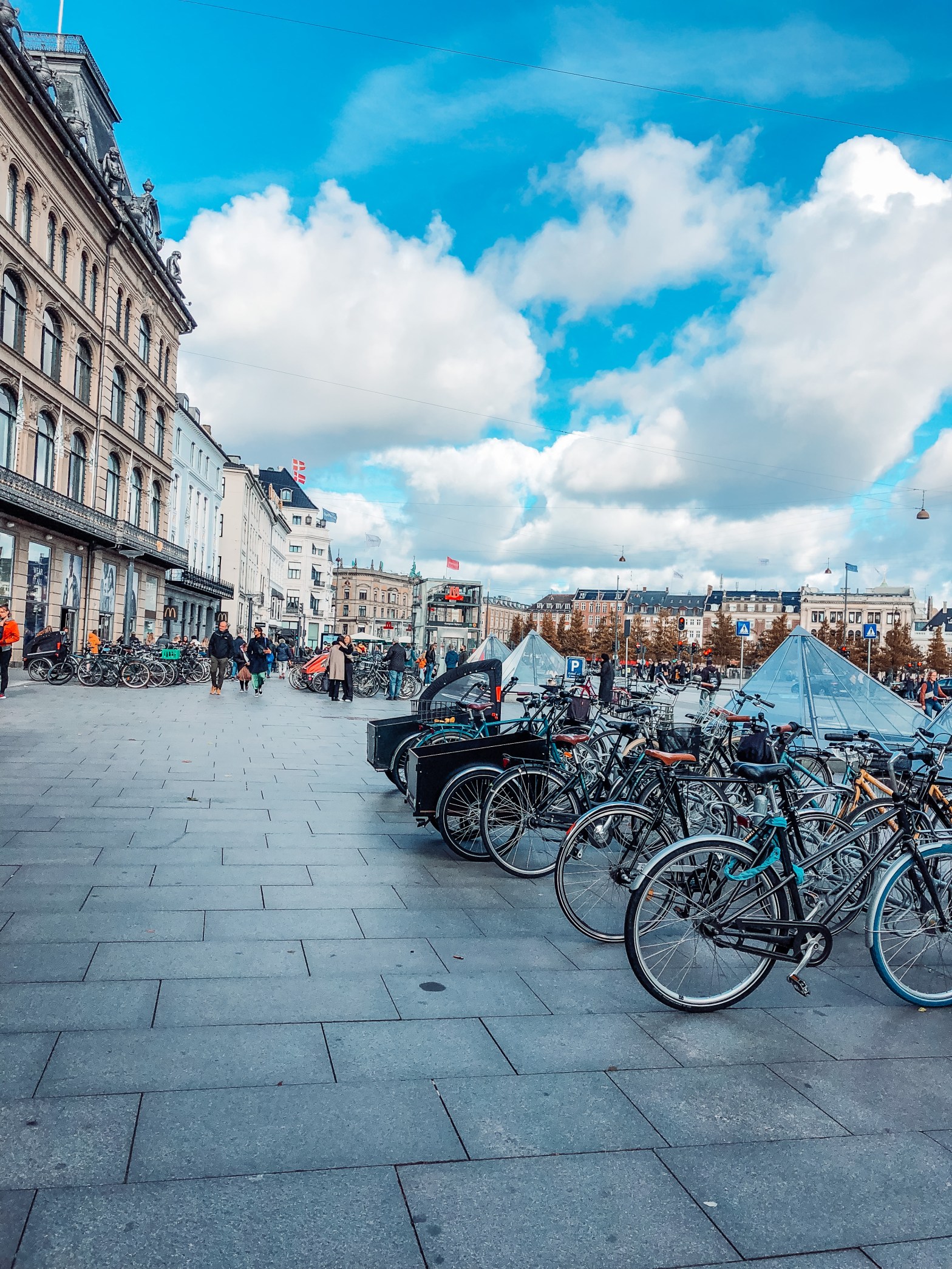
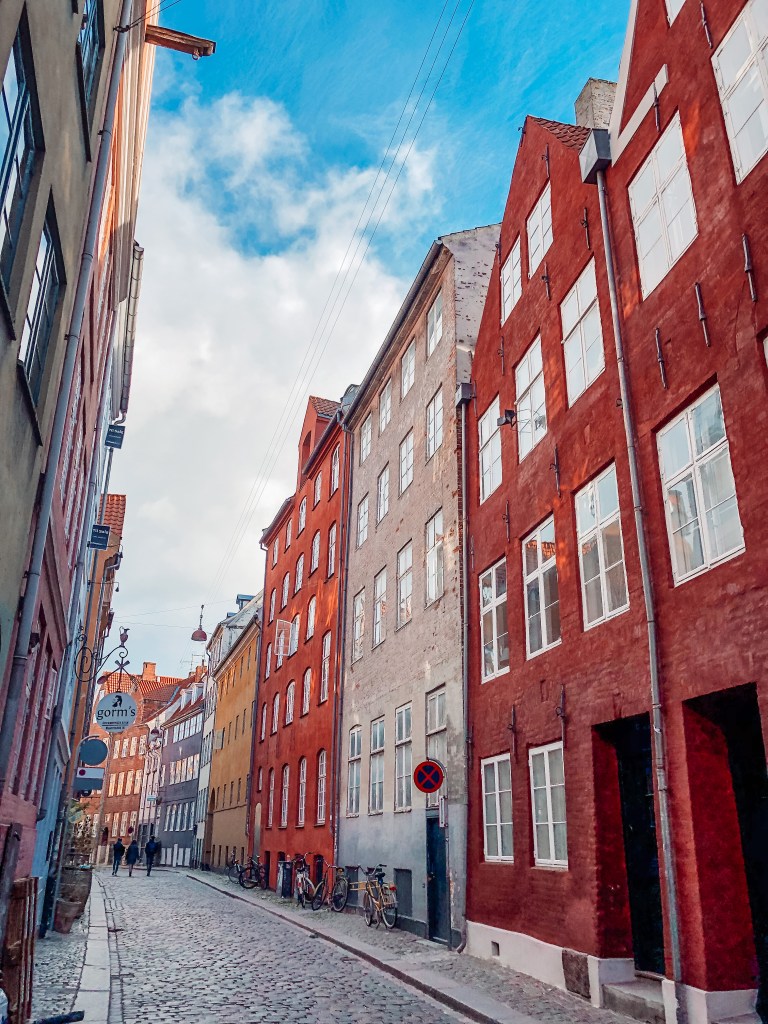
In Denmark biking is one of the primary forms of transportation and nine out of ten Danes own a bike. In Copenhagen alone there are 2.5 bikes per person and more than 250 miles of bike lanes in the city.

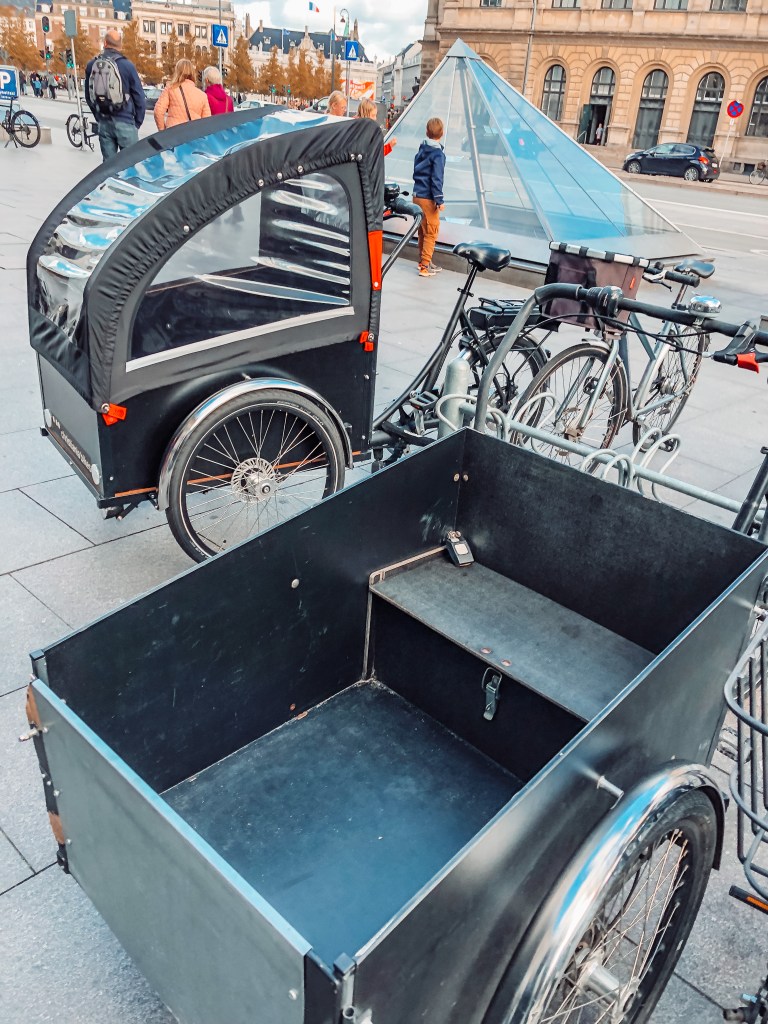
Many Danish families have a box bike, also called a cargo bike, which has a large wooden box on the front of the bike that is used for transporting children and groceries. At school, children even learn about good cycling habits, traffic rules and road safety.

Brev and I were surprised that we didn’t see more bikers wearing helmets, but our tour guide said that:

  1. In theory the biking infrastructure in place should be safe enough that people don’t need to wear a helmet
  2. Many people actually are wearing helmets and we just don’t realize it because they’re wearing an airbag style helmet that wraps around the neck and only inflates if there is an accident (check out that helmet here: https://hovding.com)

Finally, Brev’s team gave every player a bike and that is how the team gets to practice, workouts and home games.

Copenhagen – A Fiery History

During our walking tour of Copenhagen, we learned that the city burned down three times in 80 years. Our tour guide joked that if we had to guess what happened to a building or landmark, the correct answer is always “it burned down.”

The Copenhagen Fire of 1728 was the city’s largest fire that burned almost half the city down. It is also the reason that most of the medieval section of the city was destroyed.

The Copenhagen Fire of 1795 destroyed the remaining middle-age architecture and the Danish Golden Age, where neo-classical architecture emerged, began after this fire.

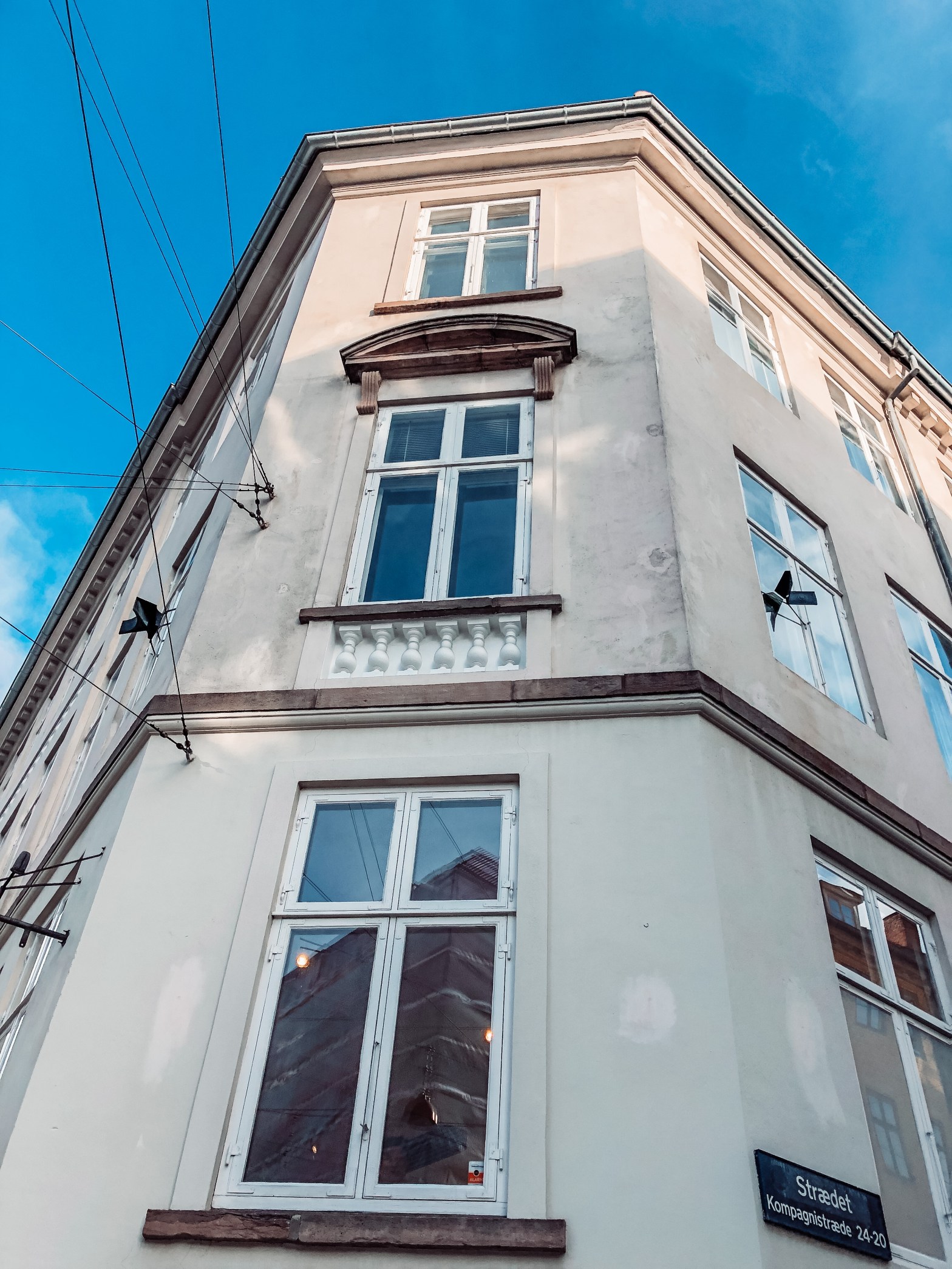
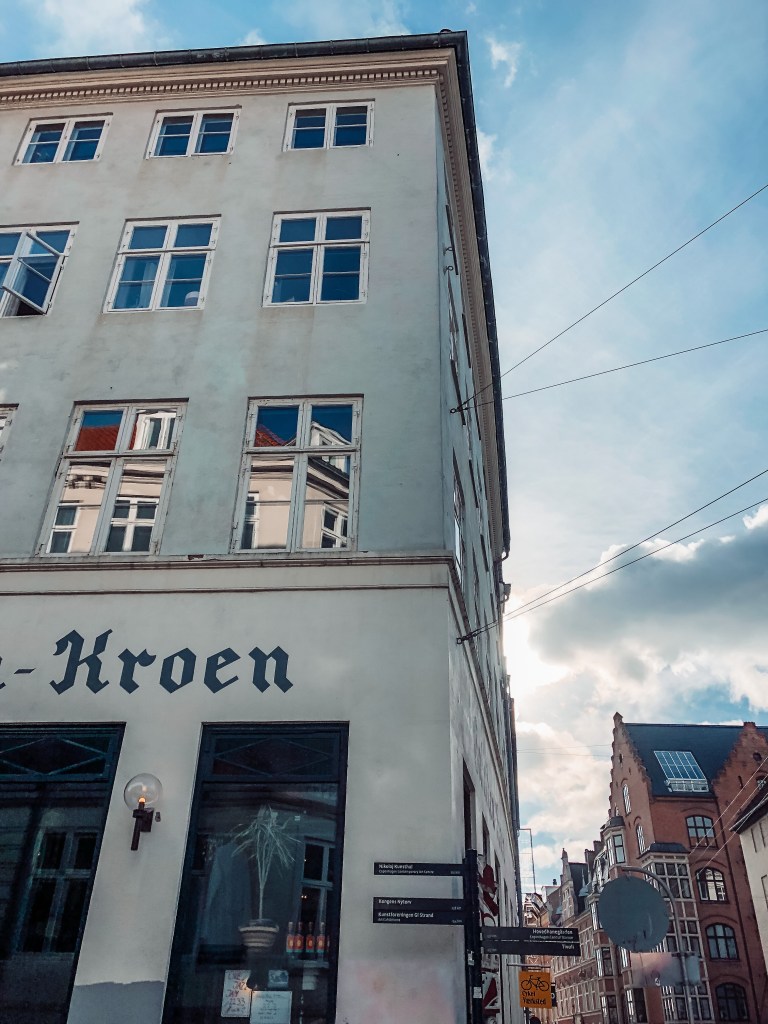
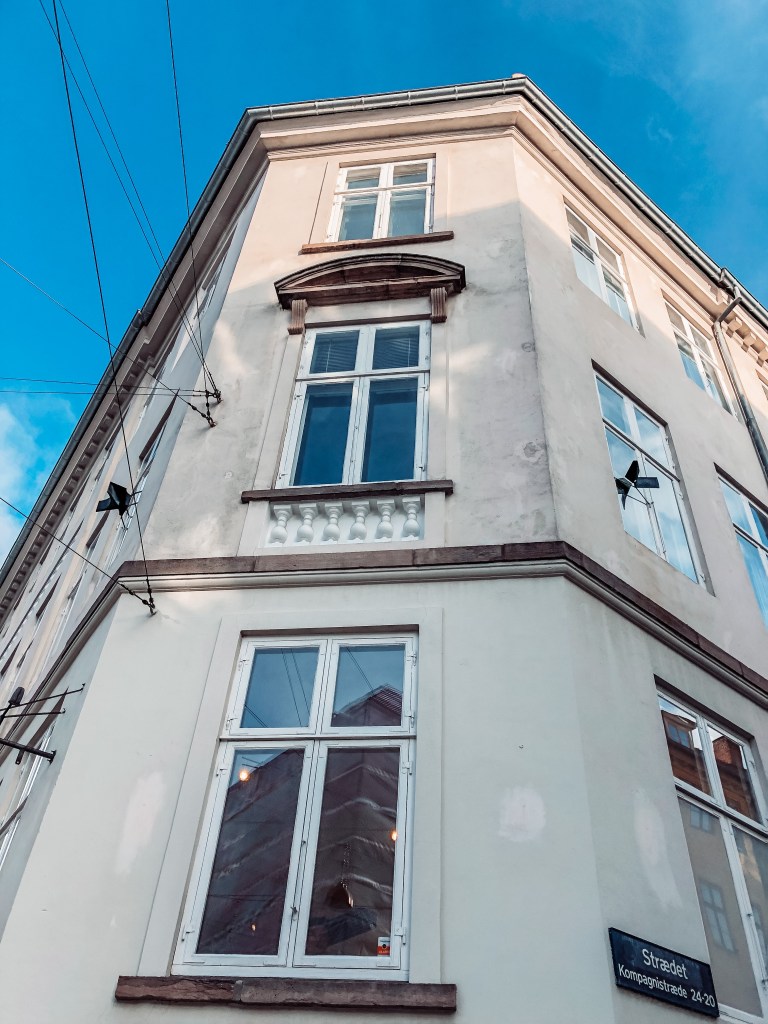
You can tell which buildings in the city were built after the fires, because they don’t have 90 degree corners. Instead, these buildings have rounded corners, which is more fire safe because a firehose can easily round the building’s corners without getting a kink.

A Denmark Birthday Tradition

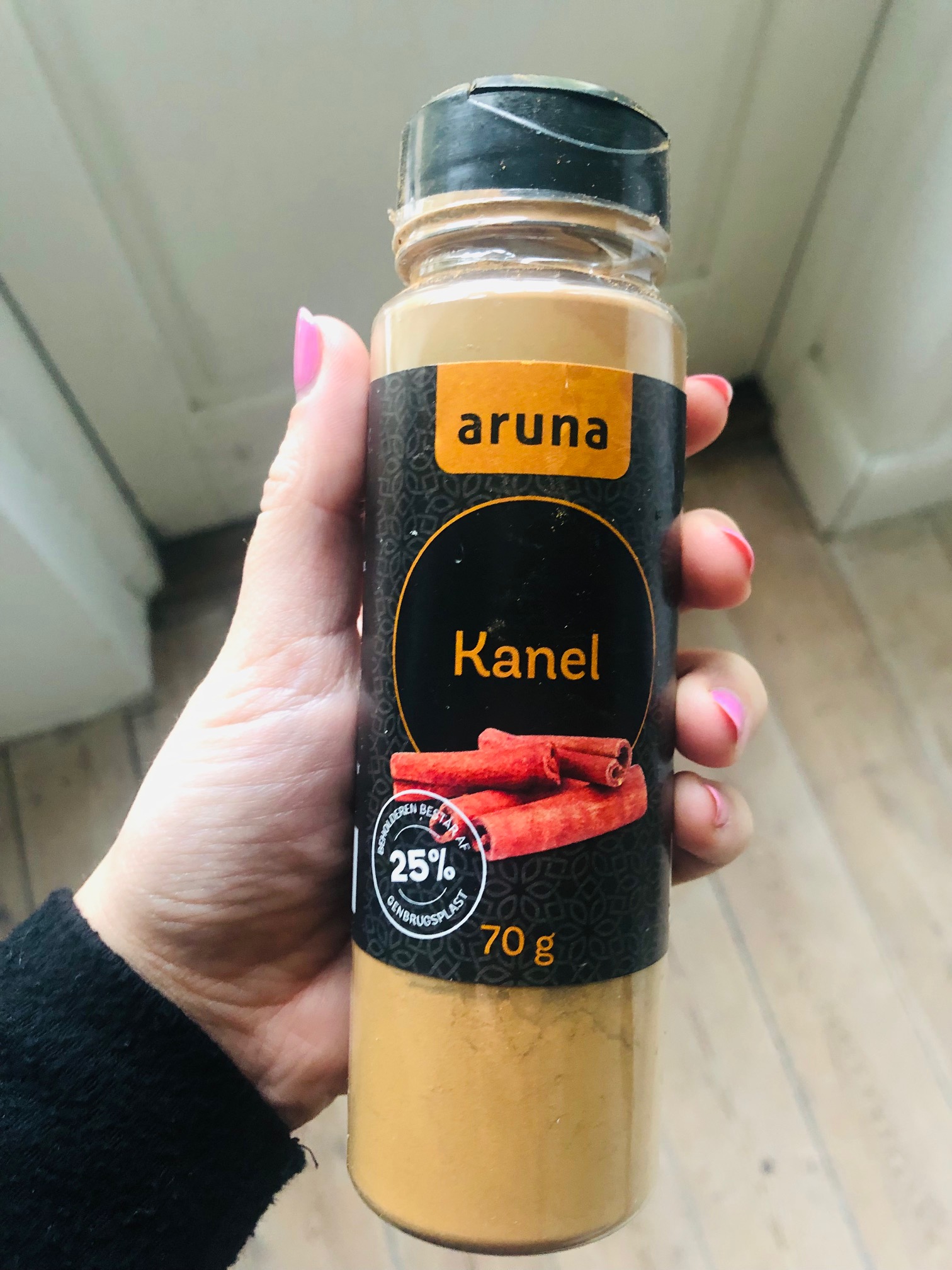
In Denmark, if someone is not married when they turn 25, it is tradition to tie them to a chair or lamp post and throw cinnamon on them.

Apparently, this tradition dates back to the 16th century when Danish spice salesmen would stay bachelors because they devoted so much time to their trade.

Since then, young unmarried Danish people have been taunted with cinnamon as a way of reminding them to find a spouse soon.

Brevin turned 25 two weeks ago and his teammates DID threatened him with cinnamon, but fortunately for Brev, they did not throw any cinnamon on him.

It gets worse if someone is still unmarried at their 30th birthday, because the cinnamon is upgraded to pepper! In Danish, an unmarried man is called a “Pebersvend” and unmarried woman is a “Pebermø” which directly translates to “pepper bachelor”or “pepper maiden.”

Traveling to Denmark

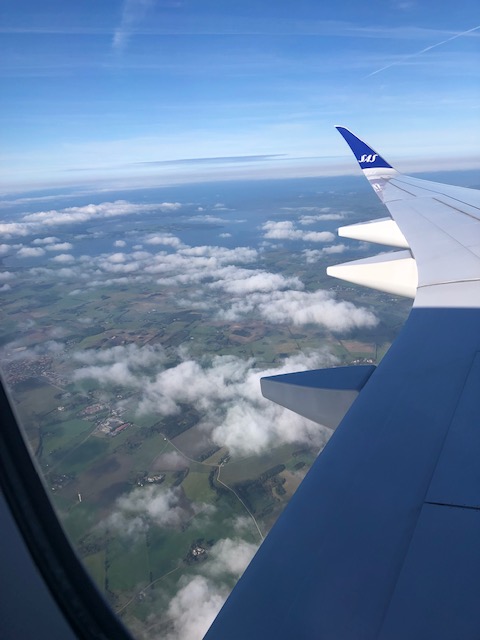
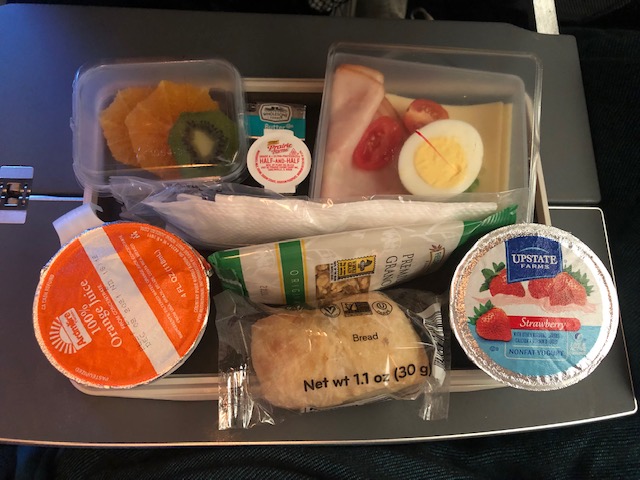
I flew Scandinavian Airlines (SAS) from Chicago to Copenhagen on an overnight direct flight. I had the entire row to myself and the plane was only half full (yay!).

People have been curious about EU travel restrictions, so here’s a bit more about my experience:

  • Right now, fully vaccinated Americans can enter Denmark without a COVID test or quarantine period
  • I had to show my vaccination card checking into my flight in Chicago and at customs in Denmark
  • Masks were required throughout the duration of the flight
  • Unvaccinated Americans have to have a “worthy purpose” to travel to Denmark (like work), must provide a negative covid test before flying, and need to take another test immediately after landing in Denmark. There were COVID testing facilities onsite at the airport
On the train

Design a site like this with WordPress.com
Get started