The South of France

To cap off the year, two friends from college visited us and we traveled to the South of France! The South of France is known for its charming, coastal towns on the Mediterranean and it did not disappoint.

Aix-en-Provence

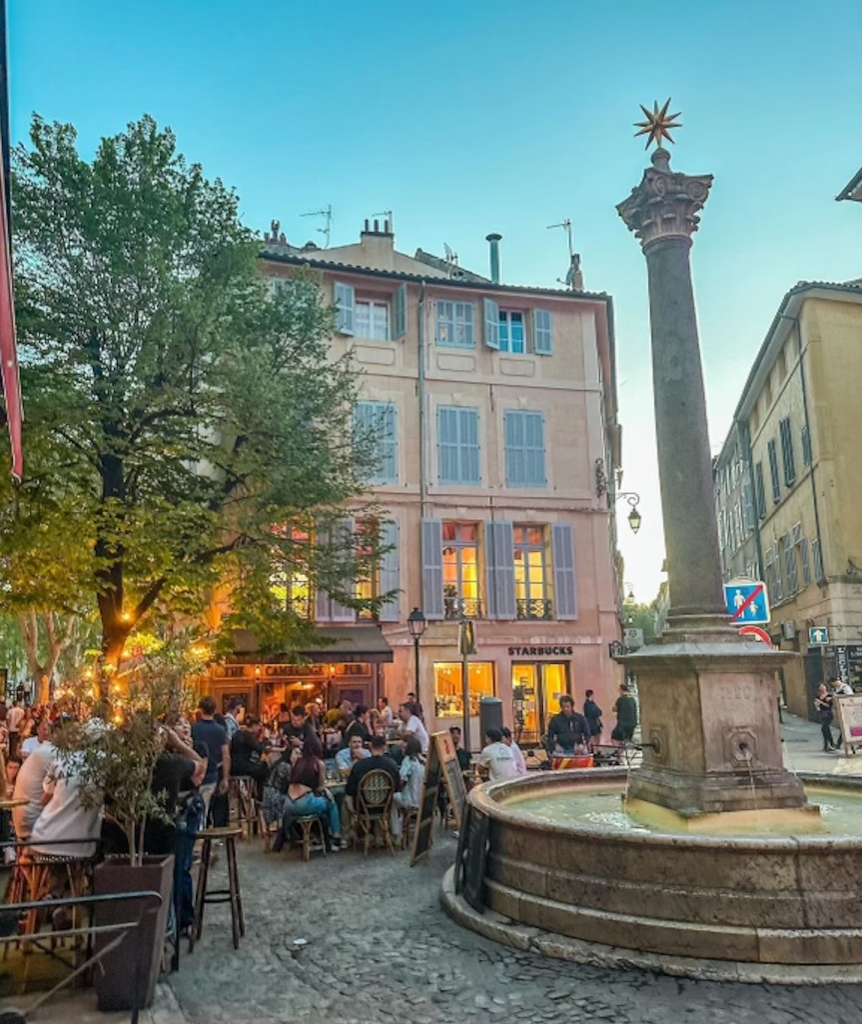
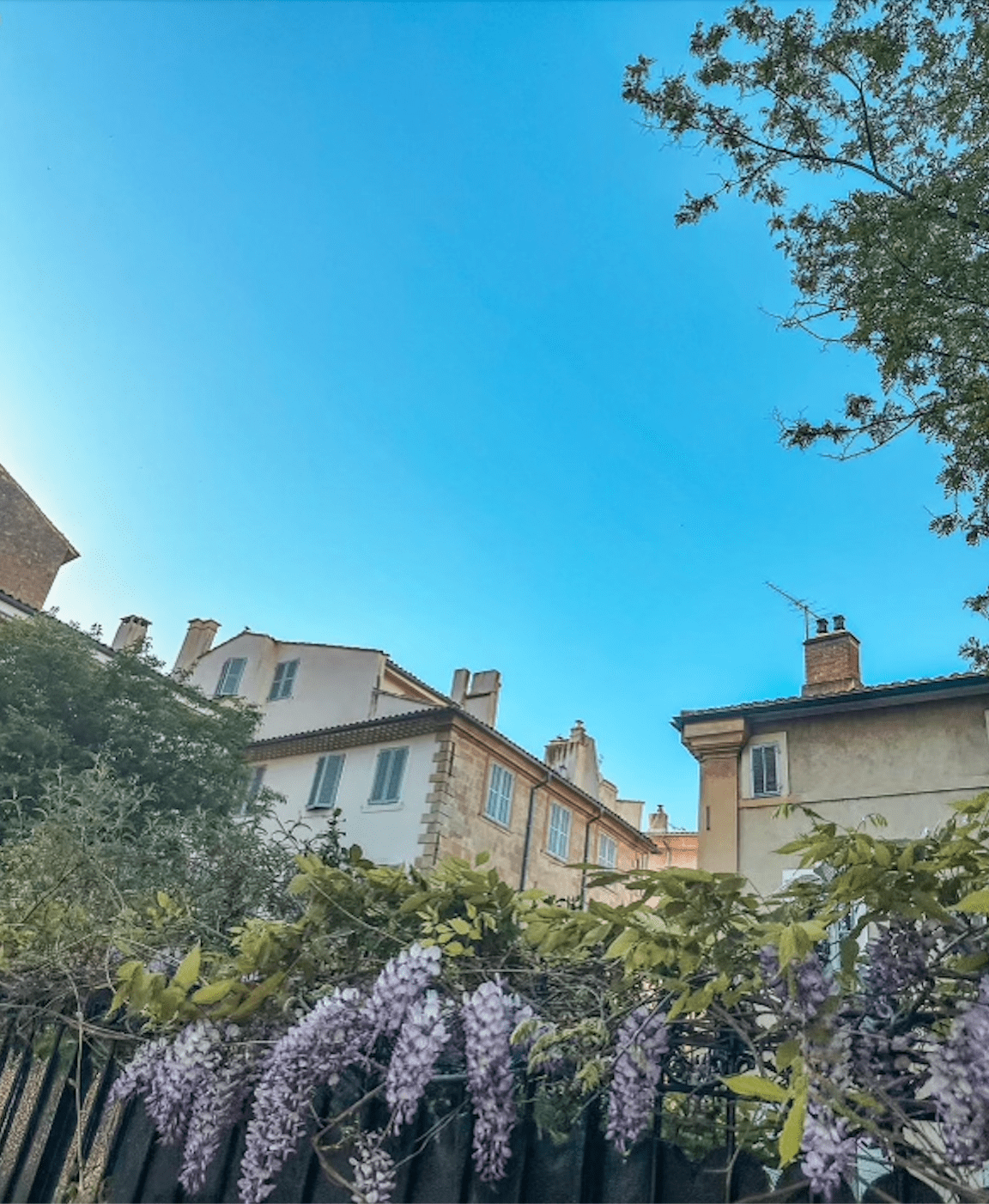
Aix-en-Provence is an adorable city known for its elegant boulevards and historic architecture. It is full of cafes and boutiques and was the perfect destination for a girls’ trip where we just shopped and ate around. 😉 The city is home to Paul Cézanne’s, the French Post-Impressionist painter known for his landscapes of Mont Sainte-Victoire, the mountain near his hometown, Aix-en-Provence, beloved studio and it’s no surprise that artists are drawn to Aix-en-Provence for it’s amazing light and landscapes. This was our favorite city and would definitely recommend visiting!

Recommendations

In general, there are tons of bars and restaurants (all with outdoor seating) so we found that you can just walk the street, read the menus, and generally don’t need reservations ahead of time.

  • Bakery
    • Madeleines de Christope bakery for French dessert
  • Brunch
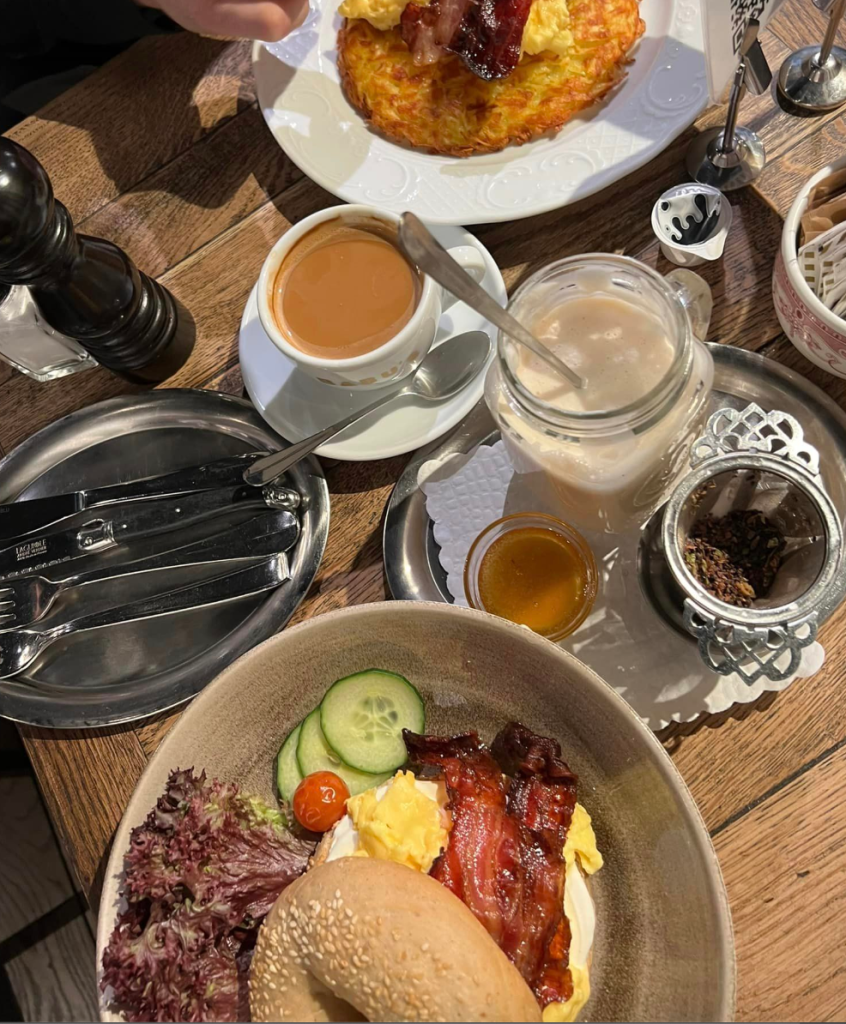
    • Kava (I’ll dream about this chai latte and egg sammy forever)
    • Flic en Flac
  • Dinner
    • D’Amour
  • Things to do
    • The city is known for its many markets that are going on all days of the week.
    • See Cezanne’s works in the Granet Museum or walk the pedestrian route marked by studs stamped with a “C” that will take you from the house where he was born to his final resting place in the St. Jean cemetery.
    • Try a Calisson, which is the specialty of Aix-en-Provence. It’s a French candy made up of ground almonds, candied fruit, and a thin layer of royal icing.

Marseille

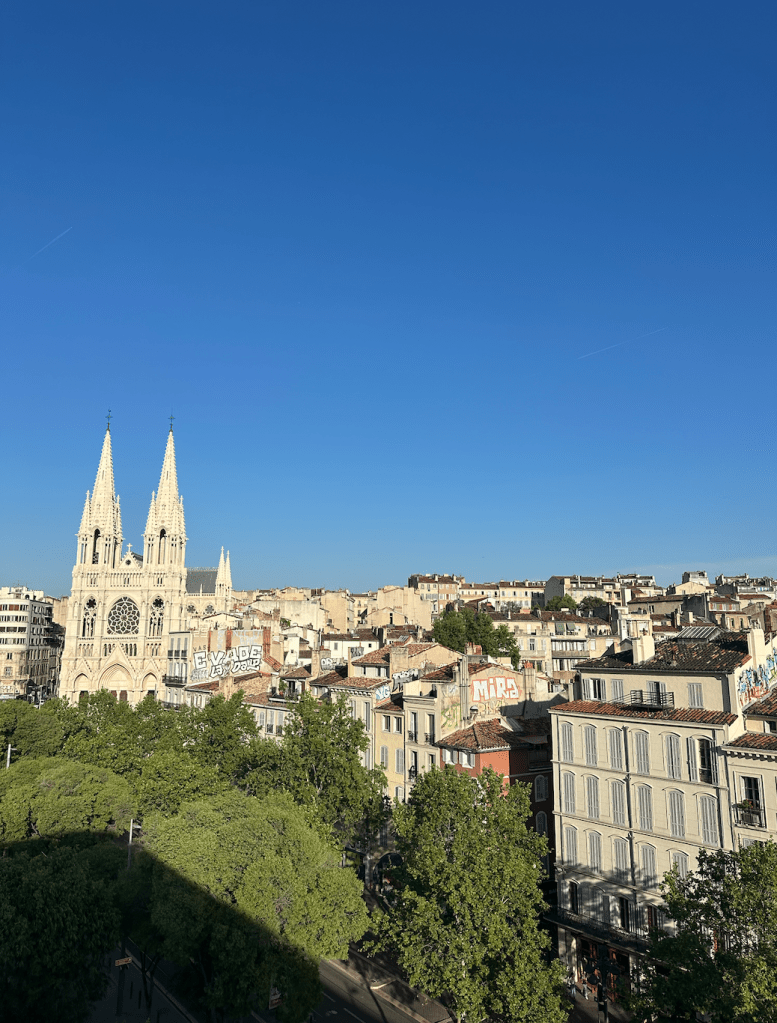
Marseille is France’s oldest city (founded in 600 BC). It’s a vibrant port city on the Mediterranean and wasn’t a tourist attraction until 2013, due to its crime and mafia ties. Today the city’s ancient forts and basilicas and unique neighborhoods draw tourists from around the world.

Recommendations

  • Brunch
    • Biba Brunch
    • La Fiance
  • Lunch
    • L’ABC (sandwiches)
  • Dinner
    • Splendido (make a reservation here – super popular place. Fun, circus vibe interior and photobooth)
    • Bars Les Reformes (rooftop bar with incredible cathedral view)
    • Cours Julien neighborhood (hipster area, tons of bars and restaurants)
    • The Zanzibar (club)
  • Things to do
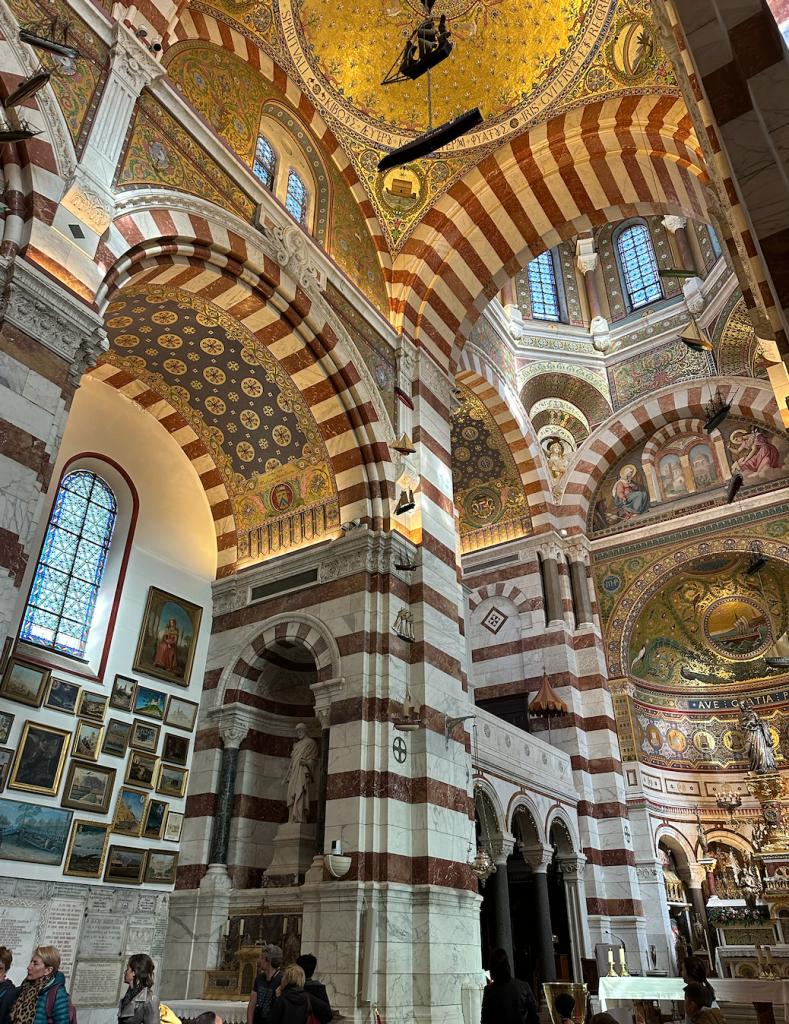
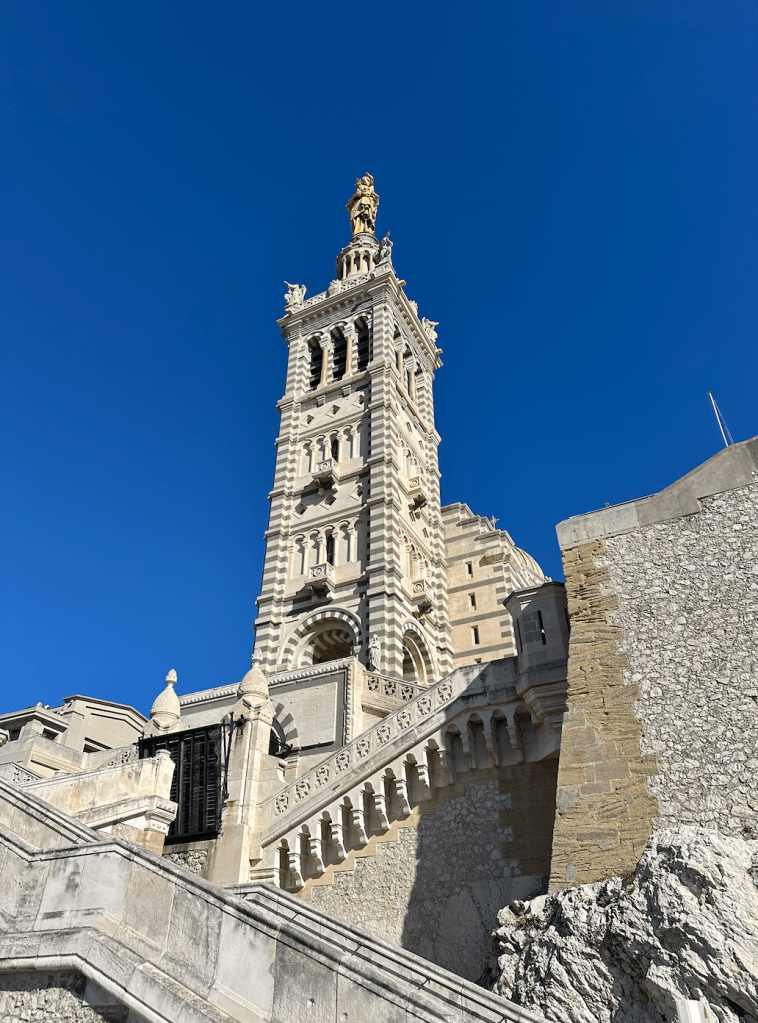
    • Visit Basilica of Notre Dame of La Garde
    • Explore Old Port
    • Explore Le Panier neighborhood: Marseille’s oldest district that’s historical and quaint
    • Walk around Palais Longchamp: a large park with historical monuments
    • Take a sunset cruise
    • Go out (in Cours Julien neighborhood or Old Port)
    • Visit the Calanques National Park: this park is between Marseille and Cassis and is an easy day trip from Marseille. A Calanque is a rocky cove made of limestone that forms a steep, narrow valley and is mostly found around the Mediterranean sea.
Budapest, Hungary

In March I took a girls trip to Budapest, Hungary. The capital city of Hungary is often referred to as the “Pearl of the Danube” for its location right on the river and its hilly, stunning panoramic views.  

Fun Facts:

  • Budapest is actually a merger of two cities, Buda and Pest. Separated by the Danube River, they were joined together in 1873.
  • Hungarian is the national language of Hungary and it is notoriously difficult to learn, with its 44 letters and 14 vowels.
  • Hungarian Forint (HUF) is their currency, with 1 Hungarian Forint equaling .0027 USD.
  • The national dish of Hungary is Goulash and in general Hungarian cuisine is known for its spicy and hearty soups. Paprika is also an important spice.
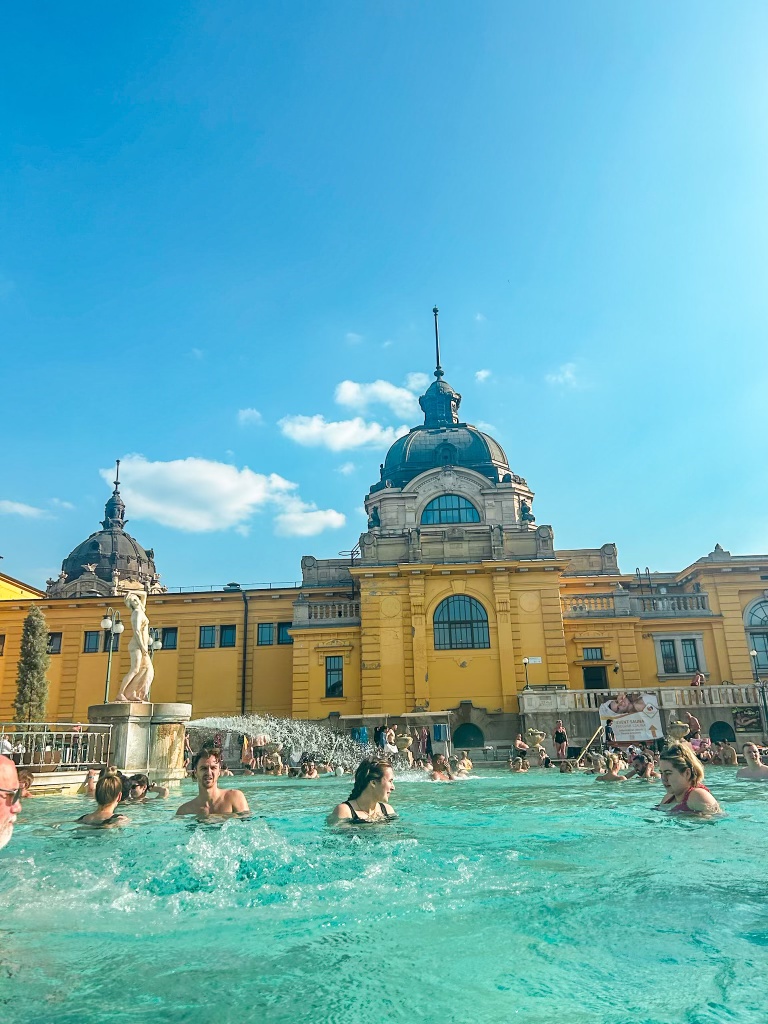
  • Hungary is well-known for its thermal and mineral water sources. Budapest specifically lies on a geological fault line, which causes more than 100 thermal springs to bubble to the surface. The city’s thermal lakes and baths attract thousands of tourists to the country every year (including us!).

We had a great time and really loved the city. There was so much to do and see, it was very easy to get around, and it was very affordable. I’d recommend spending a long weekend in Budapest!

As always, my recommendations for Budapest are below:

Places to Stay

  • We stayed in the Jewish Quarter and thought it had a great central location close to nightlife.

Places to eat

  • Cookie Beacon Brunch
    • Try their famous cookies and enjoy their unique brunch menu
  • Mozel Tov
    • Awesome interior and fun sharing plates
  • Tokio
    • Delicious Asian fusion restaurant
  • Twentysix
    • Stunning inside, greenery, lights, etc.

Things to do

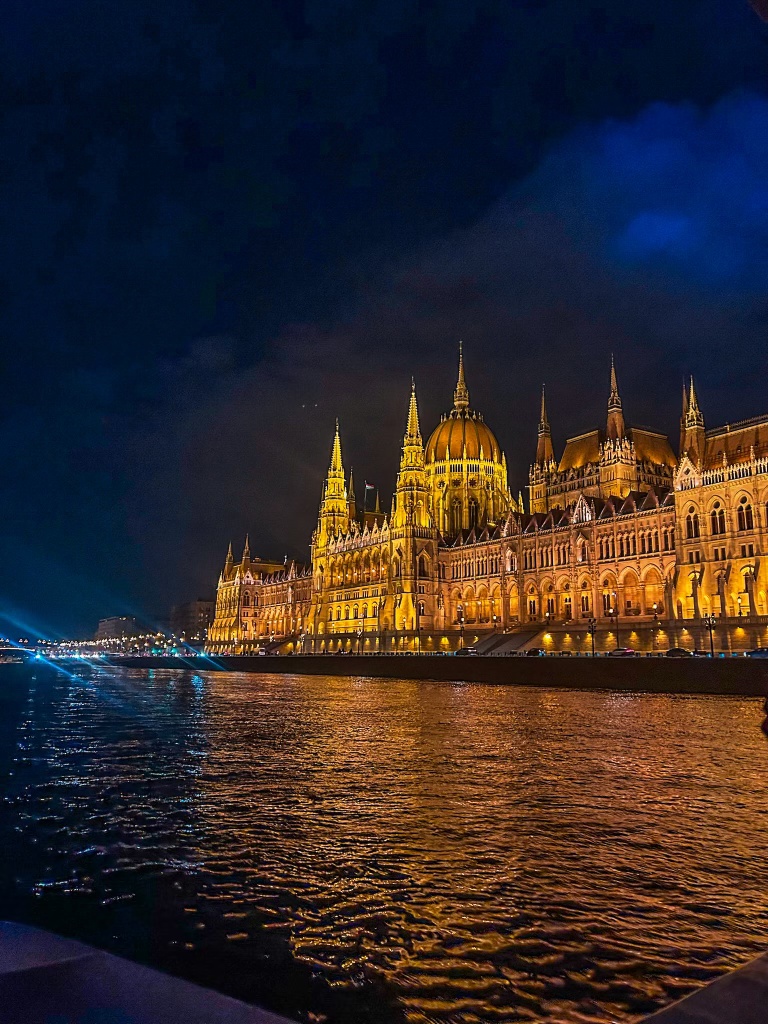
  • City Highlights Evening Cruise with Welcome Drink
  • Szechenyi Baths Thermal Baths
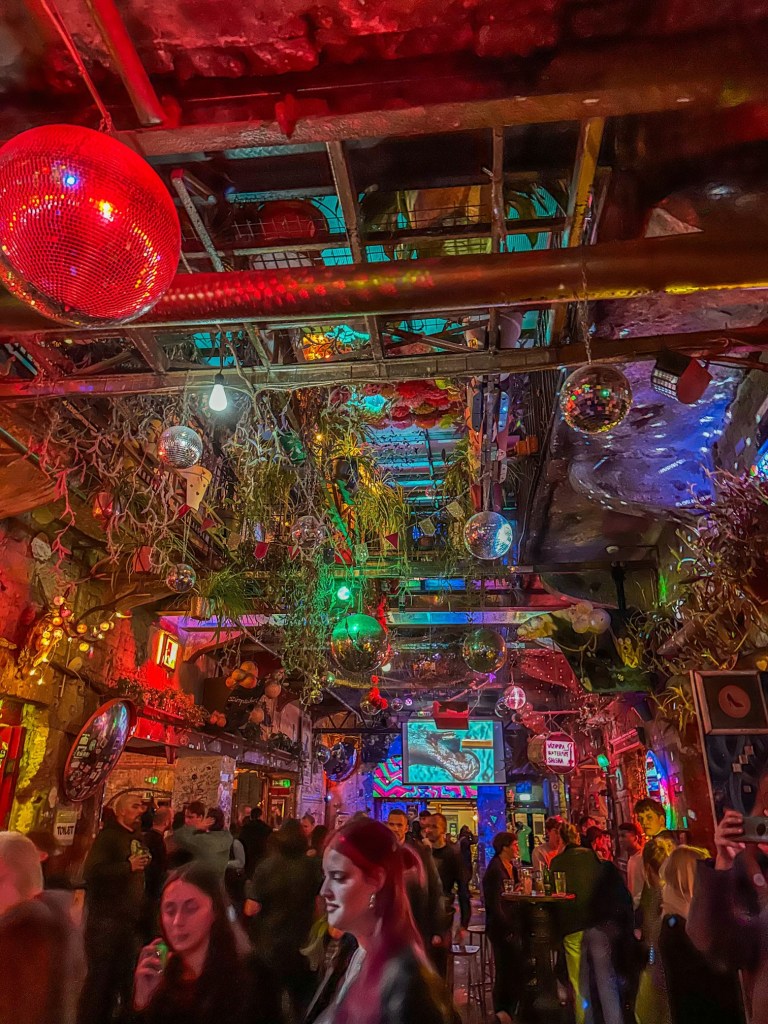
  • Go out at Szimpla Kert Ruin Bar
    • Abandoned buildings are renovated and turned into bars in Budapest, called “Ruin Bars.” They’re now an integral part of Budapest’s nightlife.
  • Try a Chimney Cake (KÜRTŐSKALÁCS)
    • This pastry is crispy on the outside and soft on the inside, often dusted with sugar, cinnamon, or cocoa.

Things to see

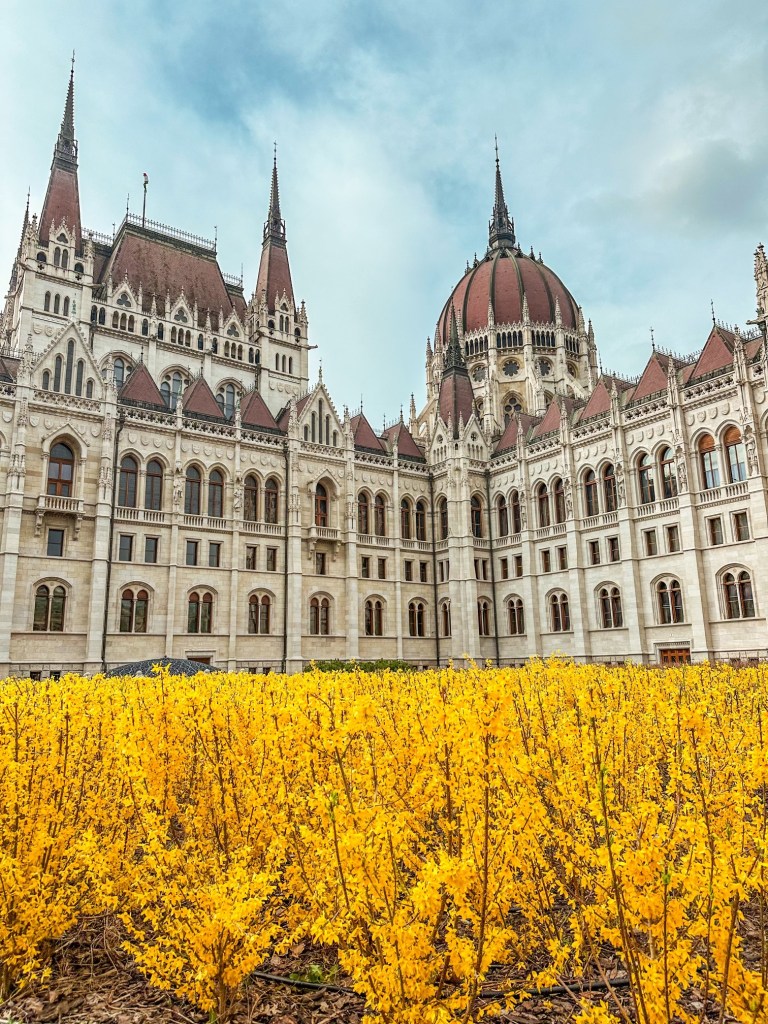
  • Parliament building
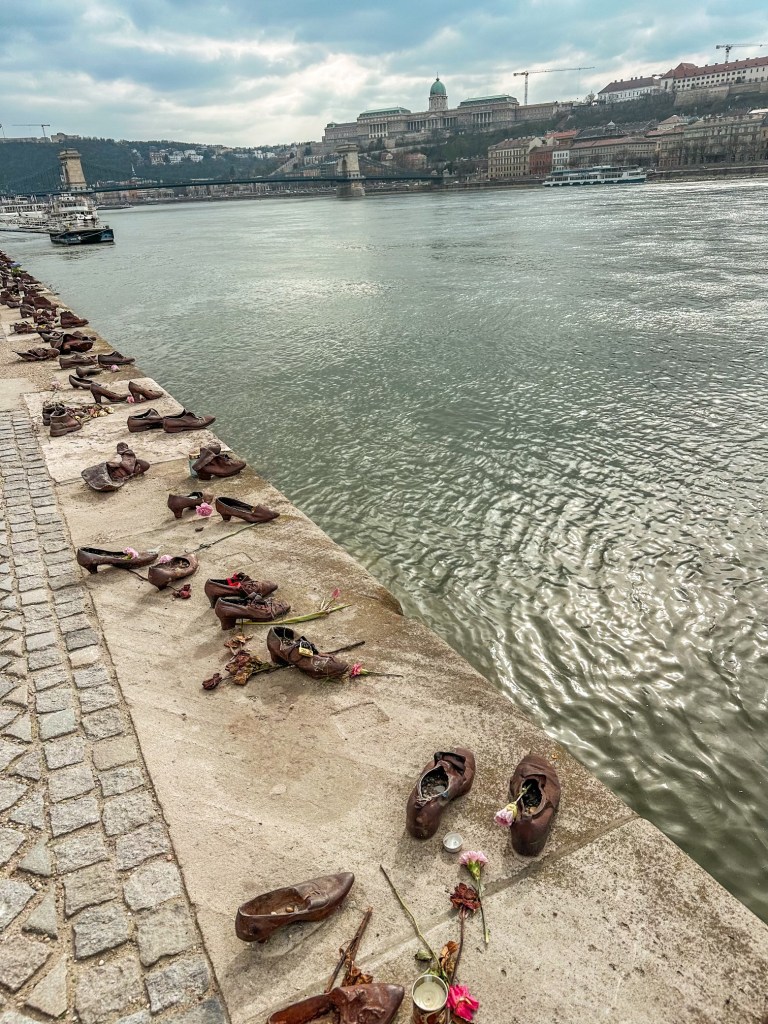
  • The shoes on the Danube Memorial site 
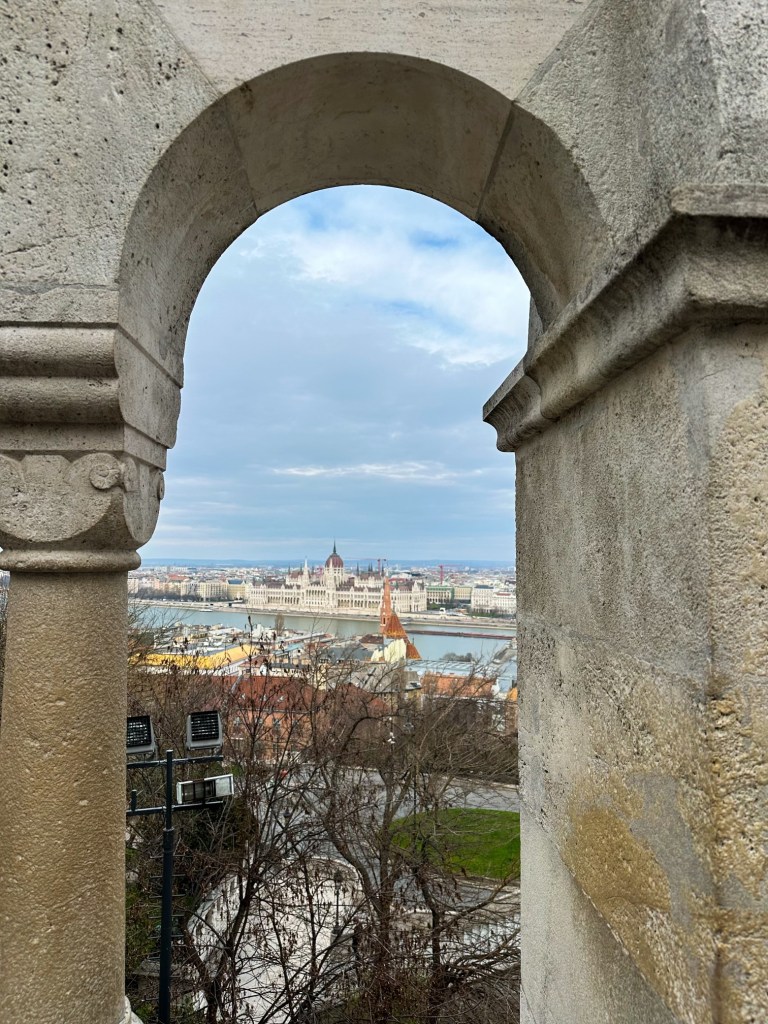
  • Fisherman’s Bastion
  • Great Market Hall

Zurich, Switzerland Recommendations

A friend from high school has family in Zurich, and we loved all their recommendations. As always, sharing them below!

Hotel

  • We stayed at Hotel Citizen M and loved it! It was the most affordable option in a great location and is super high tech (the room is controlled with an iPad).

Food

  • Lumiere: a cozy French restaurant in Old Town. We loved our meal here and would go so far as to say it was one of the best meals we have ever had.
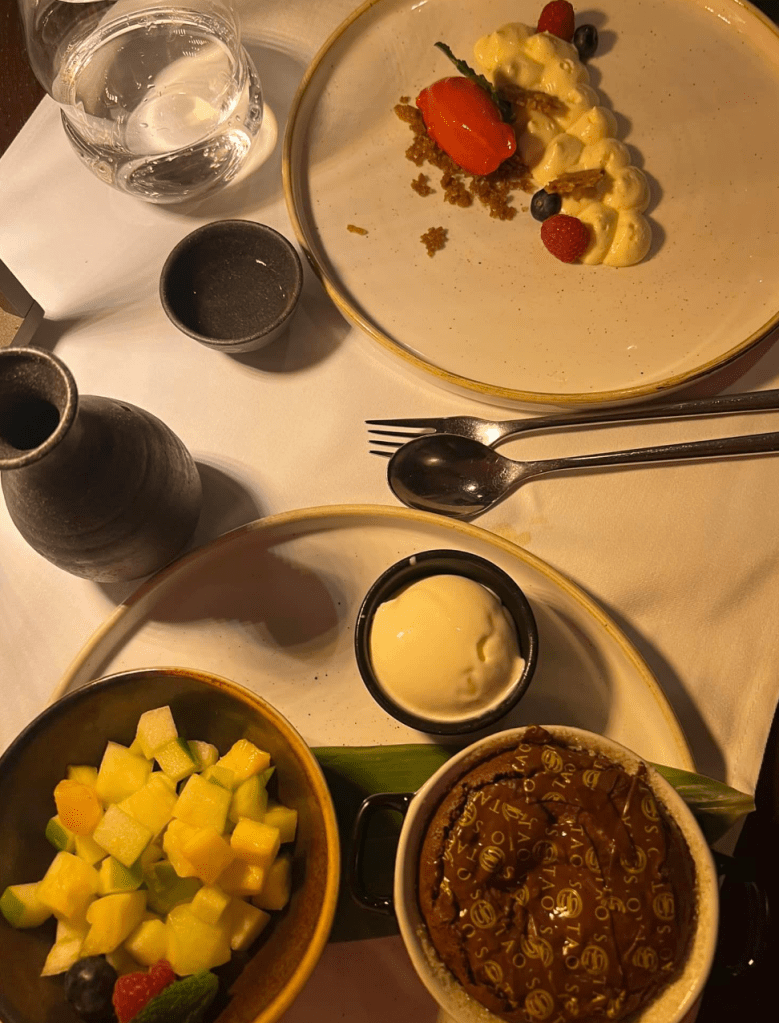
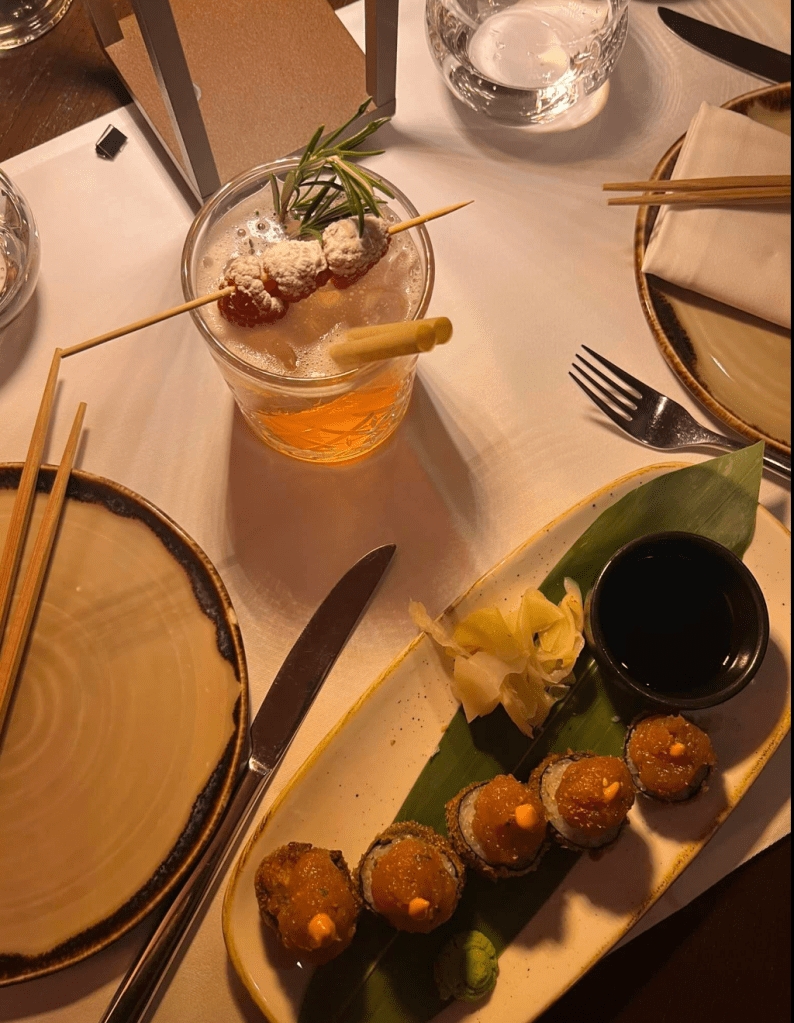
  • Tao’s: Upscale Asian fusion. We had a great time splitting rolls and the dessert was delicious.
  • Kindli: Swiss restaurant in Old Town that dates to the 1400s. Try their version of traditional Zuri Geschnetzeltes (veal in white wine cream sauce).
  • La Pasta: Small, popular, casual Italian restaurant in Old Town.
  • BrazelKing: This popular street food stand serves brazelkonig (hot dog in a pretzel bun) that is very popular.
  • BaBu’s Bakery & Coffeehouse: We had such a delicious brunch here that we went back the next day!

Bars

  • Old Crow: Iconic bar in Old Town. We had drinks here Saturday night and it was a great vibe!
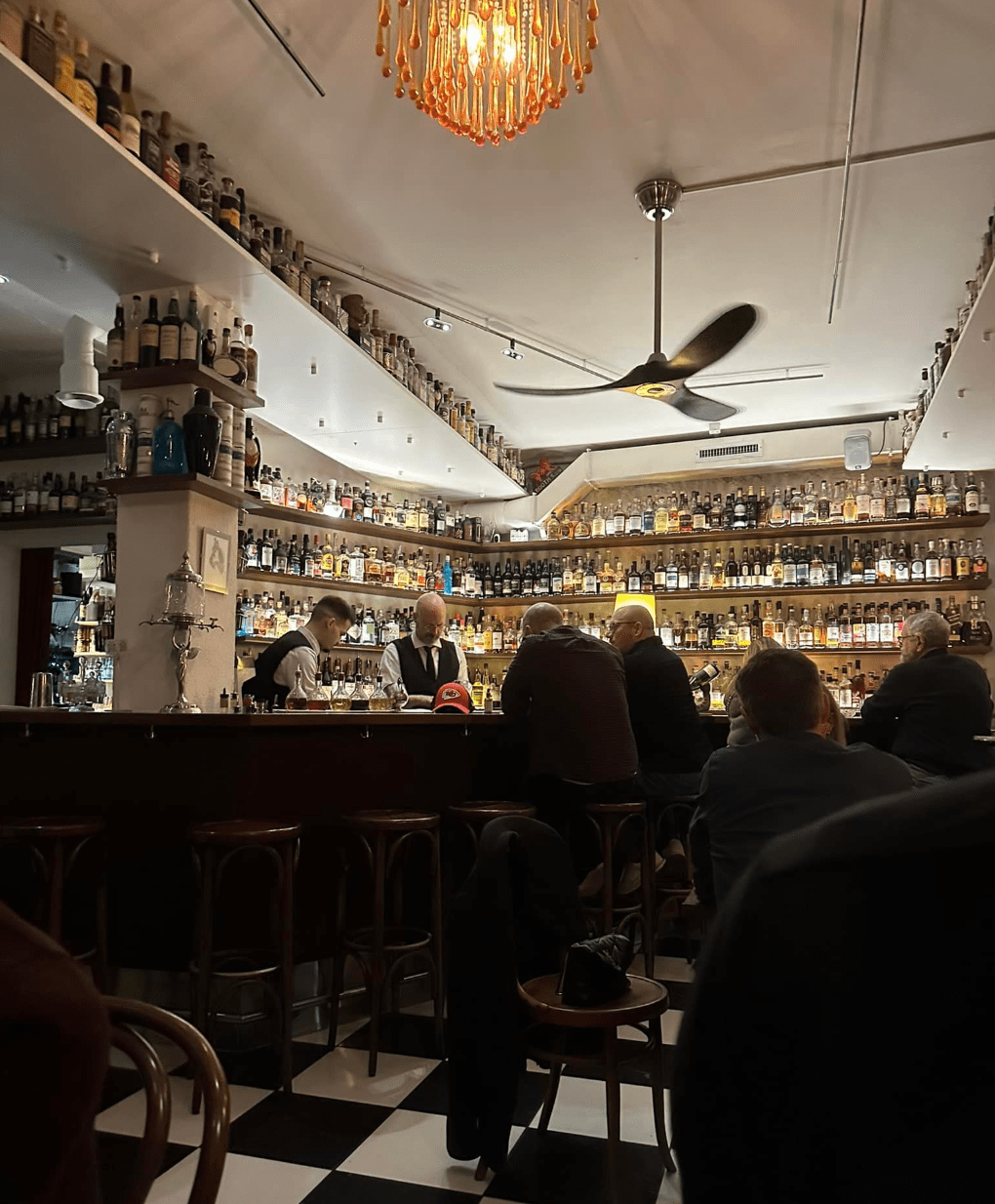
  • Widder Bar: A little more upscale, cool bar in Old Town.
  • Hotel Starchen: Bar right on the river with great espresso martinis.

Things to Do

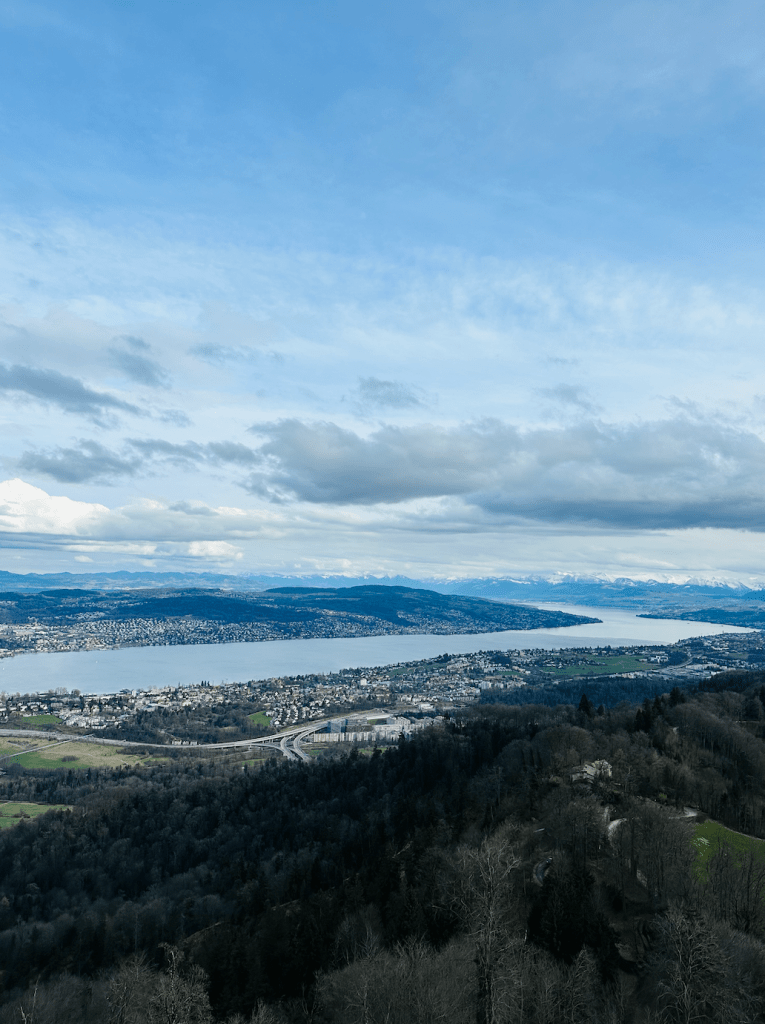
  •  Hike and/or take the train up to Uetliberg Mountain. There are magnificent views and a restaurant/hotel at the top.
  • Grossmünster: Church where you can climb the steps to top of the tower with magnificent views of old town.
  • Boat tour on Lake Zurich
  • Lindt Chocolate Museum Tour: We enjoy this a lot because it was all you can eat chocolate. 
  • Bahnhostresse: Zurich’s shopping street.
  • Dolder Grand Hotel: You can “hike” up to this hotel for a great view overlooking Zurich. The hotel is one of the nicest in Zurich and has a great restaurant ($$$). You can “hike” back down through the woods. (Saying “hike” because it’s just walking on streets uphill the whole time).

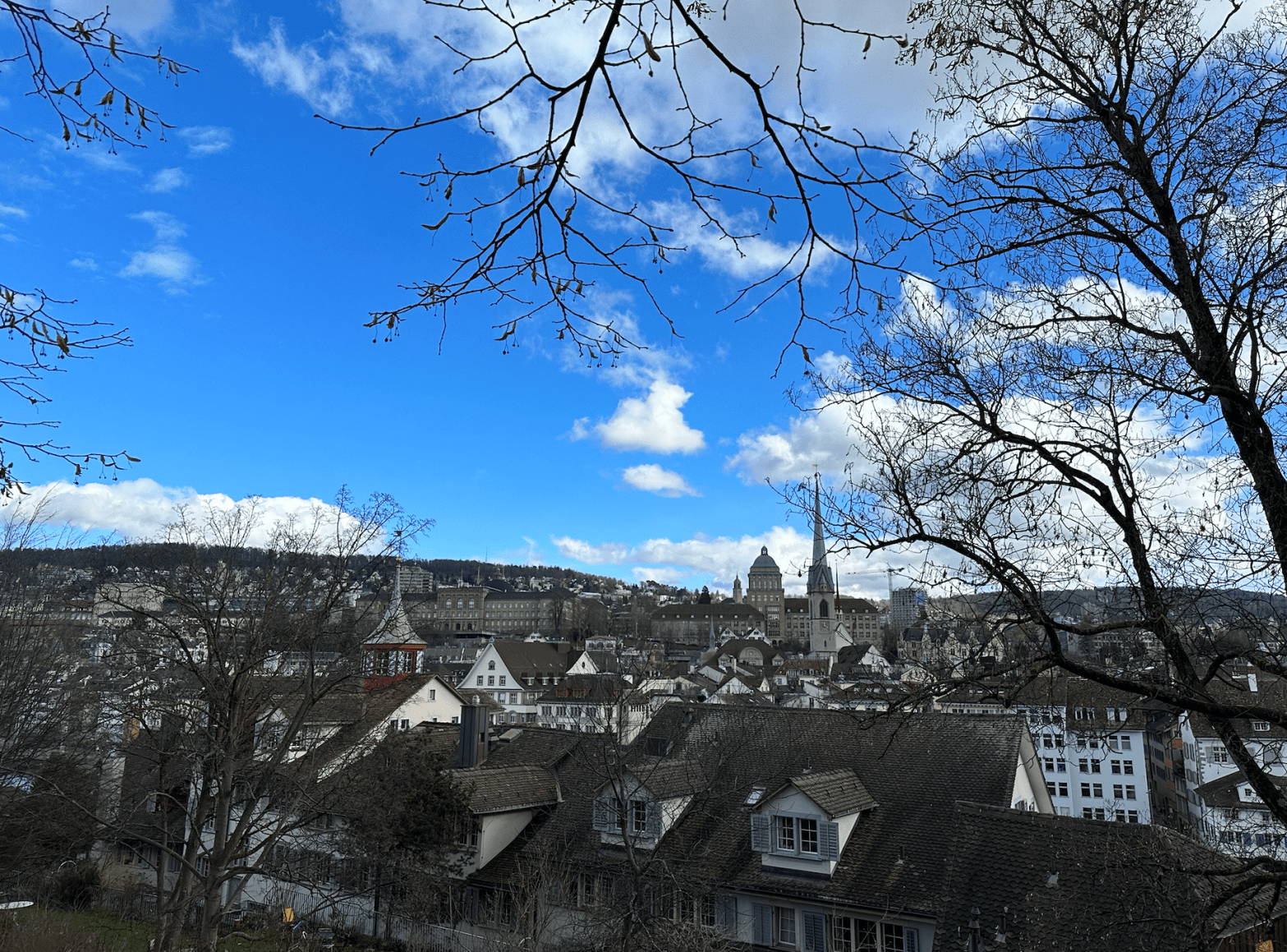
Zurich, Switzerland

At the end of February there is a FIBA break, so basketball players can leave their clubs and go play for their national teams if necessary. We took advantage of the break, knowing it’s Brev’s last time off this season, by spending the weekend in Zurich, Switzerland.

We were surprised to say that this was probably one of our favorite trips. Yes, Zurich was a cool city to visit, but even more than that, everything just went well and worked out smoothly. It was the perfect mix of fun, sightseeing, and having some really great meals!

On our walking tour we learned that:

  • While people still associate Switzerland with chocolate, cheese fondue, watches, and banking, this is an outdated image. Cutting edge healthcare is their largest industry, followed by technology with lots of their university graduates ending up at Google or Meta.
  • There are three national Swiss languages: German, Italian, and French. This means that every government document, speech, etc. must be translated into all three and they spend a lot of money each year doing so. Swiss German is very different than the German spoke in Germany, so Swiss and German people may not even understand each other. For this reason, English is quickly becoming the fourth language of the country because everyone is learning it.
  • Many Swiss people couldn’t tell you who their president is because there is a new President every single year in Switzerland.
  • The Swiss are very proud of their free, clean drinking water. There were more than 85 drinking fountains around Zurich. Our tour guide joked to “drink up,” because water is the only free thing in Switzerland (since it is very expensive).
  • Like we found while living in Denmark (or visiting other Scandinavian countries), Switzerland is expensive due to its high quality of living. Their healthcare, education, and social services, etc. are top notch so people are taxed heavily to pay for these things. Because it’s a mountainous country, agriculture is limited, and they must import many foods and goods (which are also heavily taxed).
  • Zurich was ranked the world’s fourth-most expensive city to live in a few years ago, and it was estimated the total cost of living there is 80% more expensive than in Brussels. Interesting!

Port Wine

Porto, Portugal, is renowned for its production of Port wine – fun fact: A wine can only be called a “Port wine” if it’s produced in Portugal’s northern Douro Valley. Typically, the grapes are grown and harvested in the Douro Valley, and then come to Porto to be aged and bottled.

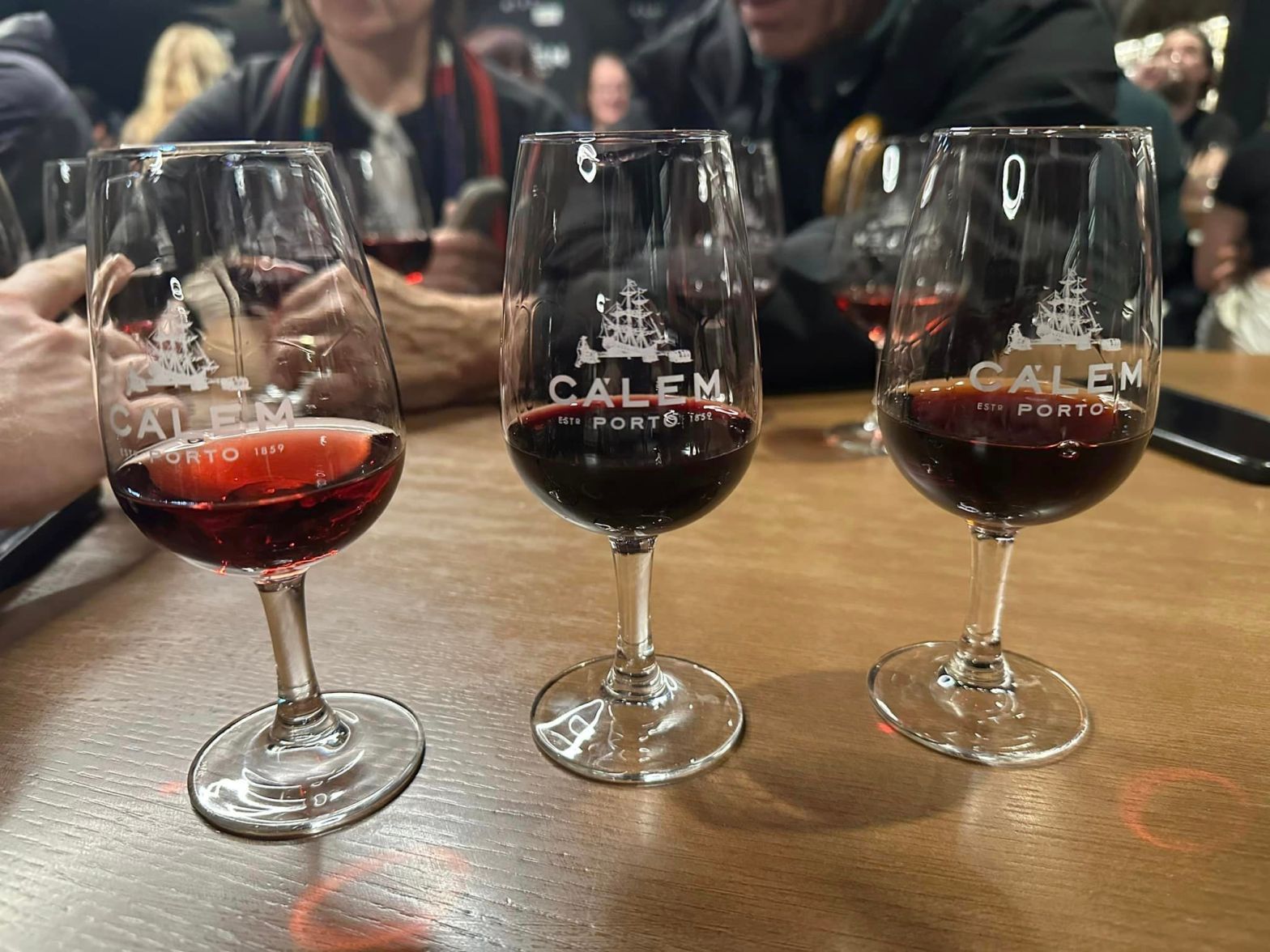
We did a wine tour and tasting at Cálem in Porto to learn about the production process, history, and the different varieties of Port.

Types of Port Wine:

There are several types of Port wine, each with unique characteristics and flavors that depend on its grades and aging process. These include Tawny Port, Ruby Port, Vintage Port, Late Bottled Vintage (LBV) Port, White Port, and more. My favorite was the younger Ruby Port, which is sweet and fruity, and Brev liked the older, nuttier Tawny Port. 

Port Wine Cellars in Vila Nova de Gaia:

Vila Nova de Gaia is directly across the river from Porto and is home to numerous Port wine cellars, or “caves.” Here many renowned Port wine producers have cellars in this area, where the wine undergoes aging and maturation in barrels. This is where we did the wine tasting at Cálem and had a lot of fun.

Porto

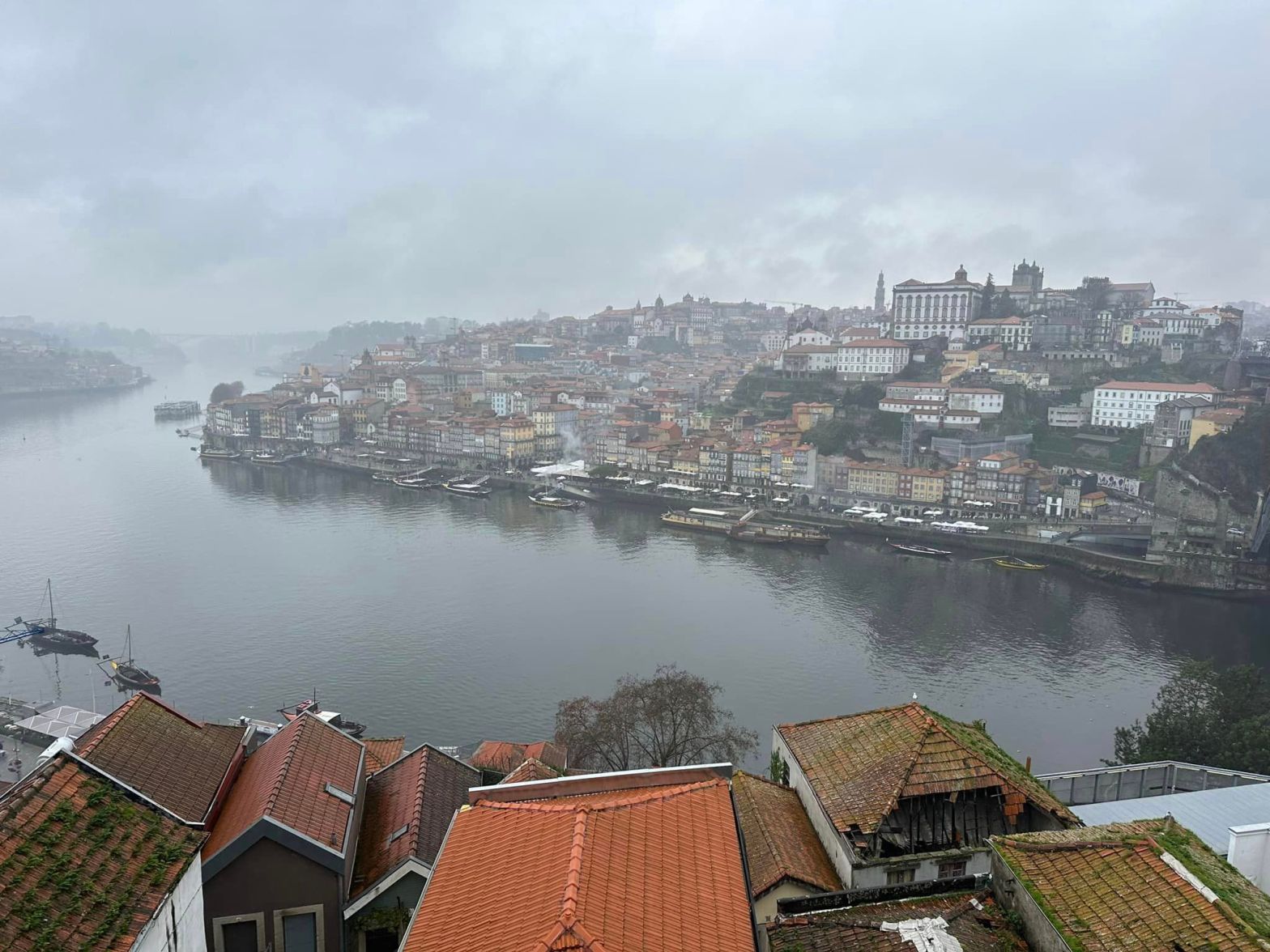
After Lisbon, we took a three-hour train to Porto, Portugal. 

None of us had been to Porto before and we all agreed that it was probably the highlight of our trip! In general, Portugal’s hills, colorful, and tiled neighborhoods are so charming and really make it feel like you’re somewhere else (in comparison to a large European capital city that could be anywhere). 

My Porto recommendations are below: 

Food and Drink

  • A Dispensa (restaurant) 
  • Flow (restaurant)
  • Base Bar

Things to do

  • Port wine tasting (we went to Calem) 
  • Livraria Lello (library that inspired Hogwarts $5 entry)
  • Take 6 bridges river cruise
  • Take the Gaia cable car for city views 
  • Watch Sunset at Jardim do Morro

Alfama Neighborhood

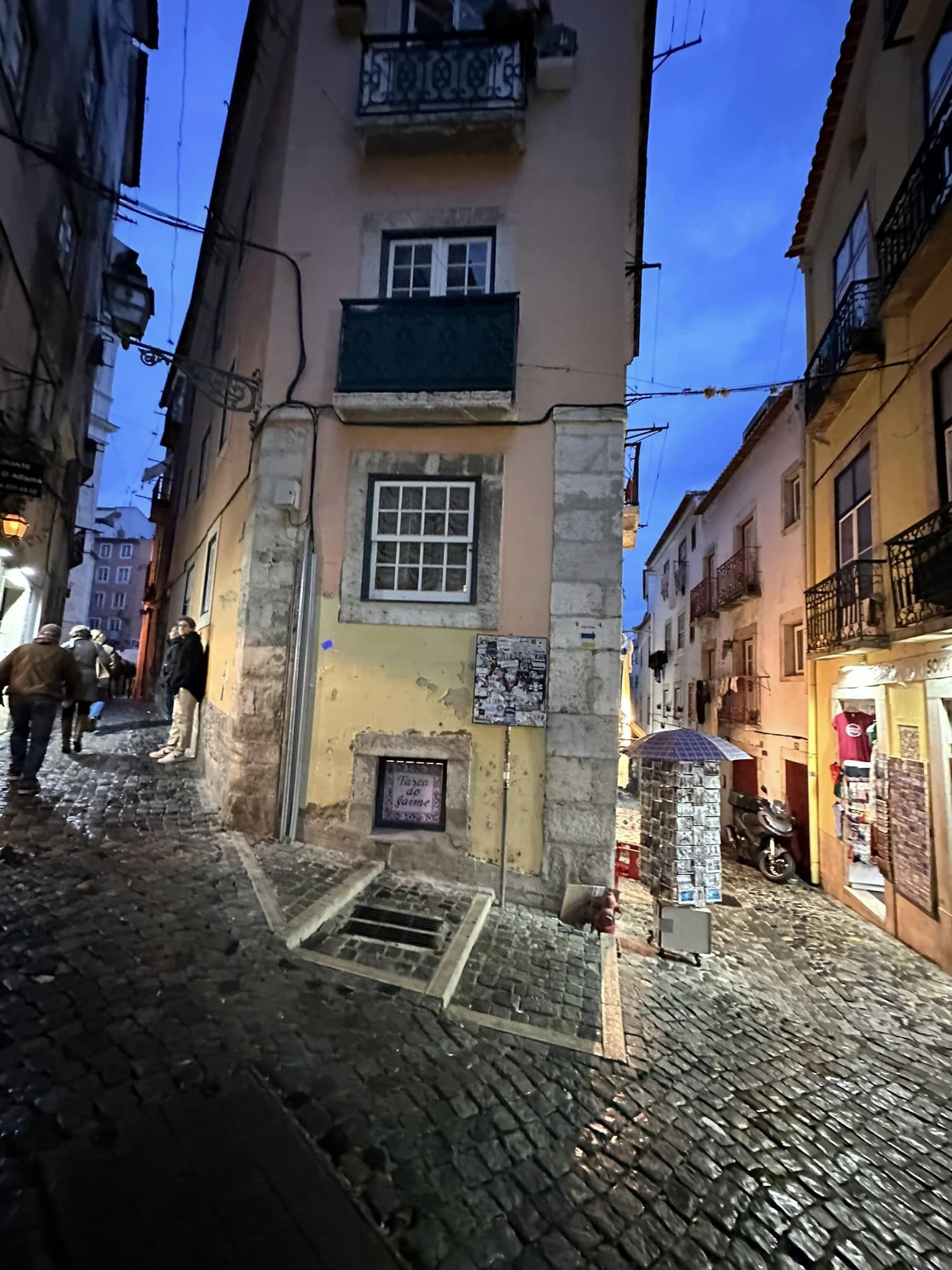
Alfama is one of the oldest and most picturesque neighborhoods in Lisbon. Most known for its narrow winding streets, historic architecture, and vibrant atmosphere. 

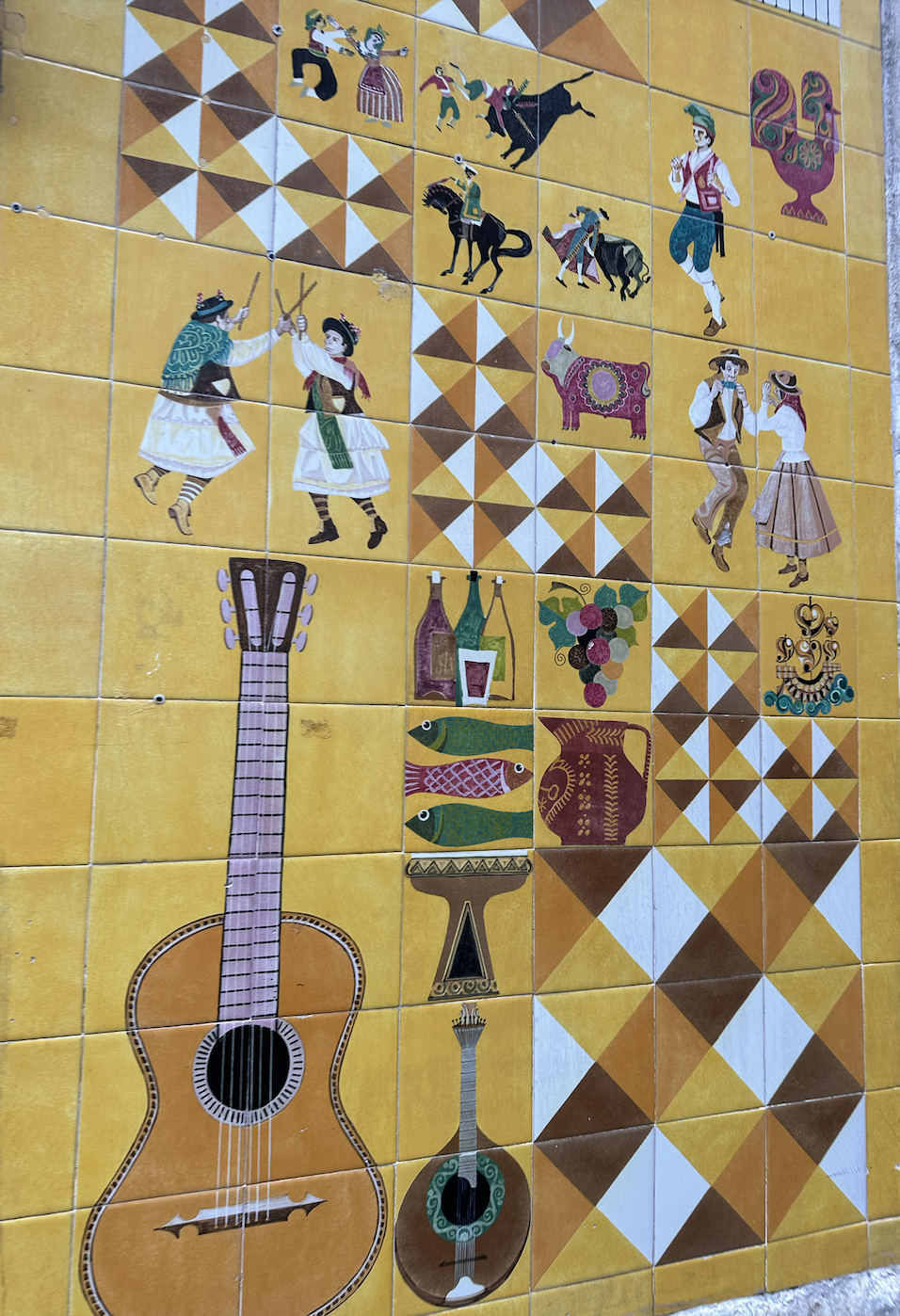
Alfama has a rich history dating back to the Moorish (Muslim) rule of Lisbon. You can still see a lot of the neighborhood’s medieval charm, narrow cobblestone streets, colorful houses adorned with tiles (azulejos), and traditional Fado houses. The buildings in this neighborhood often feature intricate wrought-iron balconies and laundry hanging from windows. Many of the people living in Alfama are now elderly and have been there their entire lives. 

Alfama comes alive during the popular Saint Anthony’s Feast (Festas de Santo António) in early June, when the town hall selects 16 couples for all expense-paid weddings. These couples are married on June 13th and their weddings are televised and followed throughout Portugal. The streets of Alfama are adorned with colorful decorations and there is a parade, food, and dancing. 

Fado Music

Fado is an emotional and soulful genre of music that originated in Portugal in the early 19th century. It holds a special place in Lisbon’s cultural identity.

The word “Fado” itself is derived from the Latin word “fatum,” meaning fate or destiny. It’s characterized by mournful tunes and heartfelt lyrics, typically accompanied by the Portuguese guitar (guitarra portuguesa) and classical guitar. The lyrics often revolve around themes of love, loss, nostalgia, and the struggles of daily life.

There are many Fado houses in Lisbon, also known as “Casas de Fado,” where tourists can get an authentic Fado experience. Lisbon even hosts Fado festivals throughout the year, to celebrate the genre and its continued relevance in contemporary Portuguese culture.

Alcohol and Lisbon

Lisbon is known for its Vino Verde, or Green Wine. 

Contrary to its name, “green” refers to the wine’s youthfulness rather than its color. These wines are known for being crisp, light, and fresh.

Another key element of Lisbon’s drinking culture is the prominence of traditional neighborhood bars, known as “tascas.” These cozy establishments often serve local (green) wines, spirits, and Portuguese beers. Because these bars are so small it’s common for people to grab a drink and then bring it outside. On weekend nights you’ll find the narrow streets in the Bairro Alto district full of people drinking, mingling, and hanging out outside the bars. 

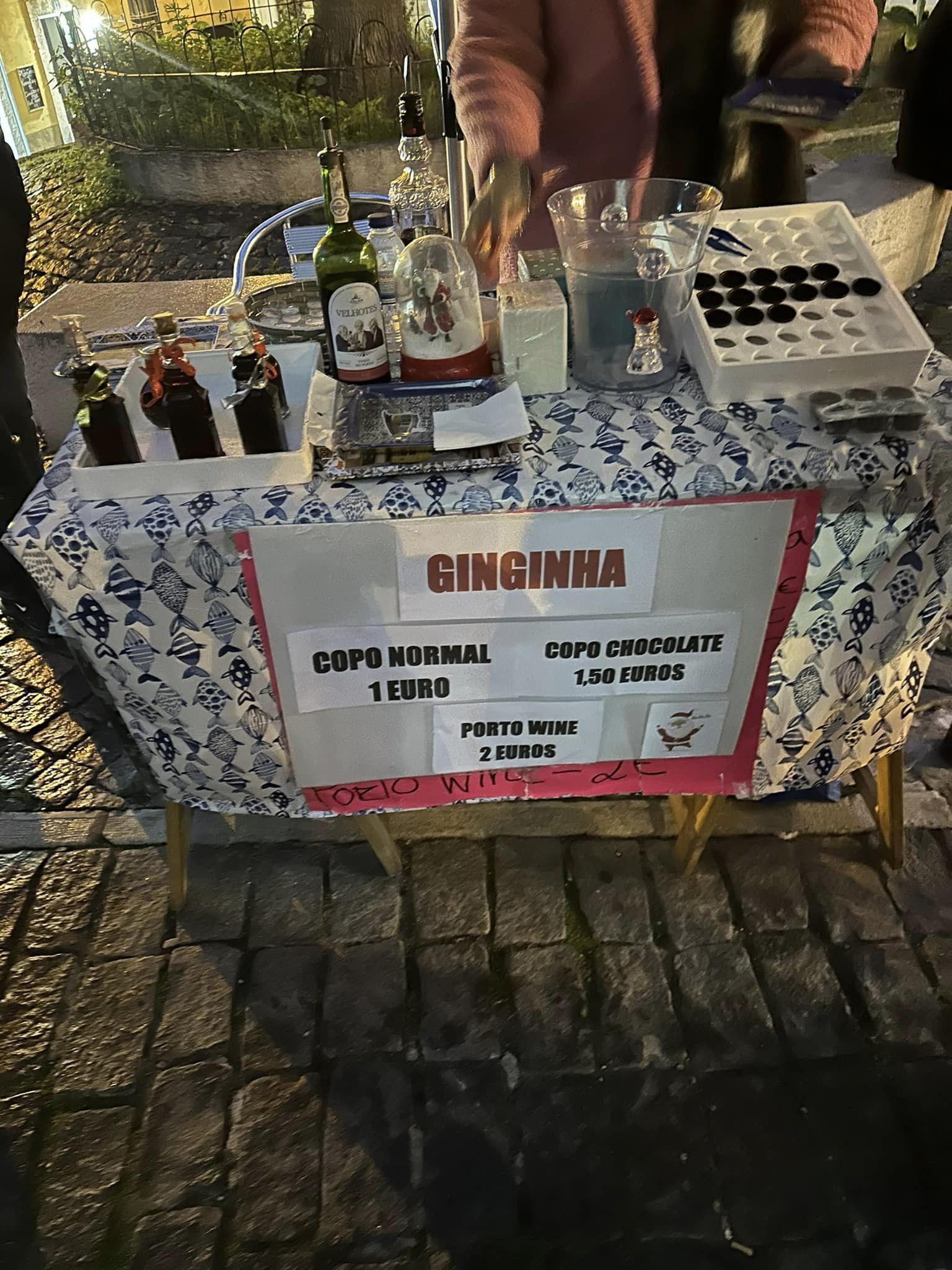
Ginjinha, a Portuguese cherry liqueur, is another popular and iconic traditional Lisbon drink. My mom and I were served ginjinha in chocolate shot glasses and it was delicious! Locals often enjoy it as a digestive or aperitif.

Back to Lisbon

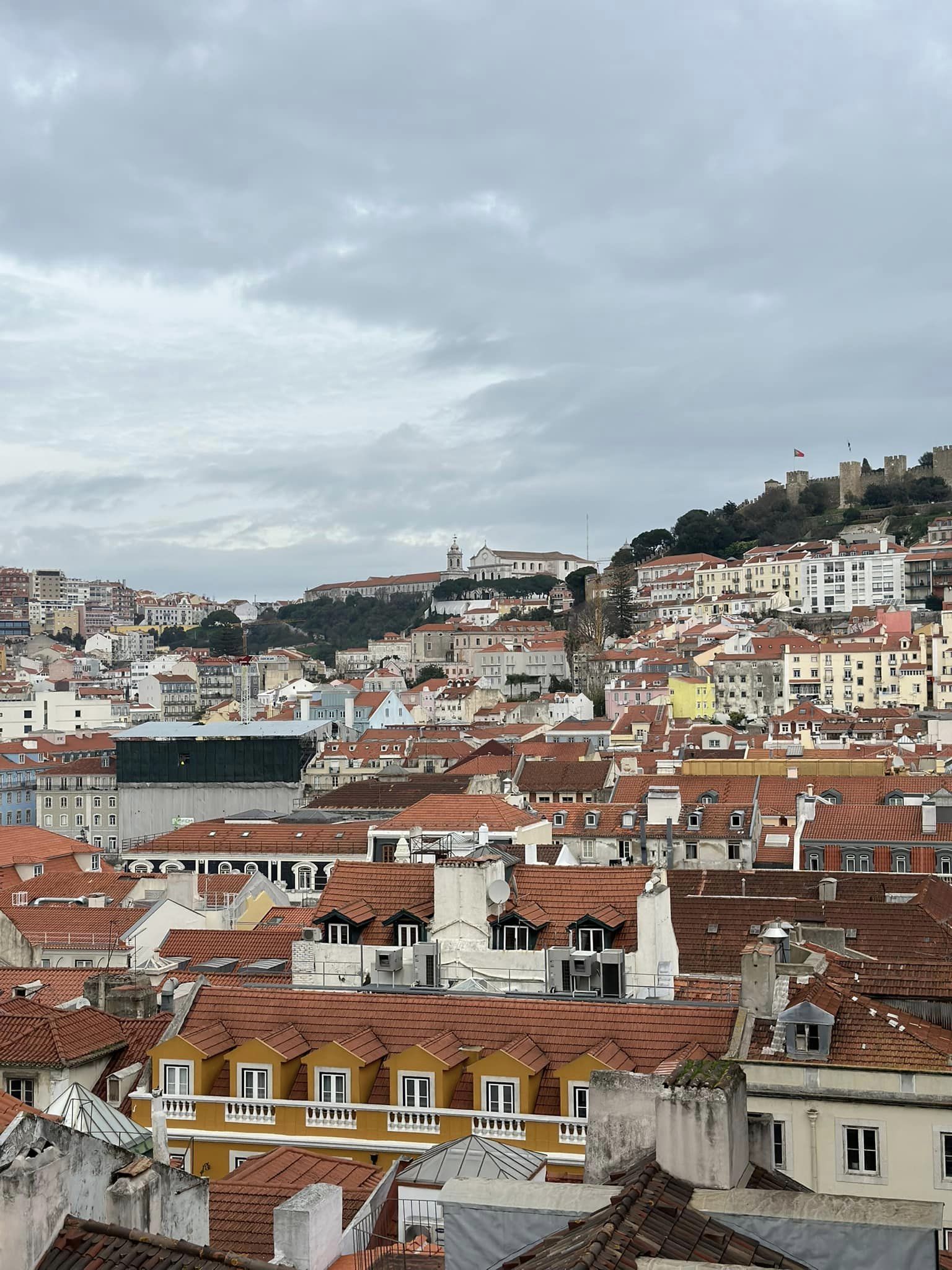
After Madrid, we flew to Lisbon, Portugal. This part of the trip was nostalgic to me, because Lisbon was the first European city I visited during my college spring break trip in 2018. I had such a great time in Lisbon, and it really opened my eyes to European travel and got me excited about the possibility of Brev playing abroad in the future. 

I’m happy to report that visiting Lisbon 5 years later did not disappoint. 

Some recommendations below: 

Restaurants

  • Rocco
  • Valdo Gatti 

Place to Stay

  • Bairro Alto/Chiado (great nightlife) 
  • Baixa (central neighborhood) 

Things to do

  • Ride the 28 tram around the city
  • Visit Alfama neighborhood 
Design a site like this with WordPress.com
Get started