Weekend in Milan, Italy

In December I visited my friend, Amelia, in Milan, Italy.

Milan is in Italy’s northern region and is home to the national stock exchange. It’s the wealthiest city in Italy and a global capital of fashion and design.

Amelia was a wonderful tour guide, and showed me all highlights of the city, including:

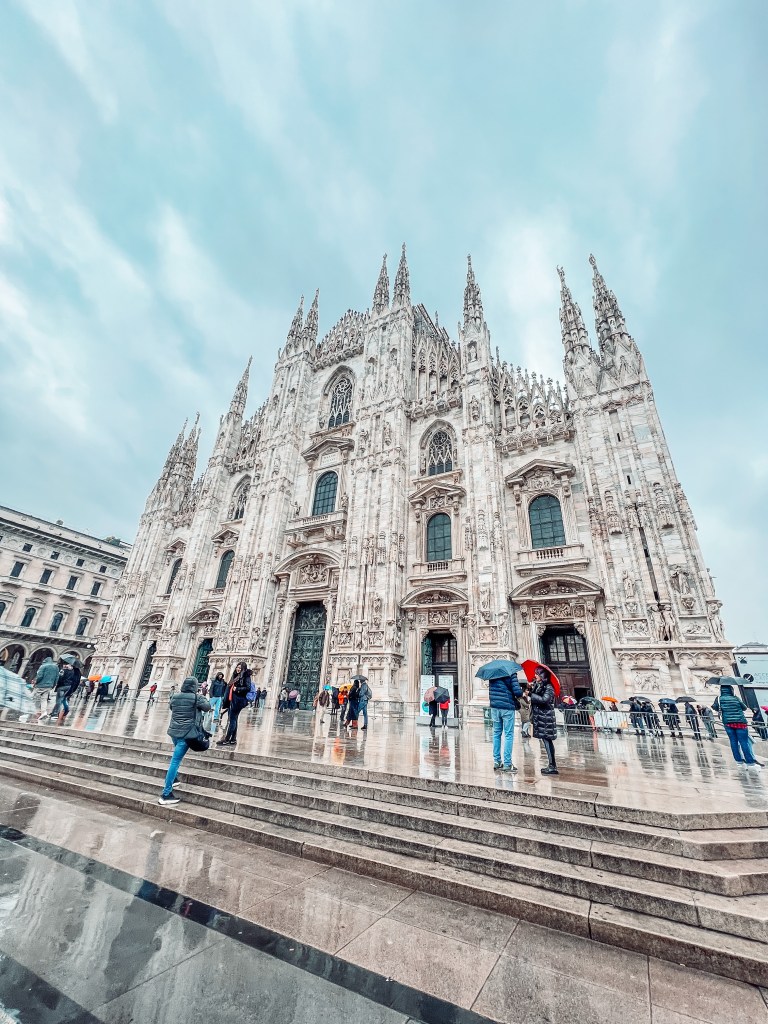
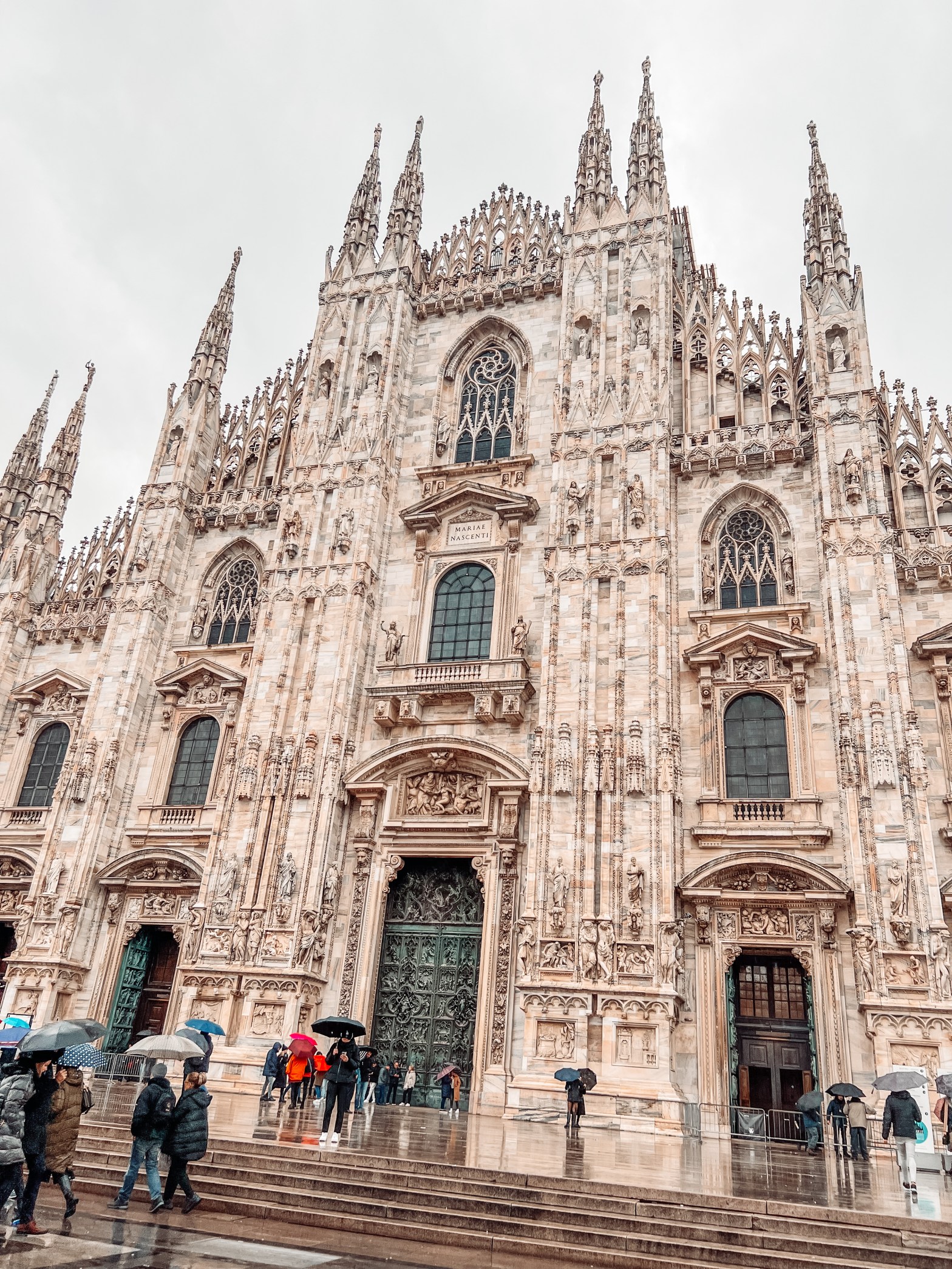
  1. The Duomo: a Gothic cathedral that began construction in 1386. There are more statues (3,400 statues) on the Duomo than on any other building in the world.
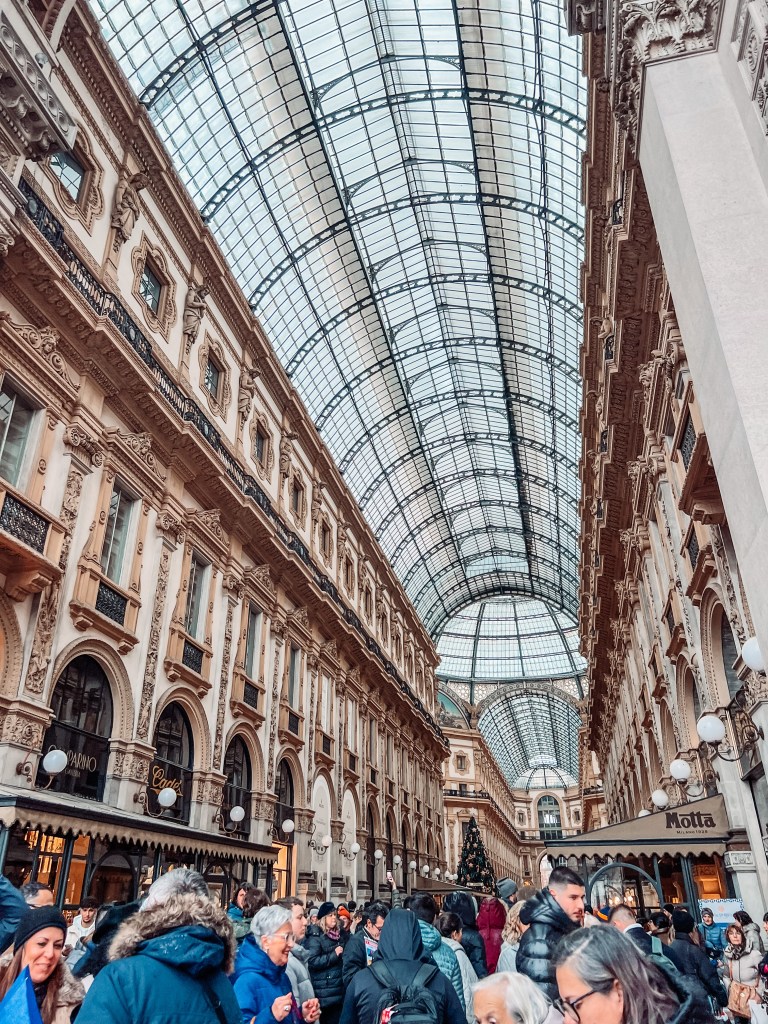
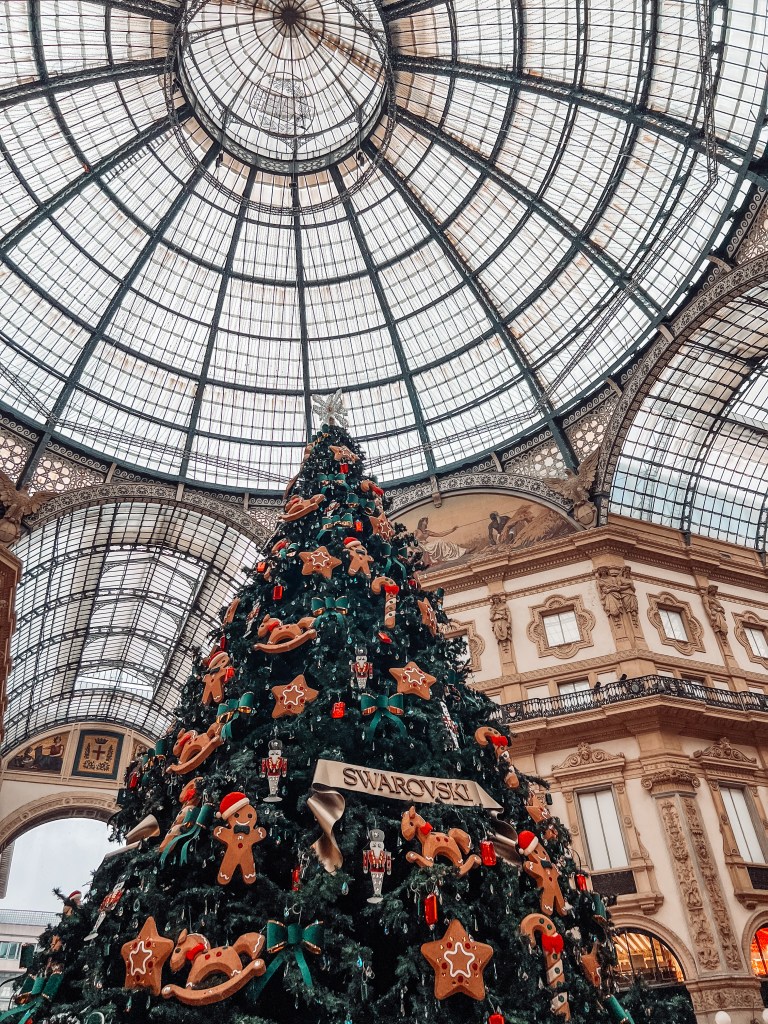
  2. The Galleria Vittorio Emanuele II: Italy’s oldest active shopping gallery and home to many restaurants and high-end designer boutiques (think Prada, Gucci, etc.).
  3. Castello Sforzesco:  a 15th-century fortification built on the ruins of a previous medieval fortress, commissioned by the Duke of Milan (Francesco Sforza).
  4. Porta Sempione: the city gate of Milan and a triumphal arch dating back to the 19th century, although its origins can be traced back to a gate from Roman times.
  5. Parco Sempione: Milan’s version of Central Park.
  6. Basilica di Sant’Ambrogio: one of the oldest churches in Milan, it’s shaped like a Roman basilica and is a great example of Lombard Romanesque architecture (think round arches, massive stone and brickwork, small windows, thick walls, etc.)
  7. Naviglio Grande: scenic and historical canals lined with bars and restaurants.
  8. Christmas Markets: there were two Christmas markets around the city that we were able to go to, all selling holiday decor, desserts, and other food and gifts. It was very festive!

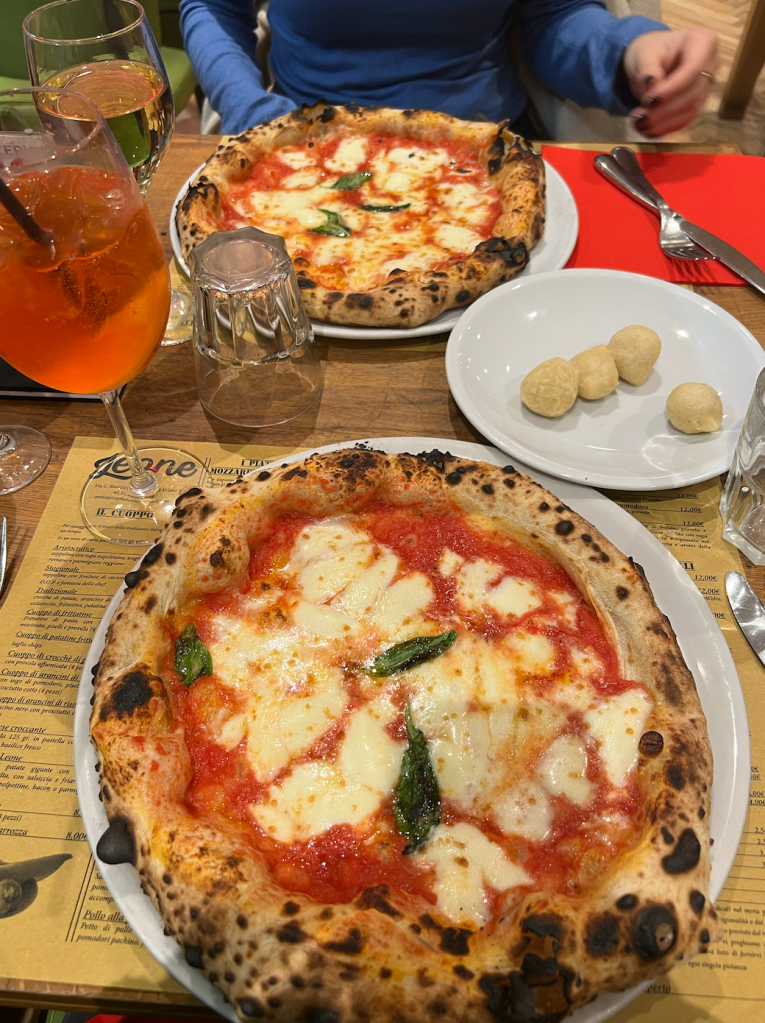
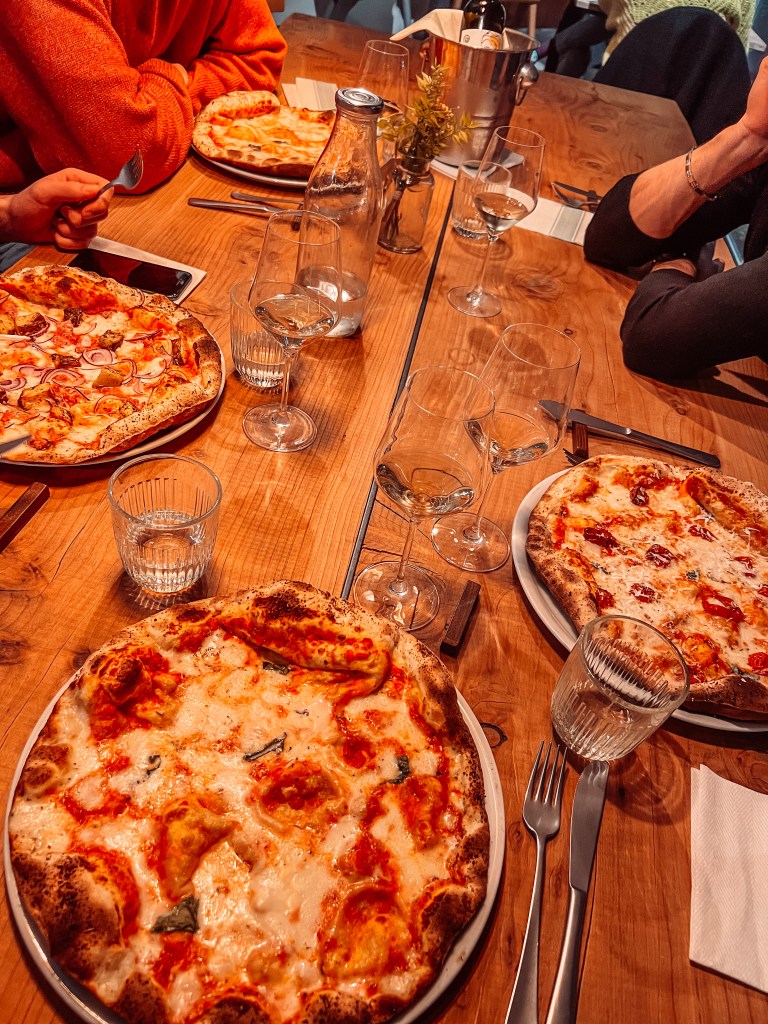
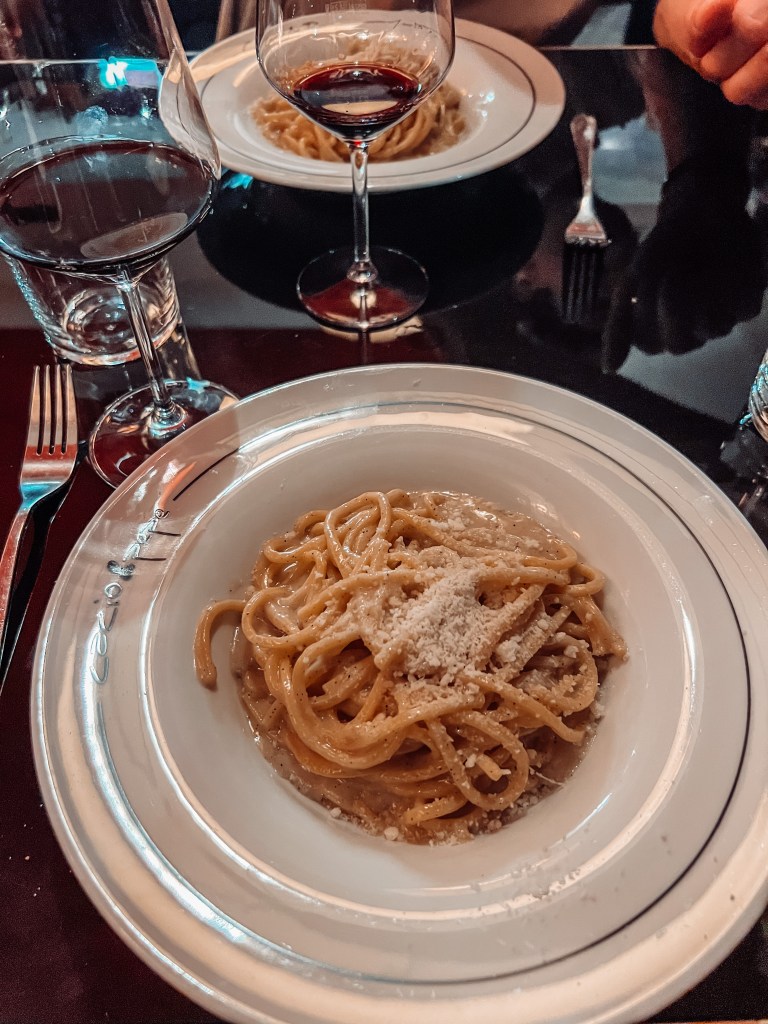
Also, not surprising since I love pizza and pasta, but every meal we had in Milan was incredible. I could eat Margherita pizza, cacio e pepe and panzerotto every day!

If you find yourself in Milan, I’d recommend eating at:

  1. Cacio&Pepe (Viale Gian Galeazzo, 3) for great pasta.
  2. Antica Pizzeria Leone (Via Carlo Ravizza, 9) for delicious and traditional pizza. They also provide so many free “extras” (prosecco, fried dough appetizers, a small dessert and limoncello).
  3. Luini (multiple locations around the city) for panzerotti which is a savory turnover, like a calzone.
Grocery Shopping: Snacks🍿

In November my parents visited us and my mom wanted to make a cameo on the blog! This is her last one. Her blog post is below:
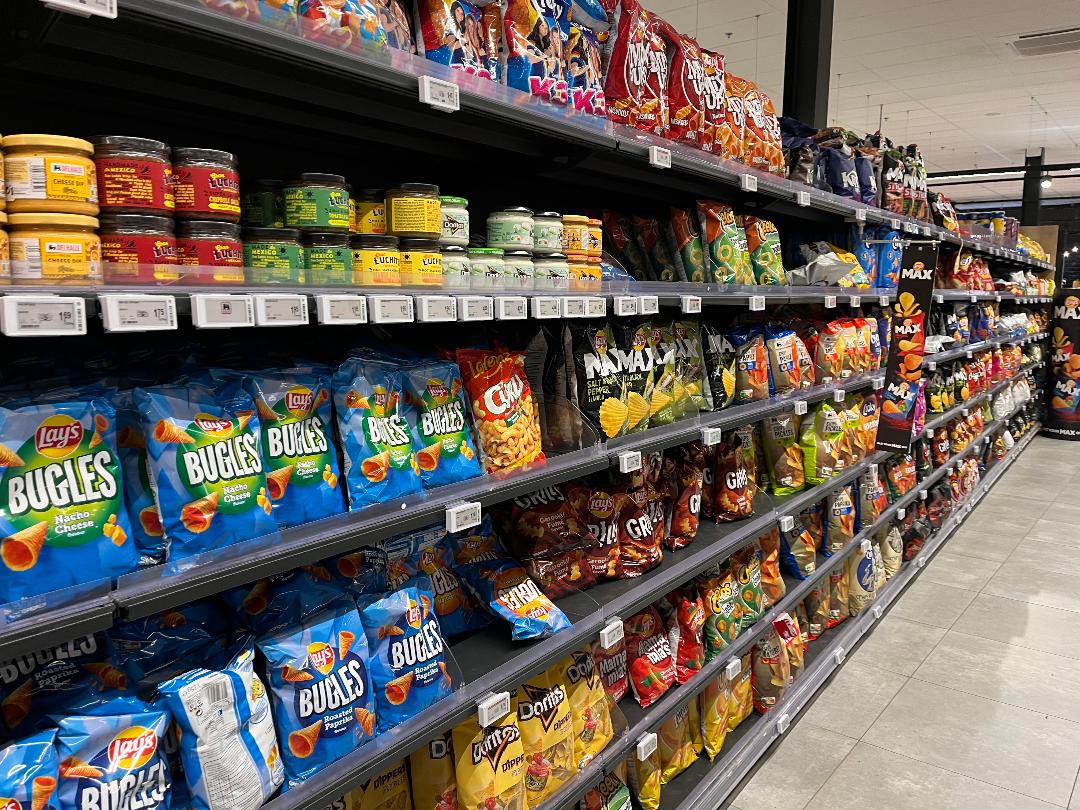
Where are the Lay’s Sour Cream and Onion Potato Chips? The local grocery stores in Belgium are smaller than grocery stores in the U.S. and so are the carts. There are fewer products and way fewer brands of each product they carry.

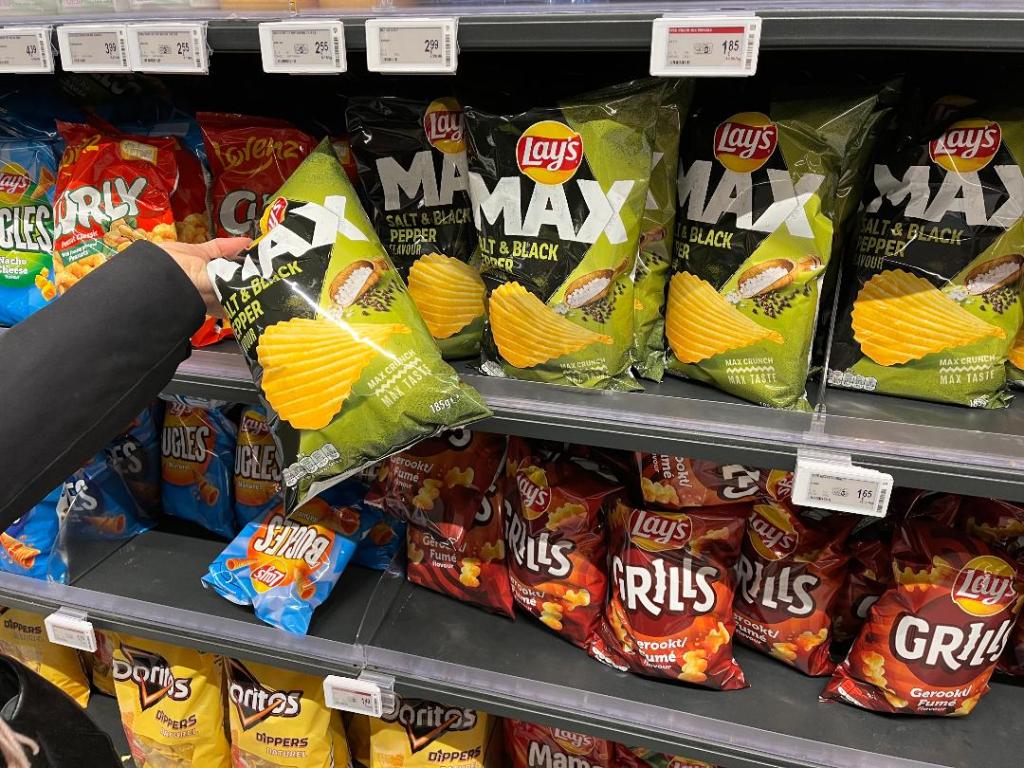
One of us recently had a craving for potato chips. The above picture is actually very deceiving, the entire snack aisle was about 20′ long and one sided. Woodman’s snack aisle is mind-boggling by comparison. In Belgium the big sellers seem to be plain, pickle and paprika flavored chips. The bags are around 185 kg (6.5 ounces). There isn’t really a “family size” bag. Prices range from 1,49 euro ($1.50) to 2,99 euro ($3.09). Also, they devote way too much precious shelf space to Bugles. Bugles? When is the last time you ate a Bugle?

Don’t be deceived into thinking these Belgians are completely healthy eaters though. Frites (french fry) vendors are everywhere. The fries are thicker than we like and they prefer to dip them in mayonnaise not ketchup. Also, Belgians eat waffles with whip cream, chocolate and other toppings as a snack not as a breakfast food. There are a lot of street vendors and people stand around and eat them.

Finally, Belgians like their beer. Wisconsinites and Belgians have a lot in common when it comes to beer consumption. (See Joelle’s earlier November blog post about beer for more info.)

Paris 🥐🖼️🇫🇷

In November my parents and I spent a few days in Paris.

Paris is the capital of France and is a hub of art, fashion, and culture. It’s called the “City of Light” (La Ville Lumière), both because it was one of the first European cities to use gas street lighting on a grand scale and because of its role during the Age of Enlightenment.

Paris is HUGE. There is so much history and a lot to see and do, and I think we made a good dent seeing a lot of the main attractions:

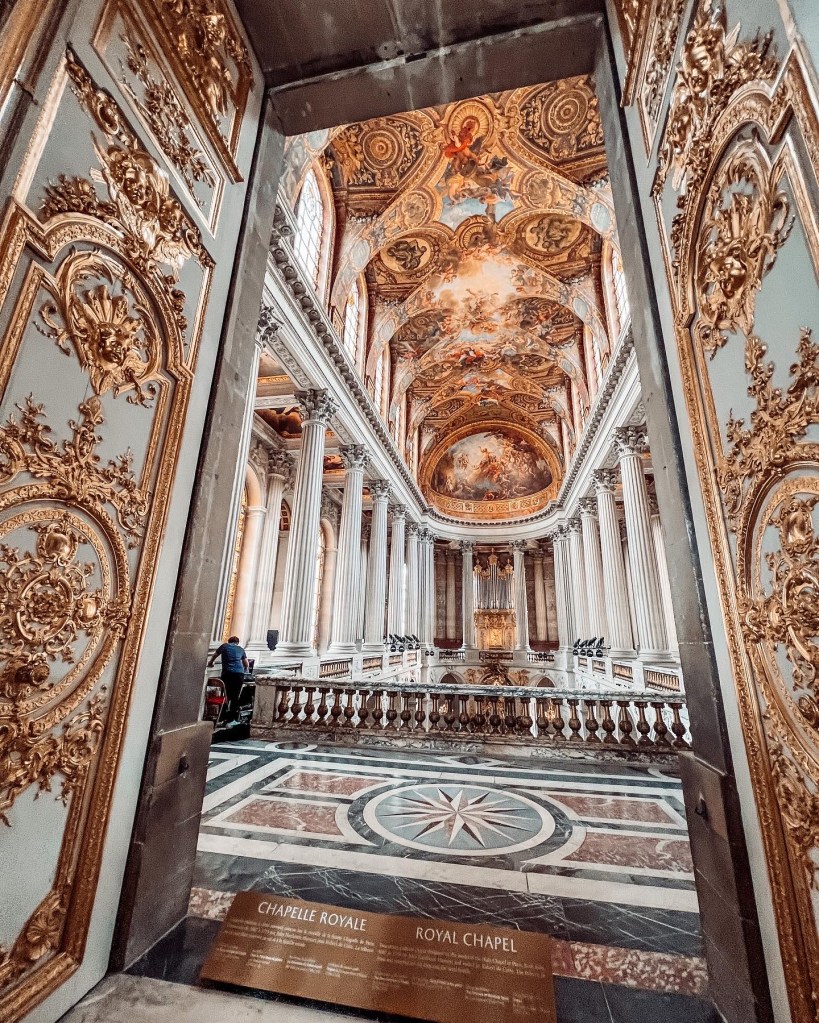
The Palace of Versailles: a World Heritage Site and one of the greatest achievements in French 17th century art. It is an absolutely massive palace containing 2,300 rooms and built on 30,000 acres of gardens and hunting grounds. Louis XIV (the Sun King) brought the Court and government to Versailles in 1682. Then a succession of kings continued to embellish the Palace up until the French Revolution. Today, it is a massive estate, and the palace and garden can be toured. The amount of wealth and opulence is insane.
The Louvre: the world’s most-visited museum and home to Leonardo da Vinci’s Mona Lisa (which was tiny and underwhelming in person)!

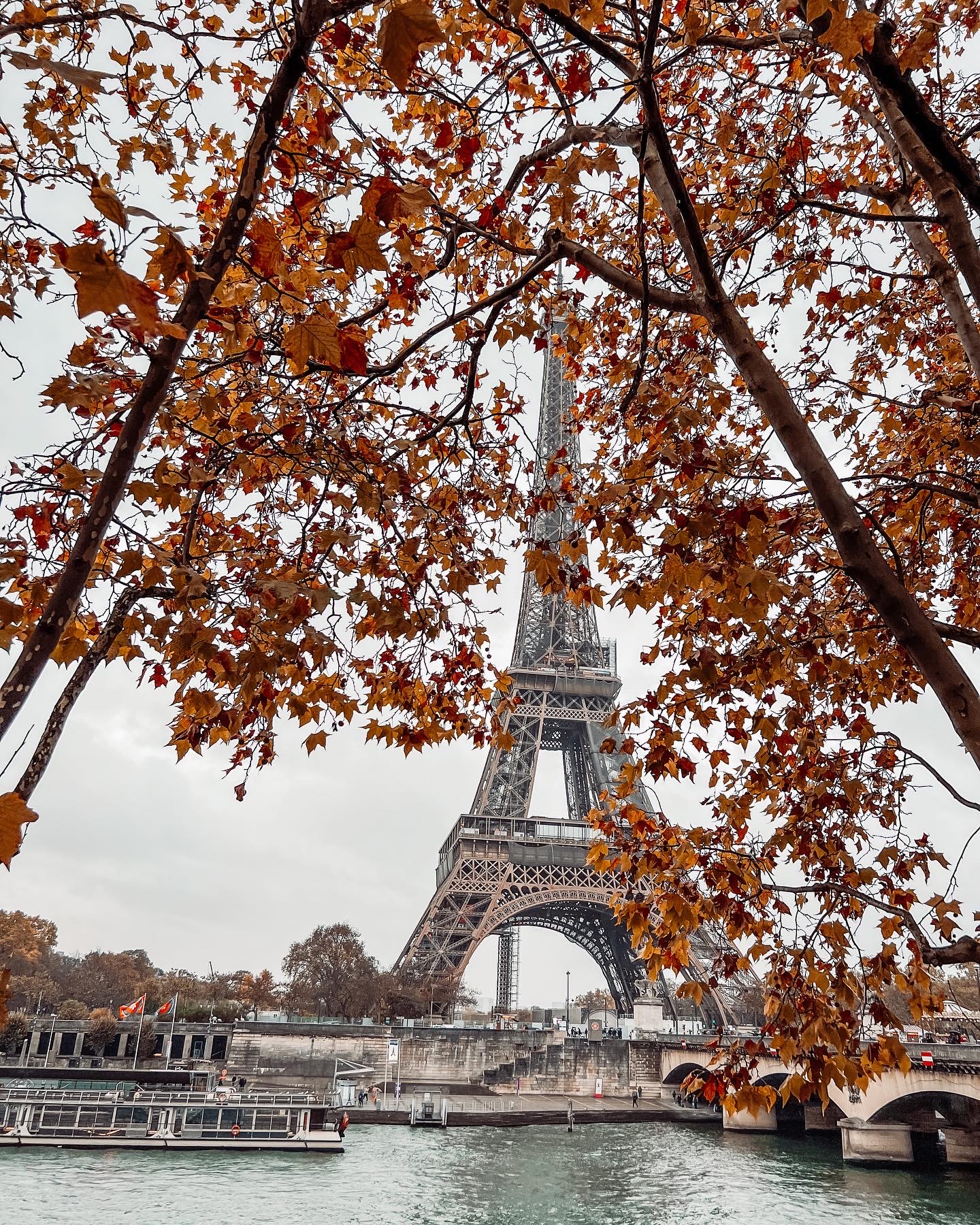
The Eiffel Tower: I know everyone is familiar with this one, but did you know the tower was constructed from 1887 to 1889 as the centerpiece of the 1889 World’s Fair and to commemorate the 100th year anniversary of the French Revolution?

Champs-Élysées: is a street, called the “world’s most beautiful avenue,” that runs from one historic monument (Arc de Triomphe) to the other (Place de la Concorde/Tuilerie Gardens of the Louvre). It’s full of stores, restaurants, theaters, cinemas, etc. It is also where many events, like the New Year’s celebration and the Tour de France finish line, take place.
Place de la Concorde: a square surrounded by prestigious hotels that contains fountains and statues, it was originally known for having been an execution site during the French Revolution. Louis XVI and Marie-Antoinette (among others) were guillotined here.
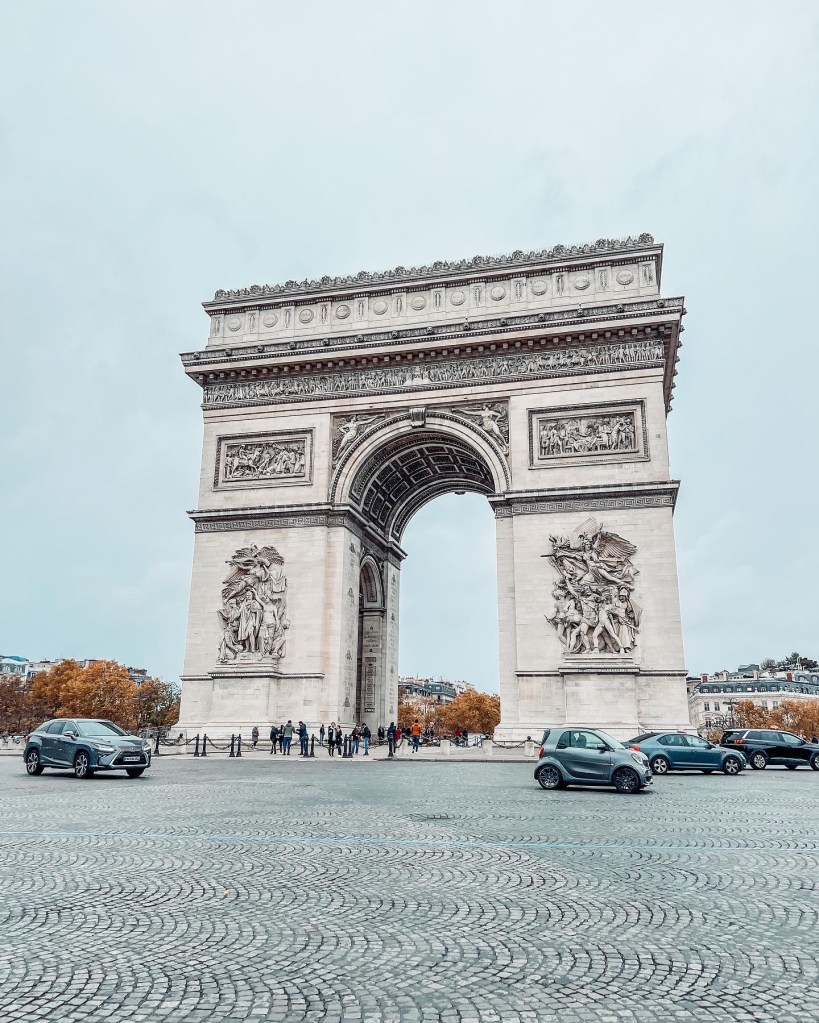
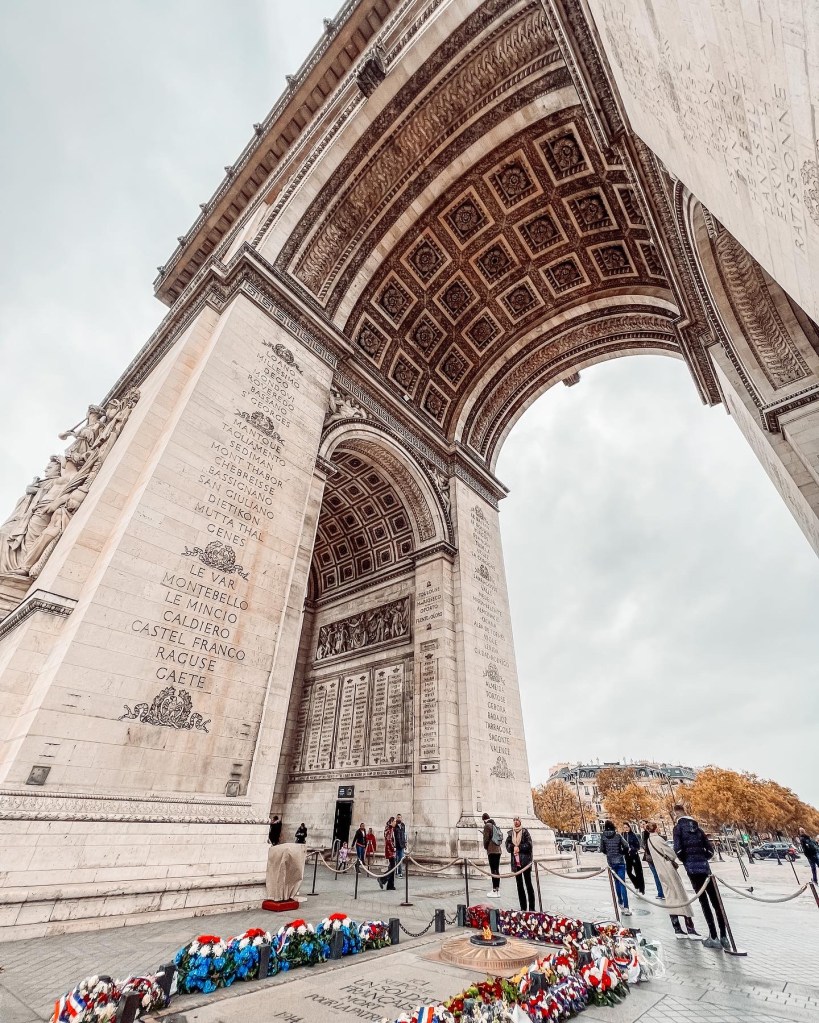
Arc de Triomphe: Wanted by Napoleon in 1806 and inaugurated in 1836 by the King, the arch is dedicated to the armies of the Revolution and the Empire. Every evening, the flame is lit on the tomb of the Unknown Soldier from the Great War. 

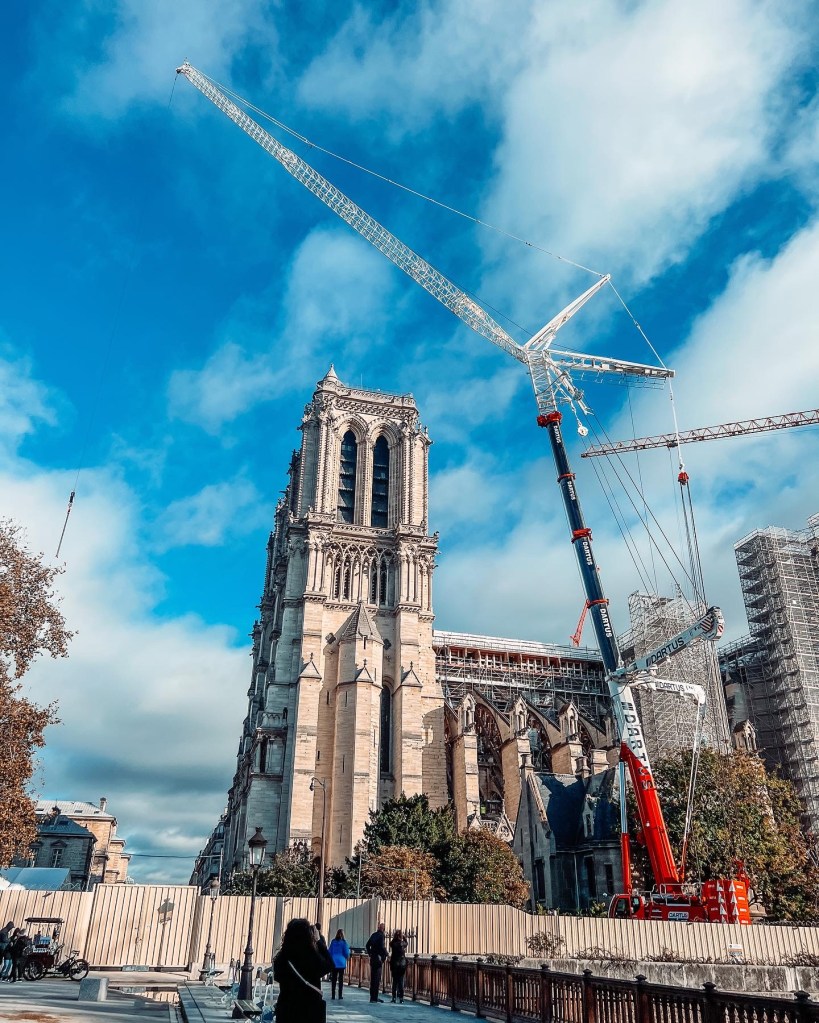
Cathédrale Notre-Dame de Paris: a medieval Catholic cathedral dedicated to the Virgin Mary and a wonderful example of French Gothic architecture. It is being rebuilt from the fire that took place in April 2019.

Jardin des Tuileries: a large public garden near the Louvre. 


Musee D Orsay: the national museum of fine and applied arts that houses the largest collection of Impressionist and post-Impressionist masterpieces in the world (like Monet, Manet, Degas, Renoir, etc.). We also had a wonderful French lunch here in the grand dining room.

Amsterdam🚲🌈🧀

In November my parents and I spent the weekend in Amsterdam.

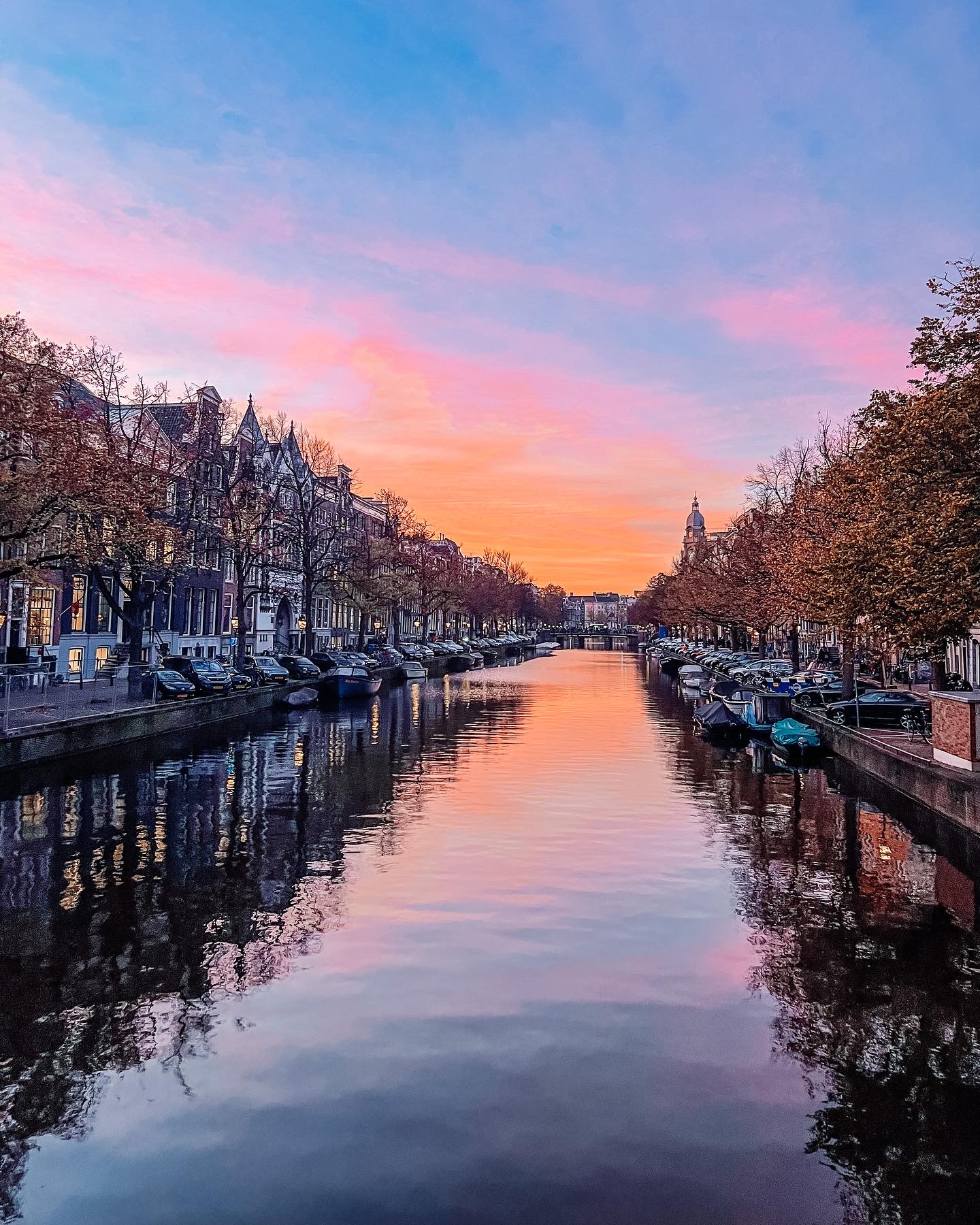
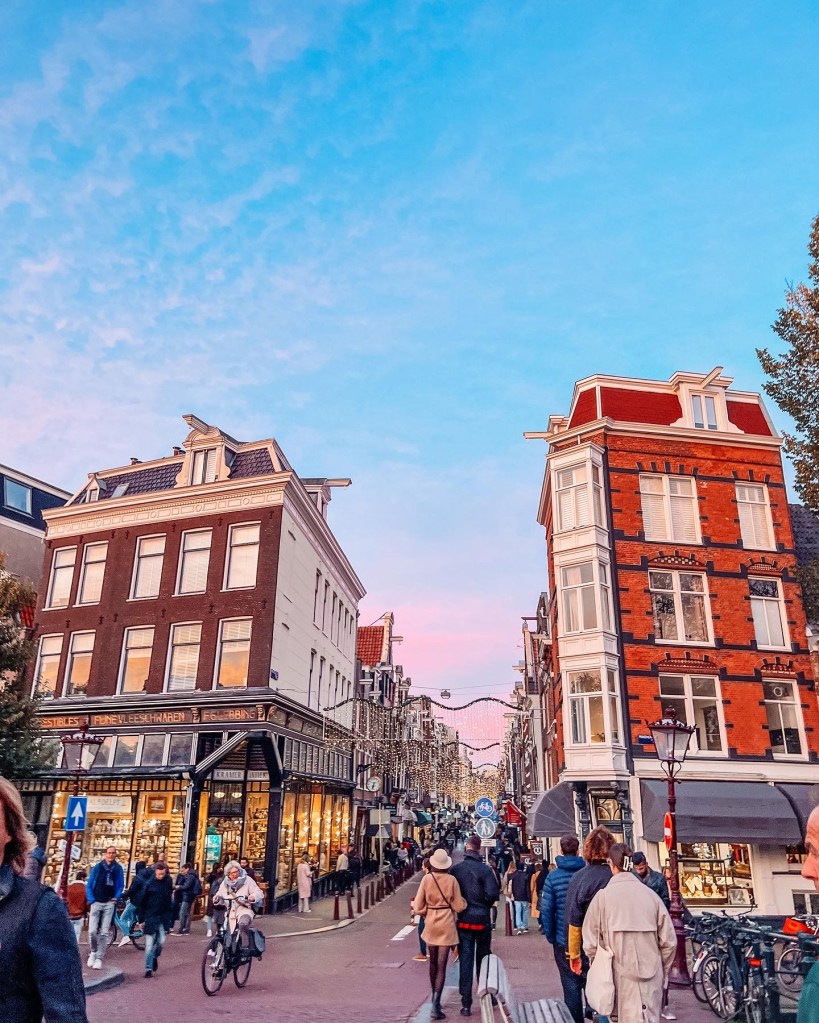
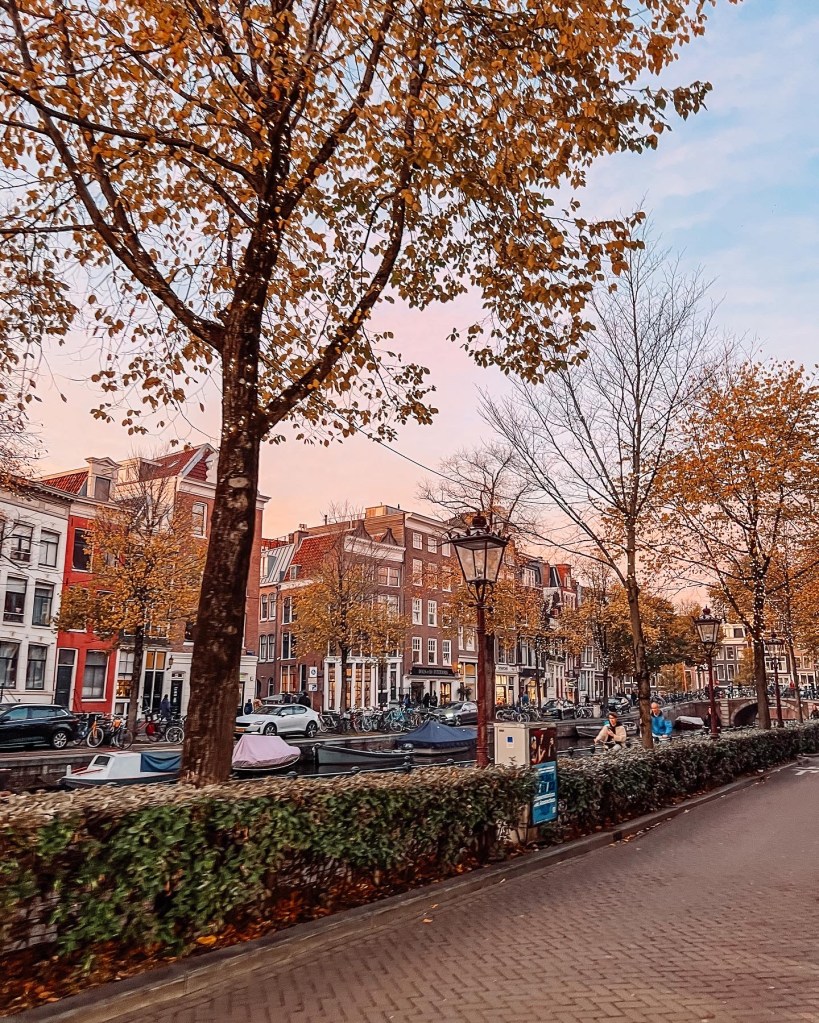
Amsterdam is the capital of the Netherlands and is known for its canals, cheese, bridges, bicycles, and its slanted, gabled houses. The city prides itself on its liberal and tolerant attitude, and this applies to its thriving LGBTQ+ community, soft drugs, and prostitution.

We were able to pack a lot into a few days, and we checked out the following:

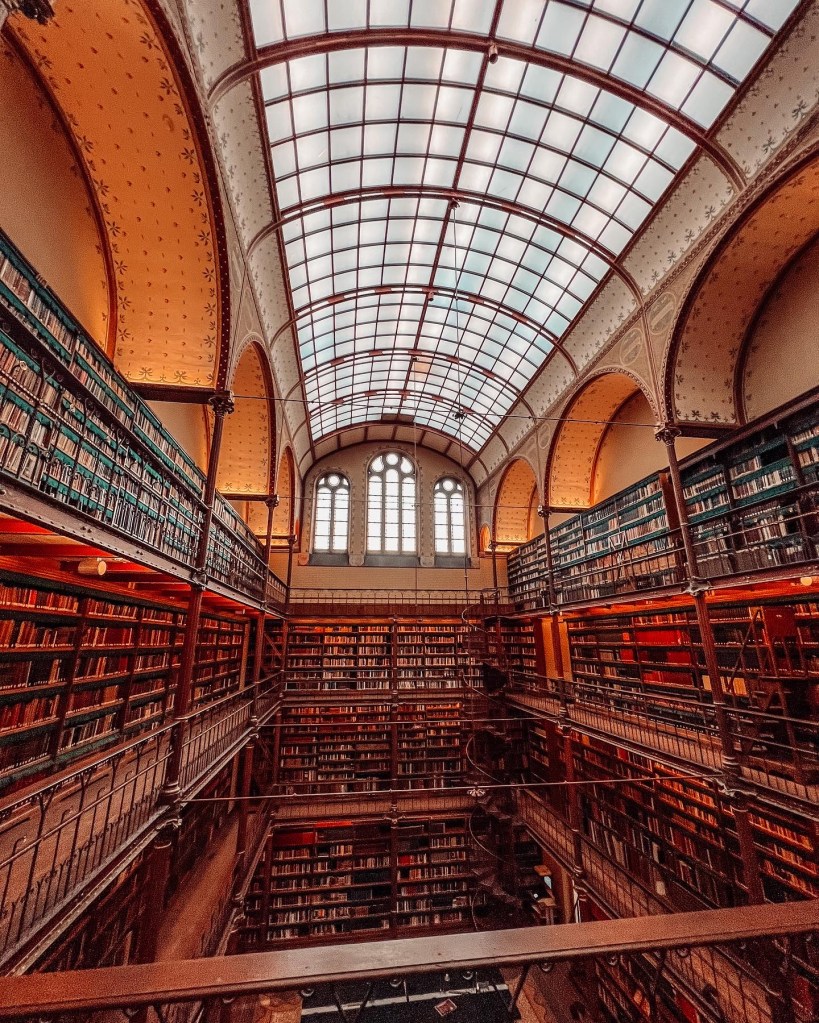
Rijksmuseum: the national museum of the Netherlands. Home to Rembrandt’s largest and most iconic piece, “The Night Watch,” as well as Vermeer’s “The Milkmaid.” Both representations of Dutch Baroque art style, which played with light and shadow and portrayed its figures in action as opposed to posed/static.

Red Light District: a touristy area full of brothels, sex shops and sex workers.

Albert Cuyp Market: a popular street market that originated in 1905 and is popular among locals and tourists alike.

Anne Frank House: the actual house where Anne Frank and her family went into hiding during World War II, now turned into a museum full of her diaries. The modern museum surrounds the actual house and contains her diaries.

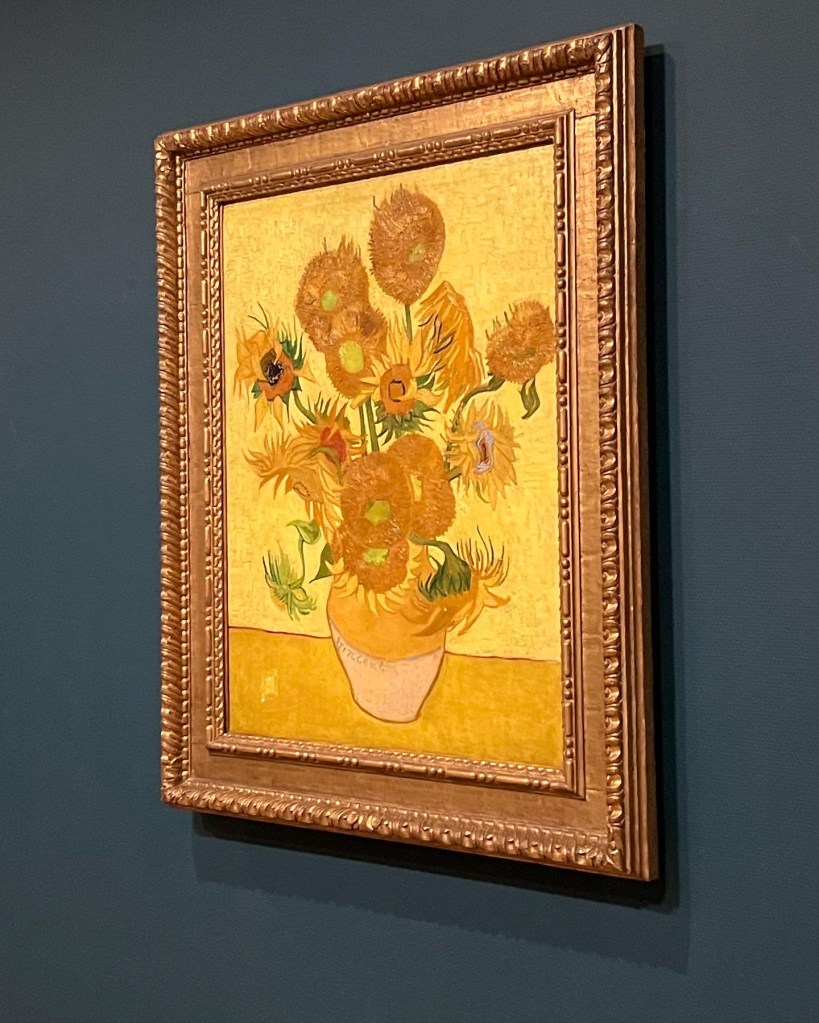
Van Gogh Museum: a Dutch art museum dedicated to the Dutch Post-Impressionist works of Vincent van Gogh and his contemporaries (like Gauguin and Monet) in the Museum.

Canal Tour: it was awesome to see a different perspective of Amsterdam from the water.

Coffee Shops: Interestingly, here “coffee shops” sell marijuana and cafes sell coffee.

Also, beware as bicycles have the right of way in Amsterdam. There are many bikes and they are moving fast!

Merry Christmas (Market)

Merry Christmas!

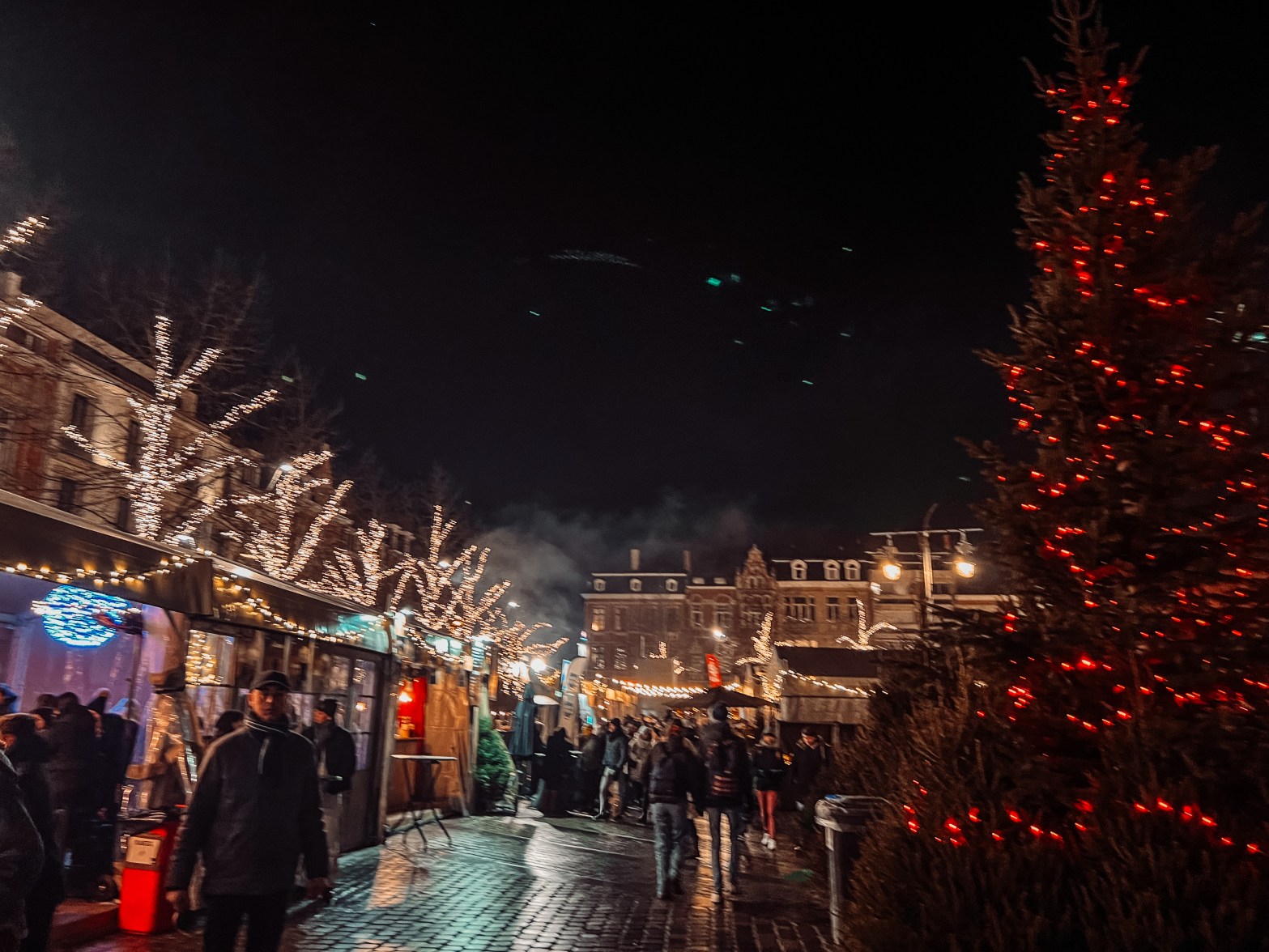
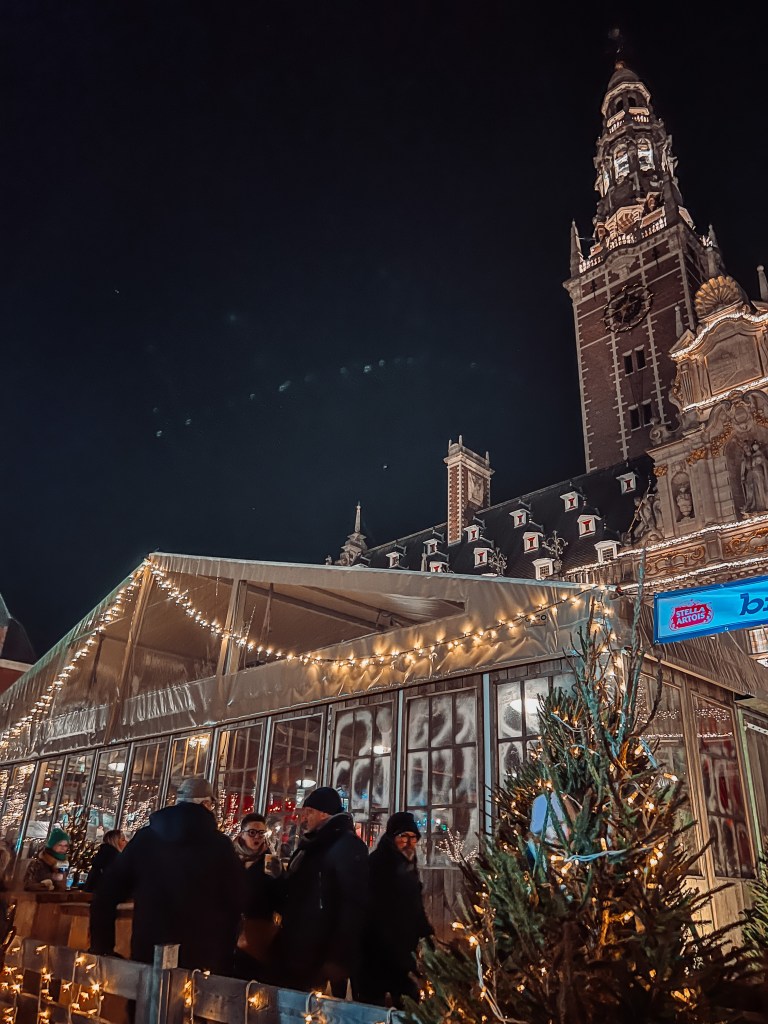
Below are a couple photos of the Leuven Christmas Market. This market is one of the oldest in Belgium and has been deemed the “coziest market in Europe.”

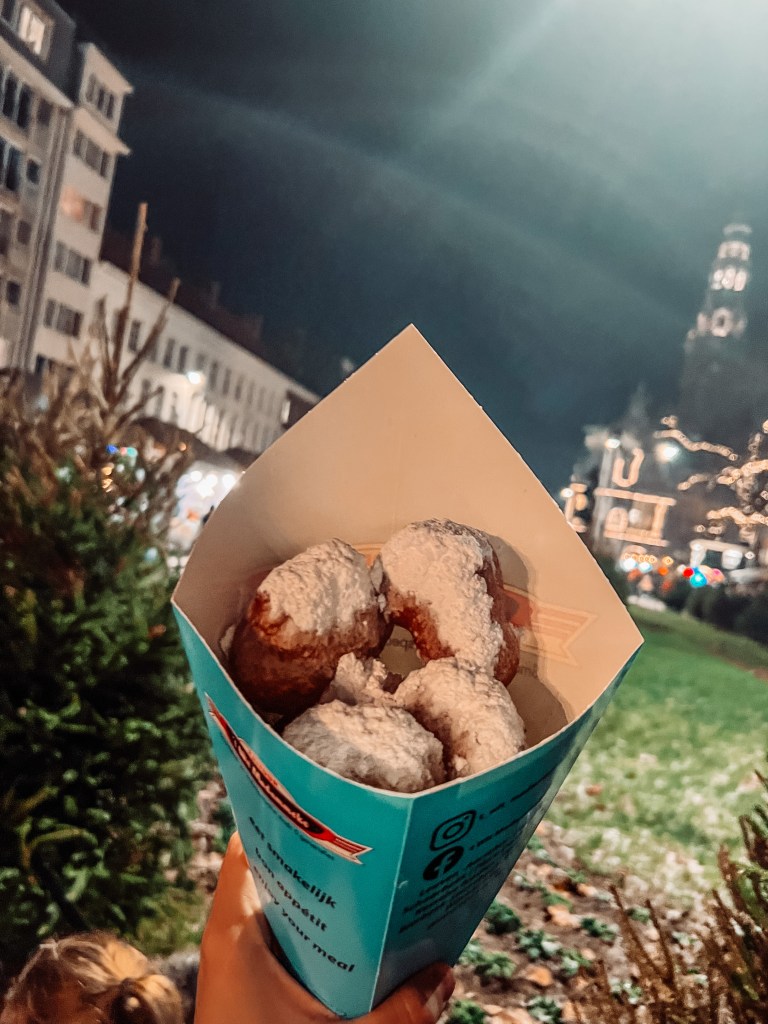
It was incredibly charming and we enjoyed hot chocolate and smoutebollen (fried dough balls doused in powdered sugar), live holiday music and numerous shops selling all sorts of holiday goods and treats.

World Cup 2022

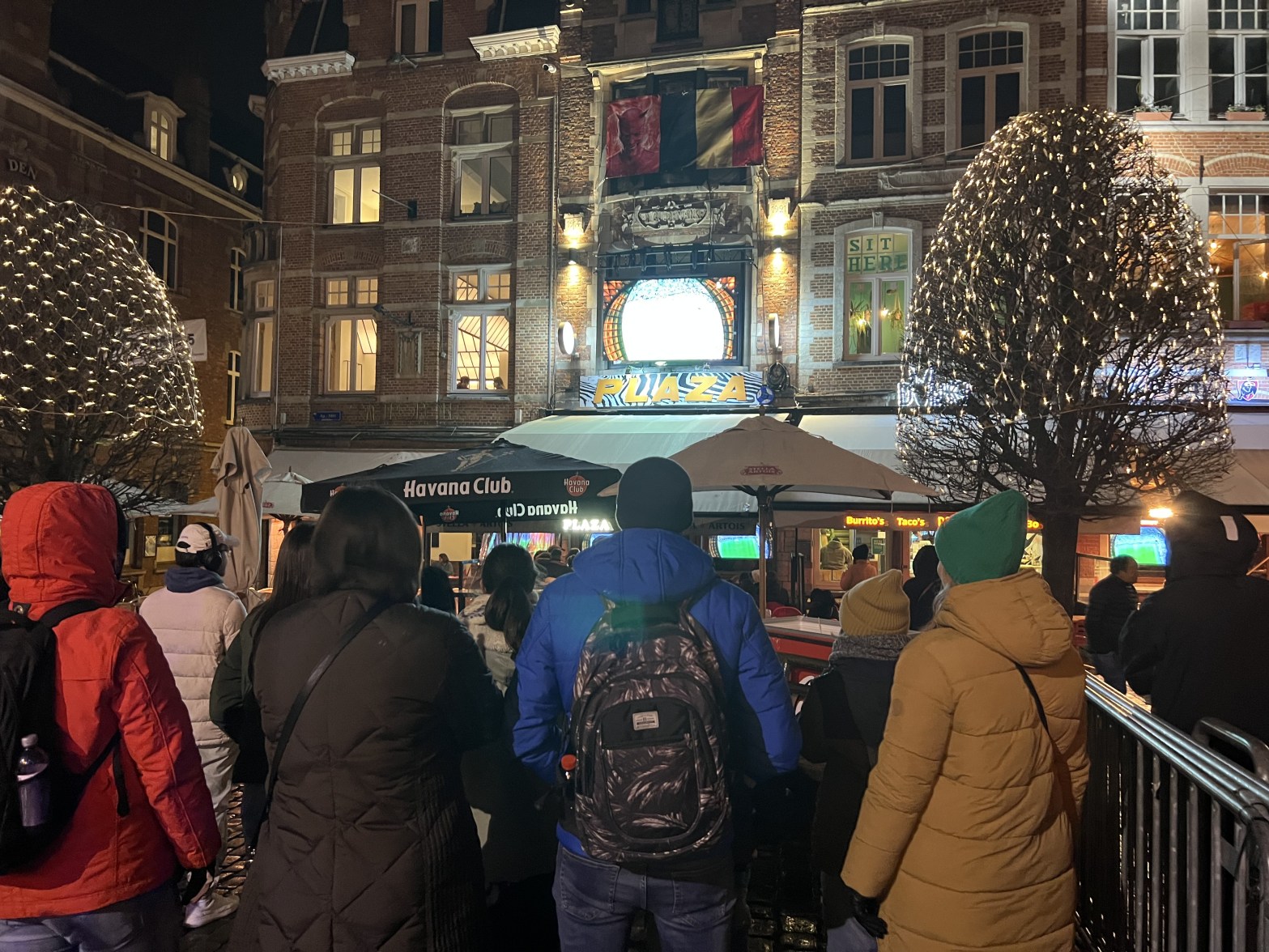
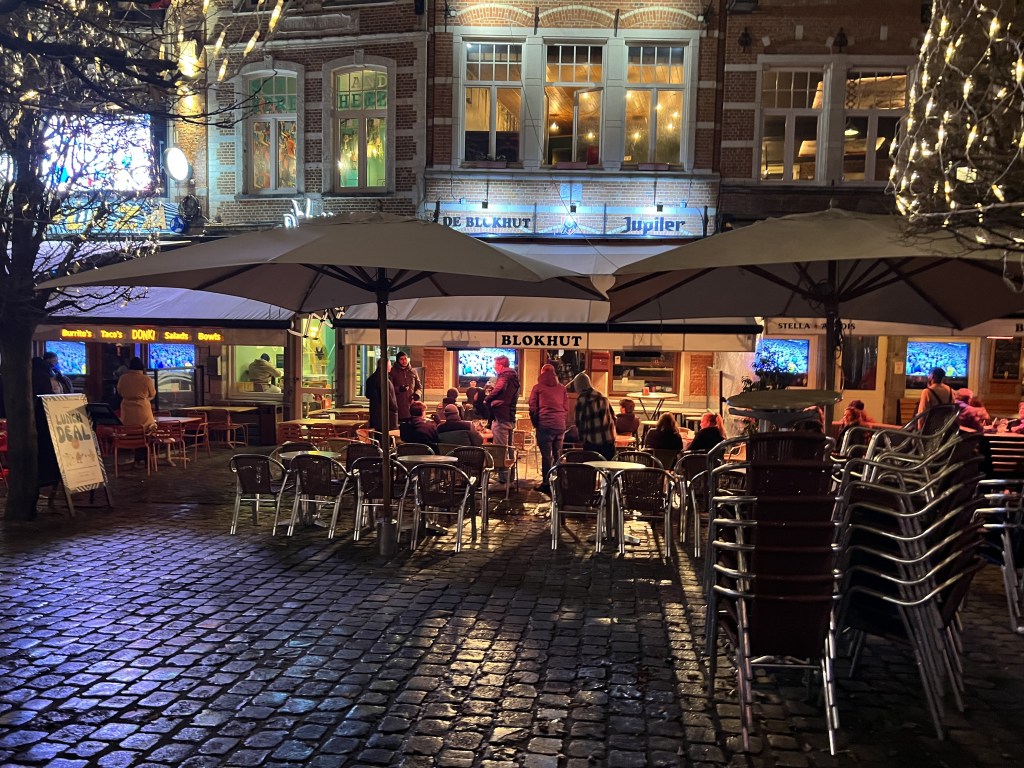
We watched the World Cup final at the longest bar in Europe, also called the “Oude Markt” in Leuven.

The Oude Markt is a small square right in the city center that consists of one bar after the other. It was funny to see TV after TV, all tuned in to the World Cup.

People were also standing in the middle of the square, watching the match on a large TV atop one of the buildings.

We were surprised that the Leuven fans seemed to be cheering for Argentina, rather than their neighbor France.

Regardless, it was fun to watch soccer in a place where everyone is SO into it.

Brev and I said that when the next World Cup rolls around in 2026, who knows where we will be, but we will always remember watching this final match in Belgium.

Grocery Shopping: Bread🥖 

My parents visited us about a month ago and my mom wanted to make a cameo on the blog! Her blog post is below:

Grocery shopping can be stressful or fun when traveling outside of the U.S. depending upon your attitude.

Struggling with language (easier now, thank you Google Translate), the metric system, and currency requires a sense of humor and a little extra time.

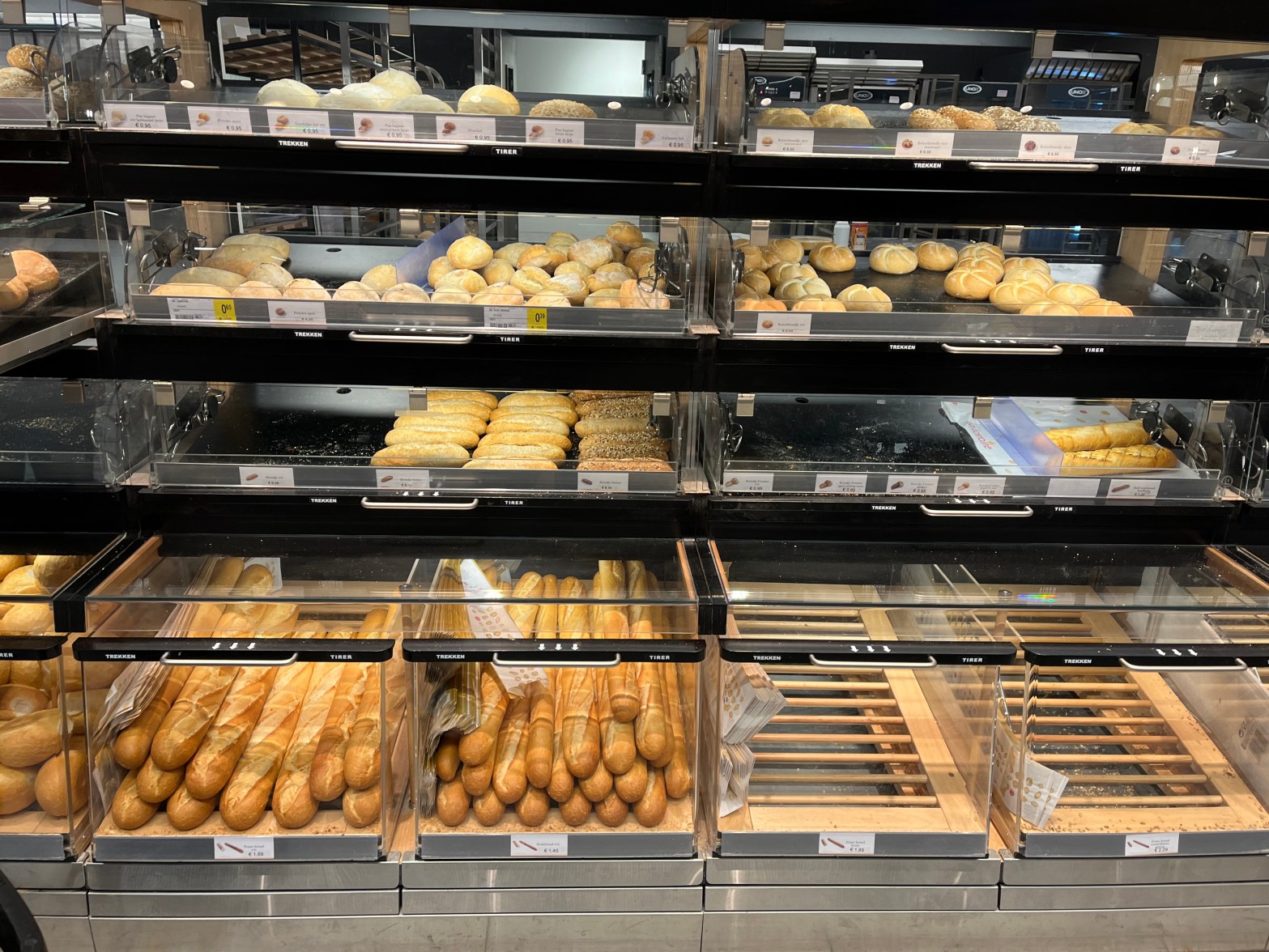
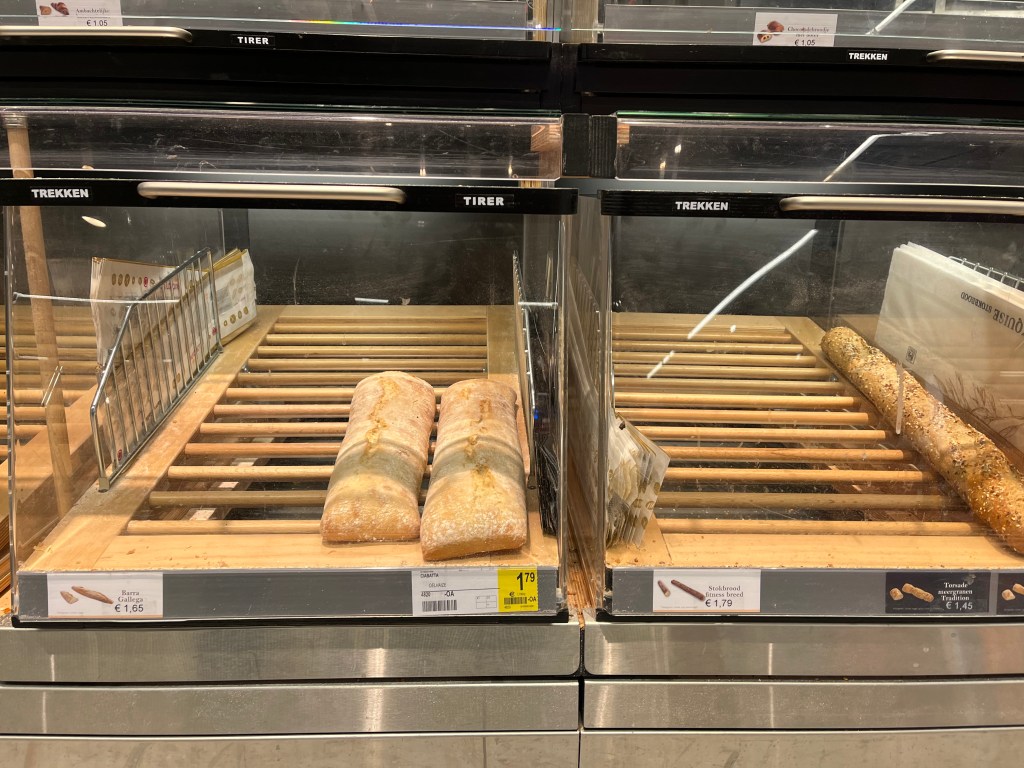
I love the bread in Europe and am pleased to announce that I have not found “Wonder Bread” in any European country. Most bread in not prepackaged, and is crusty, not soft. At 1,45 euro it’s roughly $1.50, making it way less expensive than this same style of bread back home. Plus, it’s fabulous! There is no shame in eating good bread in Europe, in fact I think it’s expected.

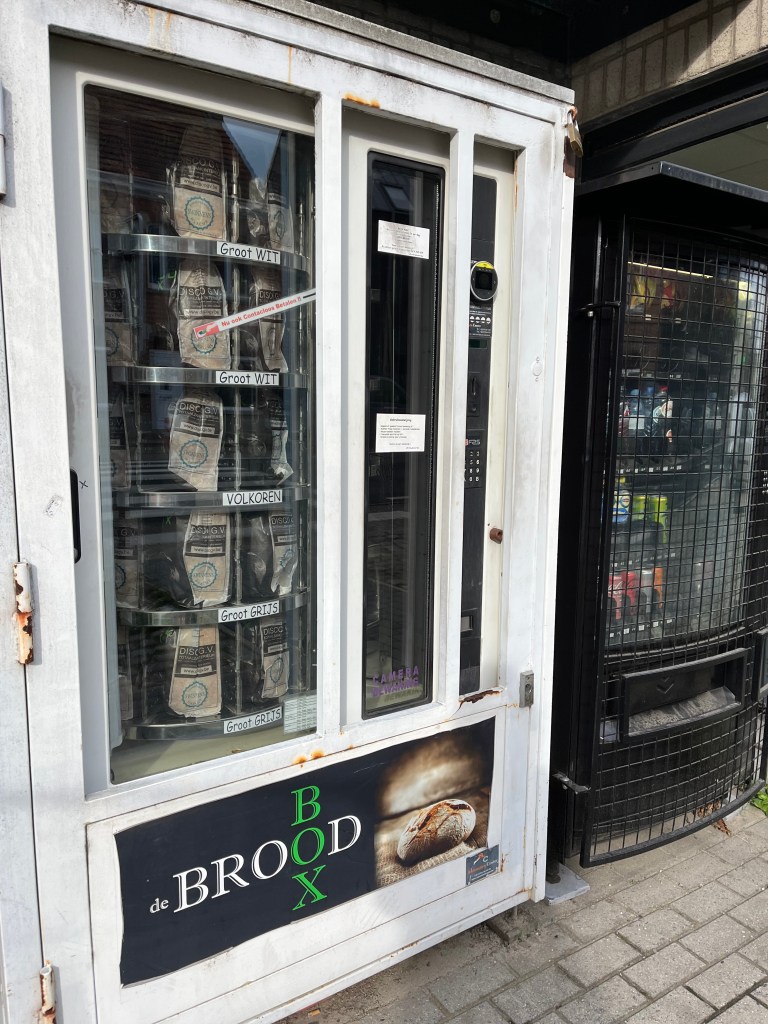
We noticed two vending machines near a main street in Brevin and Joelle’s home town. One had Coca Cola, Lipton Ice Tea, water and a few snack bags of chips. The other had loaves of bread (called a Brod Box)!

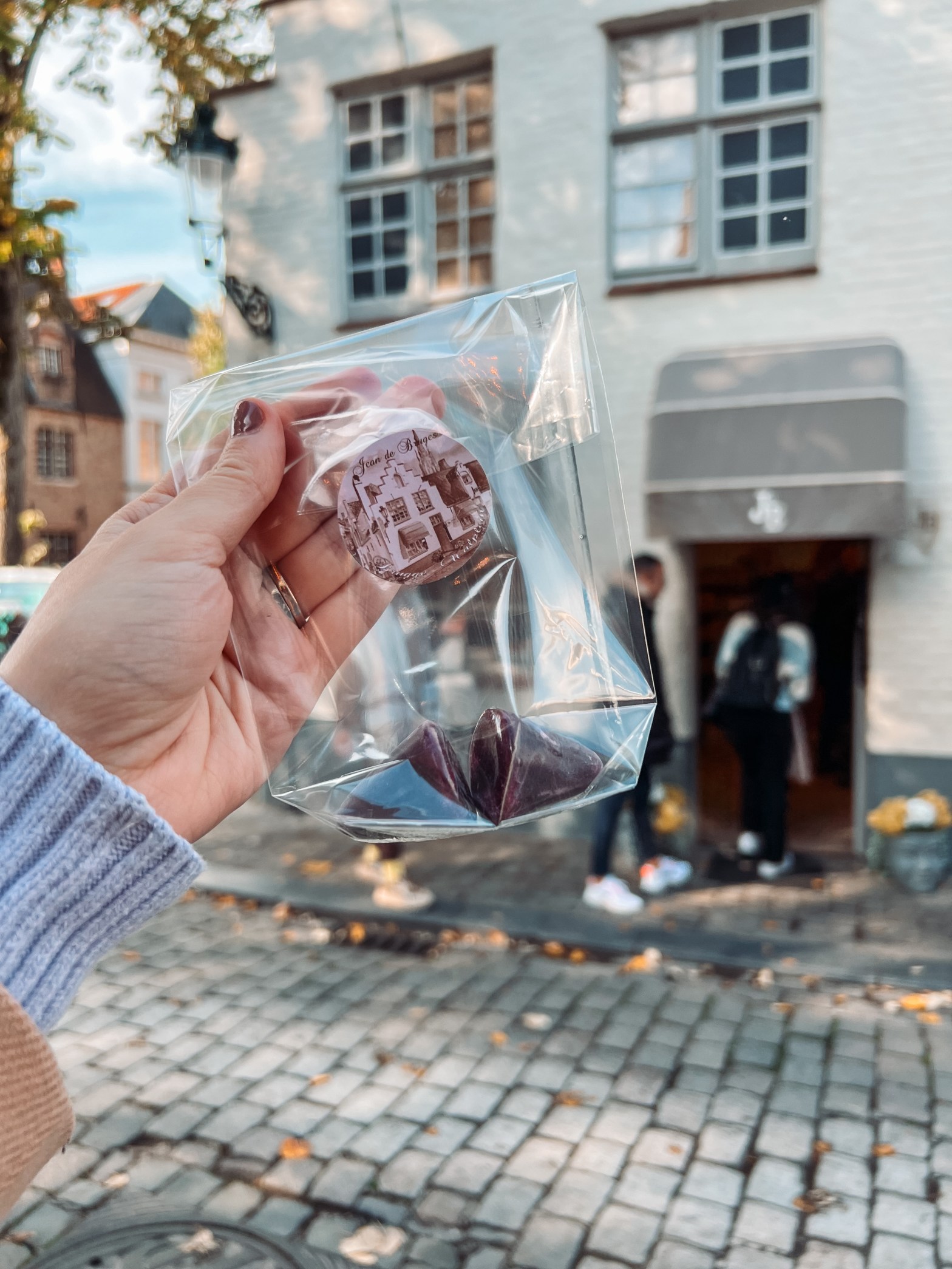
The Cuberdon

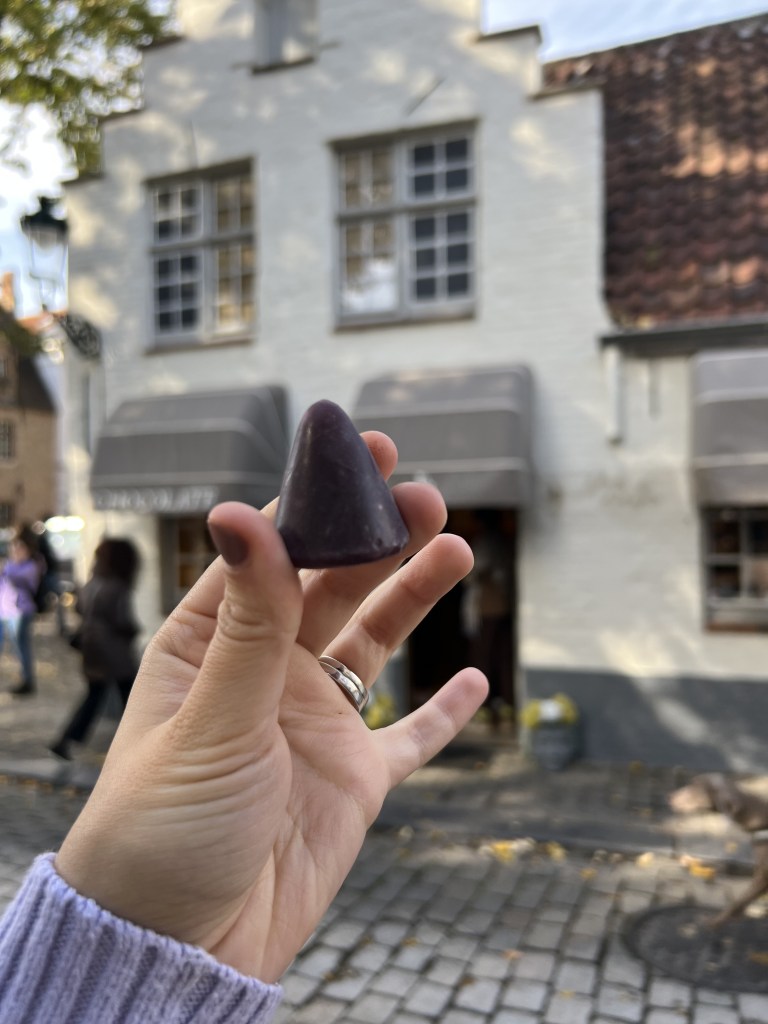
The Cuberdon is a popular and traditional Belgian specialty candy.

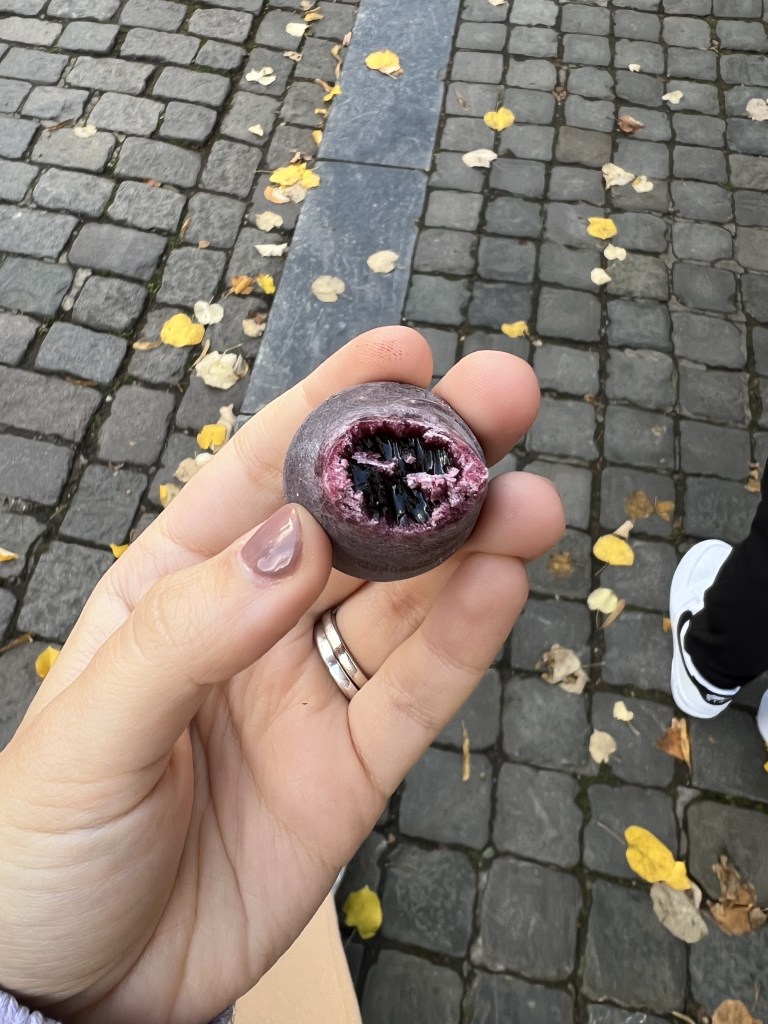
Dubbed neuzekes (or “little noses”) due to their triangle shape, these candies are raspberry flavored and made from sugar syrup, raspberry syrup and Arabic gum. They have a chewy outside with a liquid inside.

Cuberdons originated in Ghent in 1873. Supposedly, a batch of medicinal syrup had hardened on the outside but was still liquid on the inside and this inspired the pharmacist to create a candy similar. 

Raspberry is the most common and traditional cuberdon flavor, but today you could get any flavor cuberdon that you want. 

Brev and I had to try traditional cuberdons, of course, but honestly we didn’t really like them. We didn’t think it tasted like raspberry and the texture was thick and strange. 

Grocery Shopping: Milk🥛

My parents visited us a few weeks ago and my mom wanted to make a cameo on the blog! Her blog post is below:

I’ve noticed that Jo and Brev rarely drink cow’s milk. What was once a staple of our diet has faded away, even for Larry and I. (Although homemade chocolate chip cookies cannot be consumed at home without an ice cold glass).

I insisted on buying cow’s milk in Belgium, because I wanted to make mashed potatoes for our early Thanksgiving meal.

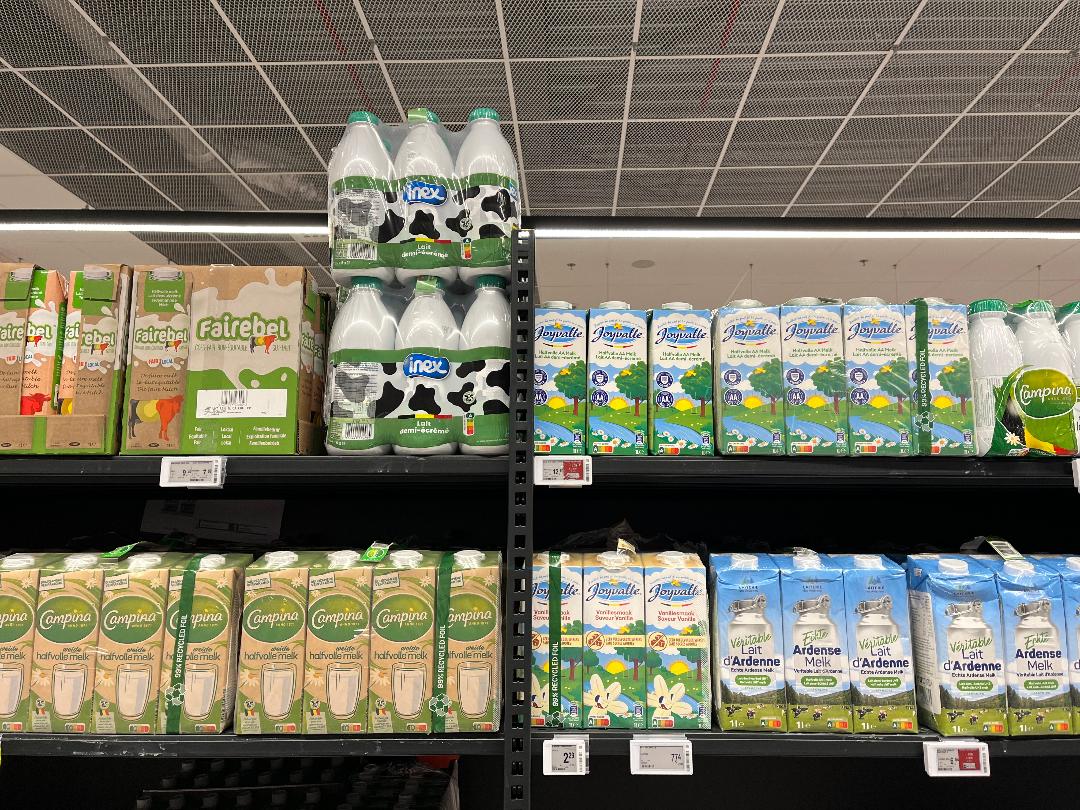
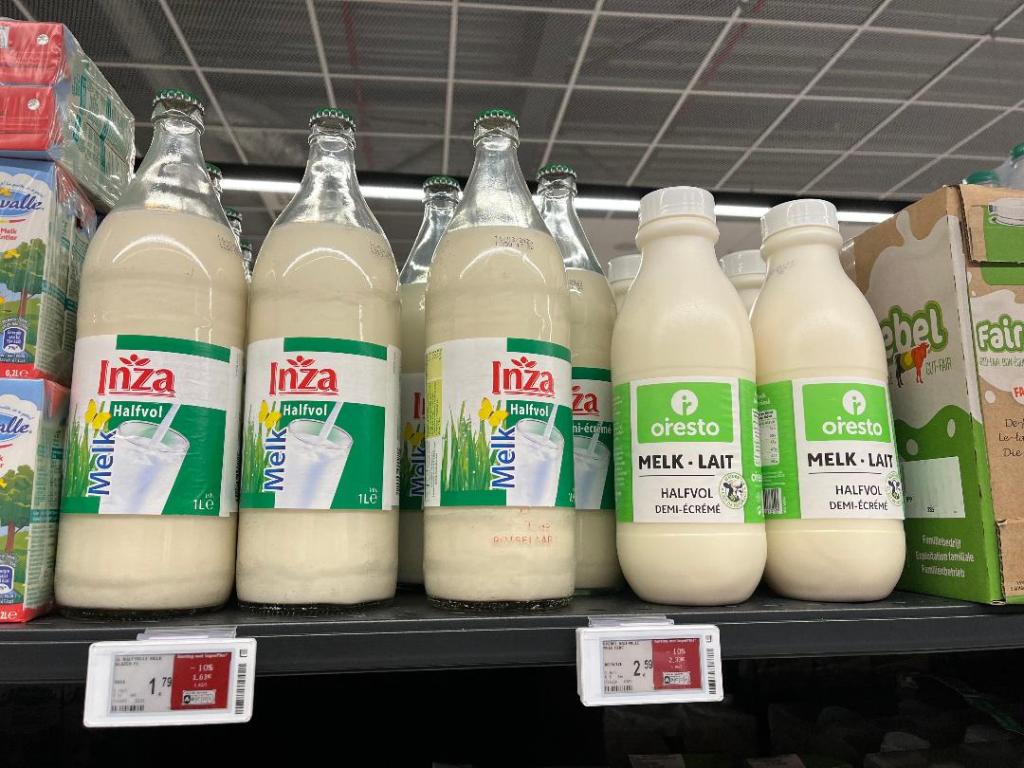
I was immediately struck by the fact that the cow’s milk, like almond and other varieties at home, is not refrigerated in the stores. (Neither are eggs)! A liter (33.814 fluid ounces) costs 1,79 euro. A discussion ensued over the number of liters in a gallon (3.79) and the price of milk in the U.S. (Who knows?).

The Halfvol Melk – Lait pictured below is “milk which has part of the cream removed, semi-skimmed milk.”  

I remain skeptical but will welcome an easy scapegoat if my mashed potatoes are less than delicious. 

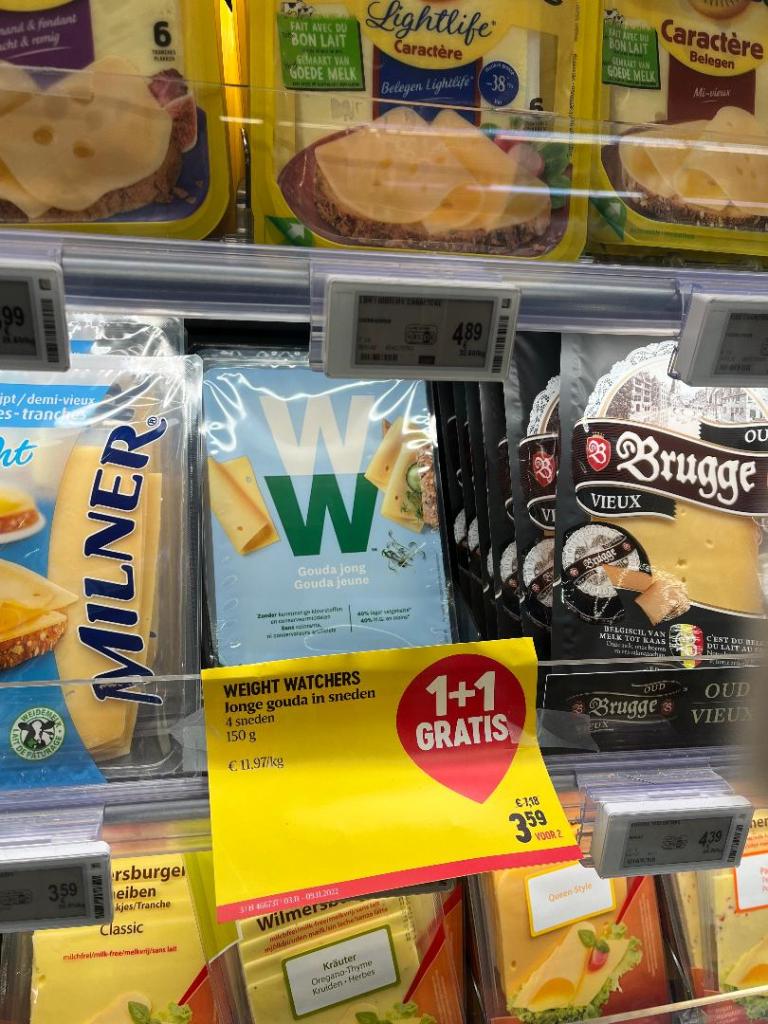
P.S. I was sad to see Weight Watchers cheese in the refrigerator aisle! 

Belgian Chocolate Series: Taste Test🍫

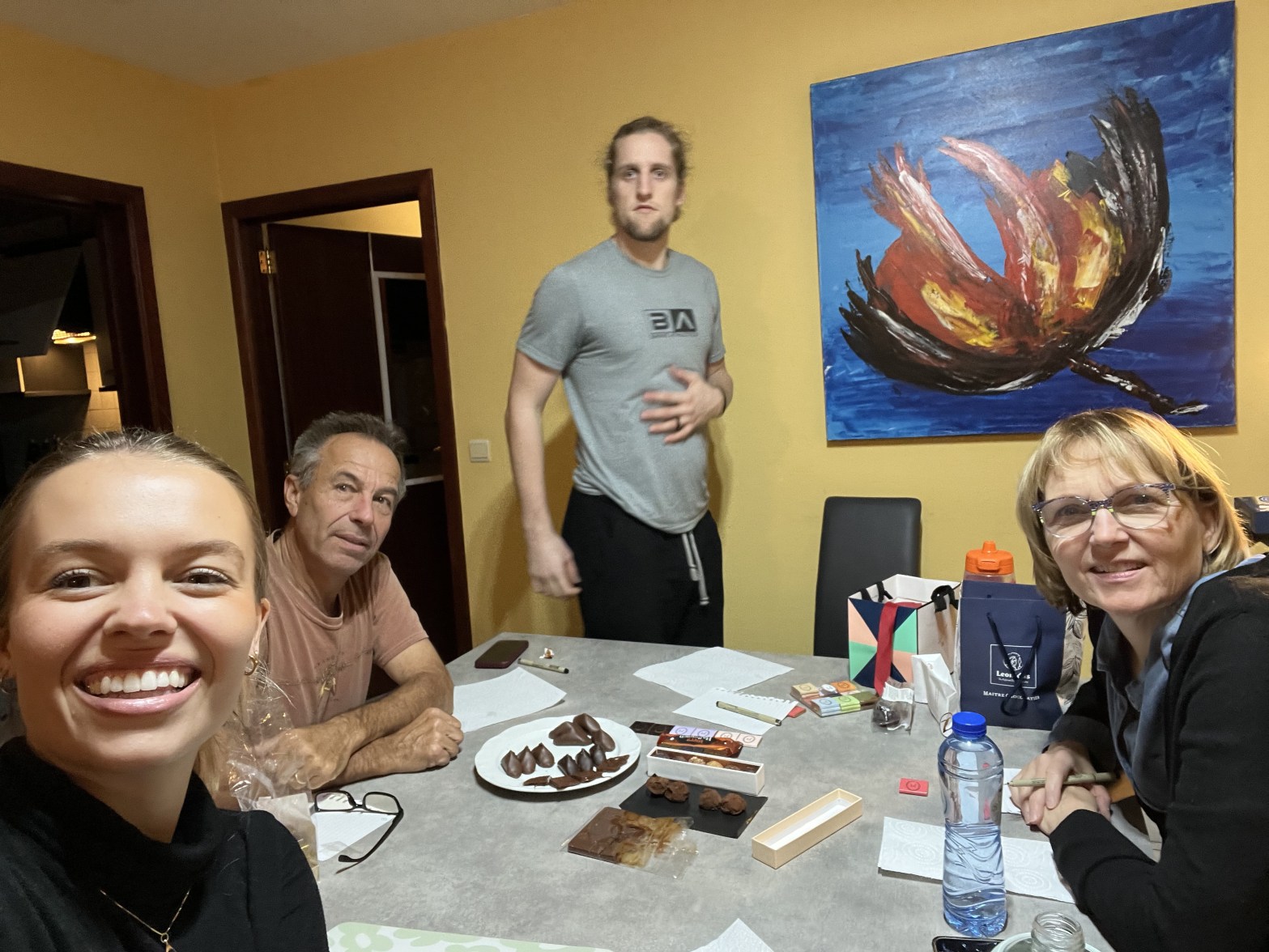
While my parents were visiting, we decided to do a chocolate taste test!

They even brought over some Seroogys Meltaways so we could test them against Belgian chocolates.

THE CONTESTANTS

Neuhaus (1857): Neuhaus is known for being the creator of the Belgian Praline, which is a chocolate filled with a soft liquid filling – like caramel or ganache. Not to be confused with praliné, which is a creamy nut filling.

Jean Neuhaus was a Belgian pharmacist living in Brussels in 1800s who was beloved by his customers because he covered his medicines with a fine layer of chocolate. In 1912, his grandson evolved this idea into the Belgian praline and replaced the medicine filling with something sweeter.

What we tried: Assorted pralines

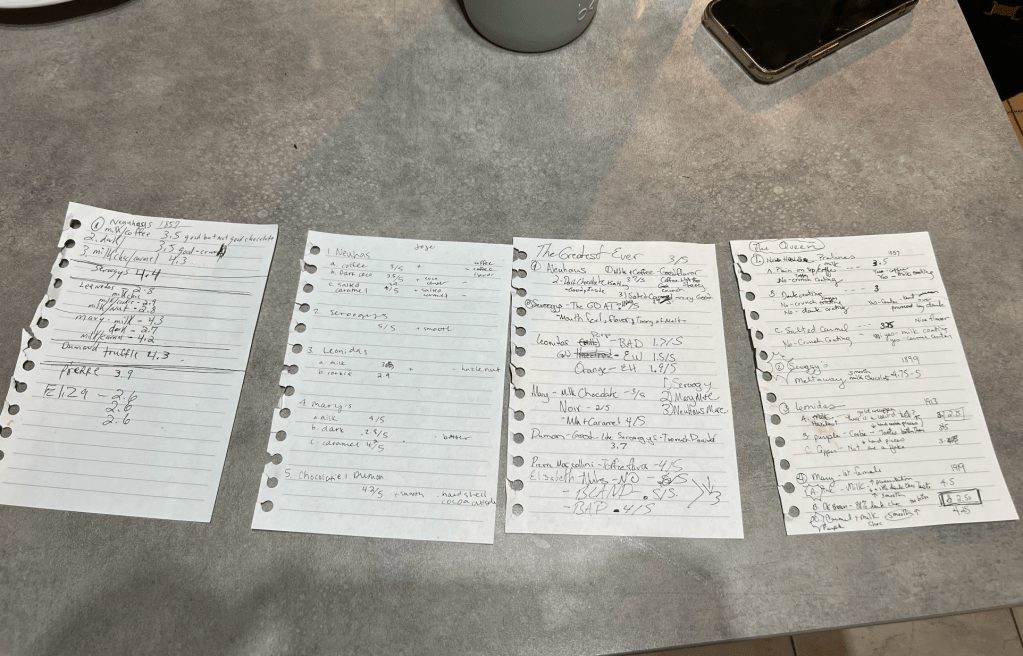
 Stars (1-5)
Mom3.25/5
Dad3.9/5
Jo3.5/5
Brev3.6/5

Seroogys (1899): This Wisconsin family chocolate shop began in 1899, making fine chocolate candies out of their home in De Pere. Today there are two Seroogy stores and they ship nationally.

What we tried: Milk chocolate Meltaway

 Stars (1-5)
Mom4.75/5
Dad4.5/5
Jo5/5
Brev11,000/5

Leonidas (1913): Leonidas Belgian Chocolates have been made in Belgium since 1913. The Leonidas’ flagship store opened in 1991 in the USA on Madison Avenue in New York City. Leonidas is typically known as the more affordable Belgian chocolate option.

What we tried: Assorted milk chocolates

 Stars (1-5)
Mom3/5
Dad2.8/5
Jo2.9/5
Brev1.6/5

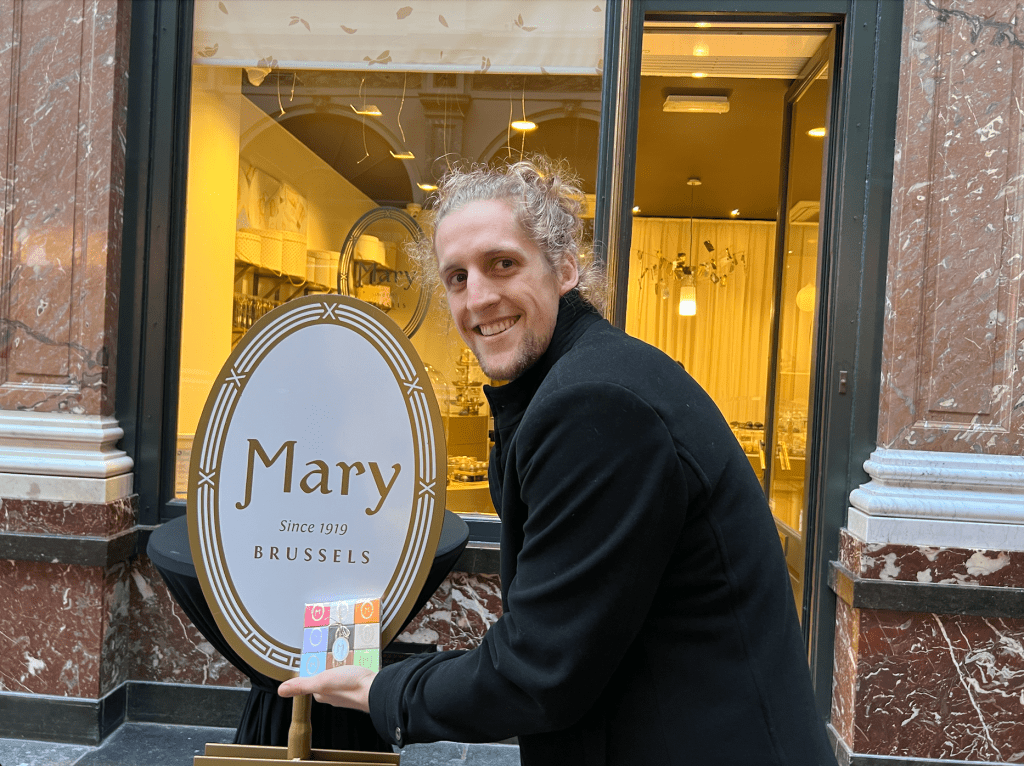
Mary (1919): Mary Delluc, the first female chocolatier in Brussels, founded her chocolate shop in Brussels in 1919. She intentionally put her shop on a street that the king and very popular among members of the aristocracy and bourgeoisie walked down daily. Her chocolate shop quickly became a tea salon which allowed Mary to gain respect and esteem. Mary was extremely concerned with her products’ presentation including the chocolate boxes and window displays.

What we tried: Assorted pralinés

 Stars (1-5)
Mom3.5/5
Dad4/5
Jo4.2/5
Brev3/5

Chocolatier Dumon (1992): Stephan Dumon began producing artisan truffles for bakeries and pastry chefs nearby Torhout (just outside Bruges) in 1992. Word spread and soon after neighbors asked if they could buy his truffles, so he set up a small, part-time shop in the garage. Business continued to blossom and there are currently eight shops in throughout Brussels today.

What we tried: Truffles

 Stars (1-5)
Mom4/5
Dad4.3/5
Jo4.2/5
Brev3.5/5

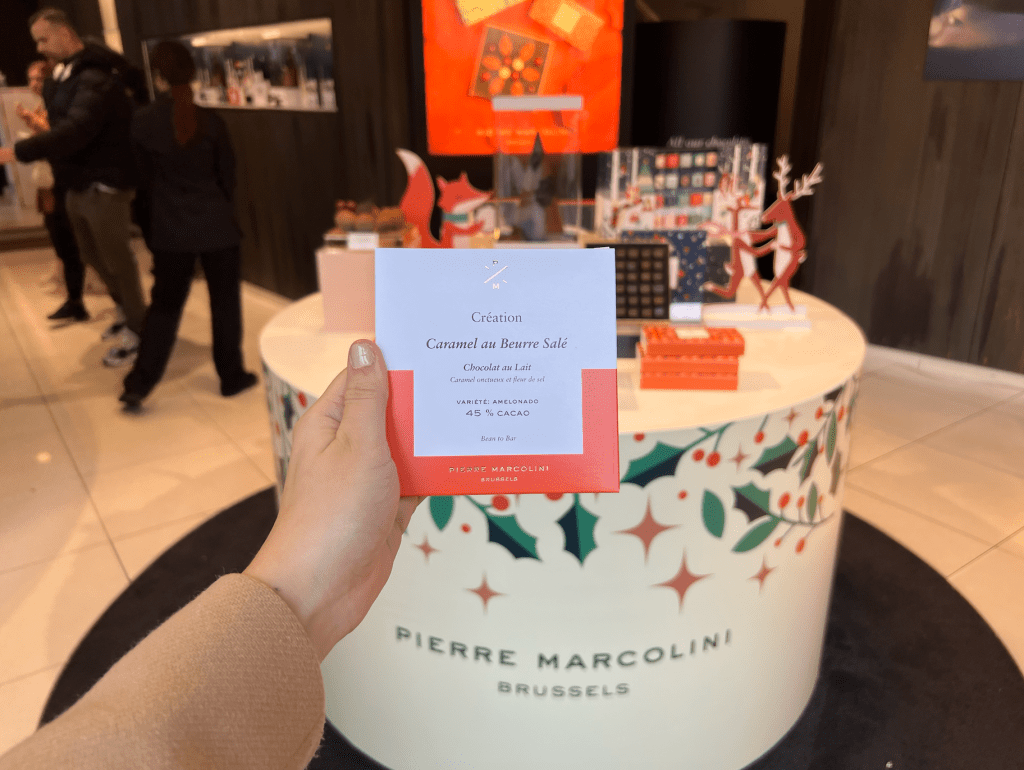
Pierre Marcolini (2001): Pierre Marcolini is known as being an artist, with chocolate as his medium. He is obsessed with taste and quality, so in 2001 Pierre decides to produce his own chocolate from cocoa beans. He makes beautiful chocolate and has modern shops with beautiful packaging.

What we tried: Salted caramel milk chocolate  

 Stars (1-5)
Mom4/5
Dad3.9/5
Jo4.1/5
Brev4/5

Elisabeth Chocolatier (date unknown): Elisabeth collects all of Belgium’s best artisanal sweets including pastries, Cuberdons and other sweet treats. Their motto is “Our sweets speak when words can’t”. Elisabeth really extends beyond a traditional Belgian “chocolate shop.”

What we tried: Assorted truffles

 Stars (1-5)
Mom2.5/5
Dad2.6/5
Jo2/5
Brev0.5/5

IN CONCLUSION

Our unanimous favorite chocolate was Seroogys! We wondered if it was because we are most familiar with Seroogys, but ultimately we all liked it the best.

Leonidas and Elisabeth were our unanimous LEAST favorite chocolates.

Also – that was A LOT of chocolate to test. We all felt a bit ill afterwards, but it was a lot of fun. 😂

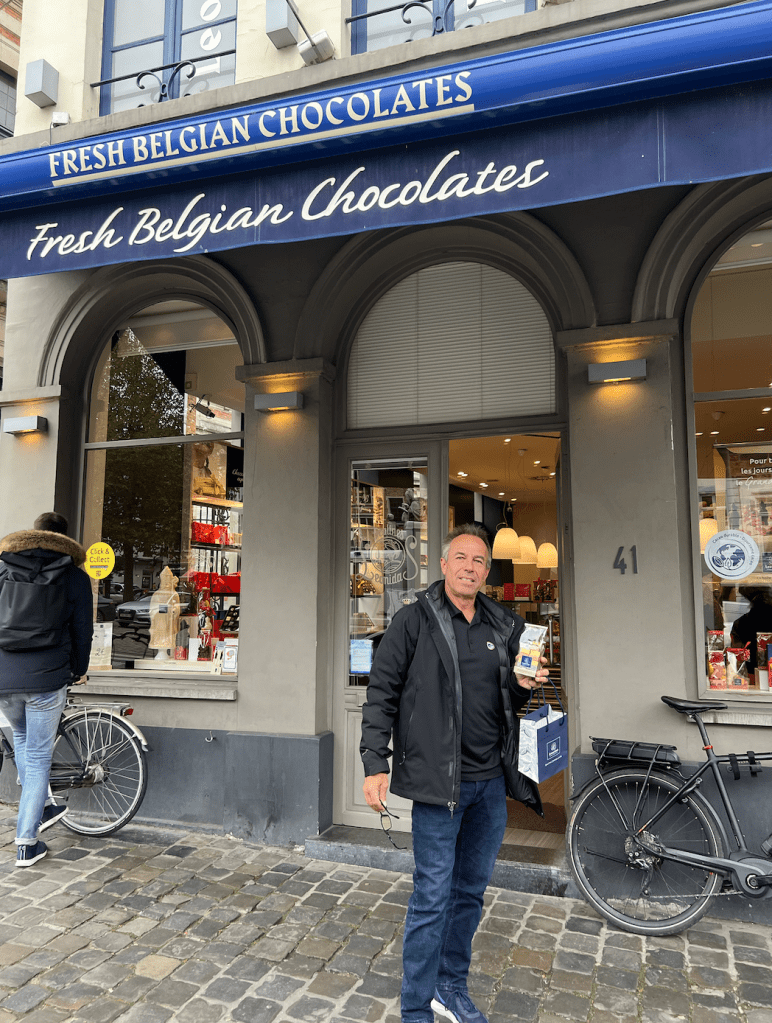
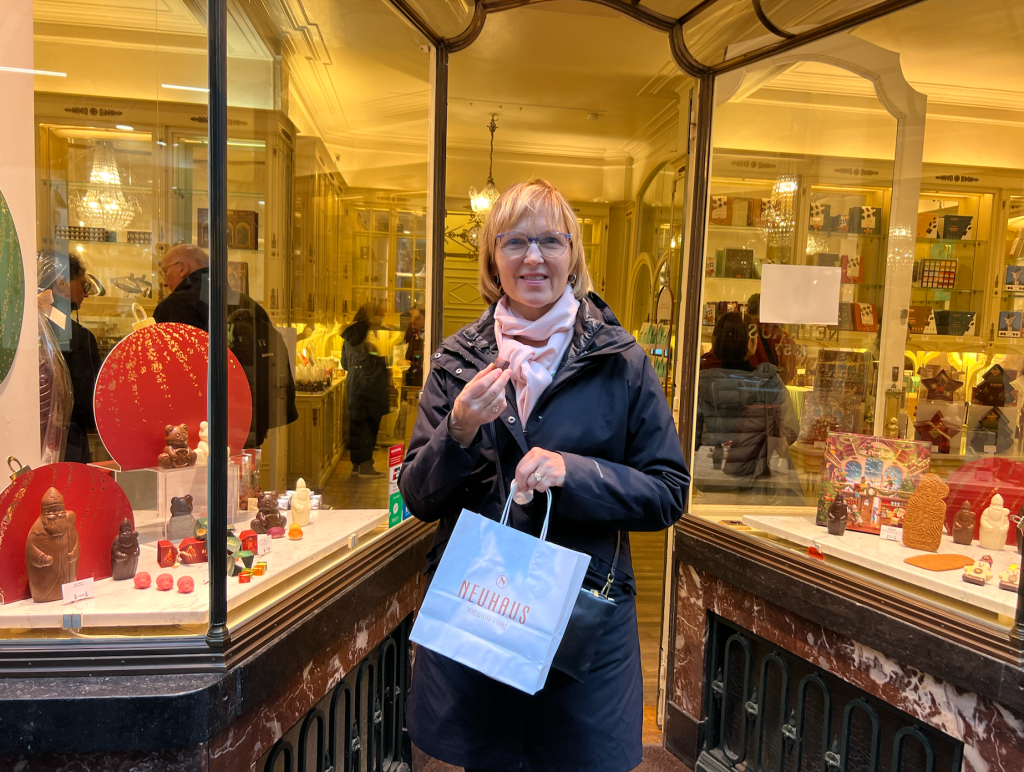
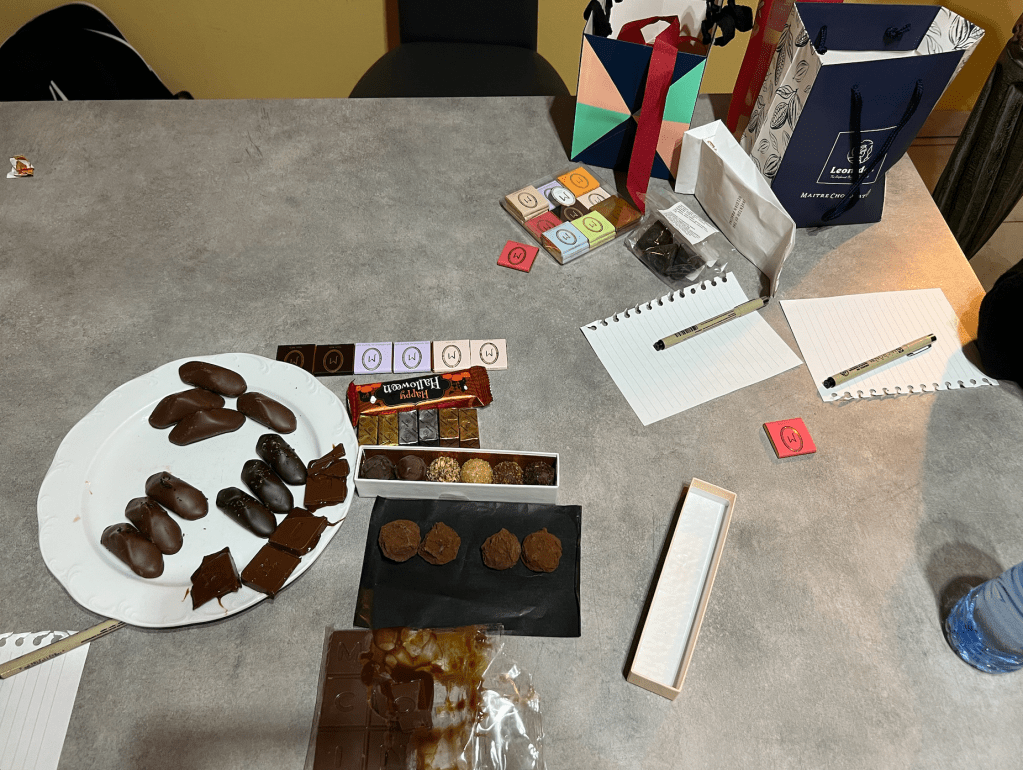
Below are some photos of the chocolates we tried, our score sheets and some of the chocolate shops!

Design a site like this with WordPress.com
Get started