Rome, Italy

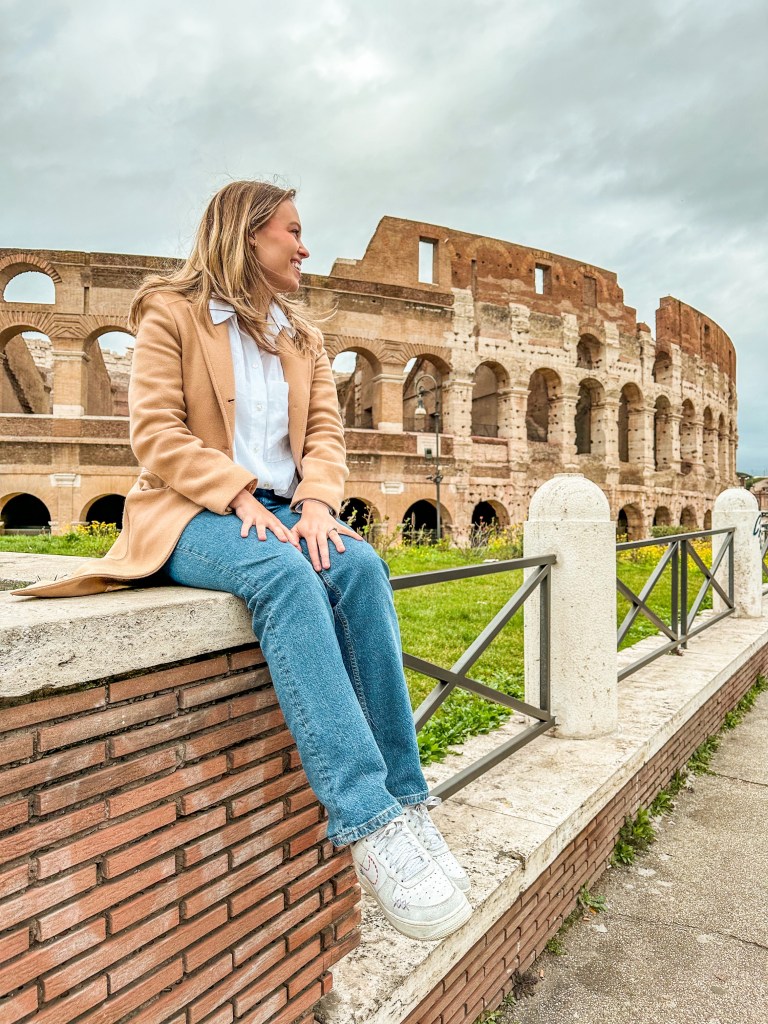
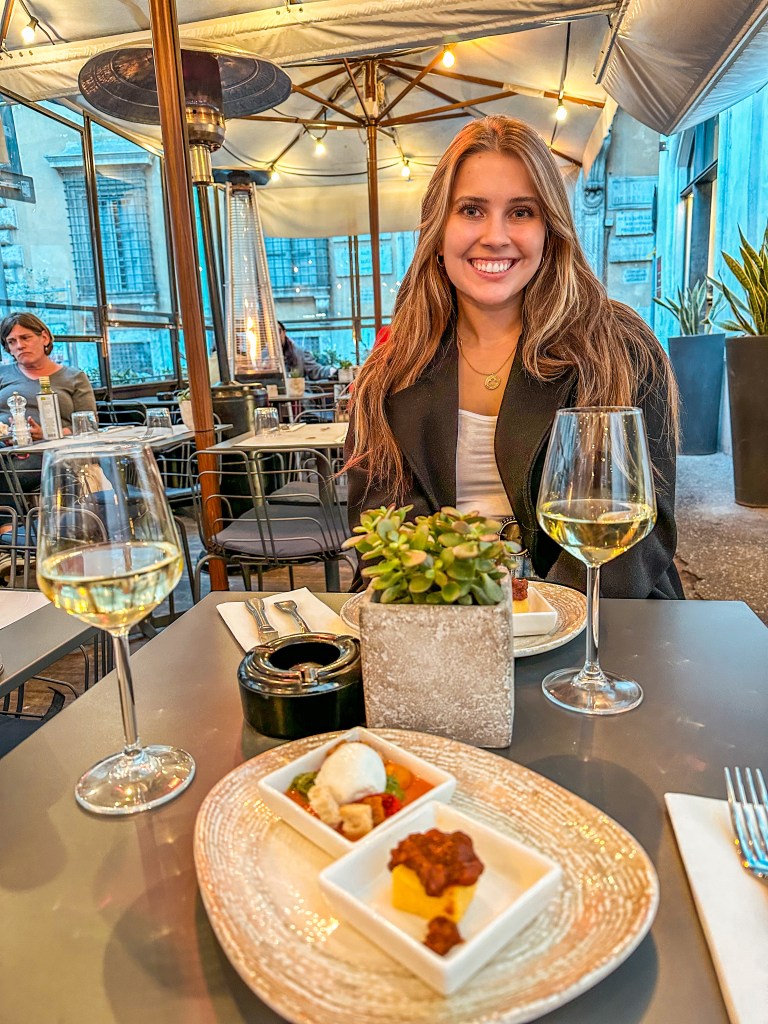
Over her spring break, our college friend Maddie visited us, and we traveled to Rome. 

We had so much fun! The trip was the perfect mix of history, relaxing, shopping, etc. 

It was crazy to see all the historical landmarks that we grew up seeing in textbooks and movies (especially Mary Kate and Ashely’s “When in Rome” and “The Lizzie McGuire Movie”). 

What really struck me was how we could just be walking down a random street, and there would be some ancient ruins. The rich history of Rome was truly EVERYWHERE we looked.

We did another hop on hop off bus tour to ensure that we saw the city’s major landmarks and highlights, including: 

  • The Colosseum
  • Roman Forum
  • St Peter’s Basilica / Vatican City / Sistine Chapel (We were even lucky enough to be there during the Papal Audience that is held every Wednesday if the Pope is in Rome. It gives pilgrims and visitors the chance to “see the Pope” and receive the Papal Blessing or Apostolic Blessing from the successor of the Apostle Peter during their visit. Here is a link to the article explaining what the Pope talked about during the address we saw. So cool!) 
  • Castel Sant’Angelo
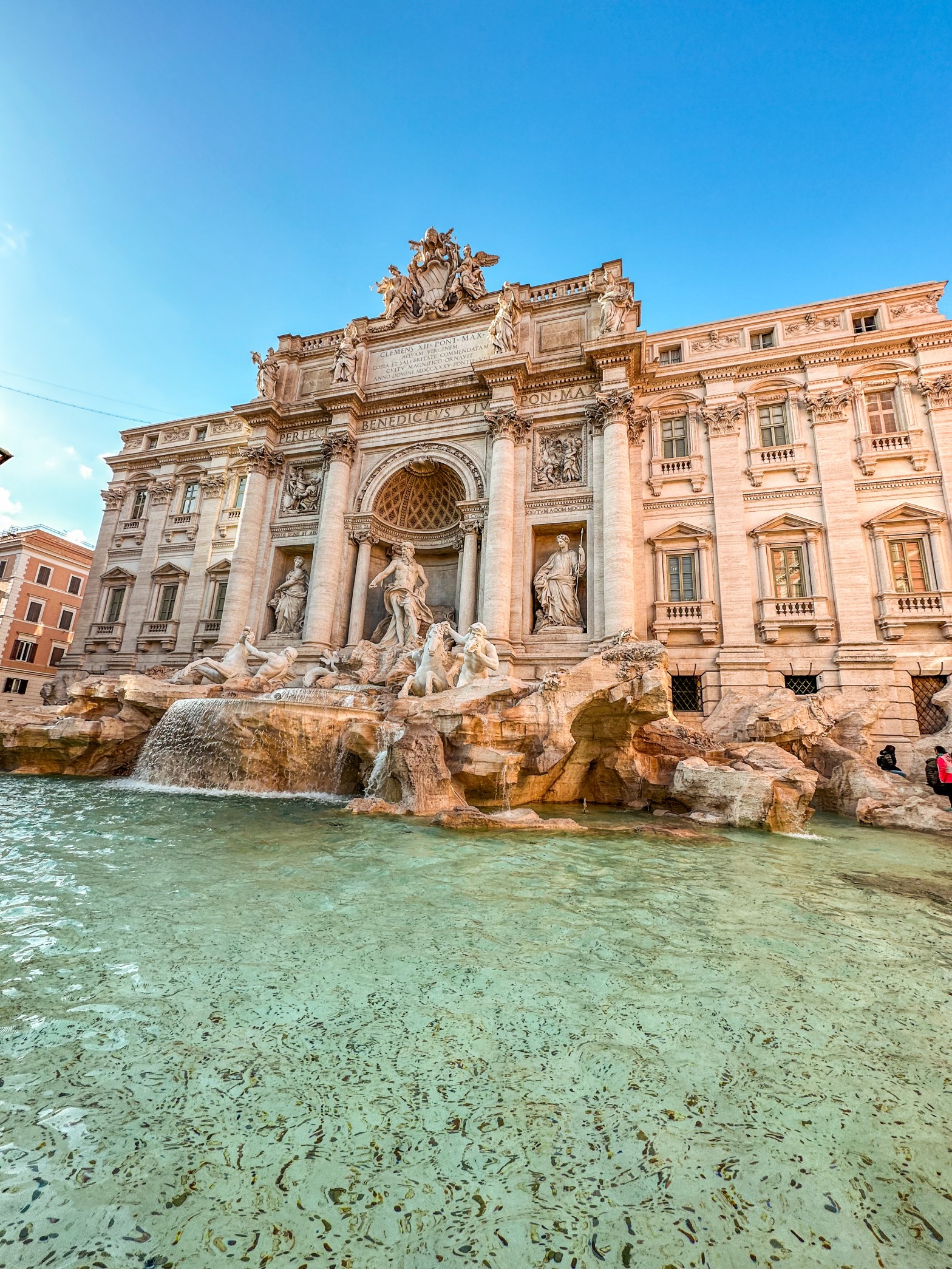
  • Trevi Fountain (It was just as beautiful as it is in all the movies. On our tour we learned the 3,200 USD get thrown in the fountain EVERY DAY. This money is then donated to charities.) 
  • Altare Della Patria
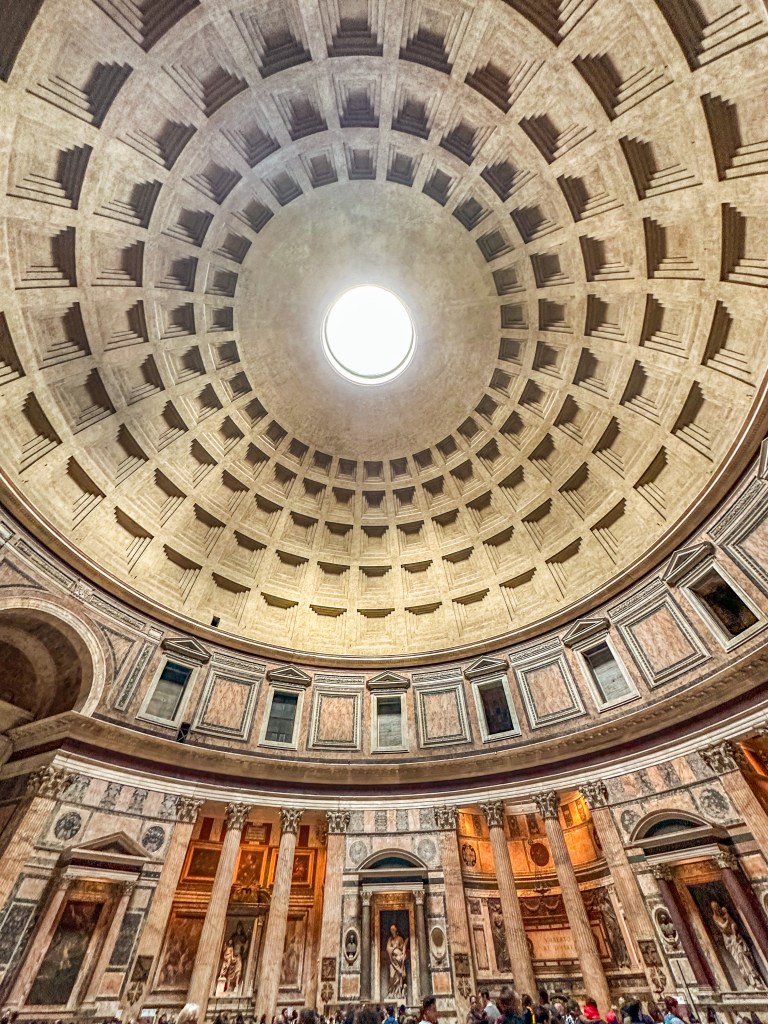
  • Pantheon (We learned about this former Roman temple turned Catholic church in AP Art History, so it was cool to see it in person. If you visit the Pantheon, I definitely suggest going to the nearby All’antico Vinaio panini shop for a delicious sandwich!)
  • Spanish Steps
Stave Churches

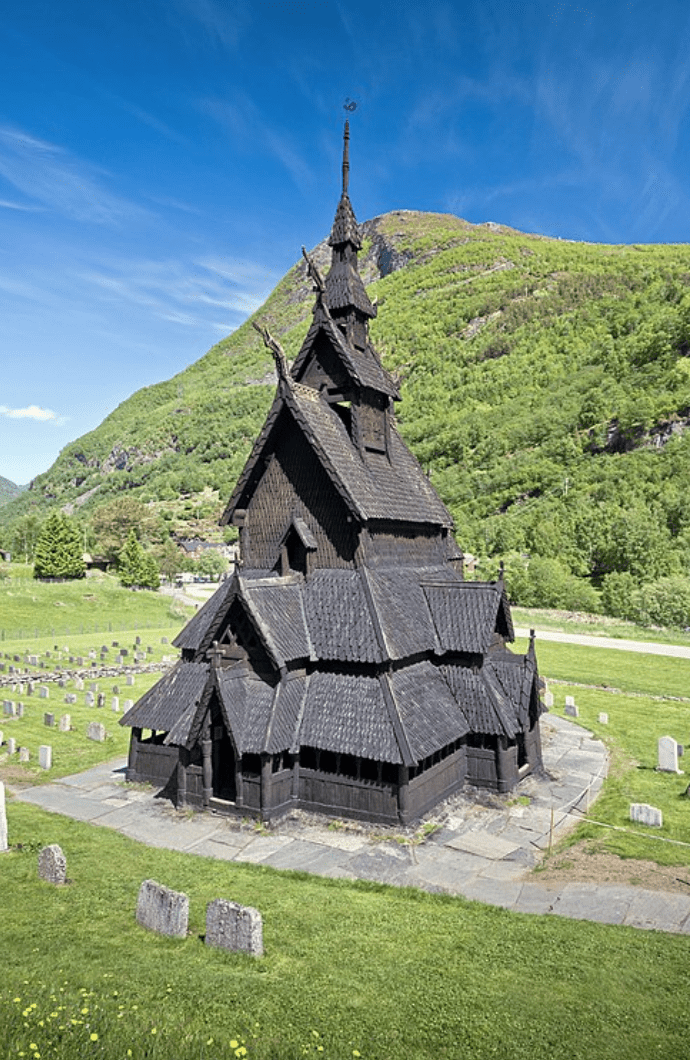
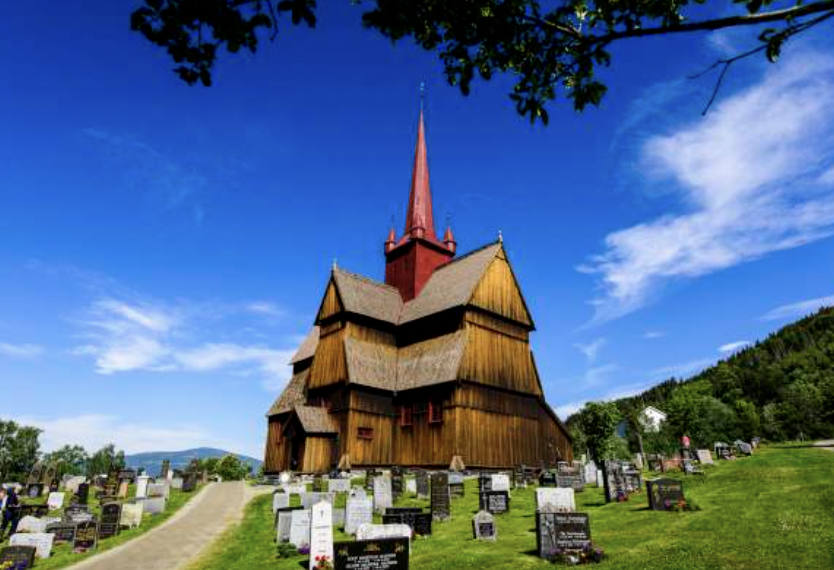
The Christianization of Scandinavia took place between the 8th and 12th centuries. Norwegians had a distinct style of religious architecture known as the Stave Church. They were called Stave Churches because of their corner-posts, called staves, and their framework of timber with planks on sills, called stave walls.

There were once 1,300 stave churches in existence. Sadly only 28 churches remain, with the most famous being the Borgund Stave Church in Norway, which is included in most art history textbooks.

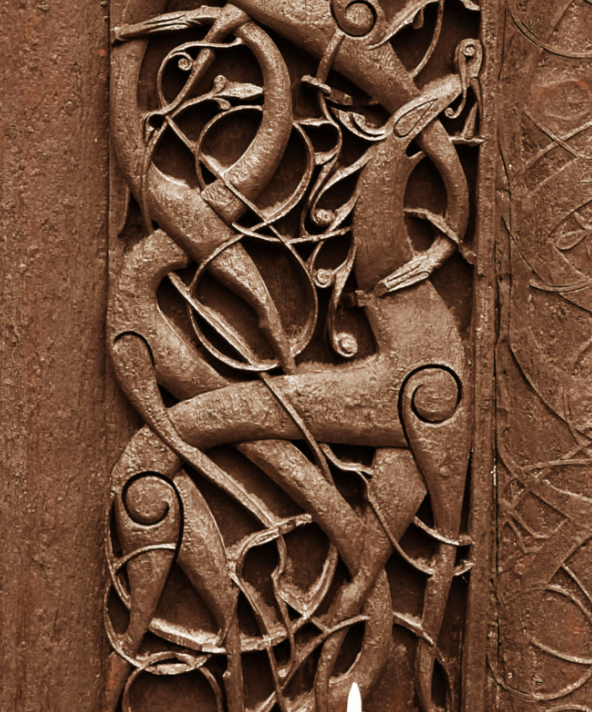
These churches were made of wood and therefore are smaller than the soaring stone Gothic Cathedrals located in more southern parts of Europe. They include intricate carvings with Norse gods, animals and dragons coexisting with the Christian God and iconography.

Also, like most old Christian churches, Stave Churches were built on sacred Norse ground. In olden times Norse “religion” was practiced outdoors in sacred groves, by an altar, or in a hov which was a great room or the hall of the richest farmer in the village.

Sadly, we were not able to see the most famous Stave Churches while in Norway. However, we did see a few smaller churches in a similar style.

The churches we visited, although pretty in their own way, were much less ornate than the Catholic cathedrals in other European cities. The small, fairly unadorned, clean design reflects Scandinavian lifestyle and design to this day. 

Bergen, Norway

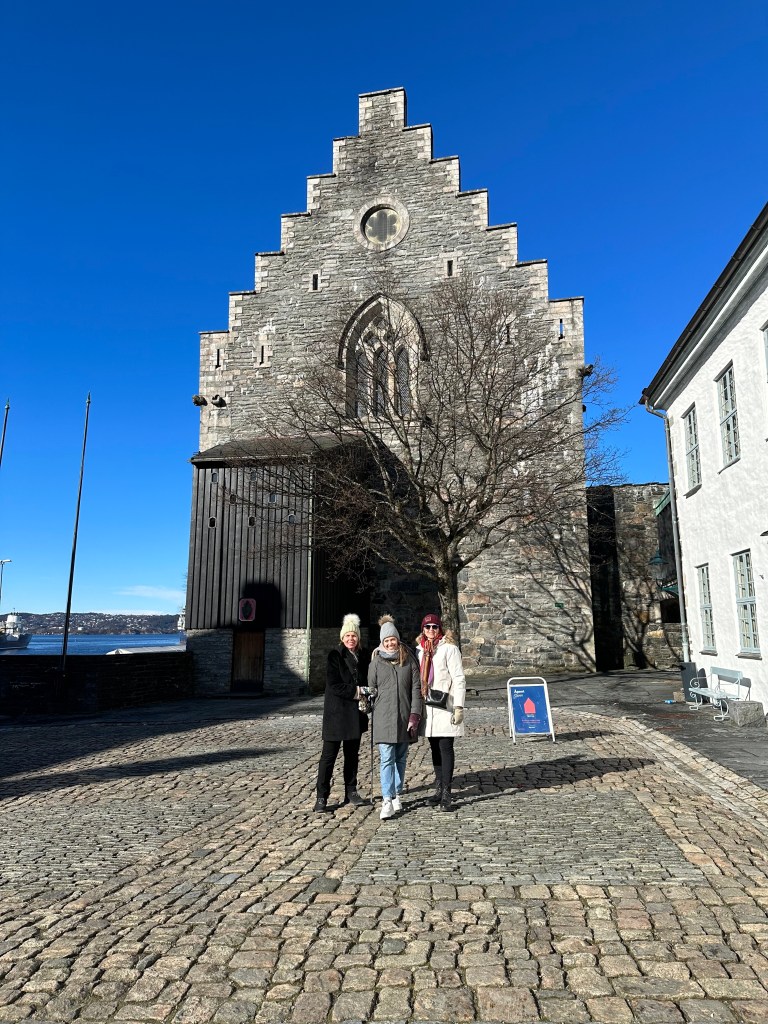
The last leg of our trip was spending a few days in Bergen, Norway.

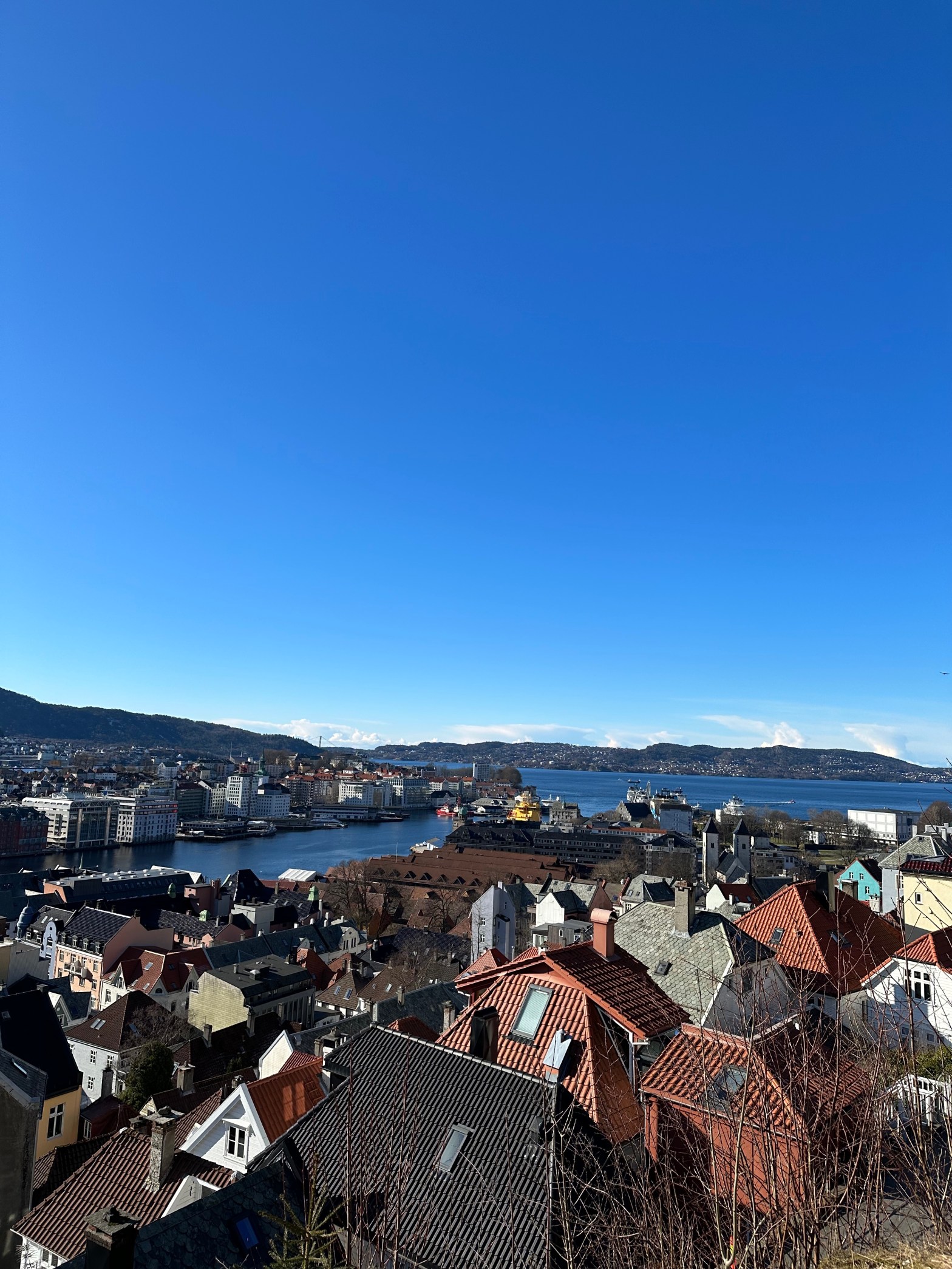
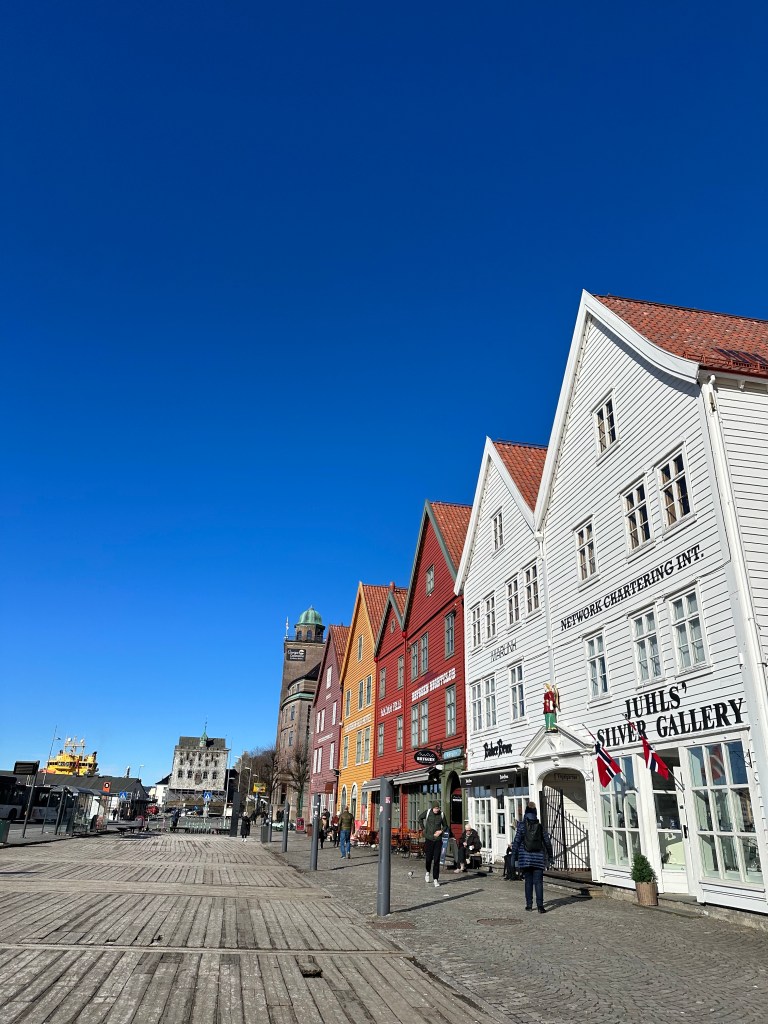
Despite being the second largest city in Norway, Bergen really does have small town charm with its houses in the hillside and small cobblestone streets. Bergen used to be Europe’s largest wooden city, but the many fires over the years led to almost all the original infrastructure being destroyed and rebuilt.

Fun Facts:

In Bergen it rains about 200 days per year.

About 10 percent of the population is students, so there is always something going on.

The Wharf: Formally an important trading post, today the wharf houses a museum, shops, galleries, and restaurants. Sandy especially loved the shopped here!

The Fish Market: Seafood is huge in Norway and the Bergen fish market has been around since 1276. In addition to seafood, you can buy other produce, souvenirs, and visit the restaurants. We went to the indoor Fish Market (Mathallen), since the outdoor market is only opened in the summer months.

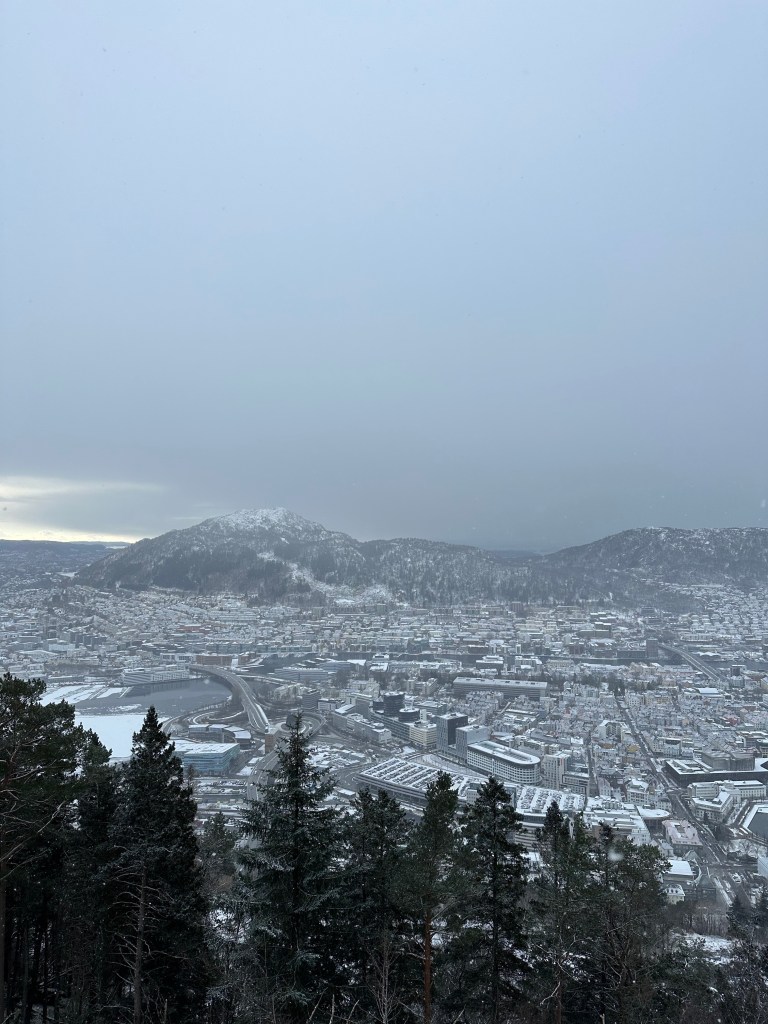
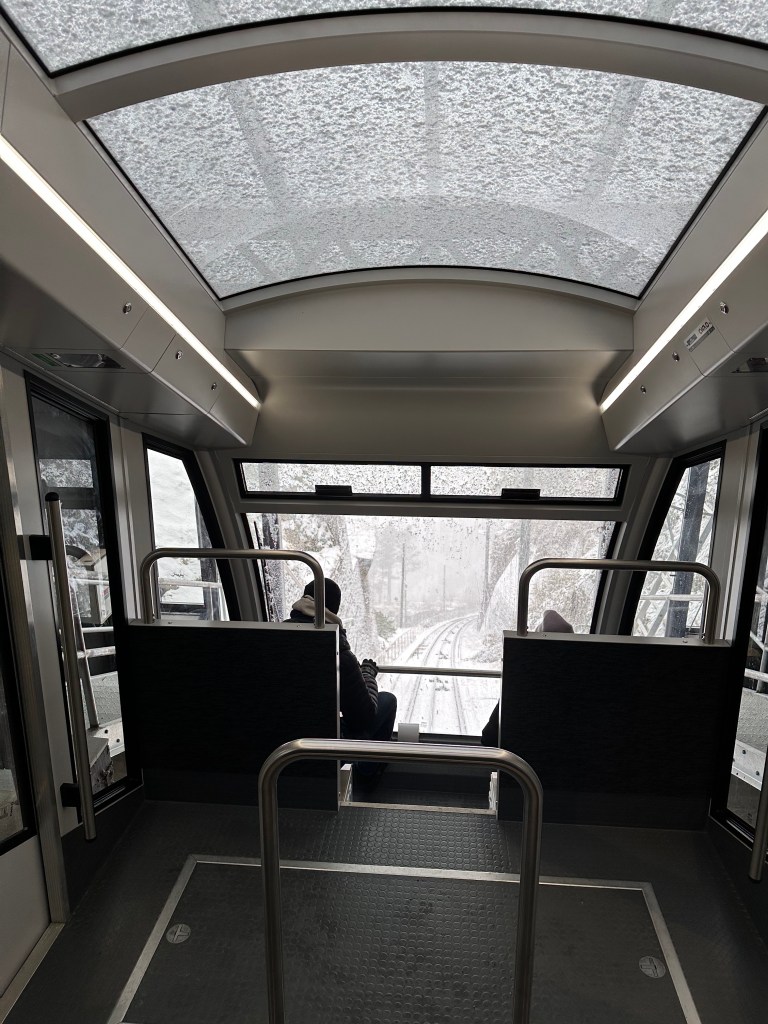
Floibanen Funicular/Mount Fløyen: We took the funicular (mountainside cable railway system) up the steep mountain to enjoy the panoramic views of the city. At the top of Mount Fløyen there’s a lake, many hiking trails, a restaurant and café.

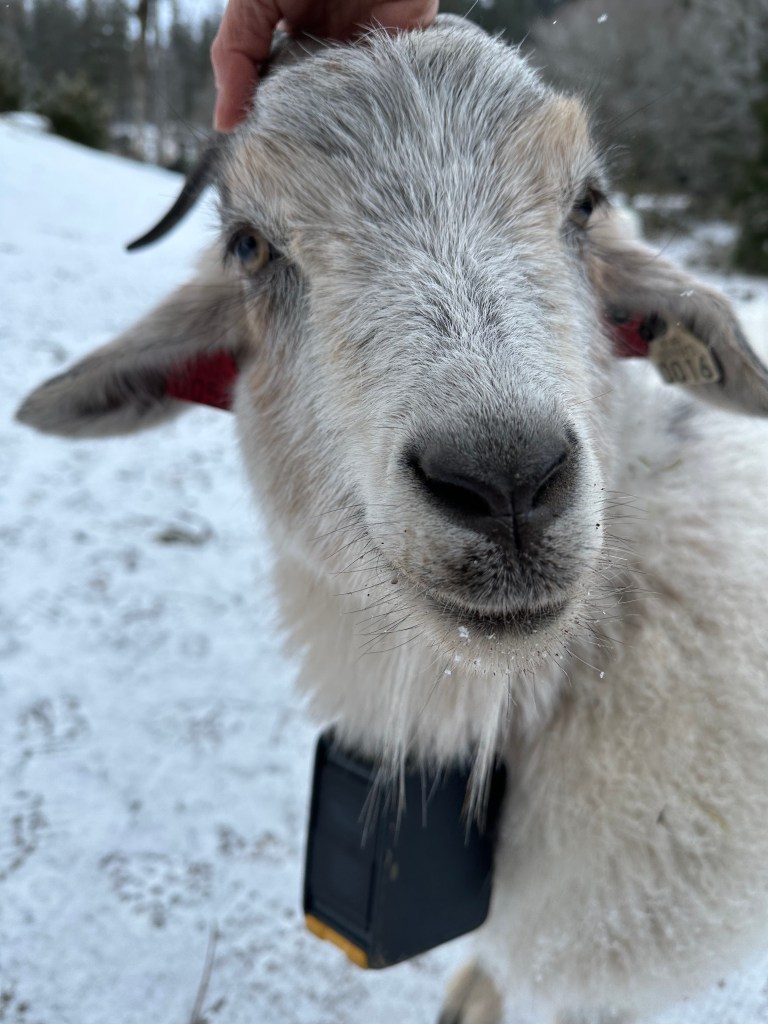
There’s also a group of ten cashmere goats, called Fløyenguttene, that live on the mountain top. These goats are super friendly and are bred to clear vegetation. They wear solar powered collars to keep them restricted to certain areas of the mountain.  

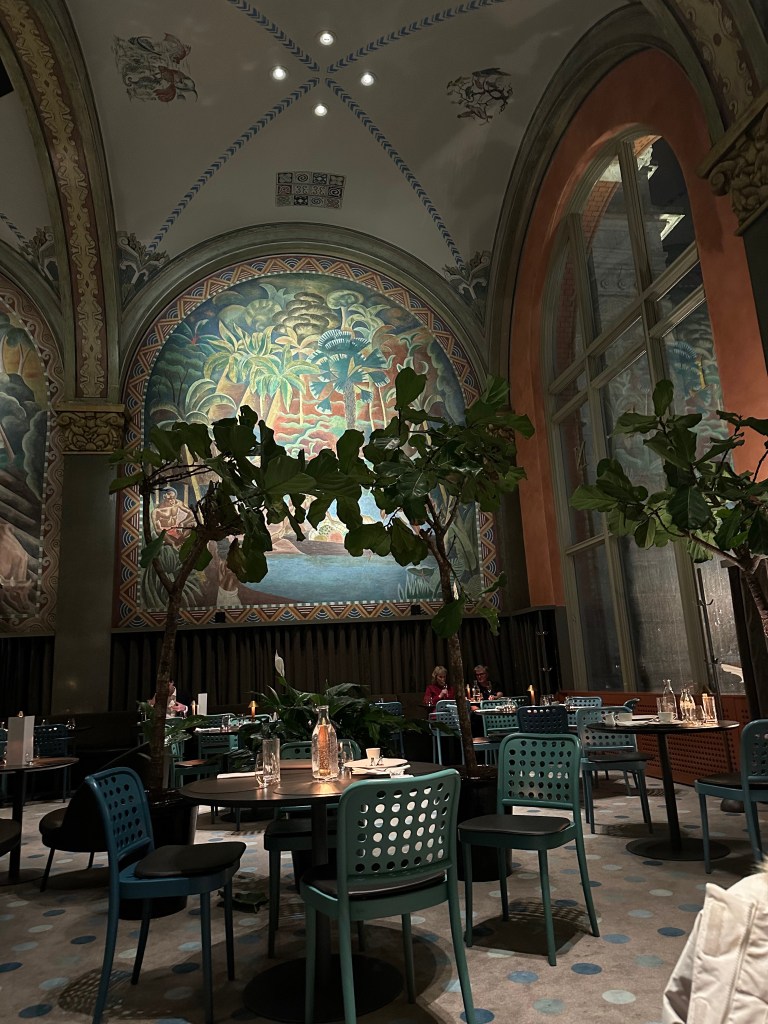
We also had a wonderful meal at Frescohallen, a historical building and converted stock exchange. We’d recommend having a meal here if you ever find yourself in Bergen.

Flåmsbana (The Flåm Railway)

From Oslo we headed off on our railway tour, which was definitely a highlight of our trip.

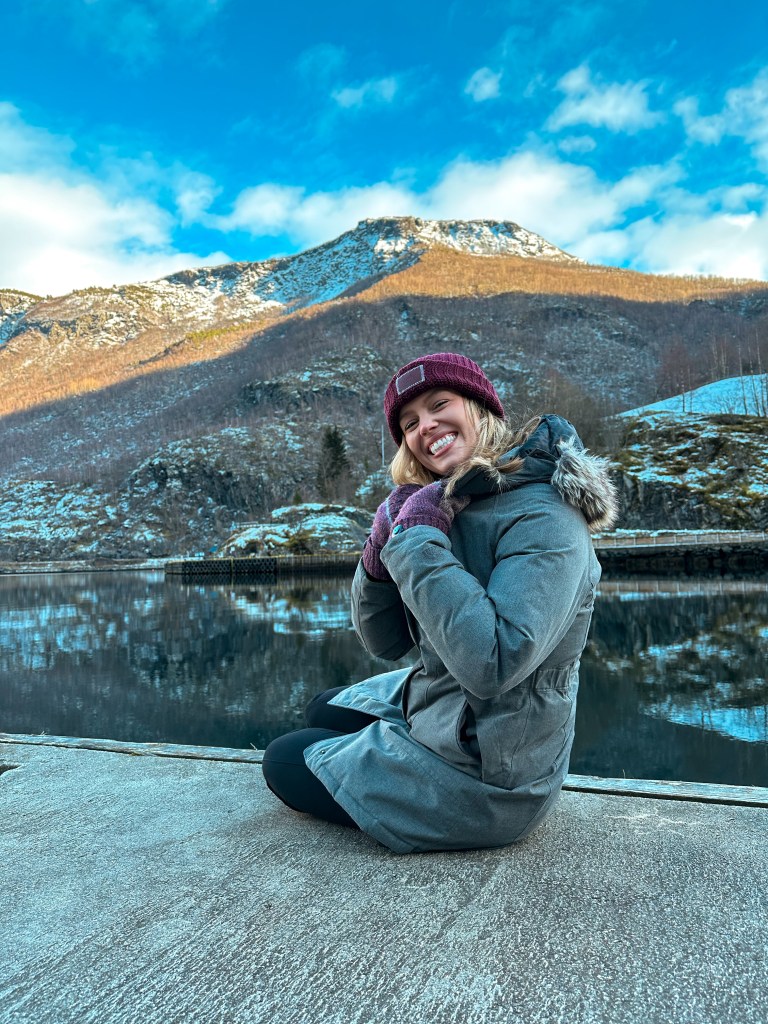
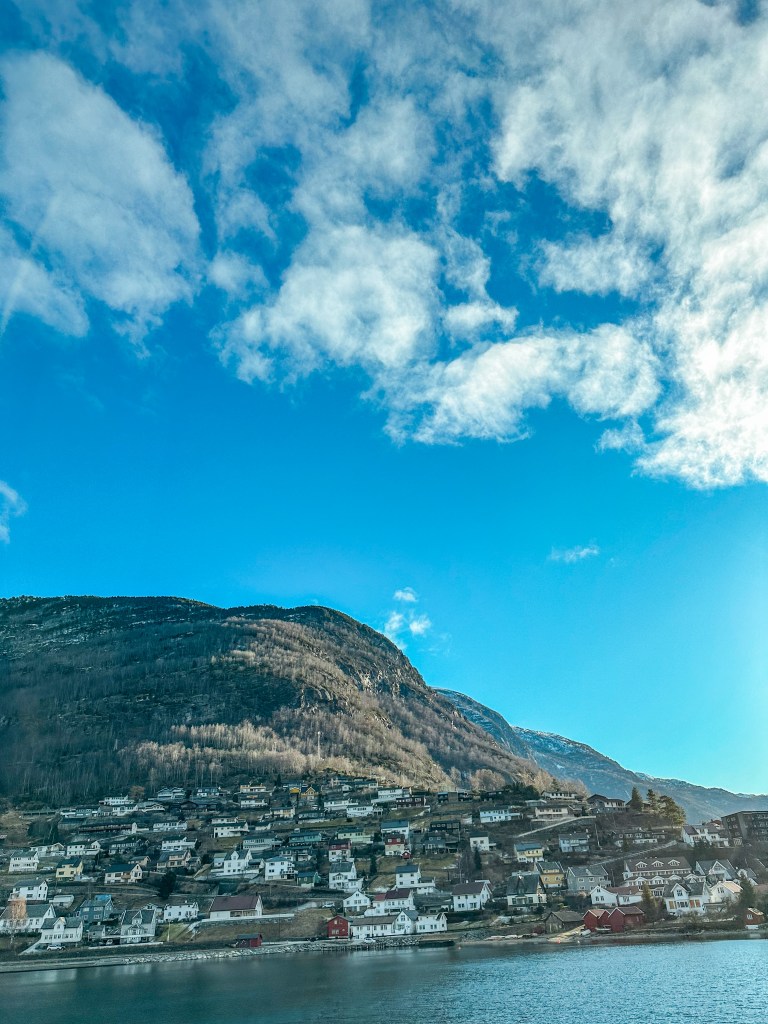
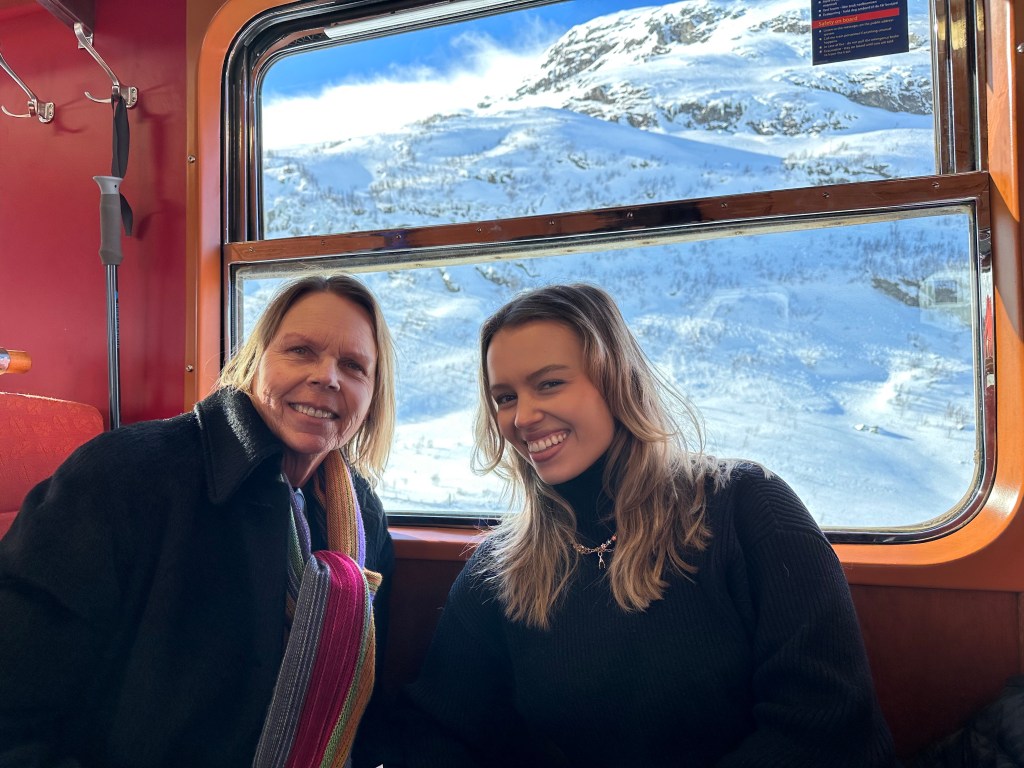
On the train, we saw charming villages, snowy mountains, and vast valleys.

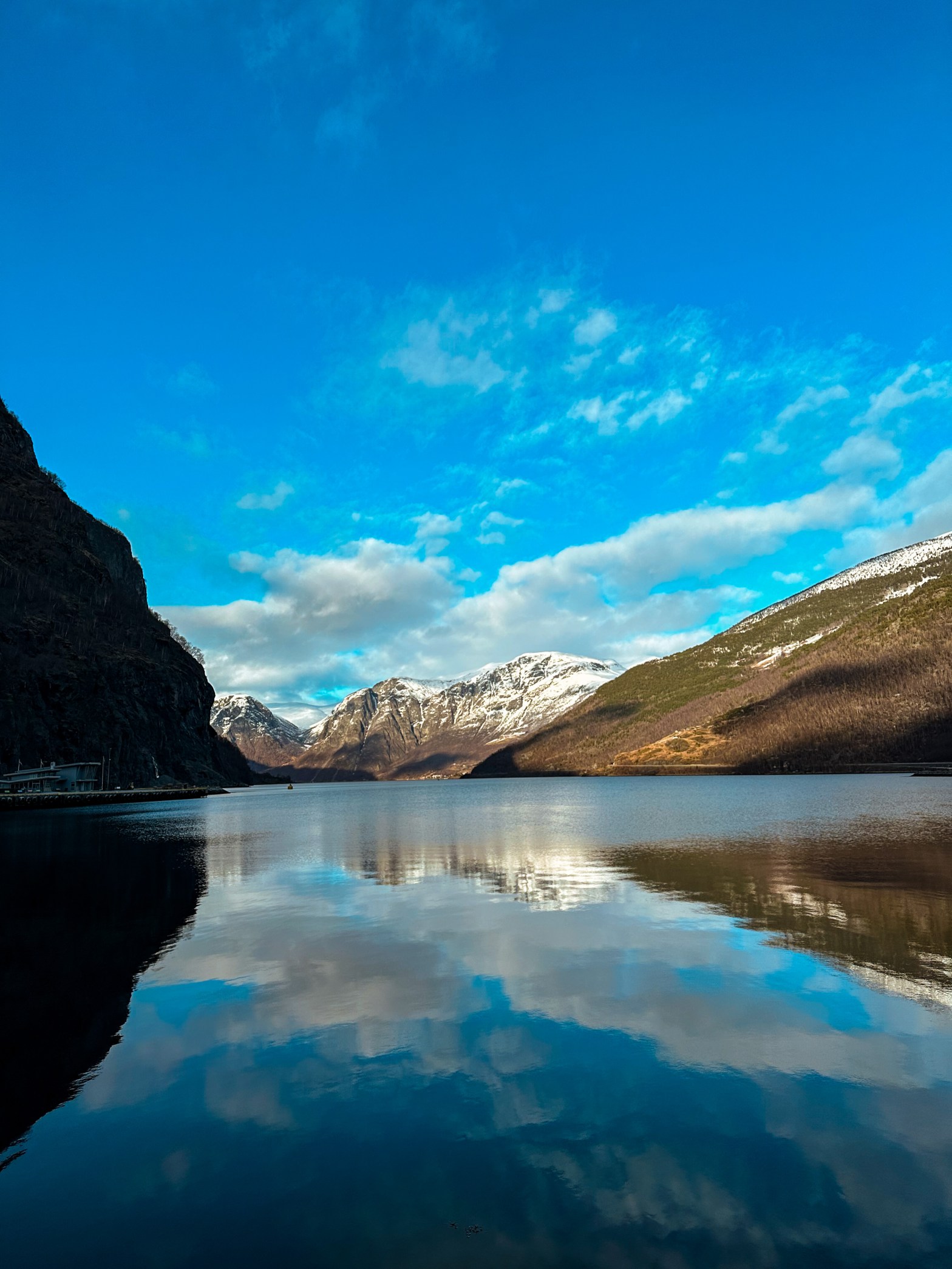
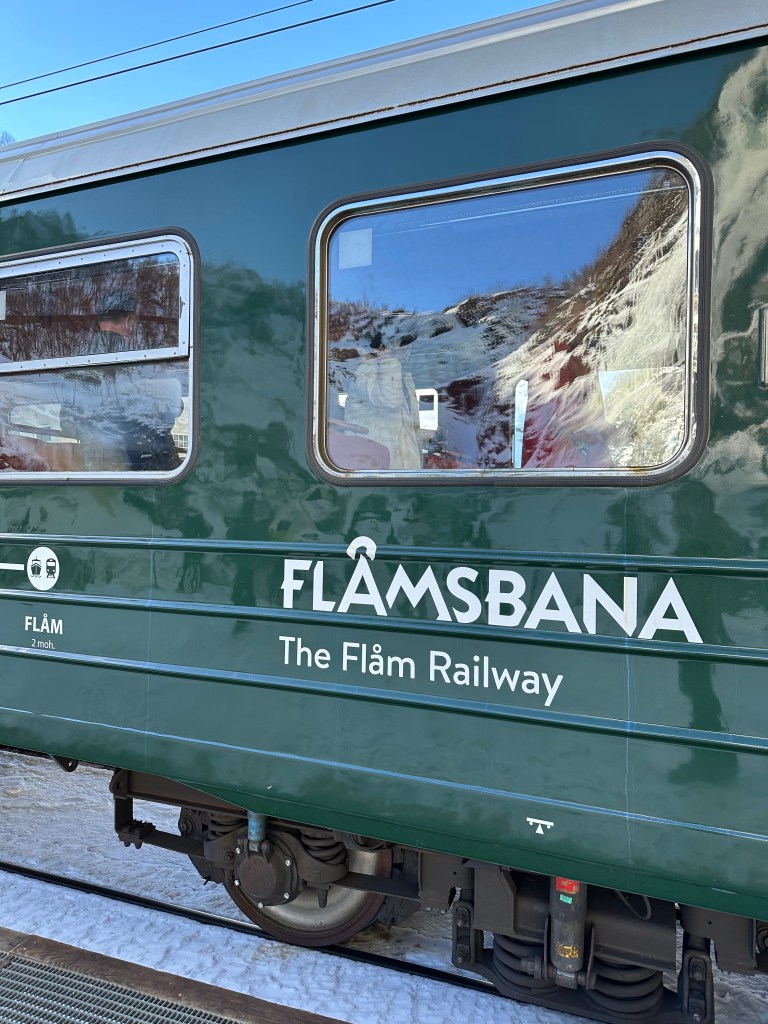
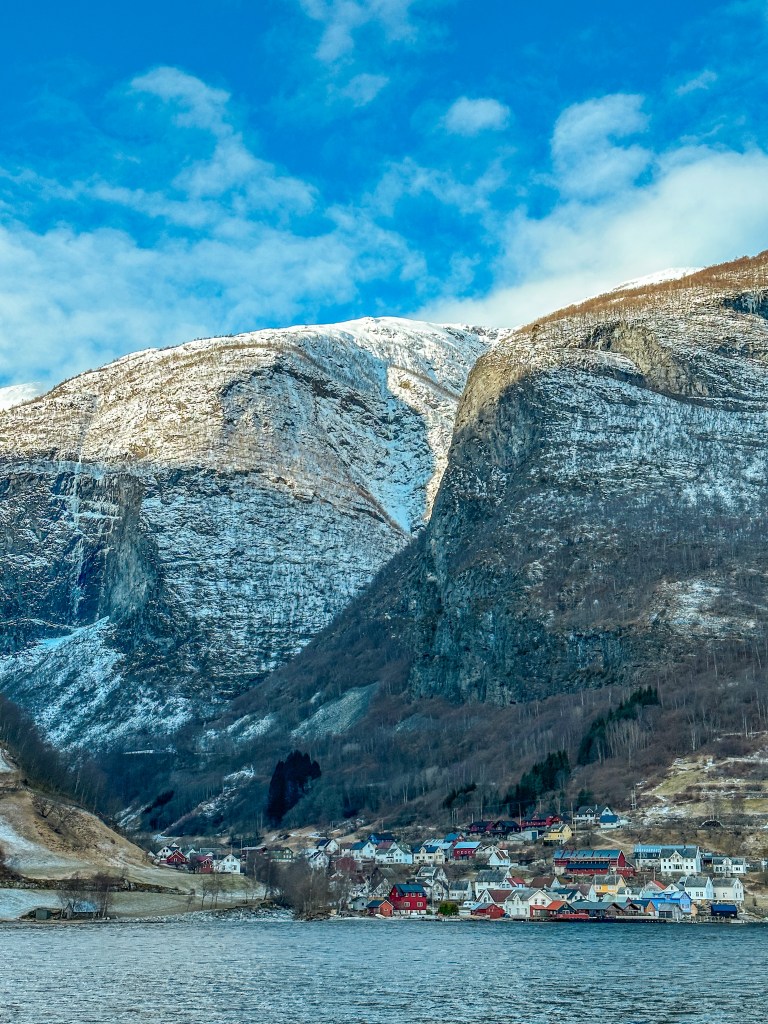
In the city of Myrdal, we hoped on the famous Flåm Railway – which is one of the world’s steepest and most beautiful railway lines. Here we saw frozen and flowing waterfalls (including the Kjosfossen falls), steep fjords, and frozen rivers.

Upon arriving in the city of Flåm, we spent the afternoon touring the tiny, charming town and ate a traditional lingonberry dinner at Ægir Brewery (one of the best craft breweries in Norway).

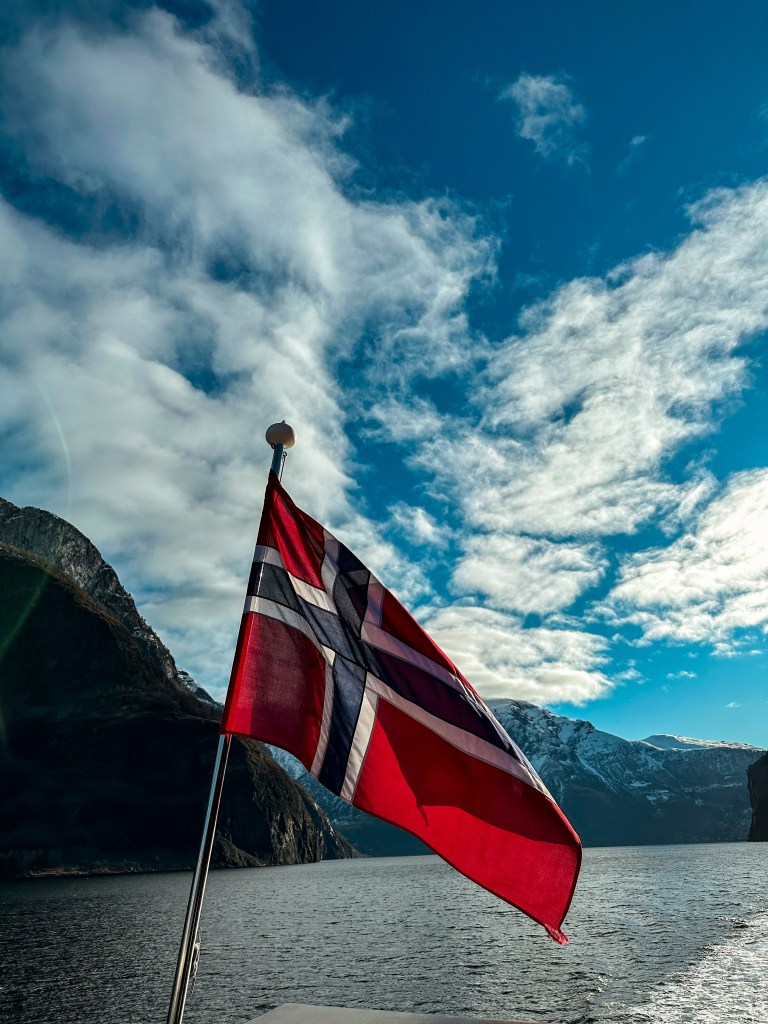
The next day we set sail through the Norwegian fjords, even passing through Nærøyfjord, which is the narrowest fjord in all of Europe. The views on this boat cruise were truly breathtaking! I would go so far as to say, I don’t think I’ve seen a more beautiful place.

We also ended up in the city of Voss, which has been deemed “Norway’s extreme sports capital” and is a popular skiing, rafting, and hiking location. Most people on this leg on the journey were in snow pants and had their ski poles ready to go.

We can definitely see why Lonely Planet called Flåmsbana the “best train journey in the world,” and we couldn’t recommend it more to anyone who visits Norway.

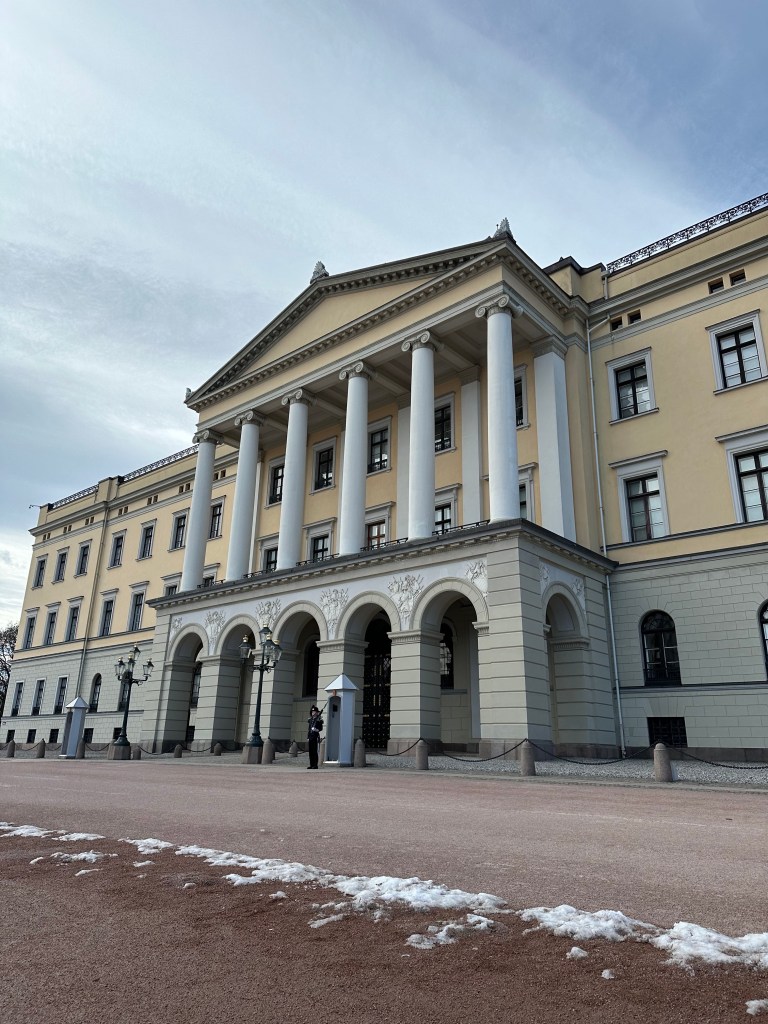
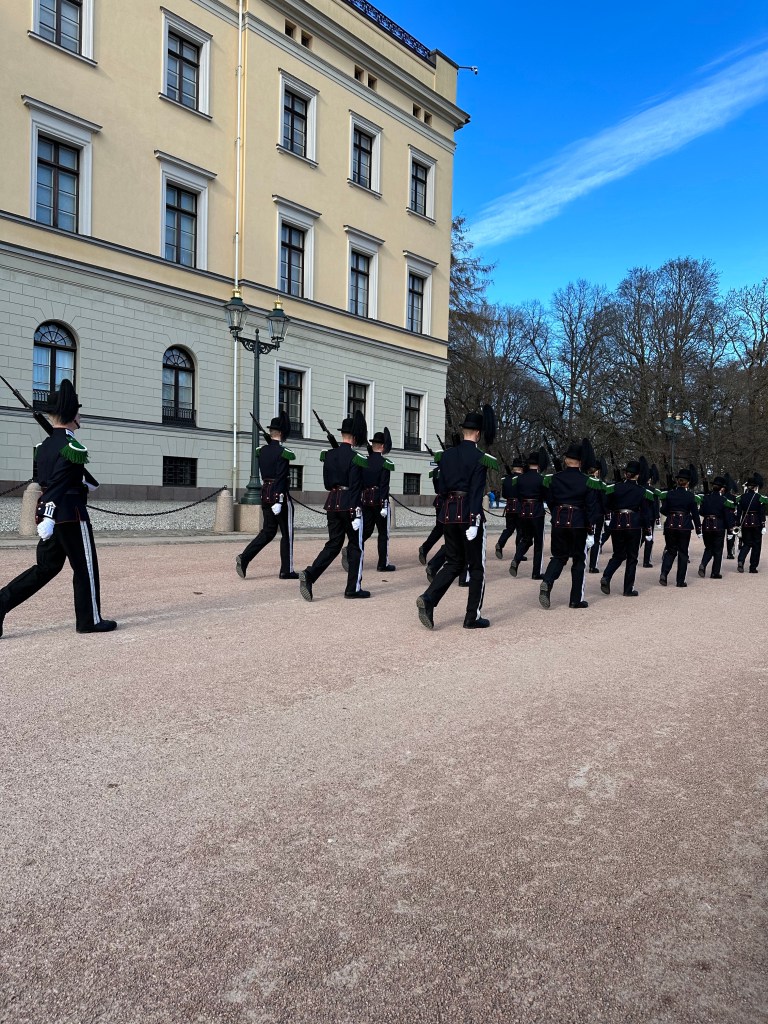
Oslo, Norway

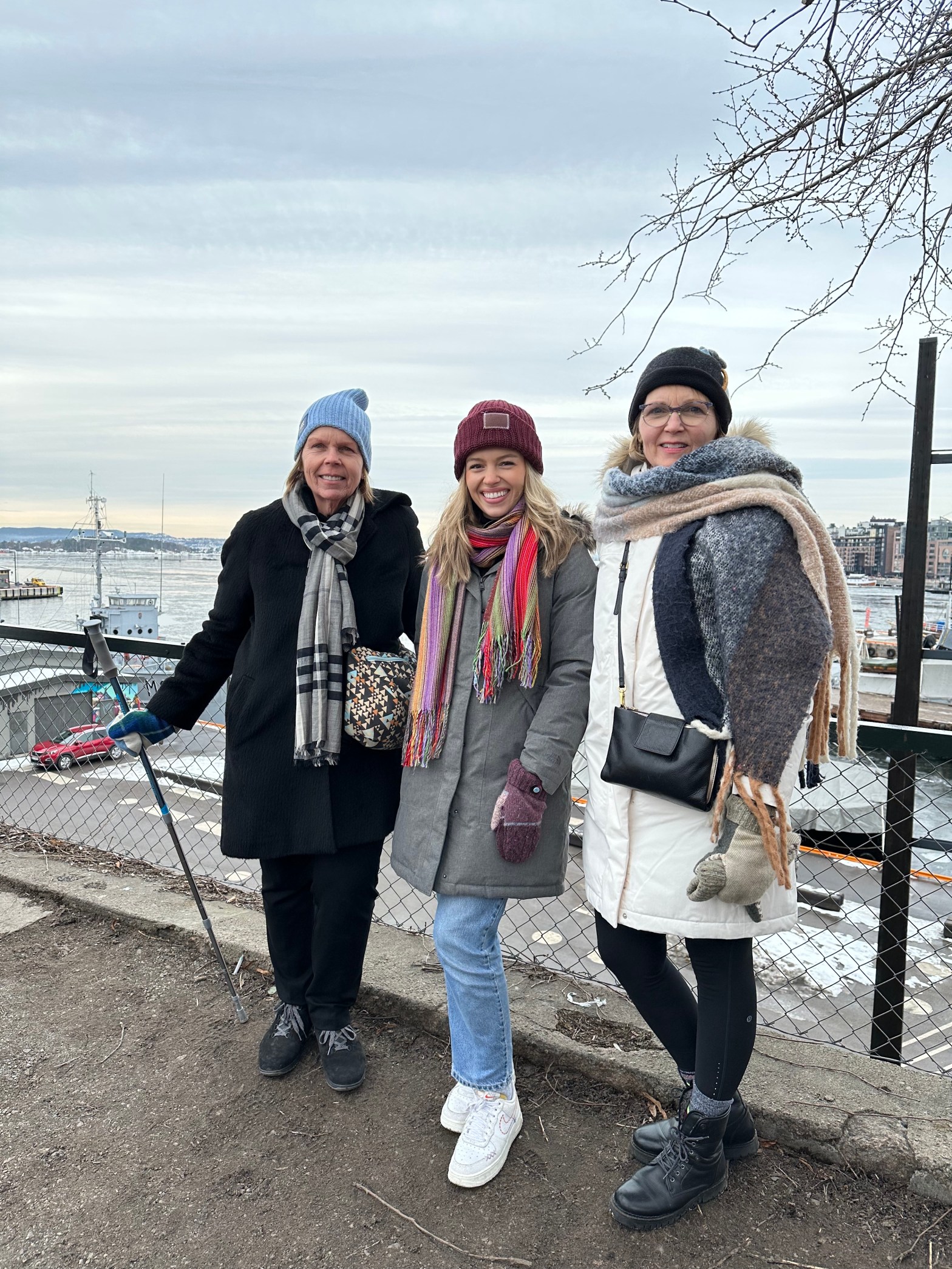
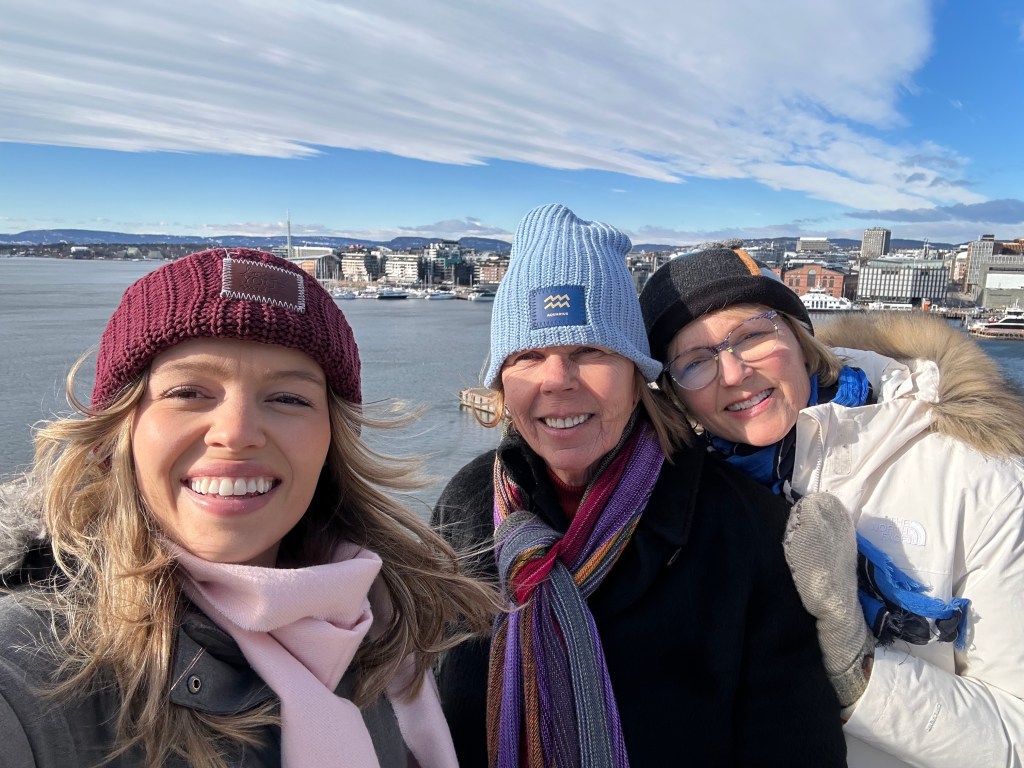
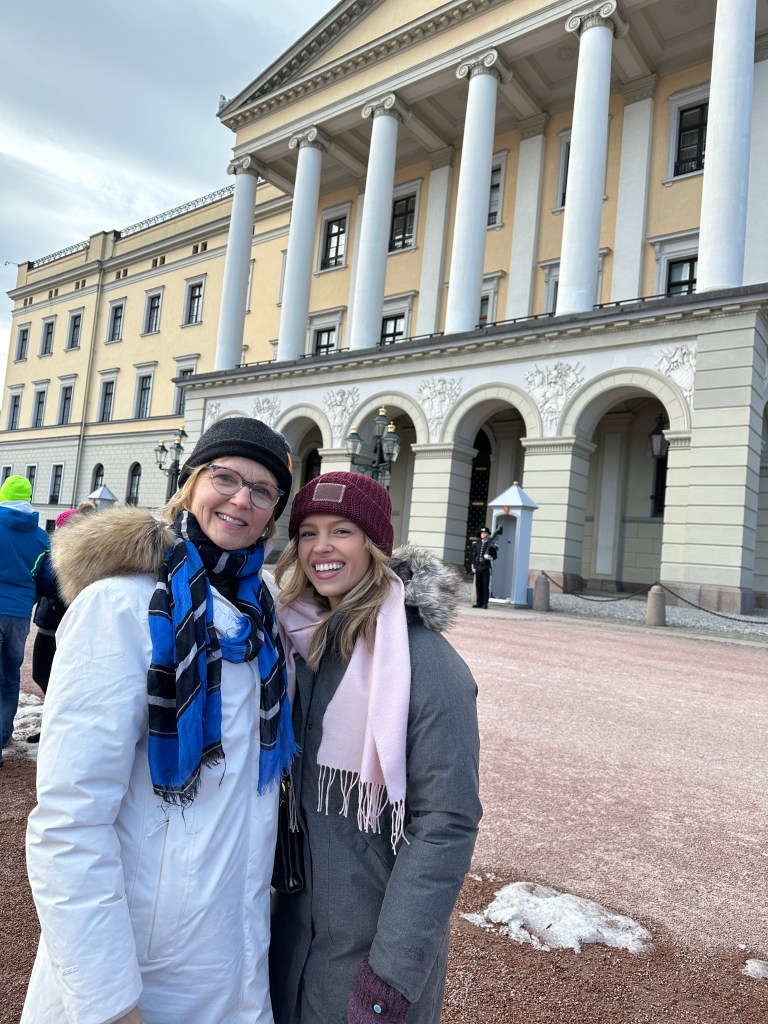
After Helsinki, we arrived in Oslo, Norway and spent a few days there.

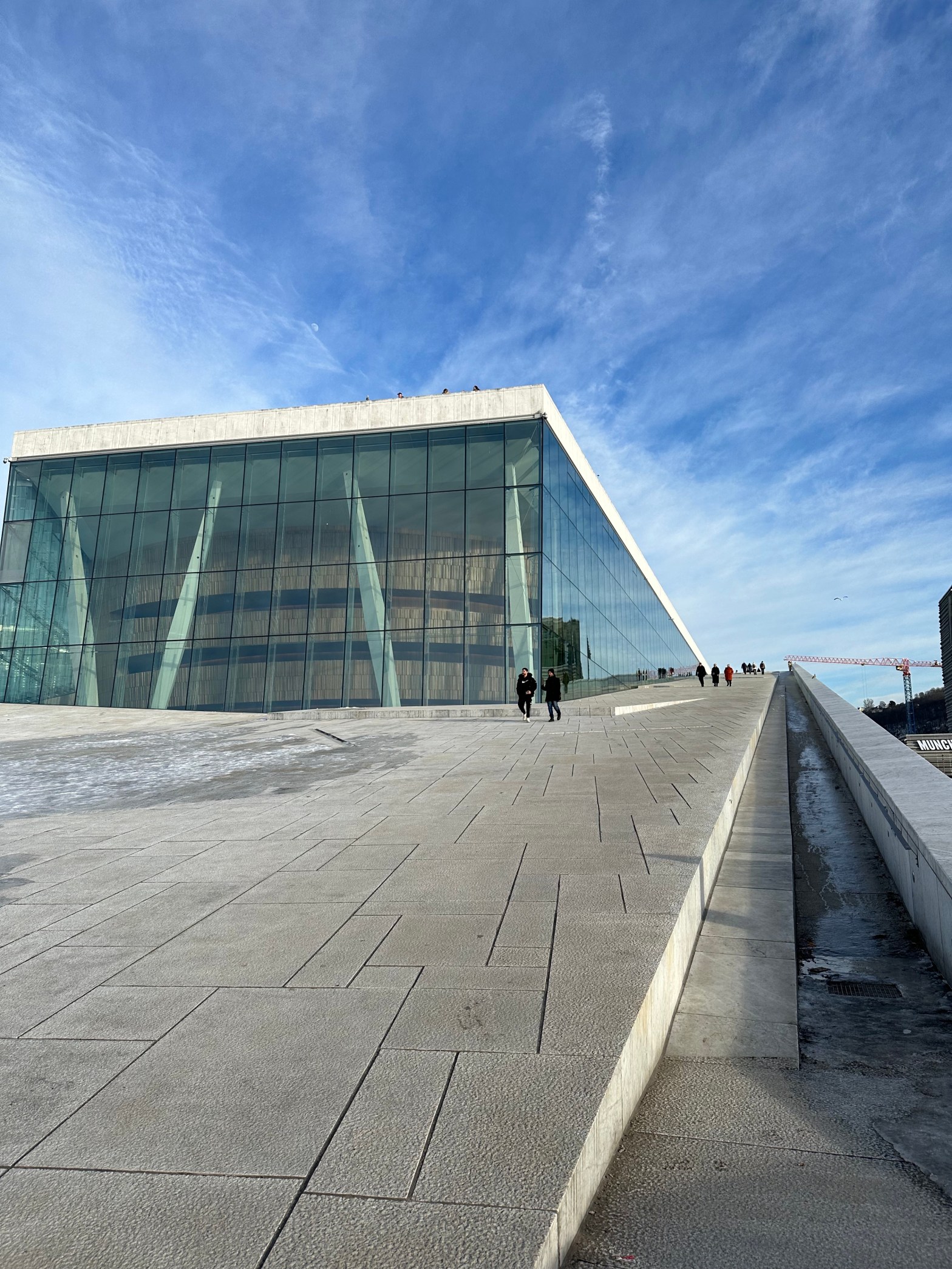
This included a walking tour (like always), many delicious meals (Oslo Street Food Market, Café Cathedral, Girotondo Pizza, Taverna’n), and 10,000+ steps every day.
After spending time in Sweden, Finland, Norway, and Denmark, I see how similar and homogenous Scandinavia is, largely due to close proximity and politics over the centuries. This trip reminded me how much I love the cleanliness, eco-consciousness, safety, and minimal design of Northern Europe (although, I haven’t missed how expensive things are here).
While these countries have similar characteristics (like eating reindeer meat and lingonberries and having similar flags) there are of course things that make each city unique.

For example:

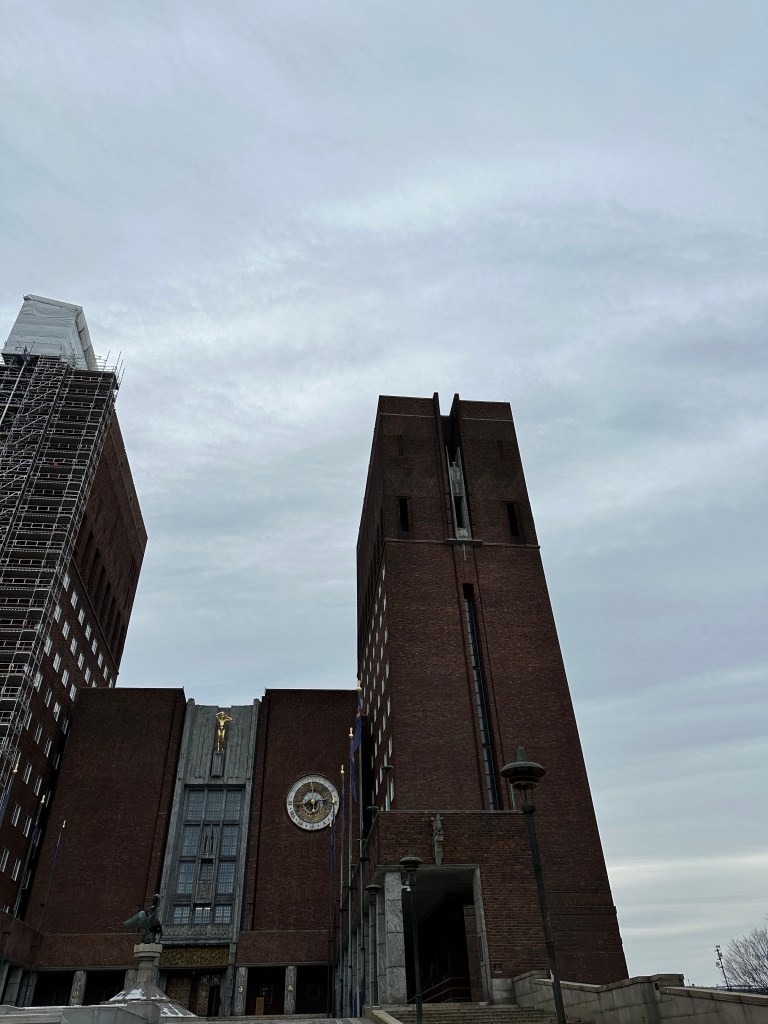
  • The Nobel Peace Prize is awarded every fall at Oslo’s City Hall.
  • Oslo is called Tiger City and there is a tiger status at the central station, because the popular Norwegian poet Bjørnstjerne Bjørnson wrote about a fight between a horse (representing the safe countryside) and a tiger (meaning the exciting and happening city).
  • To thank England for their support during World War II, Oslo gifts London a Norwegian Spruce Christmas Tree that gets put up in Trafalgar Square each year. Fun fact: Brev and I were able to see this tree on our Christmas trip to London this year.
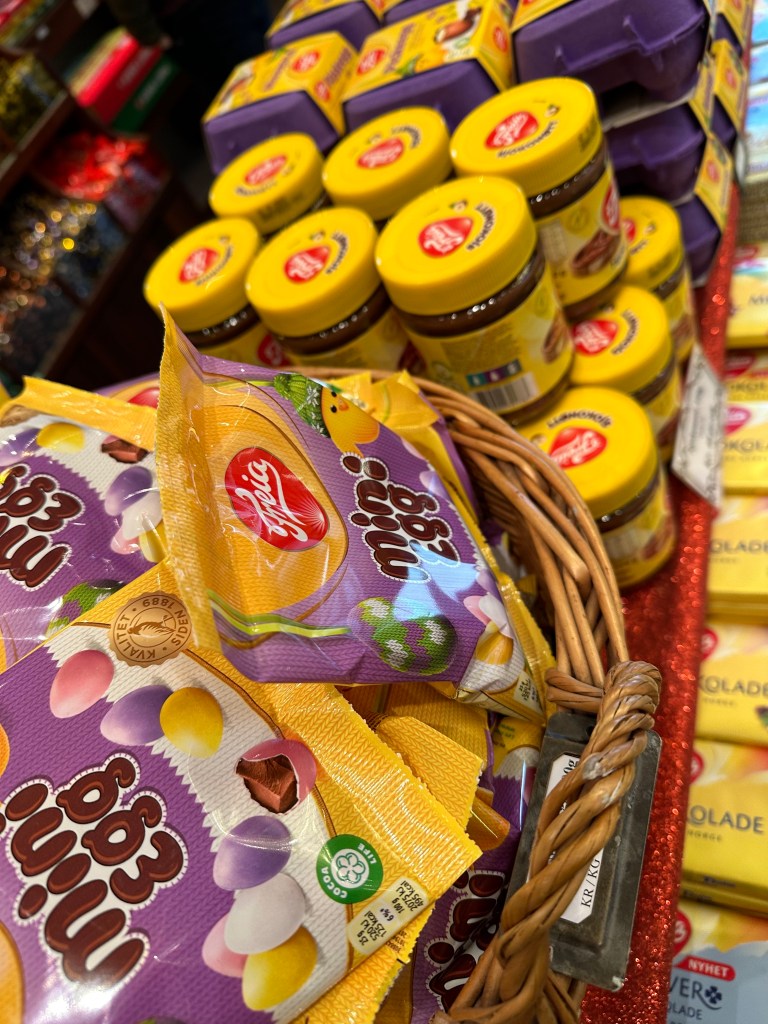
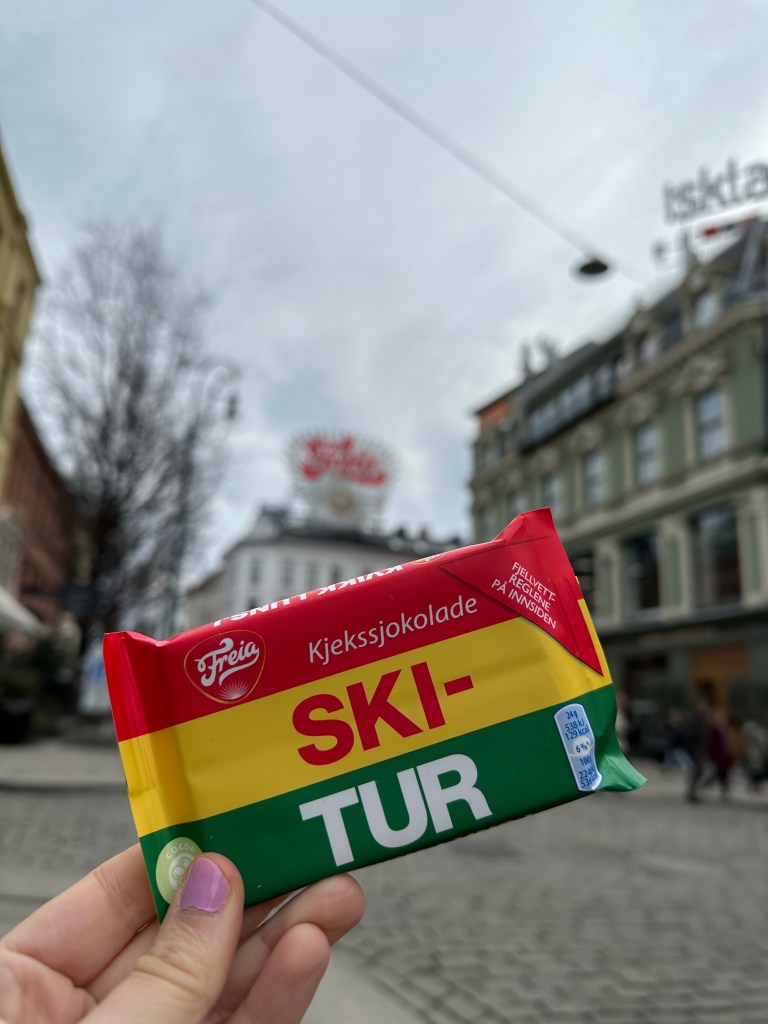
  • Freia Chocolate (1920) is Norway’s most popular chocolate brand, known for their milk chocolate (Melkesjokolade). Their tagline is, “A little piece of Norway.” We went to their store in Oslo and thought their chocolate was delicious (although we’ve never met a chocolate we didn’t like). 😉 We also saw Freia’s electric illuminated advertising sign in Oslo, which was the first of its kind in the city when it was put up on Christmas Eve 1909.

Sauna

Like I mentioned, there are saunas everywhere in Finland and they’re an important and popular part of daily culture.

There are saunas in:

  • Every apartment (typically in each individual unit but if not, then a shared sauna in the basement)
  • A Burger King
  • A coal mine
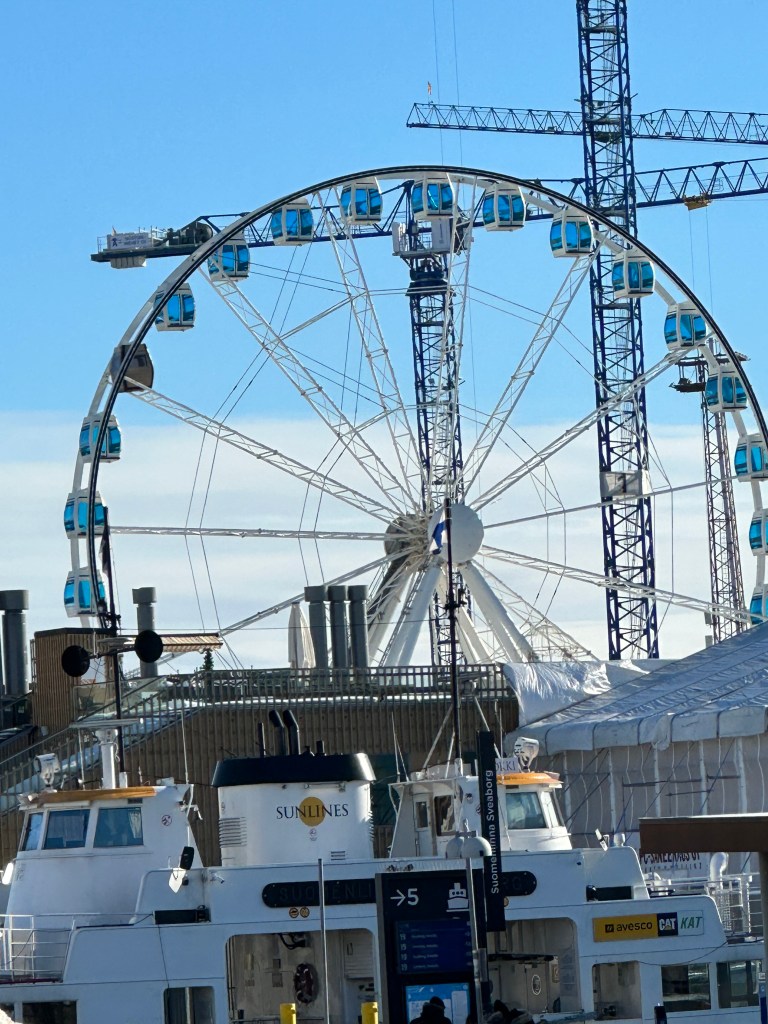
  • A Ferris wheel car (can you see it in the image below?)
  • The universities
  • The Prime Minister’s office and other government buildings

In public saunas swimsuits are mandated, but in most saunas everyone is nude.

We also learned about a Finnish wedding tradition where future brides, grooms, and both sets of parents sauna together nude. By stripping off their clothes, they’re more vulnerable and get to know each other better. (Personally, I’m so glad this isn’t an American custom 😉).

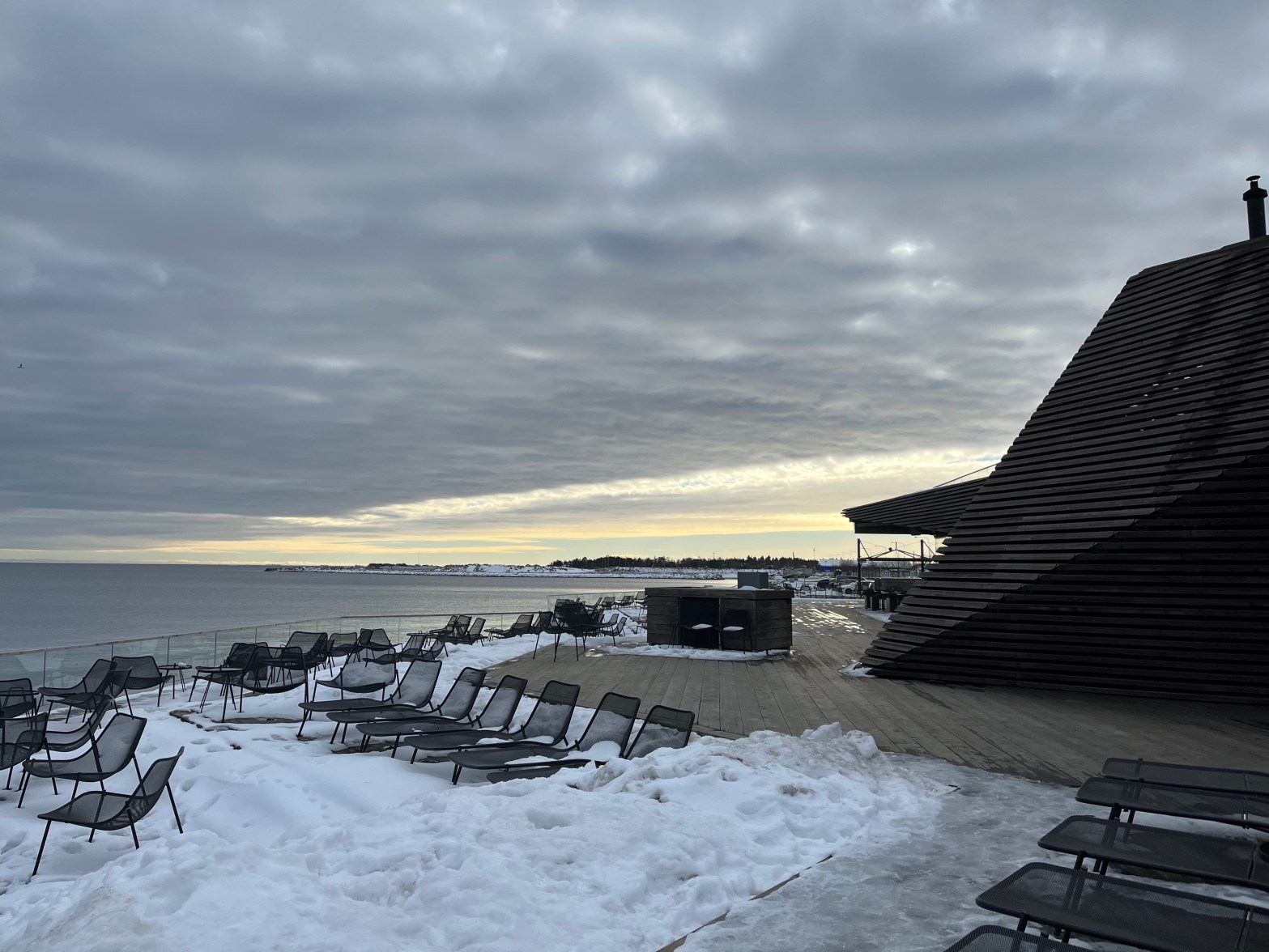
While we were in Helsinki, we went to Löyly sauna, where we all jumped in the freezing Baltic Sea after we got hot enough. Then we sat by the fire and had local Karhu beers (a pale lager), which is traditionally accompanied by a roasted sausage, per Finnish sauna customs.

It was a lot of fun.

Helsinki, Finland

We had a wonderful two days in Helsinki, Finland!

We started off with dinner at Passio, which had a surprise menu concept that was so much fun.

The following day, we went on a walking tour where we learned all about Finland and Finnish culture. In general, we were so impressed with their quality of life, incredible public services, trust, and of course the many saunas.

Some key takeaways from our tour:

People: Finns are said to be private, introverted, and unsmiling. Our tour guide joked that a normal Finn will look down at their own shoes, but a social Finn will look down at their friends’ shoes. In general, Finns are incredibly trusting and believe that everyone is “good.”

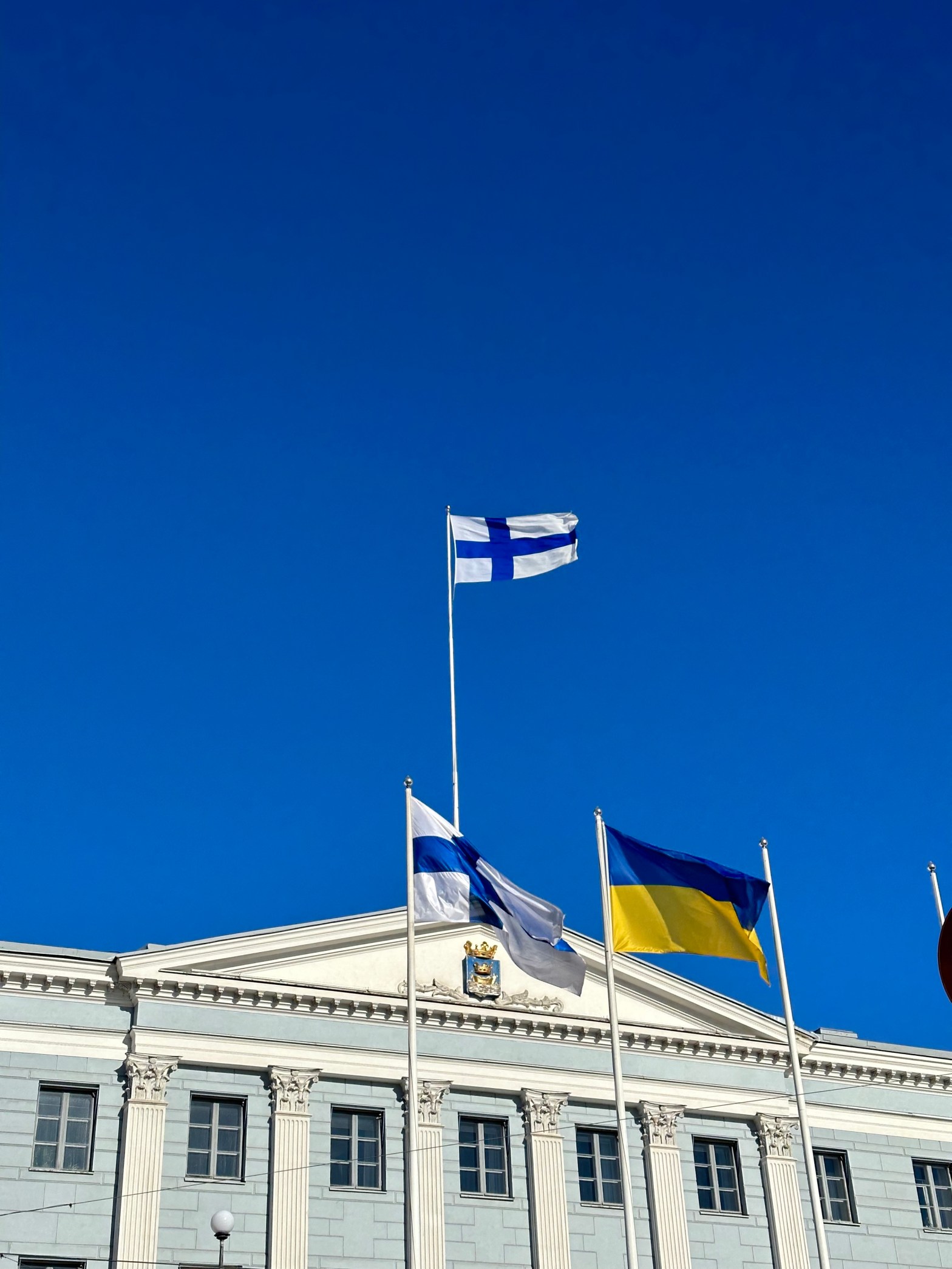
Government: Finland had to mandate that their government is 50% men and 50% women, because the ladies were taking over. Our guide said it’s common to see elected officials out and about, at the movies, bars, etc. Their Prime Minister, Sanna Mirella Marin (the youngest female Prime Minister in the world), made news recently because a video of her partying was leaked. While it was a big news story across the globe, apparently in Finland most Finns couldn’t understand what the big deal was because “it’s perfectly normal to go out.”

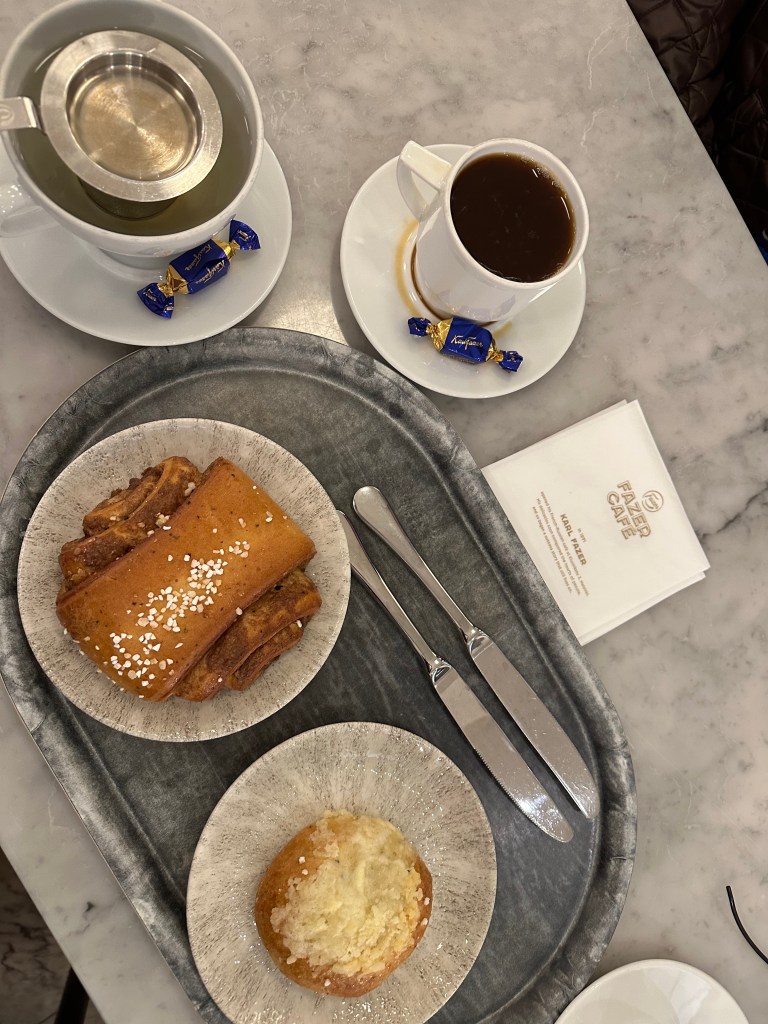
Food: Traditional food is typically fish, reindeer, and brown bear. We tried the creamy salmon soup from Kappeli and traditional butter and cinnamon buns from Frazer Cafe.

Education: Finns teach independence at a very early age, so they’re capable people that are brought up by the same set of rules/standards. It isn’t uncommon to see seven-year-olds taking public transportation by themselves (since they’re taught how to use public transportation in school and are given free access to it). At age 16, students’ public transportation and books are “no longer free.” Instead, the government pays each child a small sum to use on transportation and books, to teach money management. Additionally, the school system isn’t focused on standardized testing like it is in the United States and school is only about 20 hours a week. Since Mondays are transition days from the weekend, school is only 3 hours (how awesome).

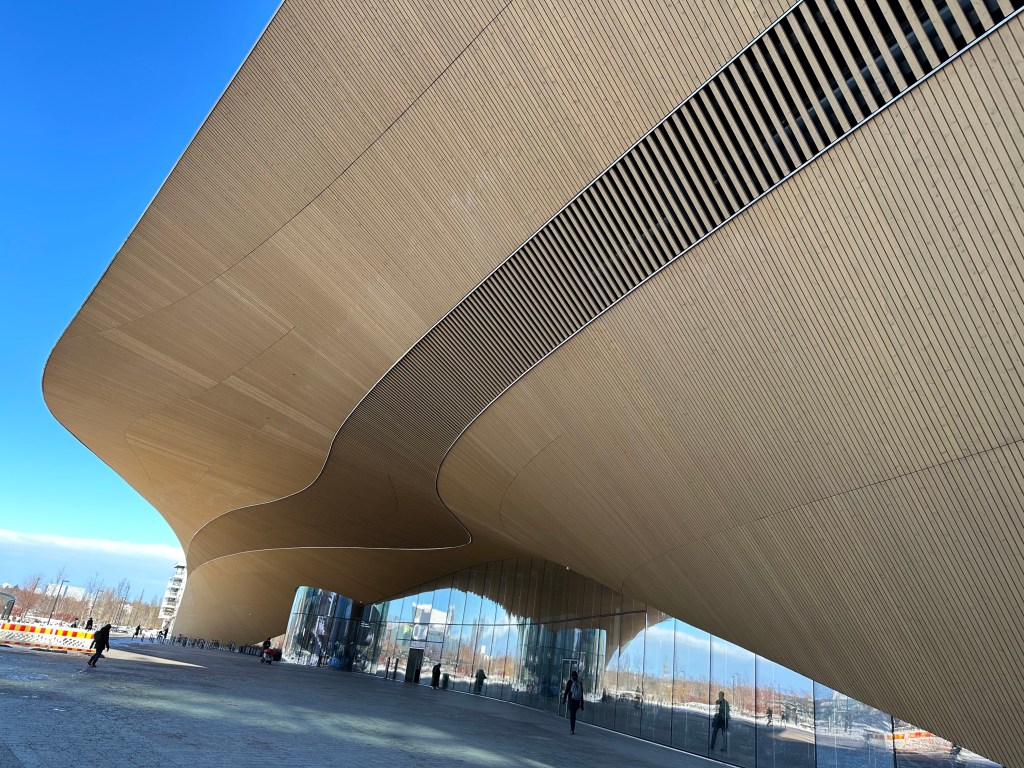
Libraries: We could not believe the size, resources, and popularity of the libraries in Finland. In addition to books, movies, music, and games, Finns can borrow power tools and other utensils from their library. The library we visited had a ton of shared coworking spaces to reserve, 3D printers, recording studios, sewing machines, mannequins to create clothes, kitchens to host dinner parties, gaming systems (Xbox, PlayStation, etc.), the list goes on. We saw a play area for young children that had about 20 babies and their mothers there socializing. The library also had a restaurant and coffee shops. You truly could spend days in a Finnish library.

Saunas: For now, let’s just say there are saunas EVERYWHERE (another blog on this coming soon).

Overall, we had a wonderful time in Finland. As the Finns say, “moi moi”!

Family Heritage Trip

After my mom wrapped up her month-long artist residency in Finland, we decided to make a trip out of it.

I met her and my aunt Sandy, in Helsinki, Finland before we traveled around Norway via their scenic railway.

My mom and aunt really wanted to take this trip, as their maternal grandparents (my great grandparents) immigrated to the U.S. from Finland and their paternal grandparents came from Norway. My mom and aunt remember the Finnish and Norwegian traditions their grandparents brought over to the U.S. and practiced until they died.

Hilma (and her husband Matt) continued speaking Finnish throughout her life and never admitted that she understood English. Their Norwegian grandma, Gena (and her husband Alfred) did speak English, and her main way of sharing her culture was by baking traditional cookies and dishes. 

While I never met Hilma, Matt, Gena, or Alfred, I did think it was incredibly special to be in the homelands of my ancestors and thought of my grandparents, Lily and Leonard, often.

Ghent

Brev had a day off last week, so we were able to visit Ghent!

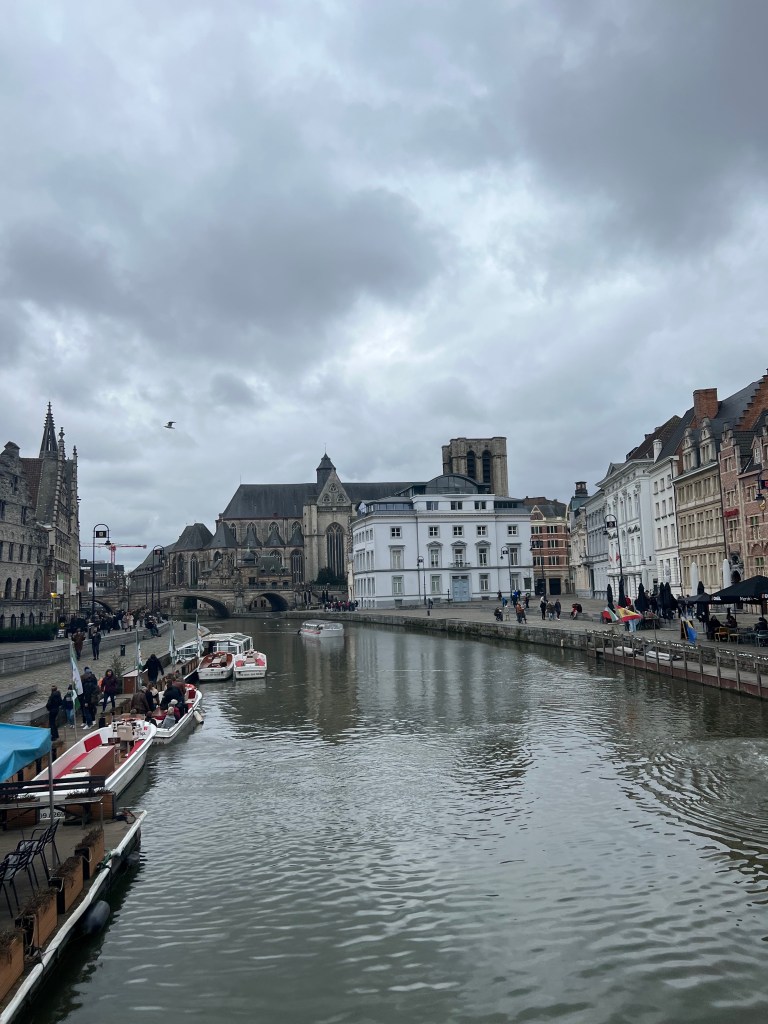
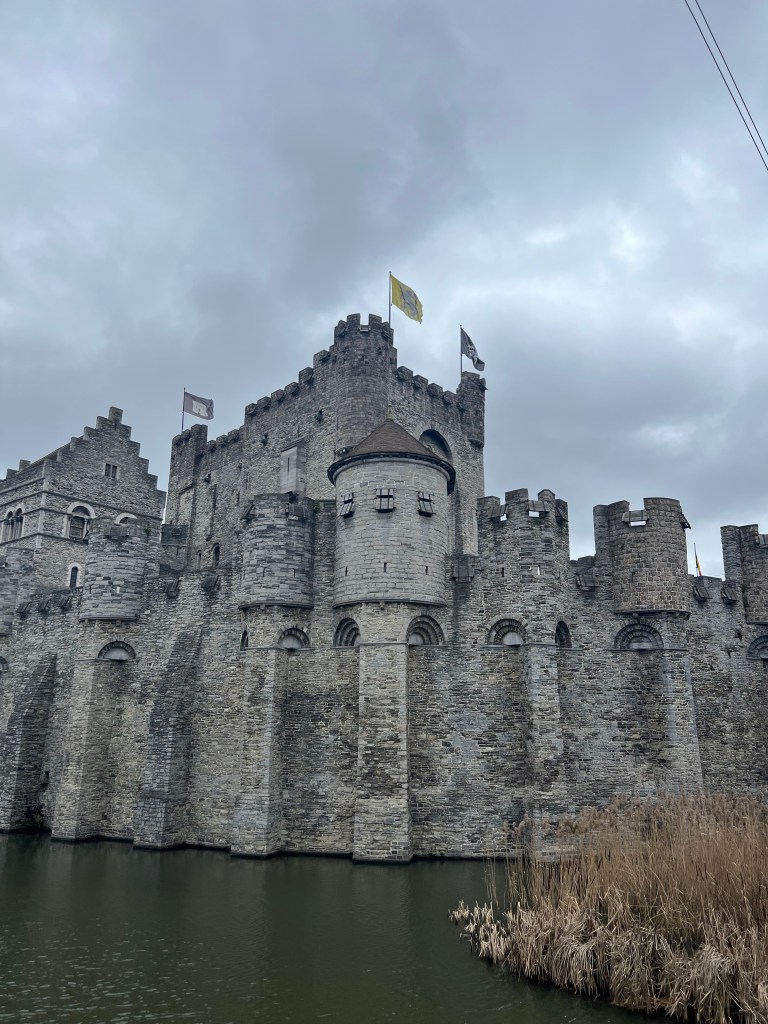
We had a great time walking around and sightseeing. Ghent is a charming university city with lots of canals and things to see, like The Castle of the Counts (a medieval castle built by the Count Philip of Alsacein in 1180) and the Ghent Belfry tower.

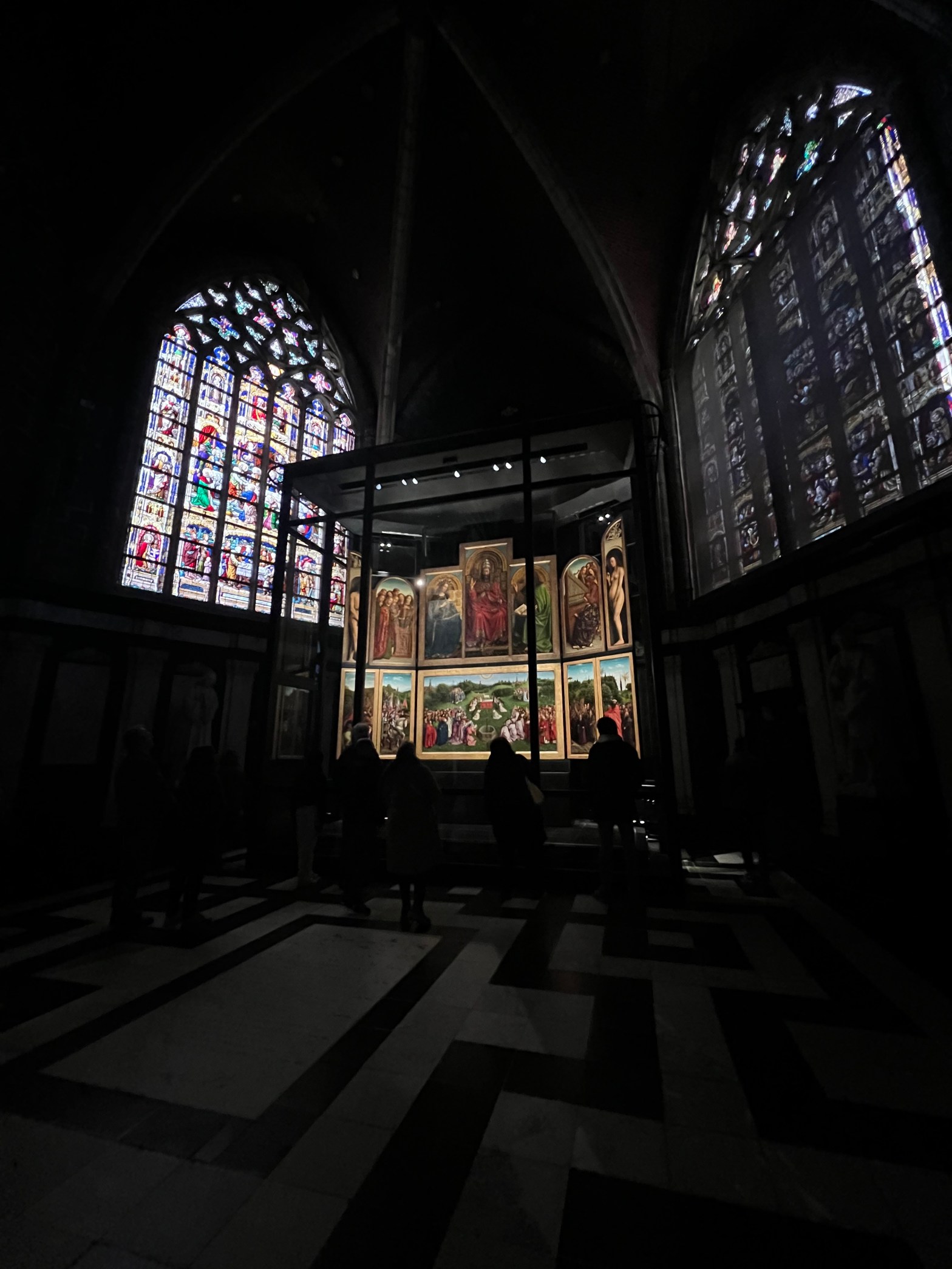
Our favorite part of the day was visiting St. Bavo’s Cathedral, a 10th century Romanesque church that was converted during the 15th and 16th centuries to the Gothic style.

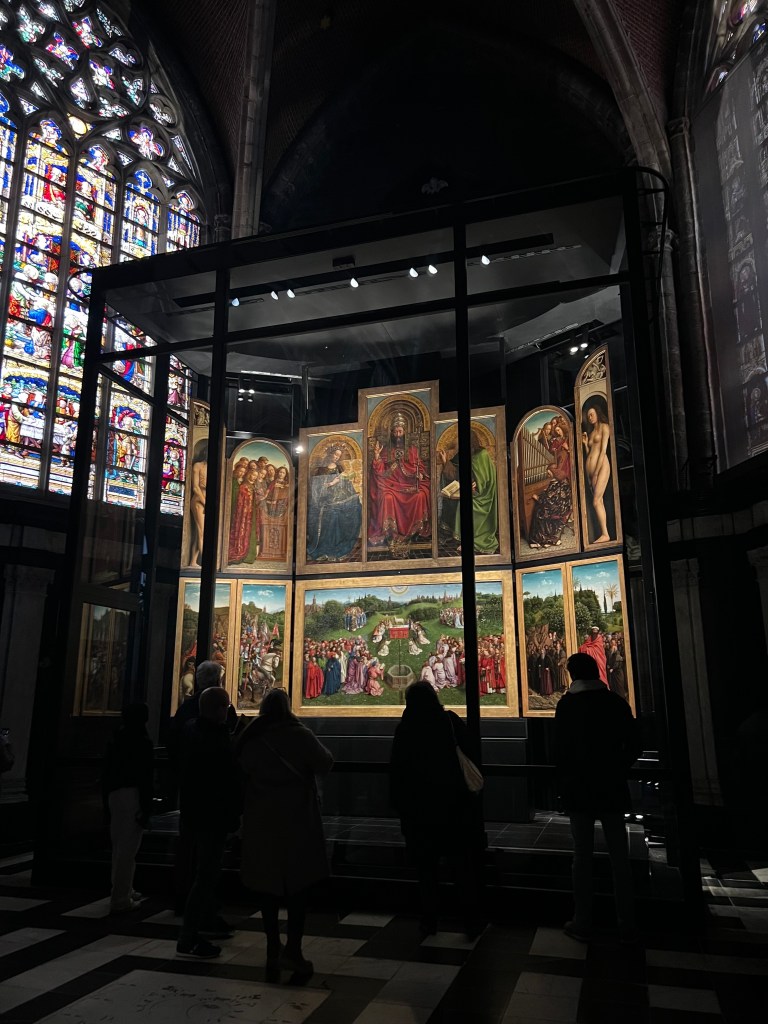
The cathedral is home to the world-famous Ghent Altarpiece (1432), “The Adoration of the Mystic Lamb” by the Van Eyck brothers. Hubert van Eyck started the Ghent Altarpiece but sadly passed away, so his younger brother (and pioneer of Flemish painting and oil paint master) Jan completed it.

“The Adoration of the Mystic Lamb” is a symbol of Christ and Christ’s death. It’s made up of 18 panels and depicts scenes from the Bible. It also has portraits of the church warden, Joos Vijd and his wife, who commissioned the altarpiece.

The altarpiece has survived transportation, changes in temperature and humidity, attacks with a saw, fire damage, and thieves (and one of its panels is still missing today).

On our tour of the cathedral, we were given VR goggles to explore the crypt of the cathedral and learn more about the Ghent Altarpiece. It was a lot of fun!  

Amsterdam Recs

Some of my best friends from home visited us at the end of January. 

We had the most wonderful time exploring Brussels and Leuven, Belgium and Amsterdam, Netherlands. 

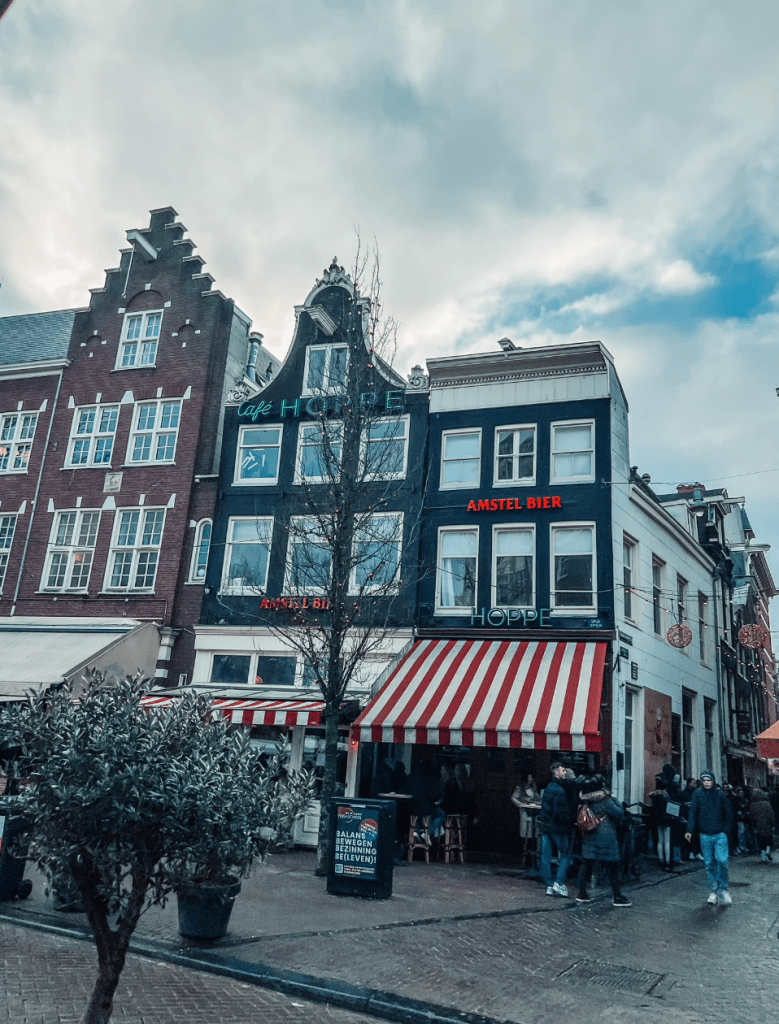
My friends had never been to Europe before, and I think Amsterdam was a perfect city for us to visit because it’s super walkable and easy to get around. There is also a very wide range of things to do, no matter your interests.  

In addition to some of the recommendations I wrote about in December (link to that blog post), here are some additional recommendations from a girlfriend of one of Brev’s teammates who lives in Amsterdam.

Restaurants 

·       Karavaan: https://www.karavaanamsterdam.nl/en/about-karavaan 

·       Five Brothers Fat: fivebrothersfat.nl

·       Neni: Home – NENI Amsterdam (neni-amsterdam.nl)

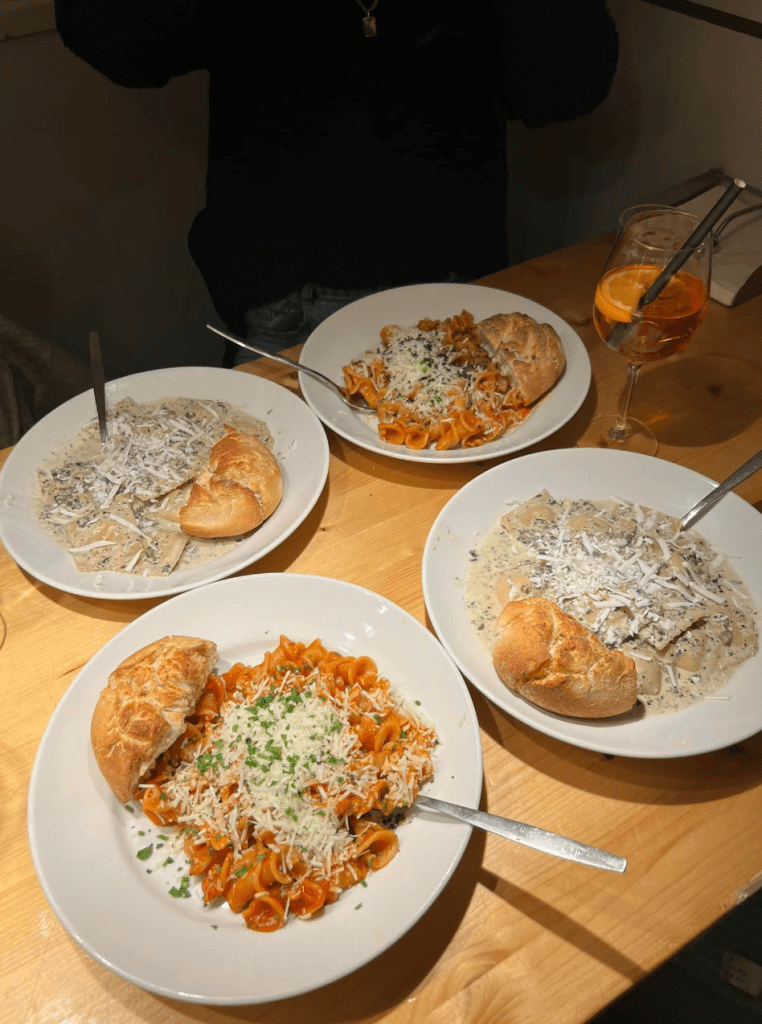
·       Spaghetteria: spaghetteria.nl (we had the best pasta of our lives here) 

·       De Japanner: dejapanner.com (Japanese street food)

·       De Foodhallen: https://foodhallen.nl/ (We shared a couple dishes here from the various vendors and it was so much fun with a ton of delicious options) 

·       Pllek (Noord): pllek.nl

·       Café Restaurant Amsterdam: caferestaurantamsterdam.nl

Bars/Clubs

·       Leidseplein is the fun going out/bar neighborhood for locals 

·       Chicago Social Club (in Leidseplein) this is where everyone told us to go 

·       Chin Chin Club (Rozengracht)

Shopping/Markets

·       Nine Shopping Streets: https://de9straatjes.nl/en/home 

·       Albert Cuyp Market (Large street market)

·       Kalverstraat (Major shopping street)

Misc

·       Flagship Luxury Canal Cruise: https://flagshipamsterdam.com/ (There are many different programs doing canal cruises but this one served cheese and wine. We had a lot of fun and they also gave a lot of good info.)

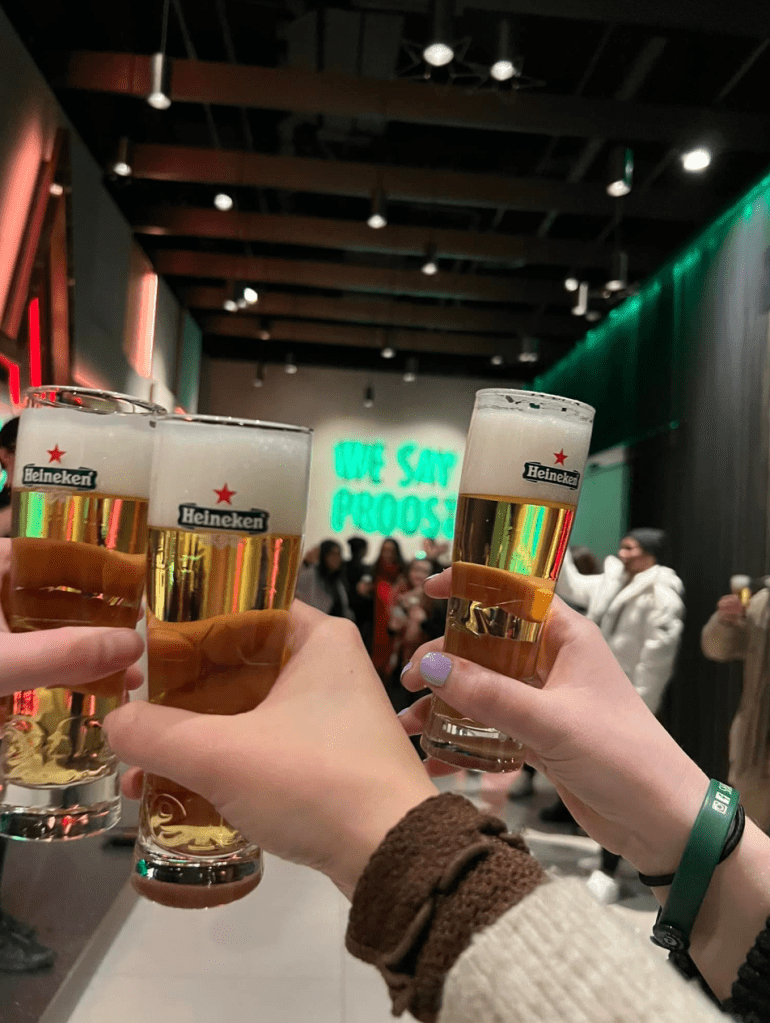
·       Heineken Experience: https://www.heinekenexperience.com/en/ 

Design a site like this with WordPress.com
Get started