Madrid Recommendations

As always, compiling a list of recommendations to share when someone asks me about planning a trip to Madrid. 

Hotel

  • Stay in Puerta del Sol
    • Good, central location and easy to walk everywhere (or hop a metro) 

Things to Do

  • La Gran Via
    • Shopping street
  • Retiro Park
    • Huge park that previously belonged to the Spanish monarchy 
  • Prado National Art Museum
    • They have free admission hours every day, check when that is if you’re planning to go
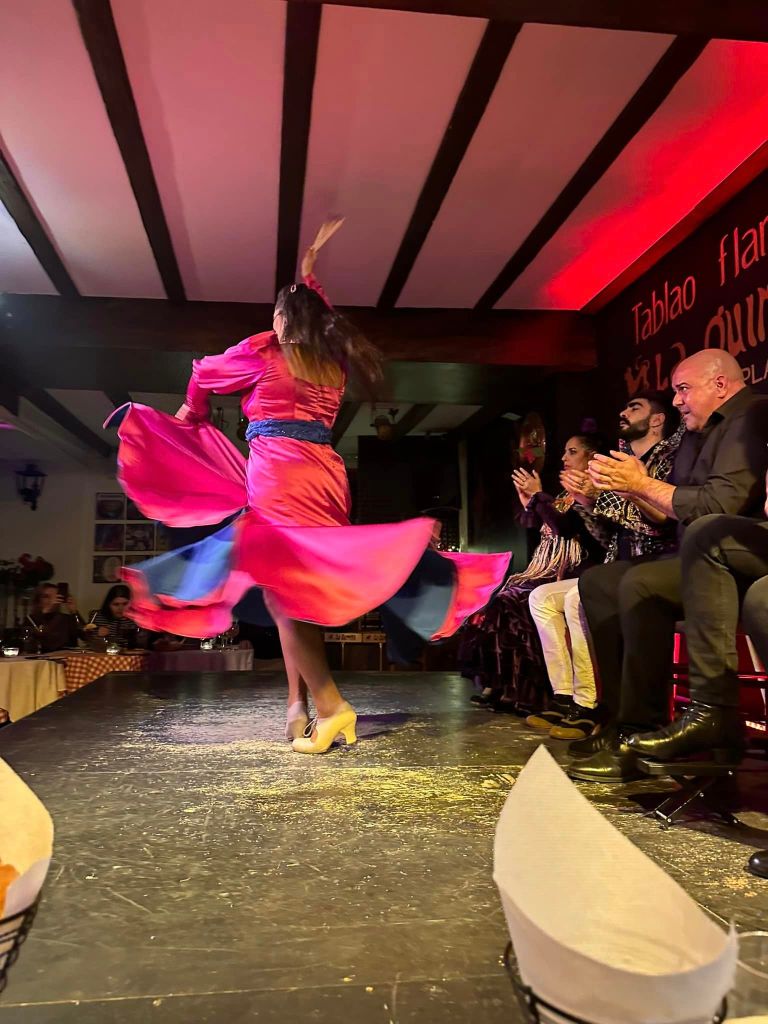
  • See Flamenco dancers
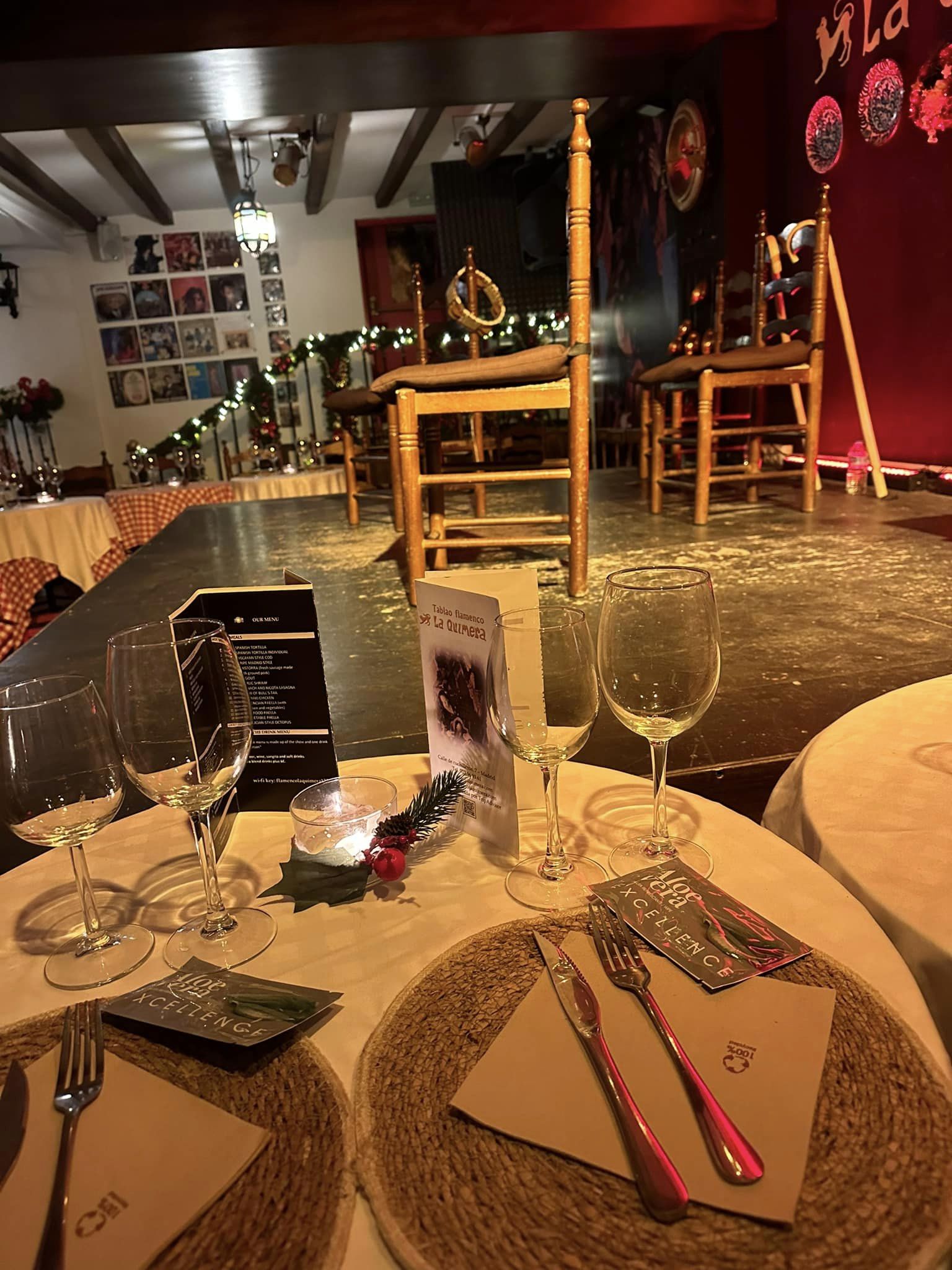
    • We went to Tablao Flamenco La Quimera, which also served dinner  
  • Visit Plaza dos de Mayo (to people watch)

Food and Drink

  • San Gines
    • The oldest/best churro spot in the world
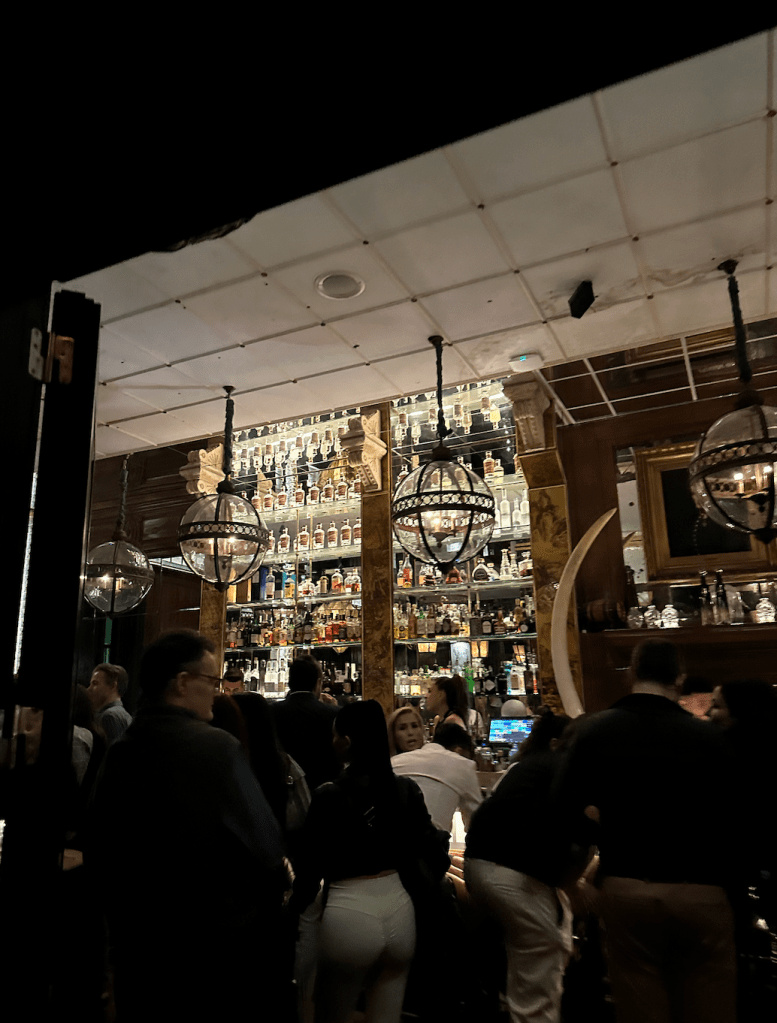
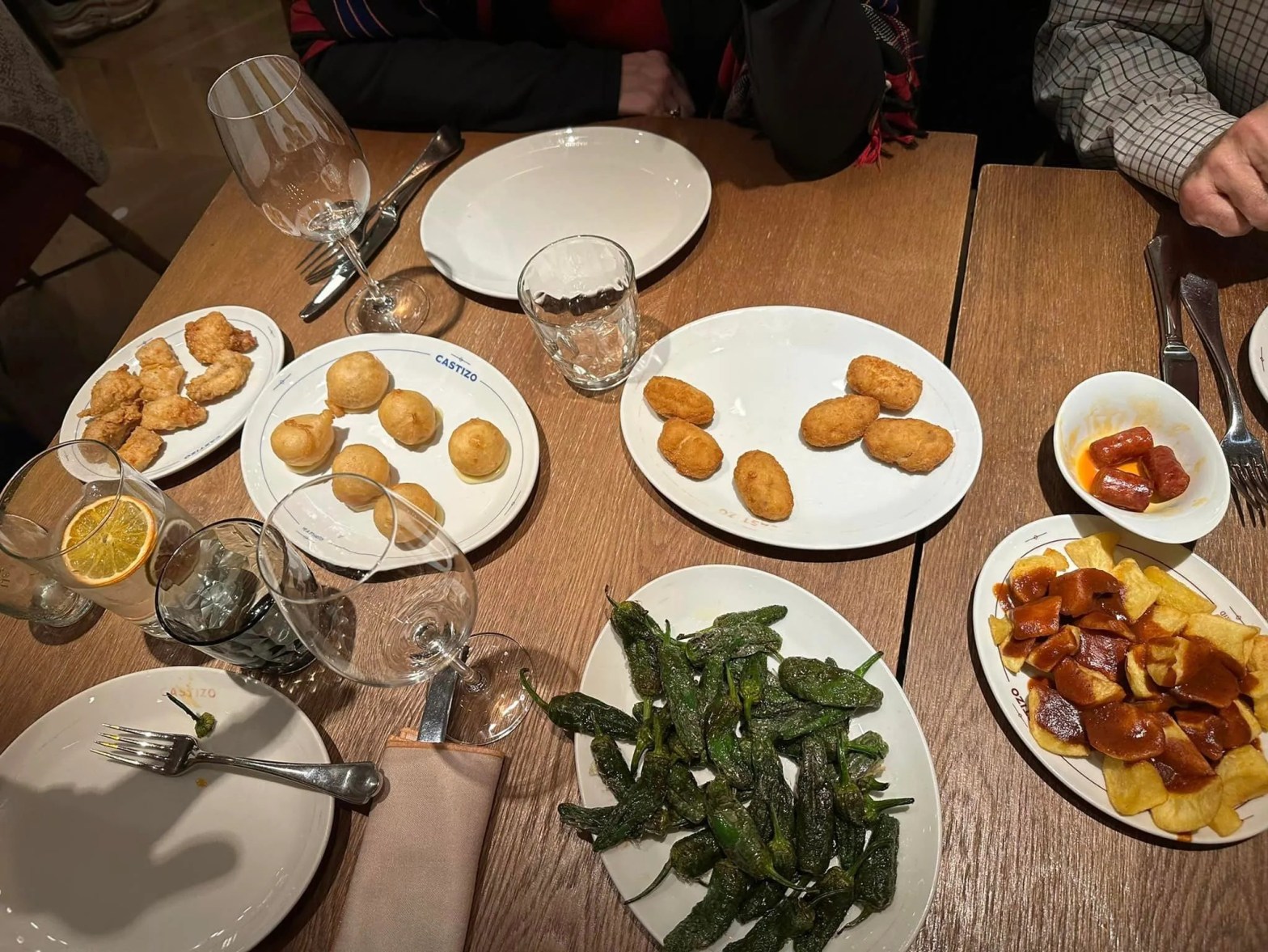
  • We ate Christmas dinner at Castizo, which is part of “Grupo Carbon” restaurants. Check out their website for a list of the upscale, trendy restaurants they own. 

Misc.

  • It’s a flat $30 taxi ride to/from the airport
Spanish Food

We thoroughly enjoyed eating our way through Madrid. I was proud of us for trying pretty much all the traditional food and tapas that they had to offer. However, by the end of our time there we had had enough patatas bravas and just wanted to eat a pizza. 

Huevos Estrellados + Huevos Rotos: A large portion of French fries (sometimes served with sausage, veggies, etc.) topped with fried eggs. You’re supposed to break the egg yolk and milk everything together. 

Churros with Chocolate: We learned that churros are a typical late-night snack, especially after coming home from the bars, or an afternoon snack. It’s usually consumed with a steaming hot cup of thick chocolate. 

Tortilla de Patatas: this is a potato pancake. We were served this at Tablao Flamenco La Quimera, and I don’t think any of us finished it. 

Croquetas de jamón: This finger food is crispy and breaded on the outside and filled with a savory creamy inside (cheese, ham, etc.). 

Gambas al Ajillo: Despite being a landlocked city, seafood is popular in Madrid. My dad ate this dish (shrimp in garlic sauce) at the Flamenco show. 
Patatas Bravas: Crispy fried potatoes that are tossed with salsa or bravas sauce, which gives the potatoes a spicy and smoky taste.

Spanish Flamenco

In Madrid we went to a Spanish Flamenco show at Tablao Flamenco La Quimera, a cozy little basement restaurant and stage.

Flamenco is a traditional Spanish dance, originating in the Andalusian region of Spain. Flamenco has Moorish (Muslim) influences and is said to celebrate the diverse history of Spain.

Flamenco blends music, dance, and singing with rhythmic footwork, handclaps and intricate guitar playing. It’s said the “dance incorporates intricate footwork, graceful arm movements, and powerful expressions to convey a range of emotions, from sorrow to joy.”

We ate a traditional Spanish meal while watching the show, which included paella (a rice, seafood, and veggie dish) and a couple glasses of sangria. The food was a bit underwhelming, but the performance made it worth it! 

Christmas Vacation

In December my parents came to visit for a couple weeks!

Since Brev and I have spent most holidays alone for the past couple years, we were so excited to have family visiting for Christmas and New Year. Especially since Brev had a holiday break from basketball and was able to travel with us.  

While they were here, we got around! In one week, we even averaged walking more than 45 miles (that’s over 6 miles a day). 

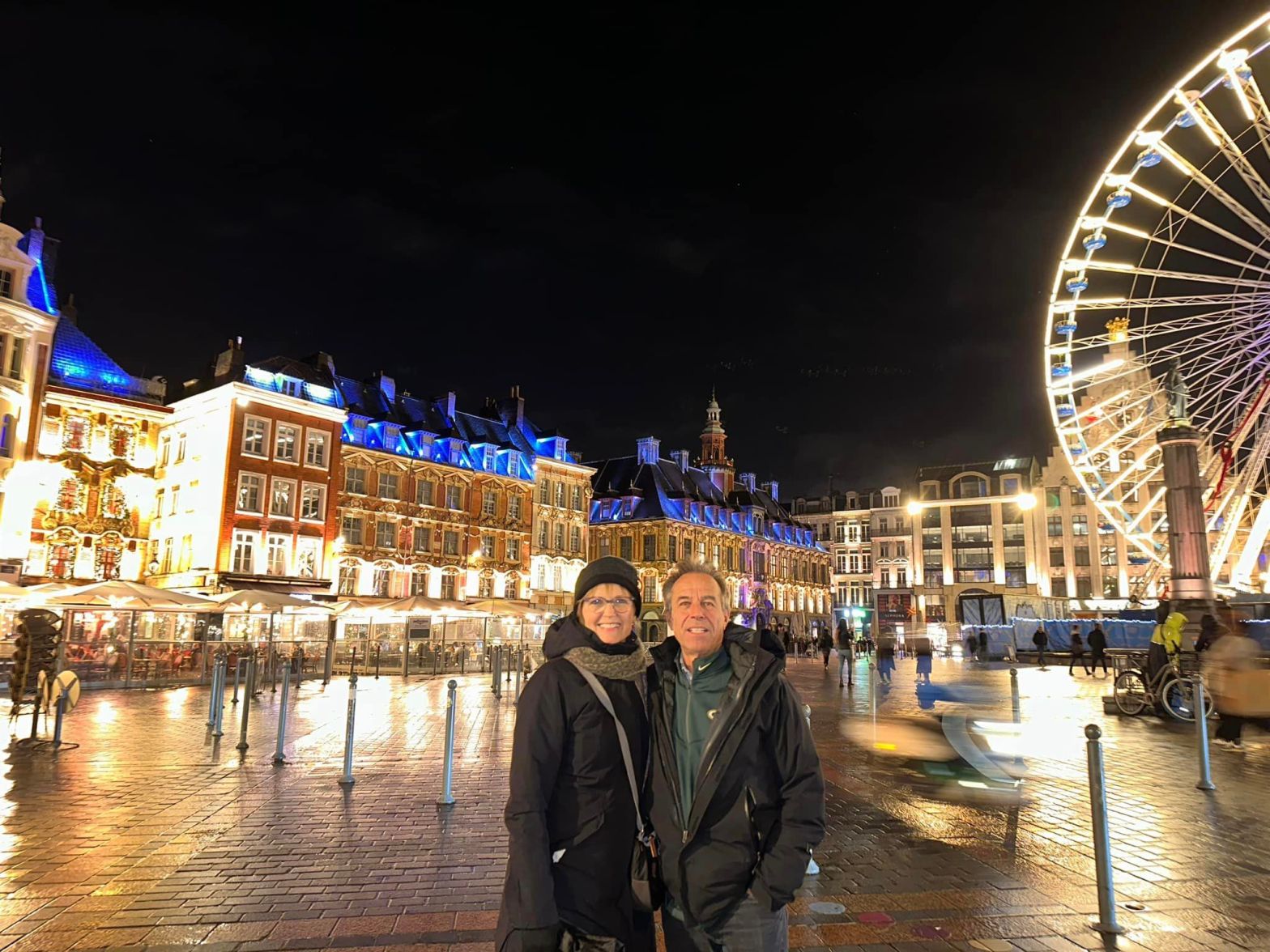
In Belgium we spent time in Kortrijk, Chaleroi, Ghent, Brugge, Tournai, and Leuven. We went to dinner in Lille, France and took a Christmas trip to Madrid, Spain and Lisbon and Porto, Portugal.

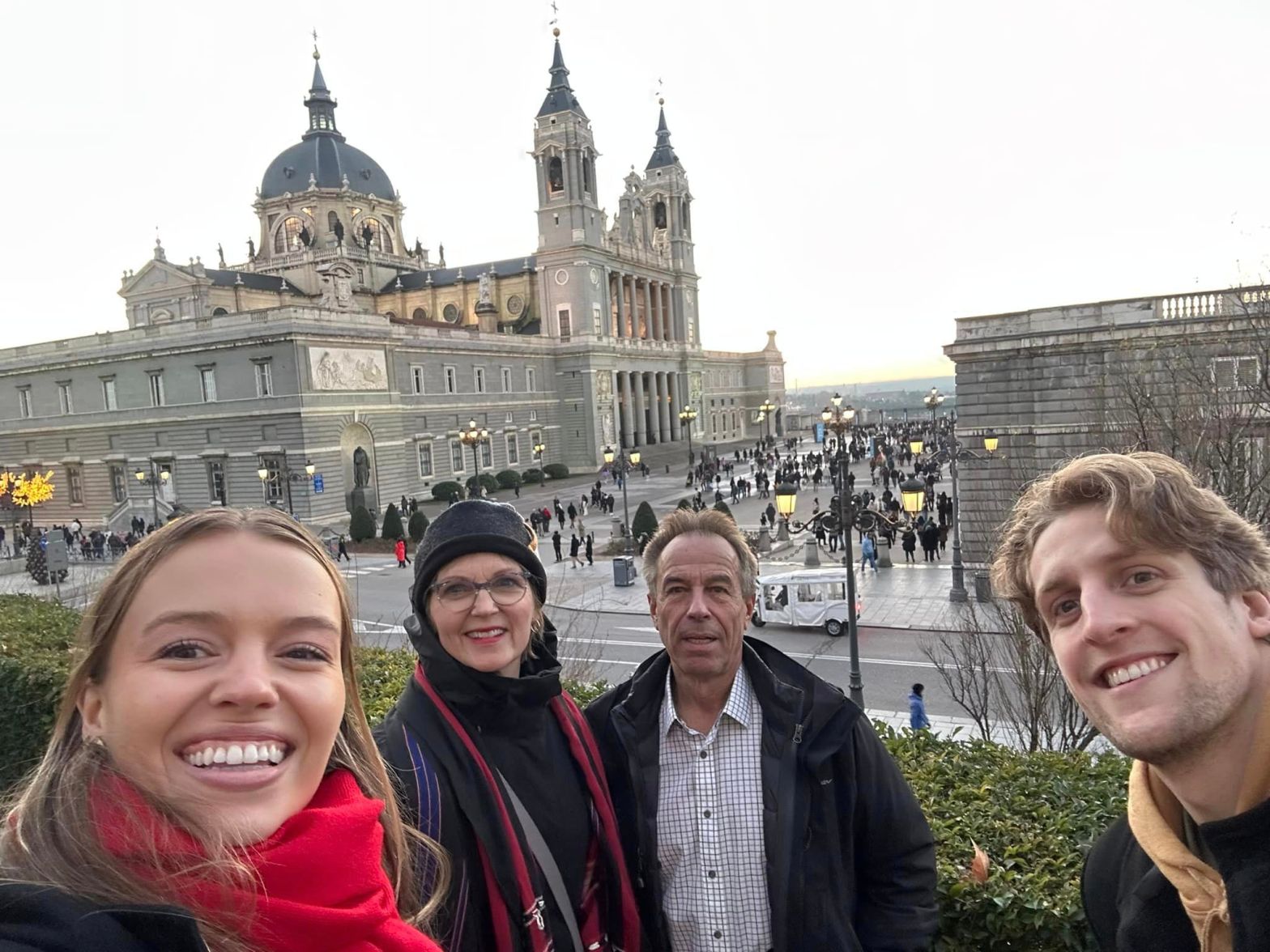
One of our favorite memories was arriving in Spain at 11 pm on Christmas Eve and eating our Christmas Eve meal at one of the few places that were open, Bar Restautante El Aguila, a small Chinese restaurant that served traditional Spanish food from 7 am – 12 am. 

It felt like a scene out of the Christmas Story movie, where the family ate at Chop Suey Palace. LOL.

Sagrada Familia

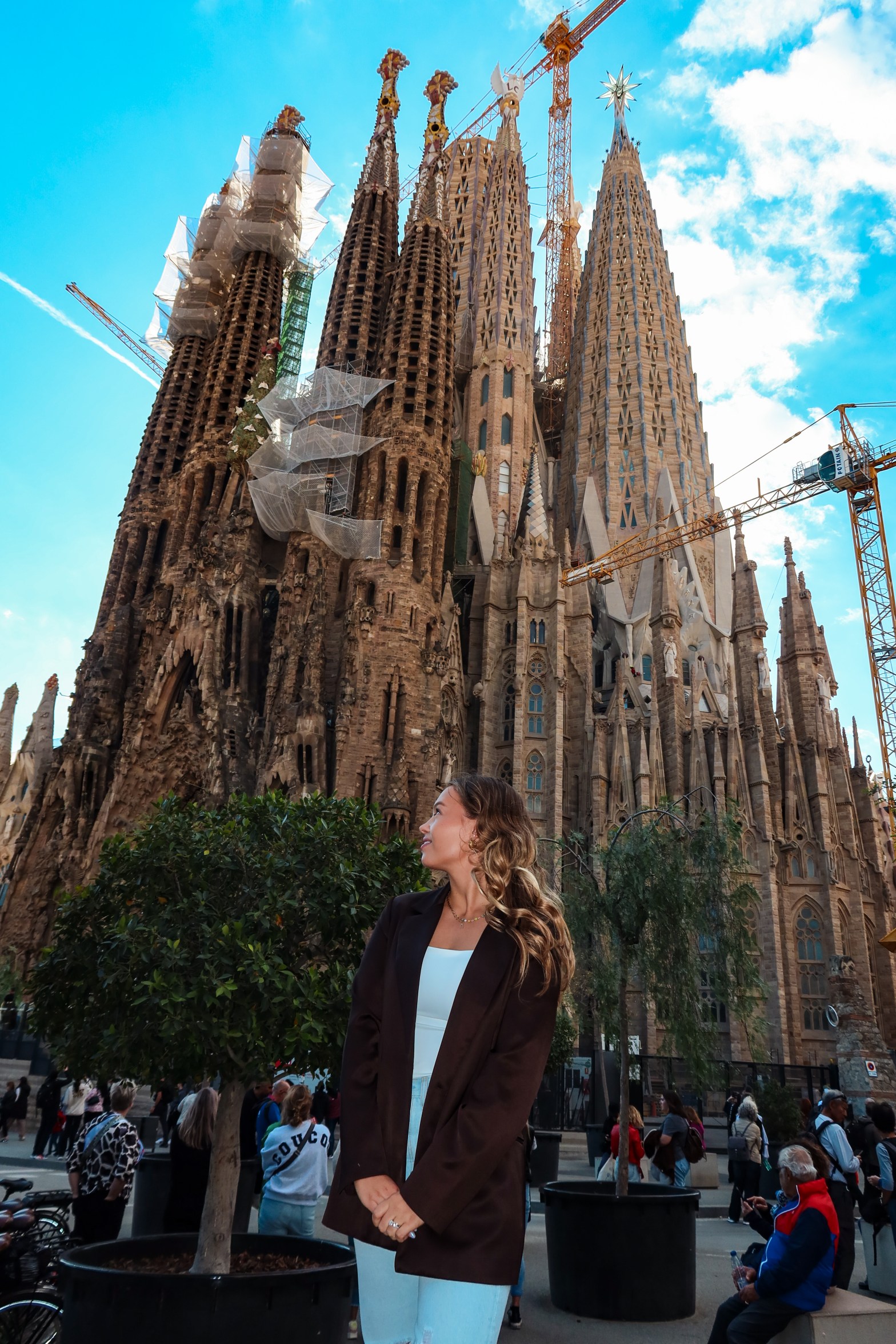
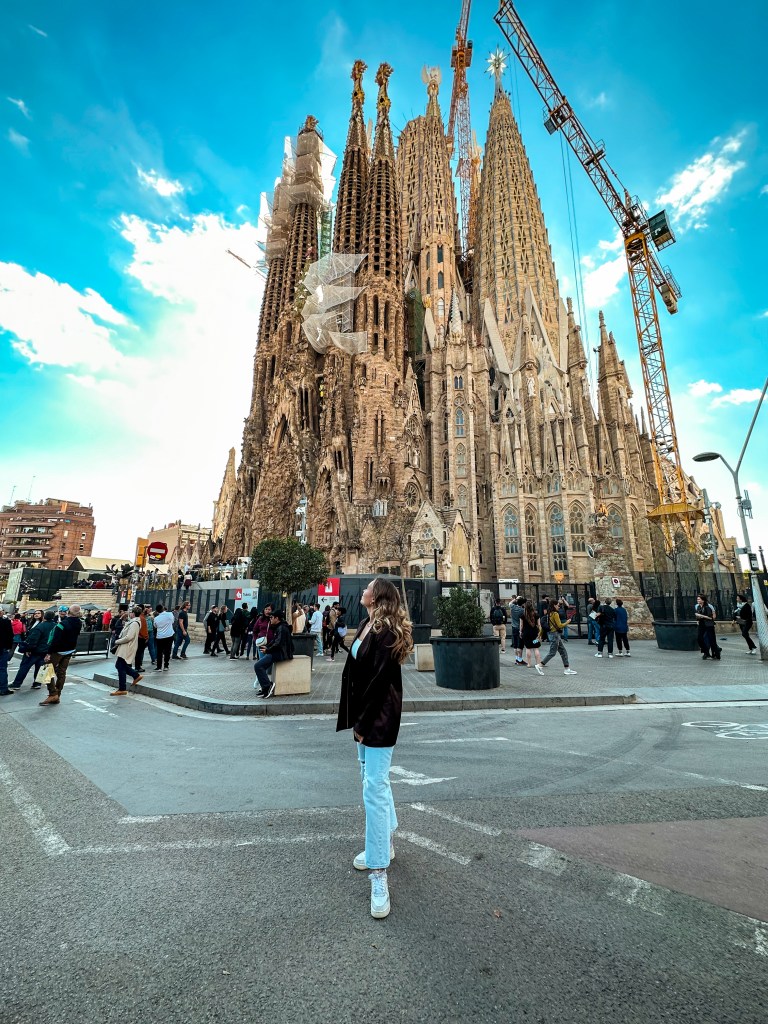
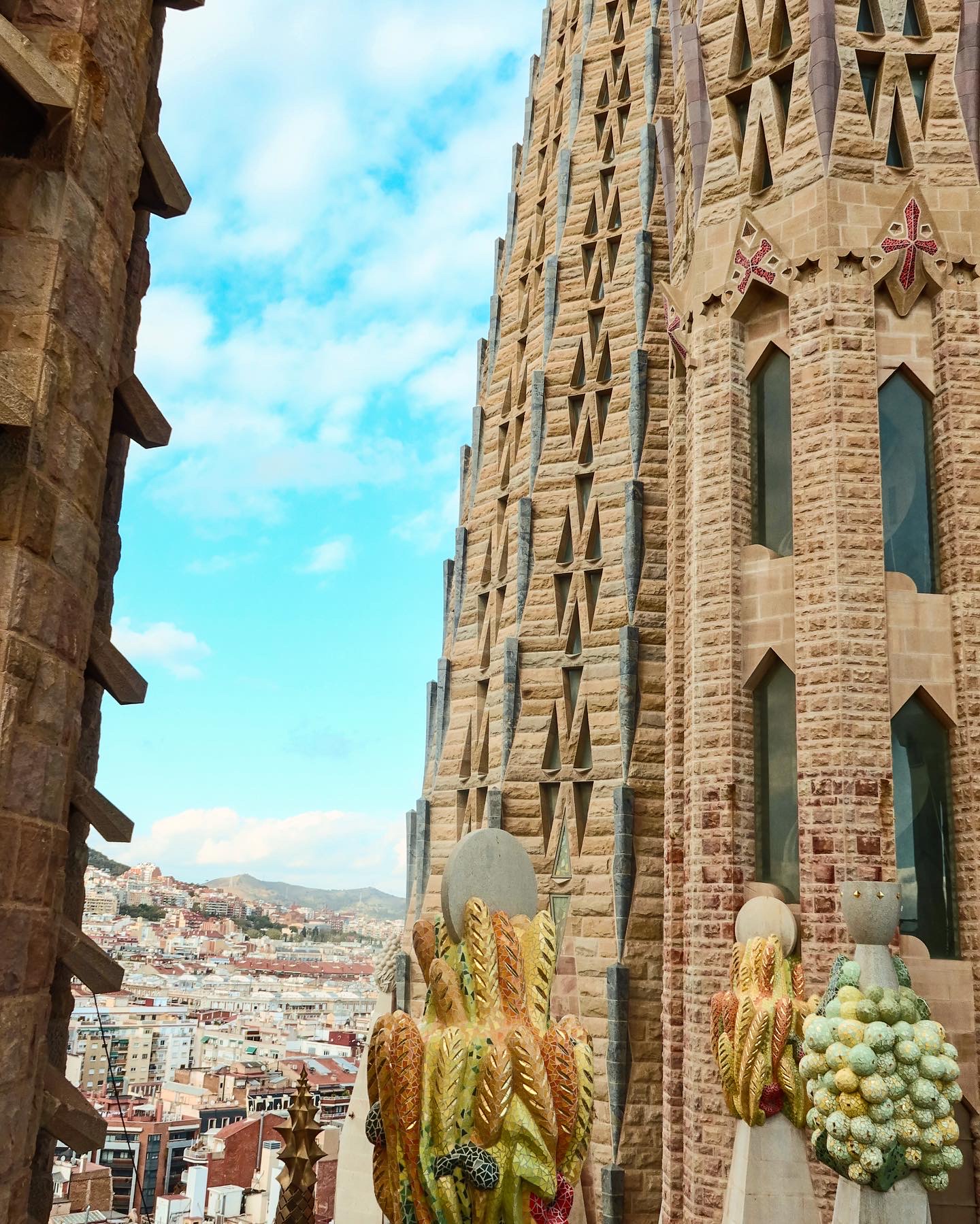
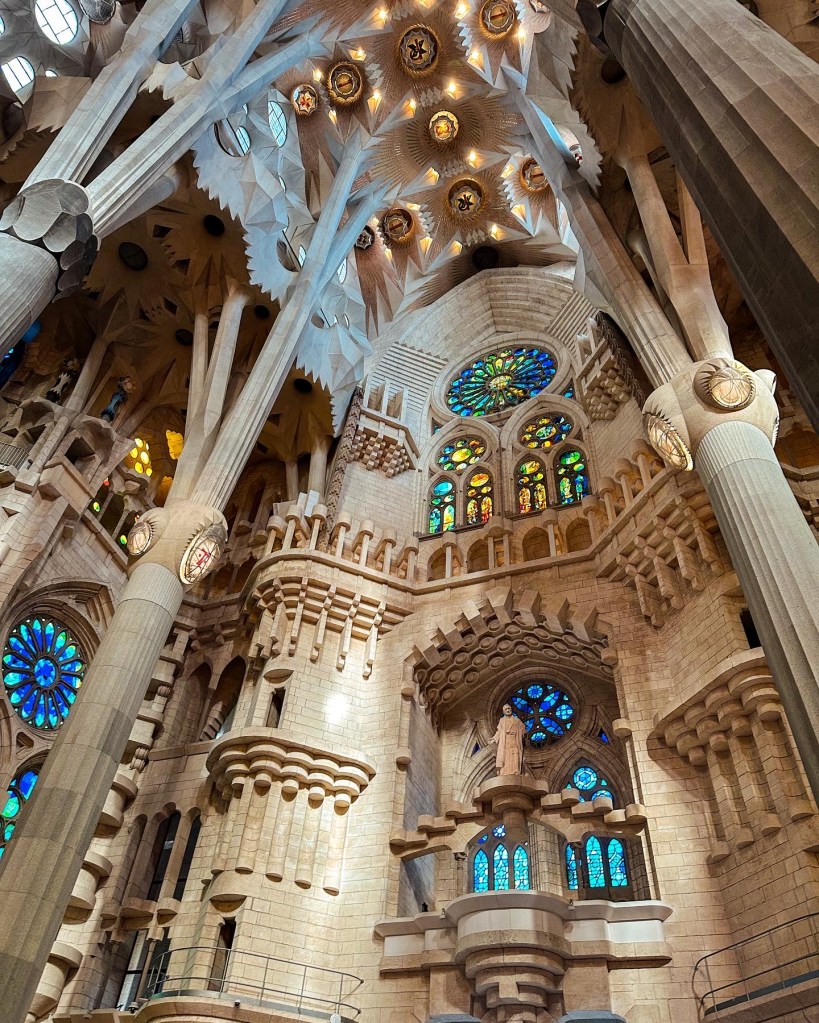
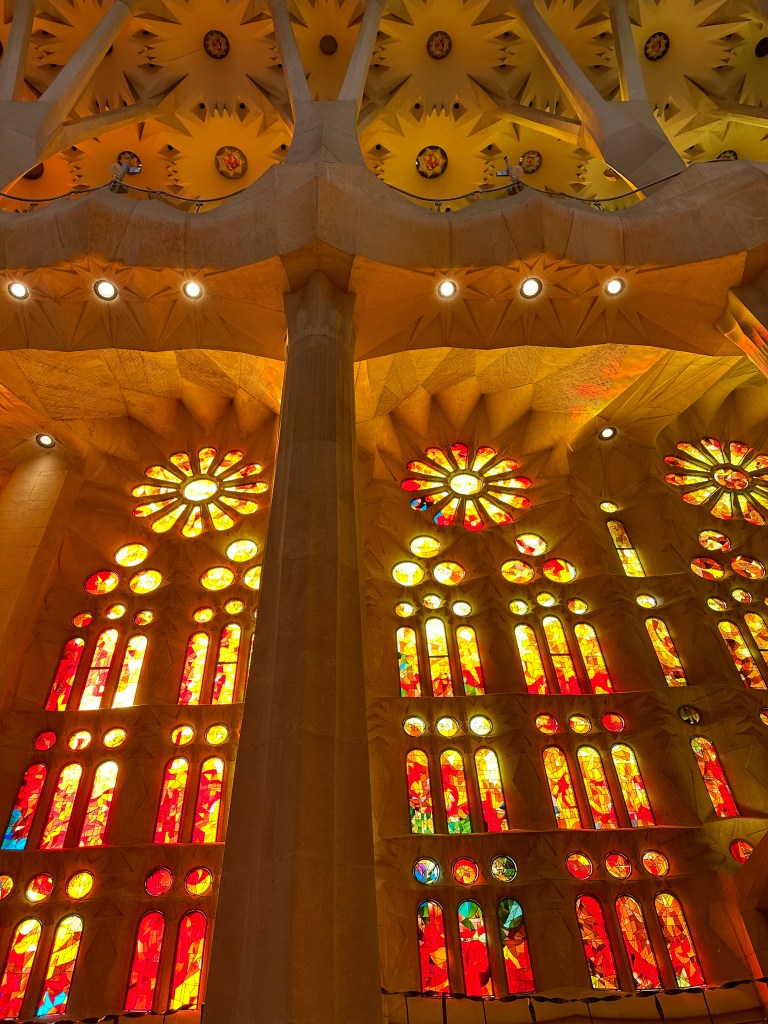
The Sagrada Familia is a Roman Catholic Church that has been under construction for over 140 years and is still in the works. We did a whole unit about this church in high school Spanish class, so it was surreal to be able to see it in person. I’ve been to a lot of churches over here and I can say that this one is truly top tier. I got chills when I entered and the play on light, color, and reflection is stunning.

The Sagrada Familia that we see today is designs of Antoni Gaudí. His goal was to present the life of Jesus and the history of faith. The 18 towers of the church are dedicated to important biblical figures (12 of them represent the apostles, 4 the evangelists, one the Virgin Mary and the highest of them all represents Jesus Christ).

The Construction Board hopes to finish the church in 2026, as this will mark 100 years since Gaudí’s death. However, locals seem confident this date will also get pushed back, like it has been many times before.

When it’s complete, the Sagrada Familia will be the highest building in Barcelona and the highest church in the world.

Park Guell

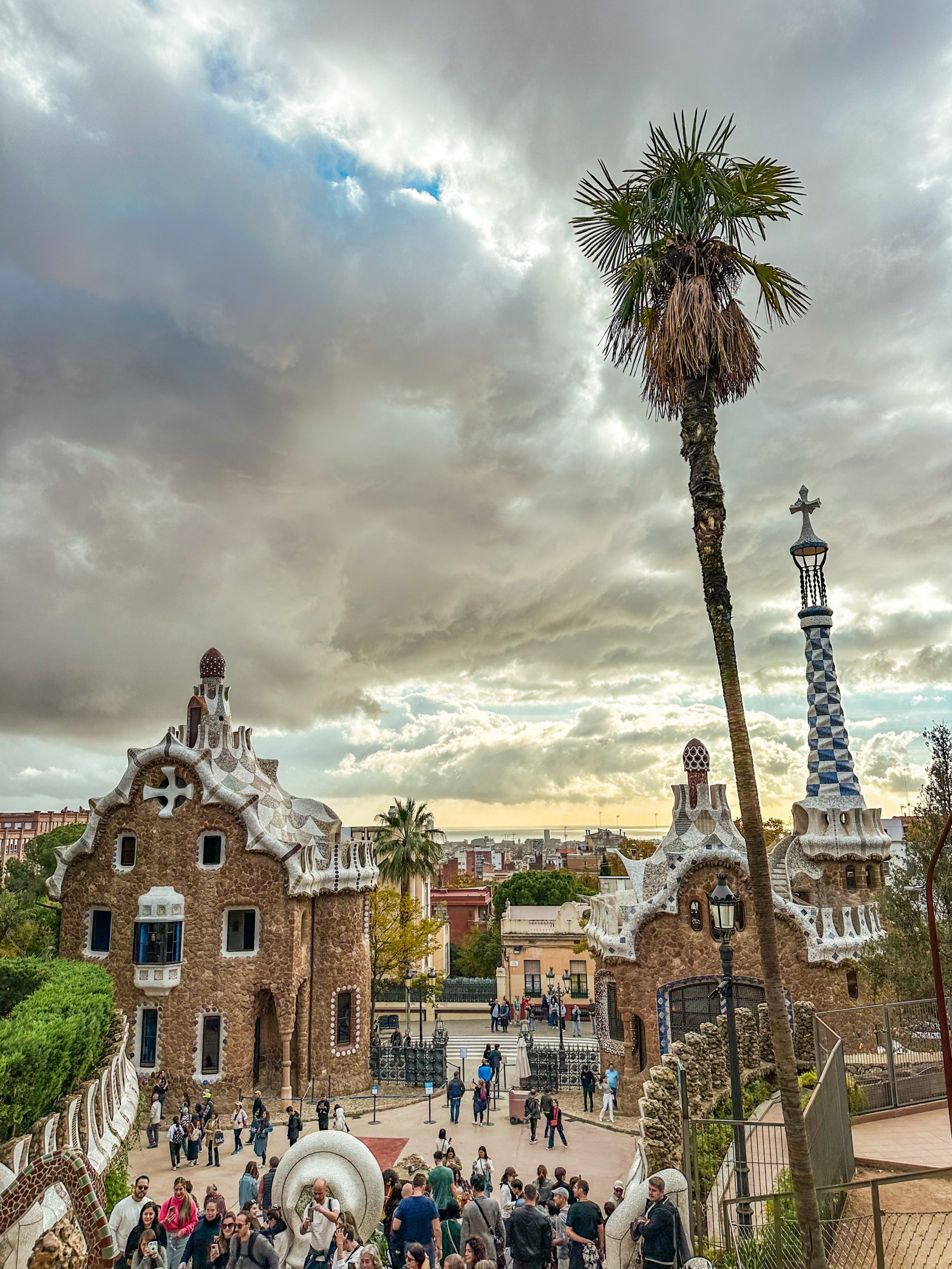
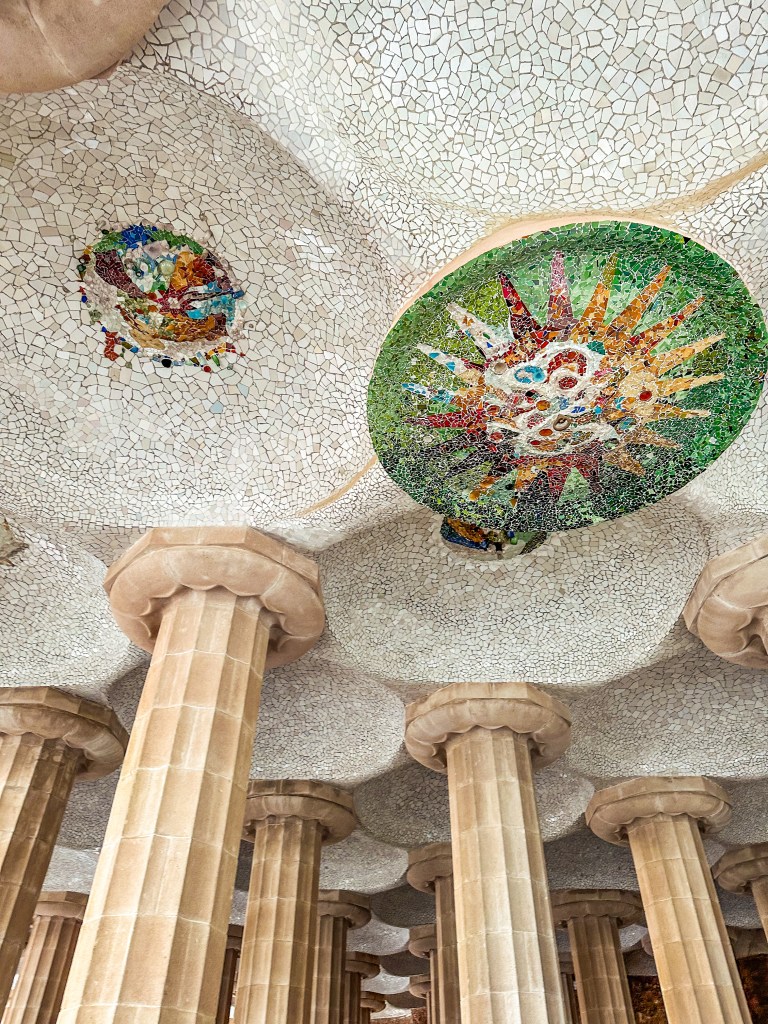
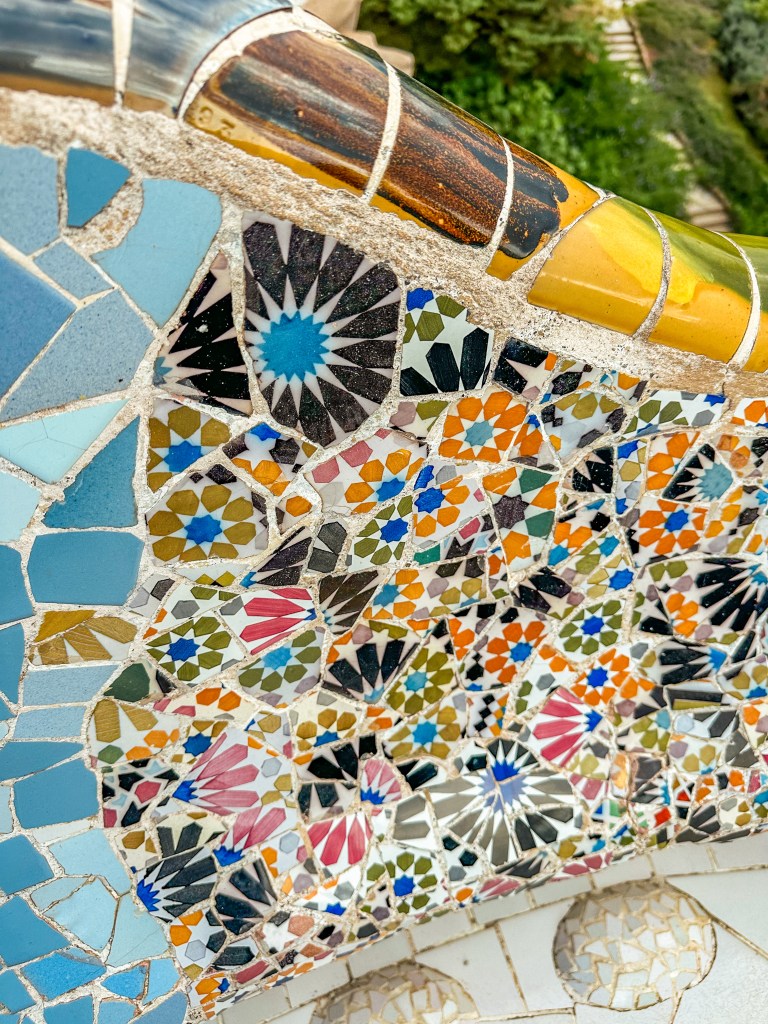
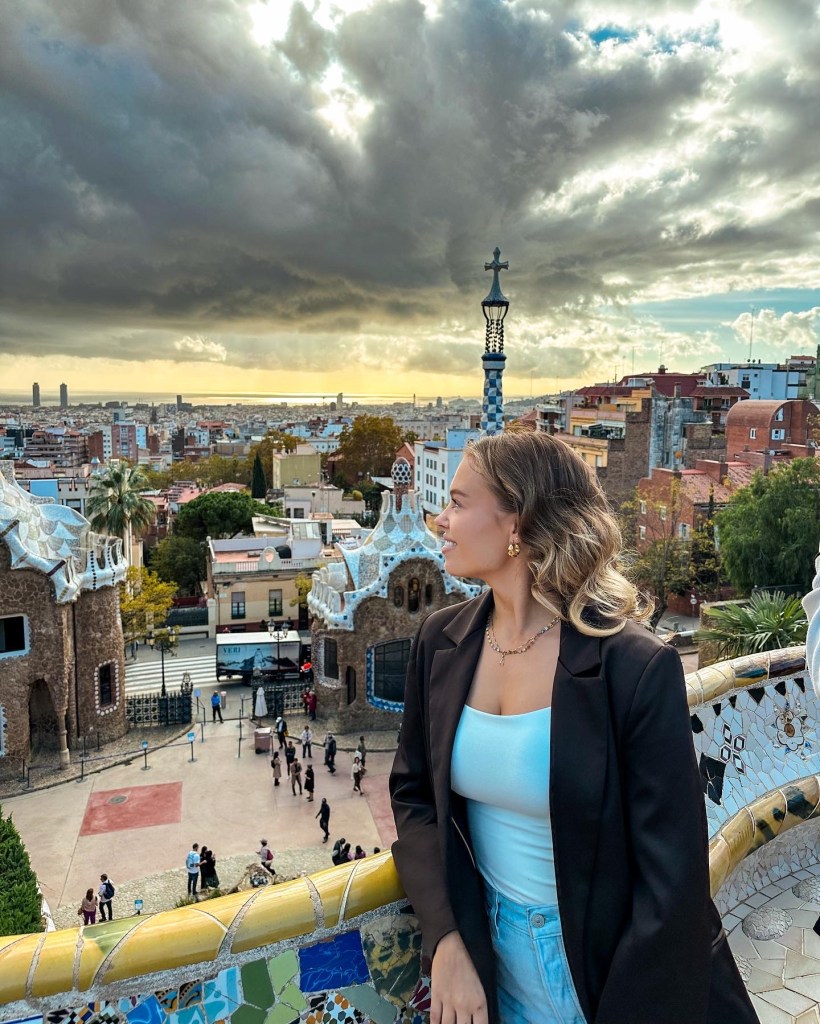
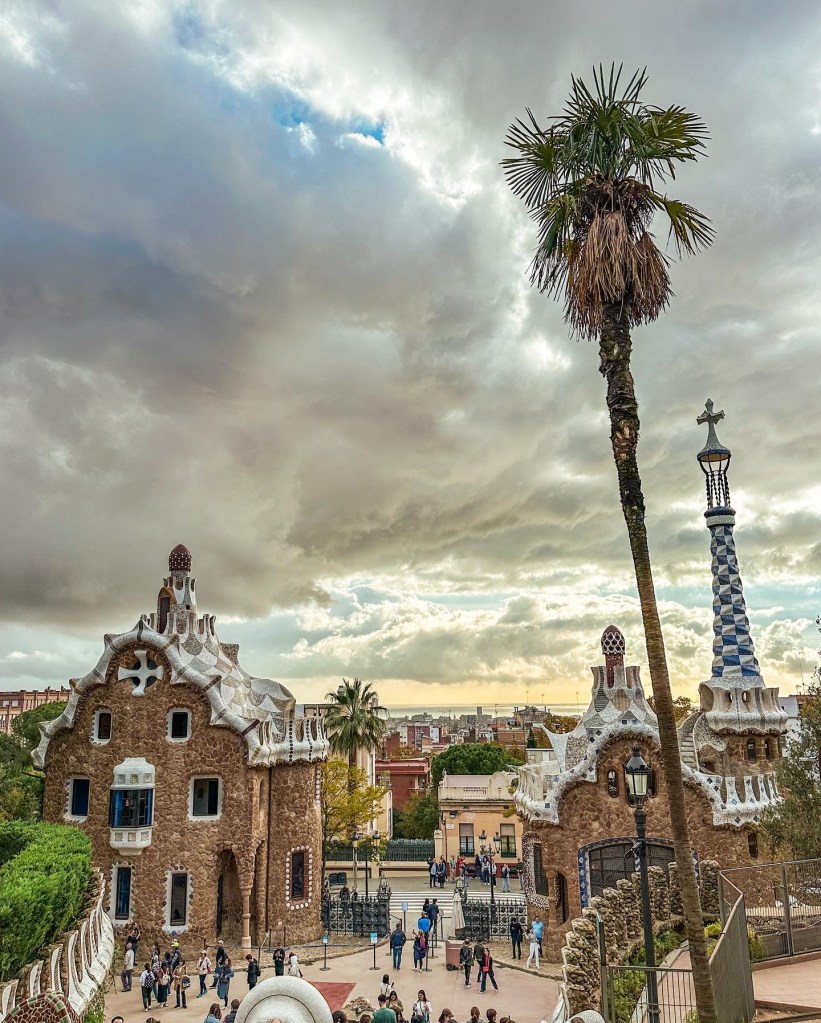
Park Guell (1923), designed by Antoni Gaudi, is a massive park in Barcelona that features beautiful greenery and interesting architecture. It’s one of the largest green spaces in Barcelona.

Originally a rich entrepreneur, Eusebi Guel, commissioned Gaudi to build a luxury residential complex, but the project was abandoned, and Gaudi created this park instead.

In typical Gaudi style, Park Guell was designed to mimic natural formations and he uses lines and curves that mimic the surrounding mountains, trees, and rocks. Gaudi and his family actually moved into one of the houses in the park and lived there until his death in 1926.

Today the park hosts 12 million tourists every year.

Gaudi

Antoni Gaudí (1852 – 1926) is a Spanish architect and designer that’s a universal figure in modern architecture – particularly Catalan Modernism. You can see many of his designs around Spain, and specifically Barcelona.

His unique style sets him apart, and he broke all the established rules with his curved lines, mosaics, and bright colors. Gaudi’s use of color, texture, and free flowing elements show his use of symbolism and respect for nature. If you see Gaudi’s work, you just know it’s his.

In 1870 he moved to Barcelona to go to school for architecture. When he got his degree, the school’s director is quoted saying, “I do not know if we have awarded this degree to a madman or to a genius; only time will tell.”

Gaudí received many commissions and was working a lot, most notably on Park Güell and the Church of the Sagrada Familia. Throughout this time, he began distancing himself from the social/party scene and became more reclusive and interested in religion.

Sadly, Gaudí died in June 1926 after being killed by a tram while on his way to the Sagrada Família. Two days later he was buried in that very church. Most of the citizens of Barcelona came to pay their respects to “the most universal architect that the city had ever known.”

Barcelona

In November I met up with a couple friends in Barcelona.

We spent the weekend exploring the city and soaking up the sun and seventy-degree weather. It was my first time in Spain, and I absolutely loved it!

While it’s still fresh in my mind, I want to compile any thoughts and recommendations I have:

Day One

  • Park Guell
    • The park is free to enter but you need a ticket for the city view
  • Sagrada Familia
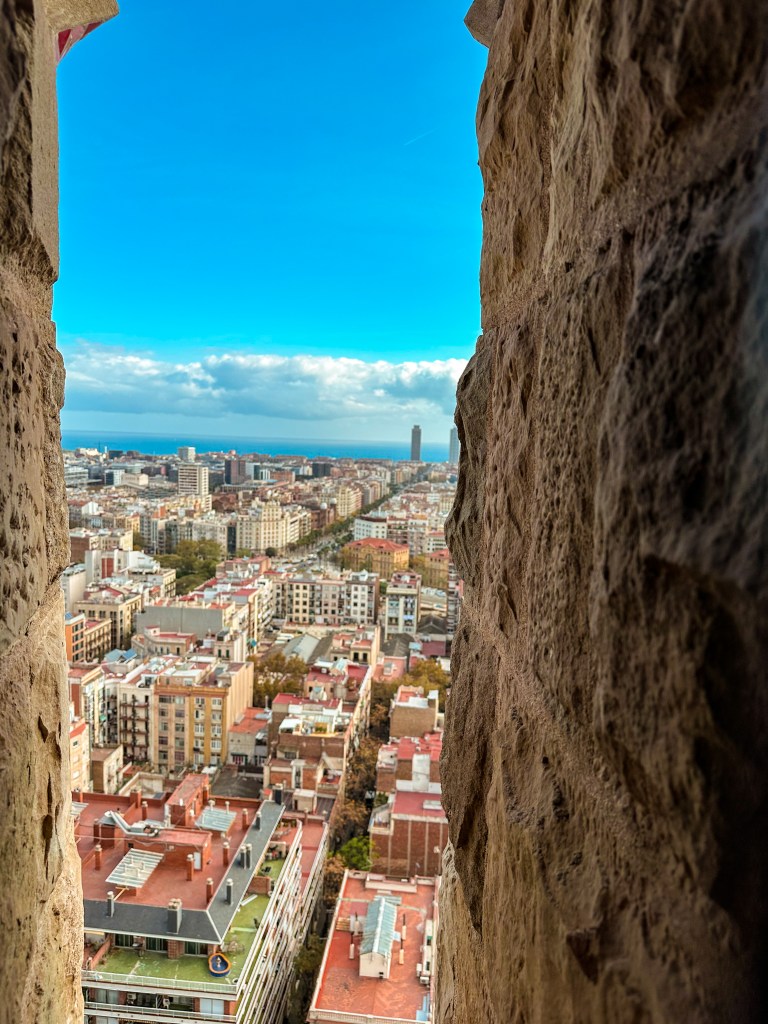
    • Book tickets a head of time, in addition to the church entry we visited the Tower on the Passion façade which had stunning views and was so worth it

Day Two

  • Diagonal Avenue for shopping
    • Casa Batlló (Gaudi building)
    • La Pedrera-Casa Milà (Gaudi building)
  • Ciutadella Park
  • The Arc de Triomf

Bars + Restaurants

  • Boca Chica (drinks)
  • Jacqueline (dinner)
  • Gatsby (post-dinner/pre-club drinks)
  • Sutton (club)

General

  • I took the blue Aeroporto bus to the city center and it was so cheap and easy
  • Buy a T10 (ten rides) metro card for $11. The metro is an easy and cheap way to get around

We’re Back

It has been a whirlwind!

In October Brev’s German team signed a seventh foreigner, meaning someone was going to have to sit out each game. After sitting out for a couple games this season already, we ultimately decided it would be best for us to go somewhere where Brevin would have more of an opportunity to play.

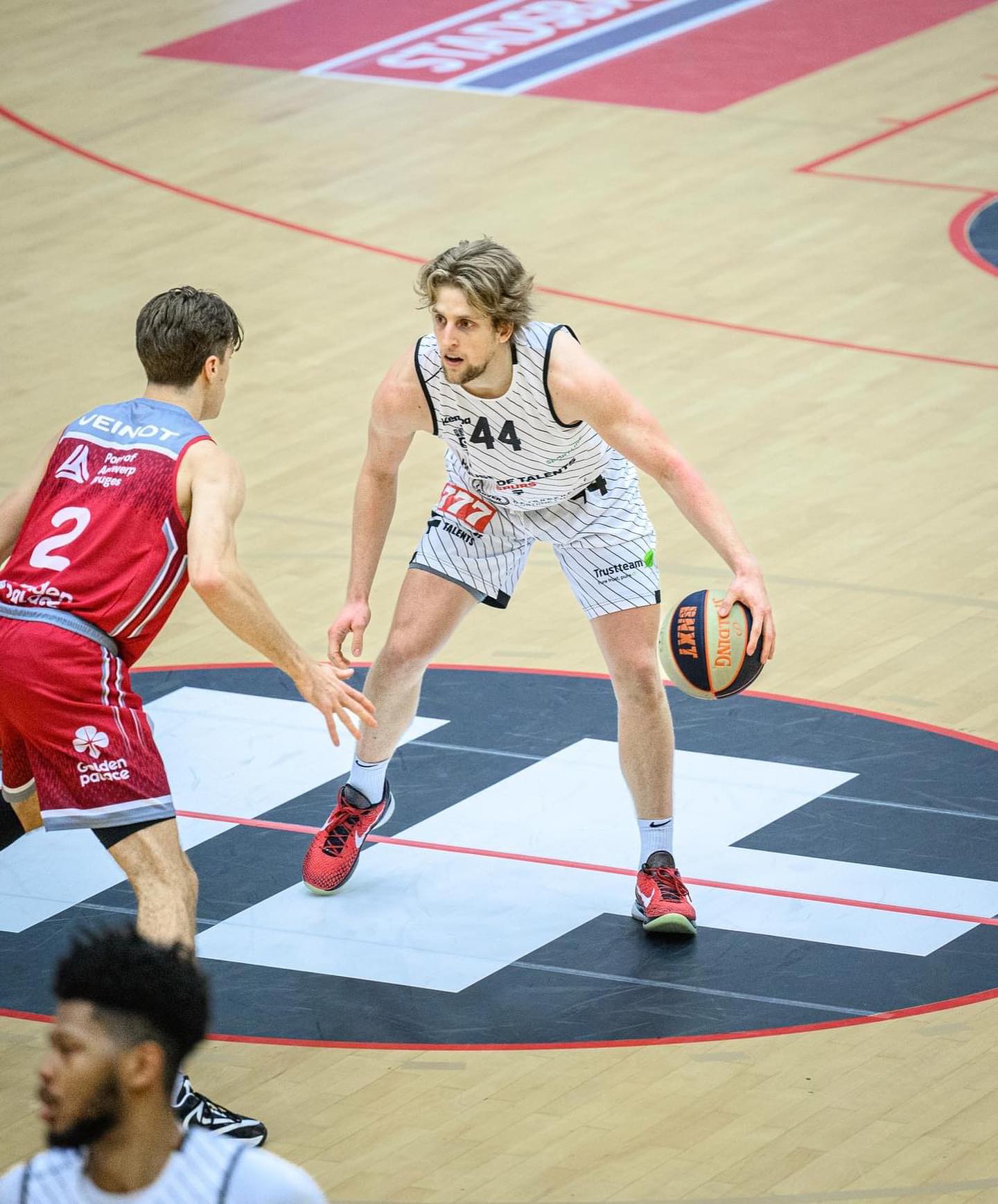
Flash forward a few days and Brev officially signed for the Kortrijk Spurs (House of Talents Spurs) in Belgium. They’re a new team in the BNXT league this year, after winning the second division last year.

So, in November we packed up all our stuff and trained across the country to move back to Belgium.

It feels good to be back!

Stuttgart

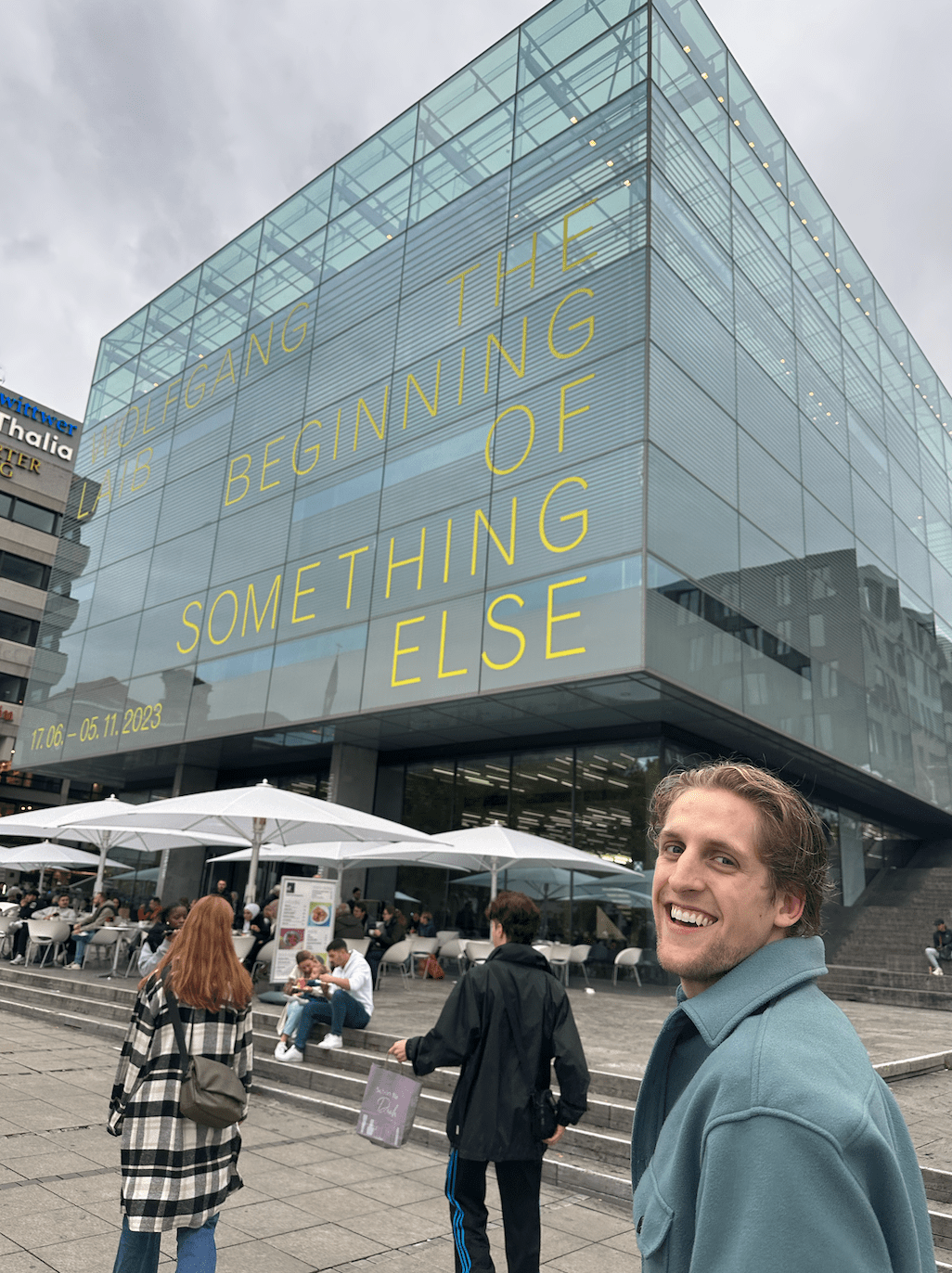
We visited Stuttgart on our final day trip in Germany.

Stuttgart is the sixth largest German city and the capital of the German state Baden-Württemberg. Stuttgart is a multicultural city, with 40% of the residents being foreigners.

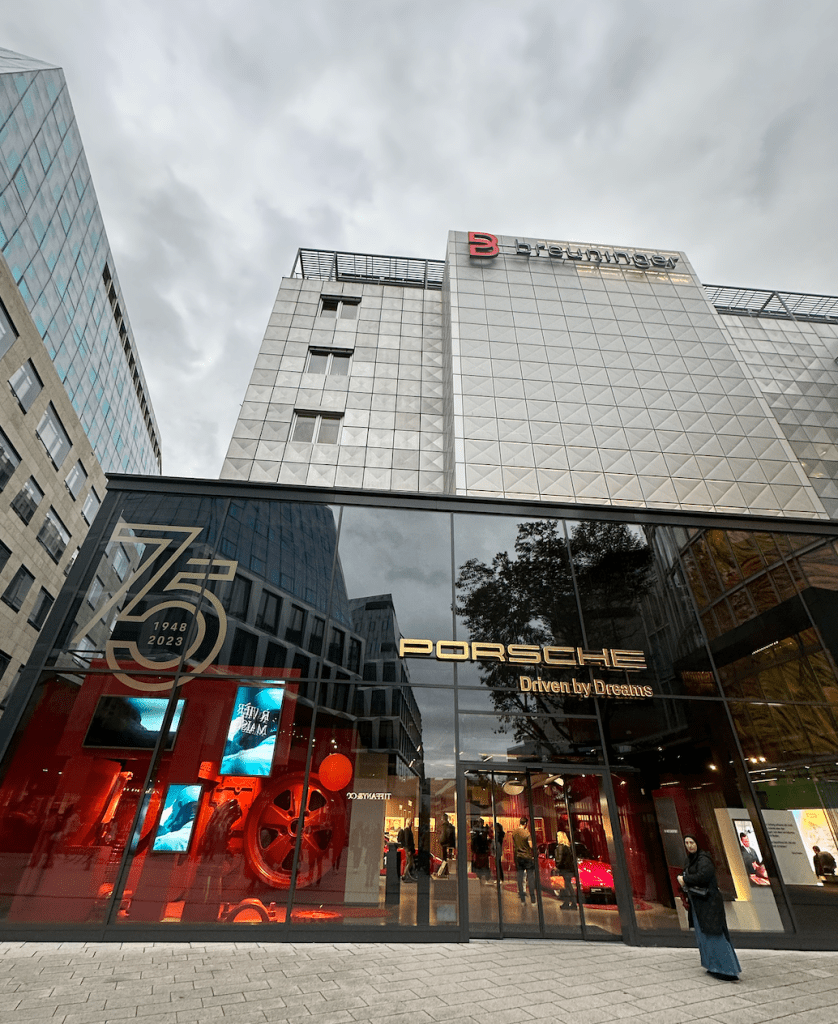
Stuttgart is known as the cradle of the automobile, as Porsche is founded there, and both Mercedes-Benz and Porsche have their global headquarters there.

The city also has a rich culture of sports: with the Bundesliga soccer team VfB Stuttgart, multiple American football teams including the Stuttgart Surge (which plays in the European League of Football), an Australian Football, and more.

We had a great time walking around, grabbing dinner, and Brev even got his haircut here. (RIP to the man bun😉).

Design a site like this with WordPress.com
Get started