The Missing Babies Mystery

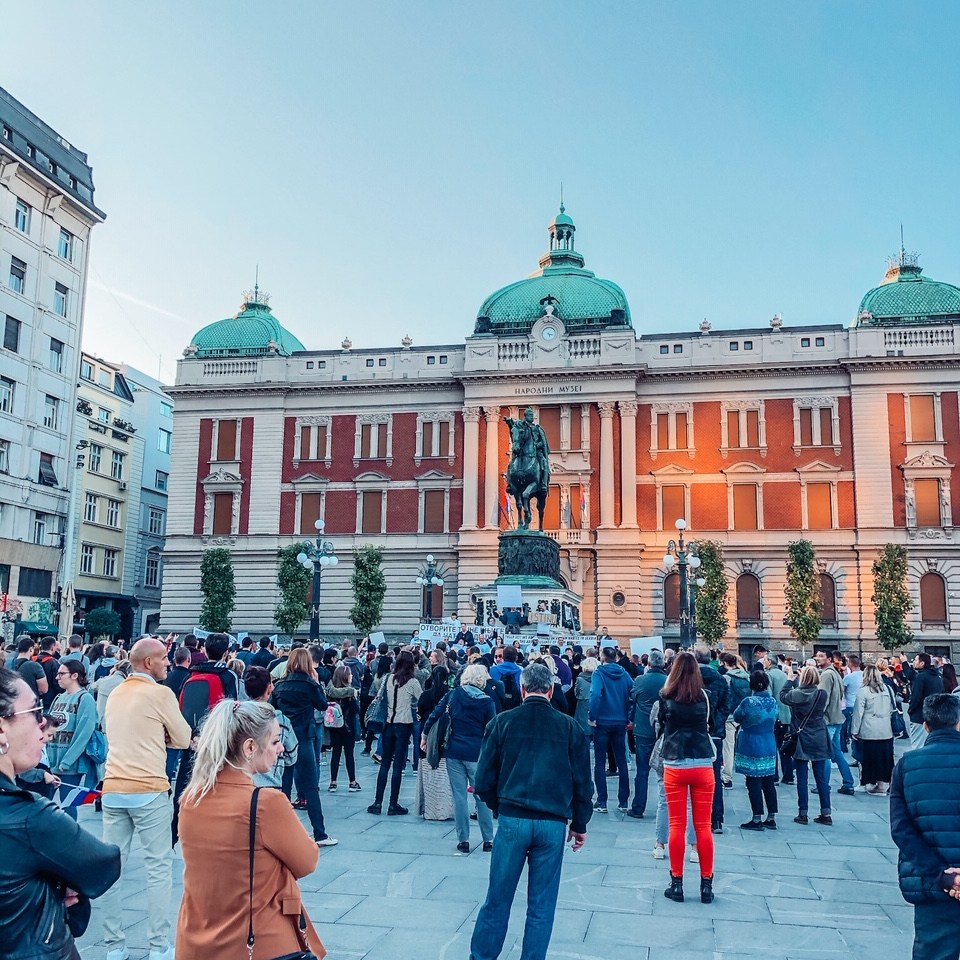
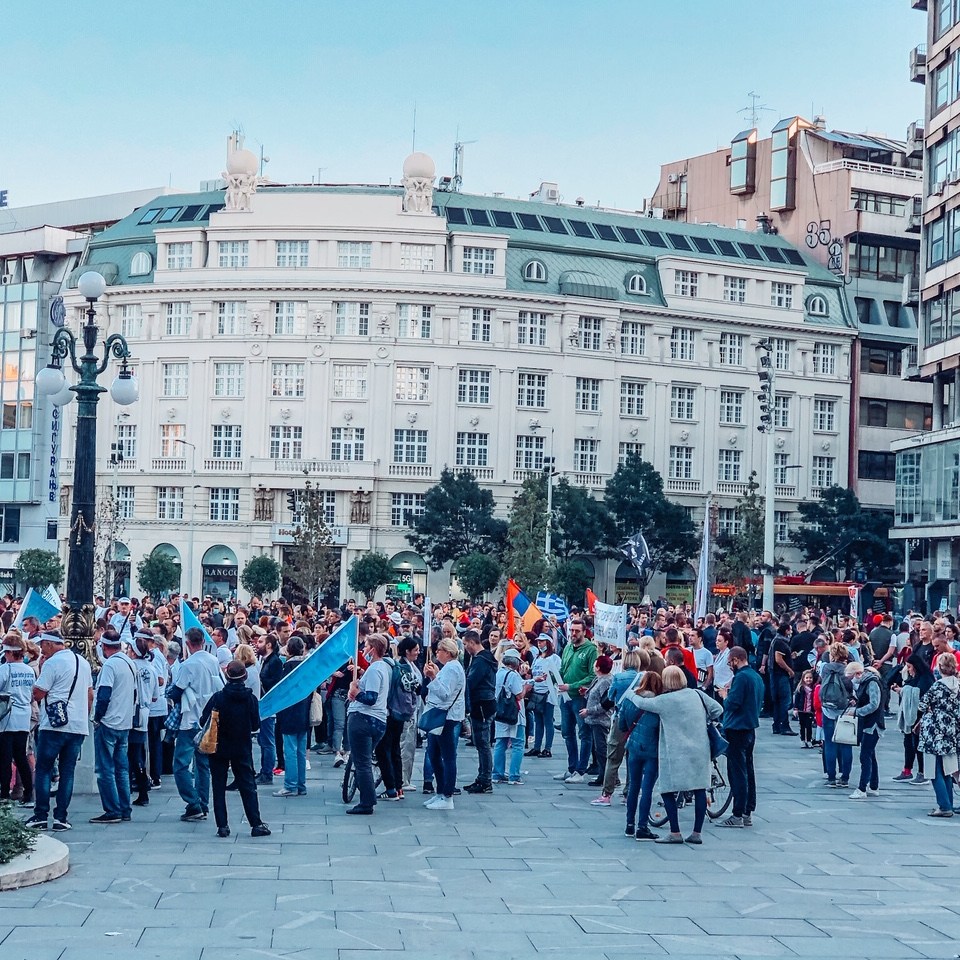
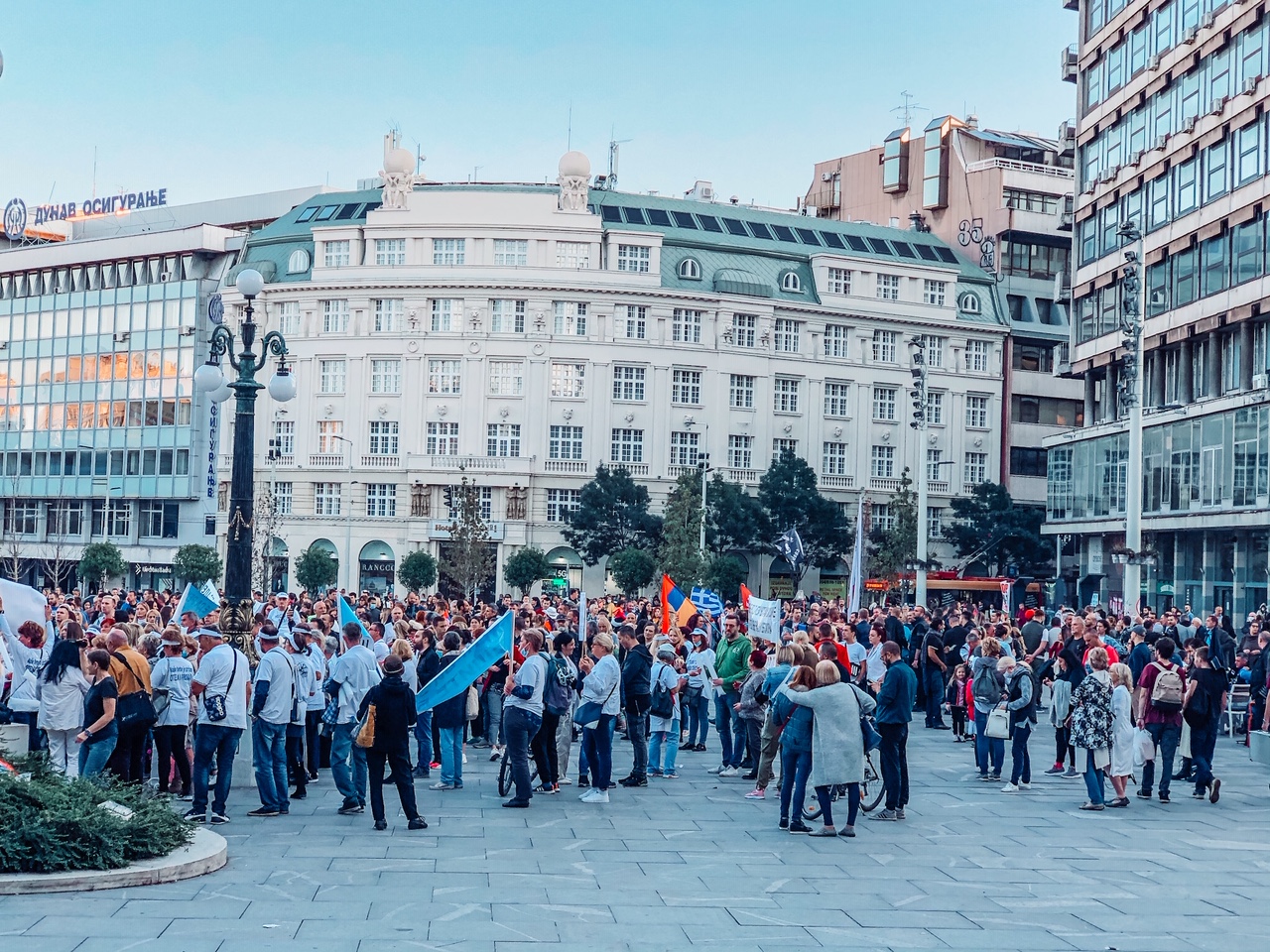
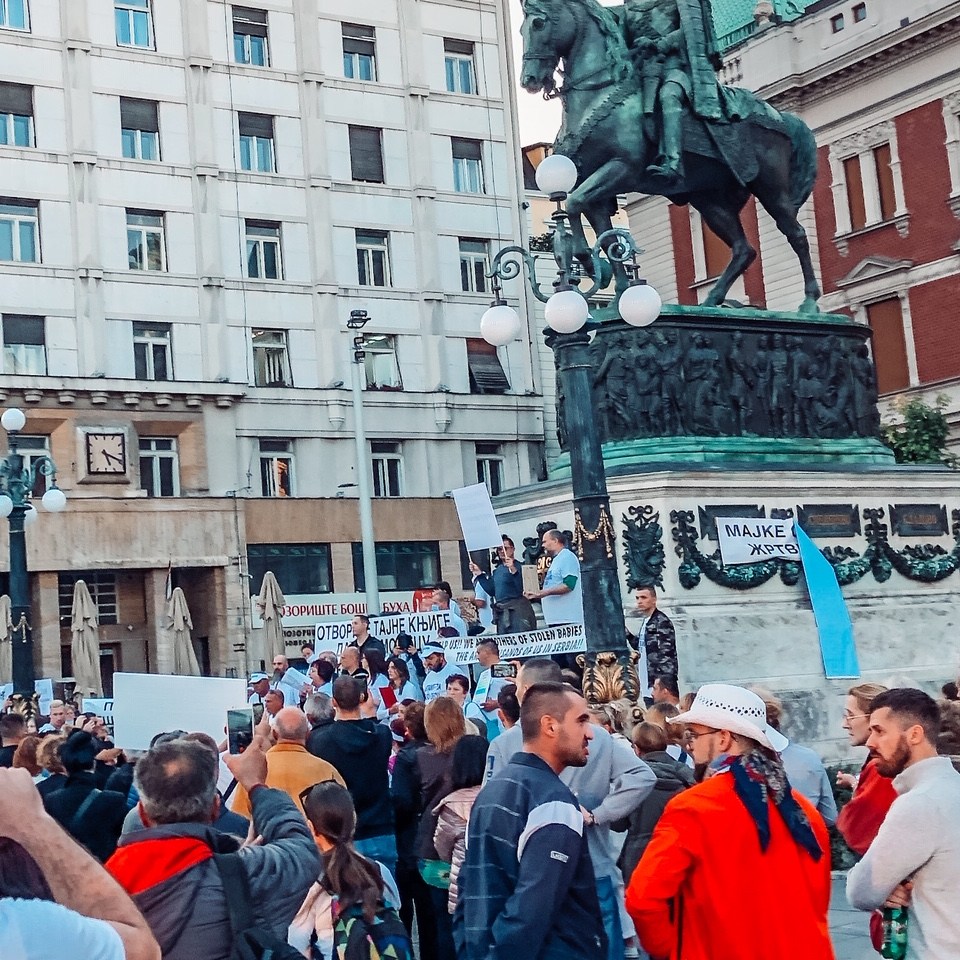
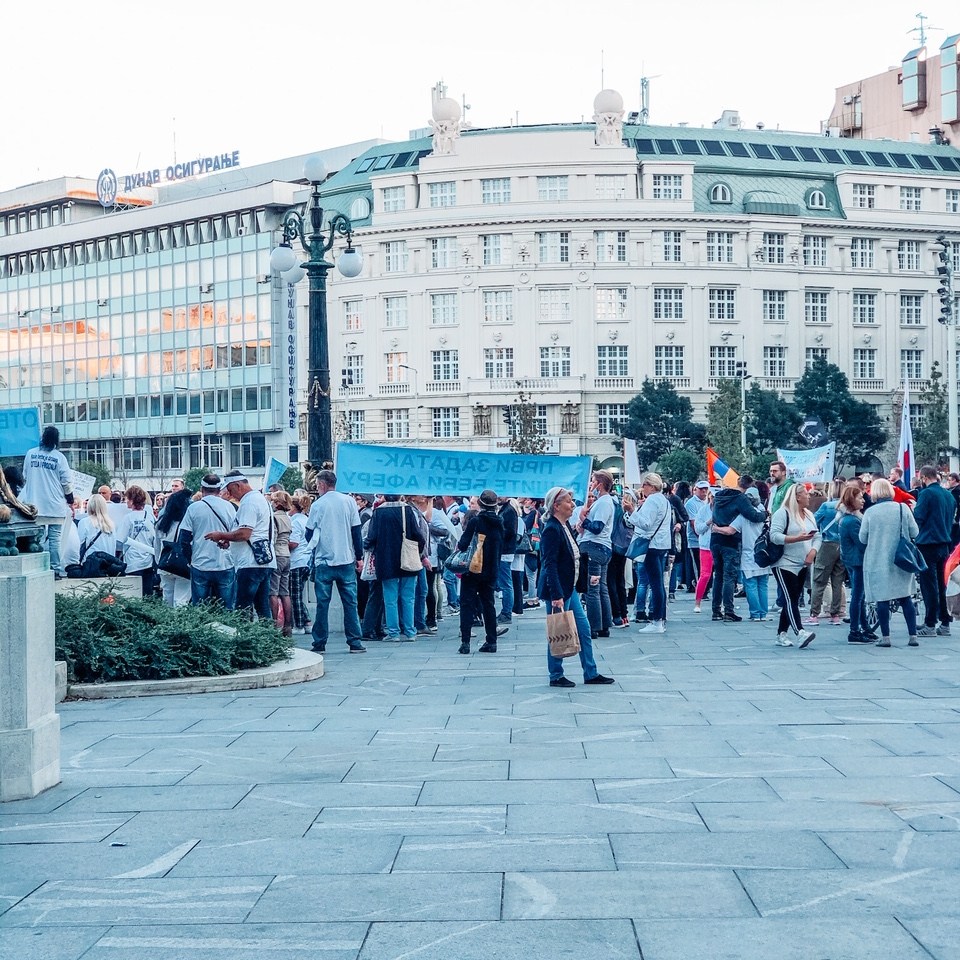
Brev and I came across a protest in Belgrade a few weeks ago, and while we couldn’t understand the chants or read the signs, we were intrigued by the baby dolls protestors were holding up.

It turns out that between the 1960s and early 2000s, hundreds of young Serbian parents were told their newborn babies died at the hospital after seeming healthy at birth. These parents weren’t allowed to see their child or bury the body, and in many circumstances there wasn’t even a death certificate issued. Specific doctors’ and registrars’ names repeatedly popped up, so many Serbians believe this was an organized criminal enterprise that, for decades, kidnapped babies from hospitals.

These cases have been moving through the court system for years and Serbian lawmakers are set to soon pass a bill the gives eligible parents 10,000 Euros in repartitions. However, as demonstrated by the protests, these parents don’t want money, they want the truth about what happened to their babies all those years ago.
Novi Beograd

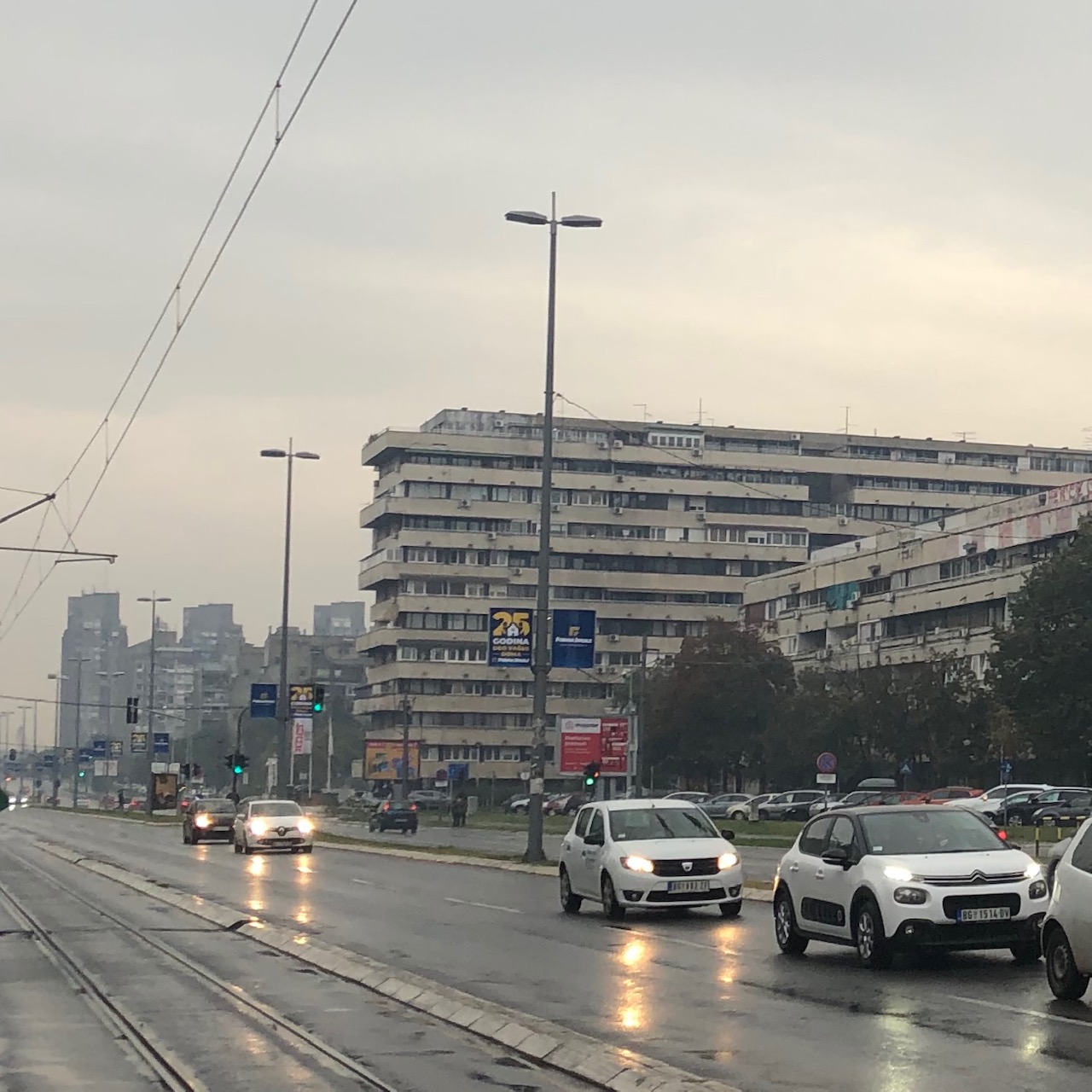
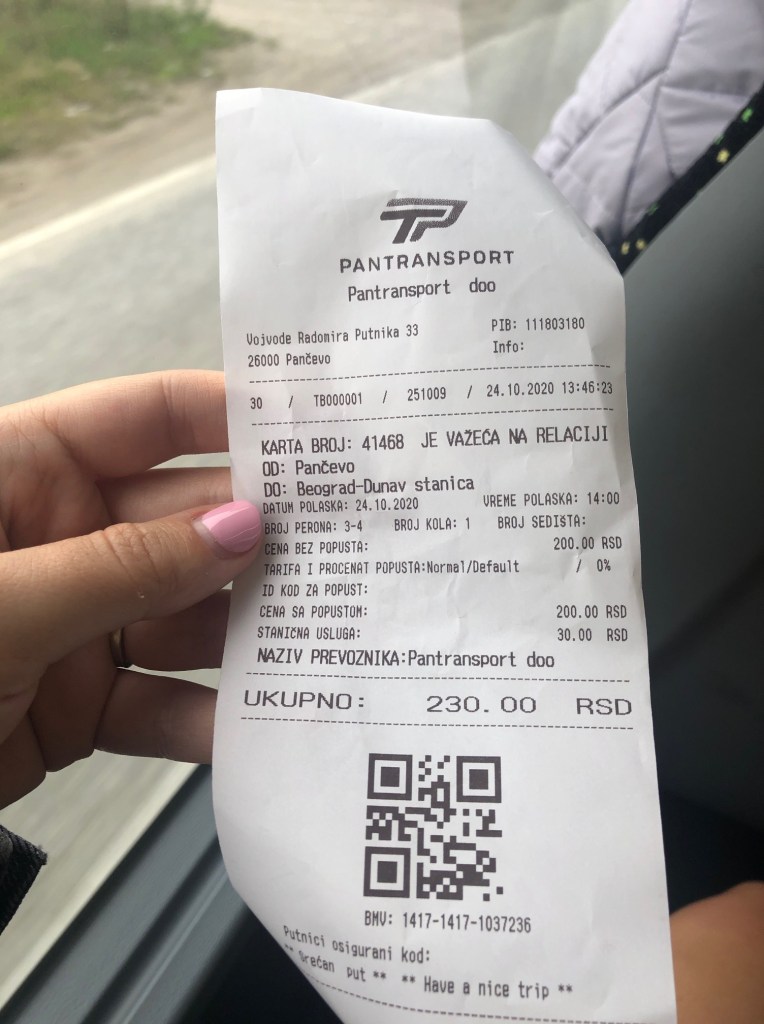
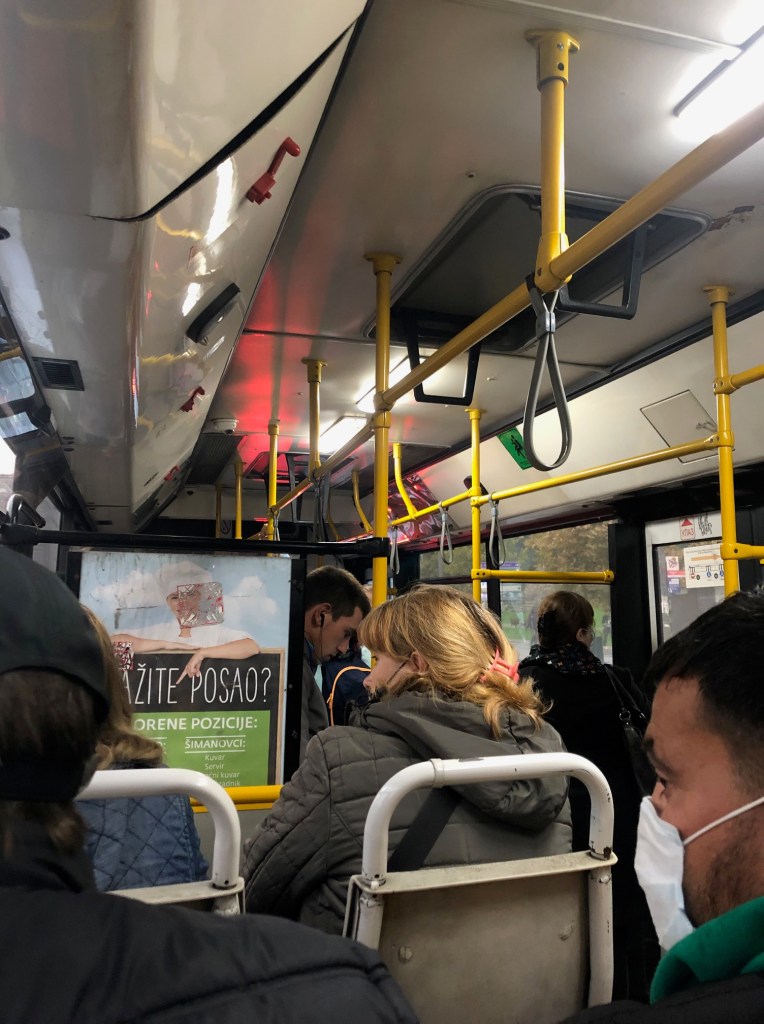
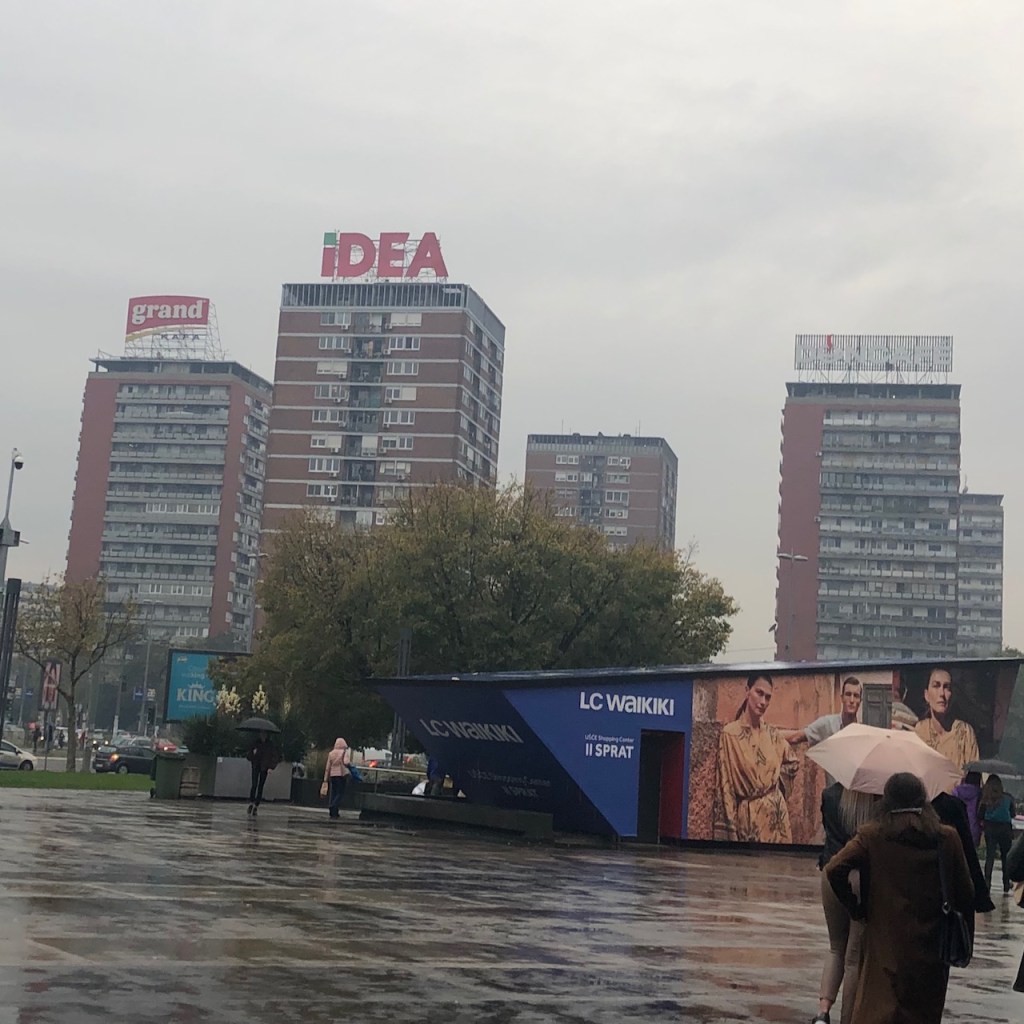
This weekend Brev and I bused over to New Belgrade (Novi Beograd), which is across the Sava River and a municipality of the city Belgrade.
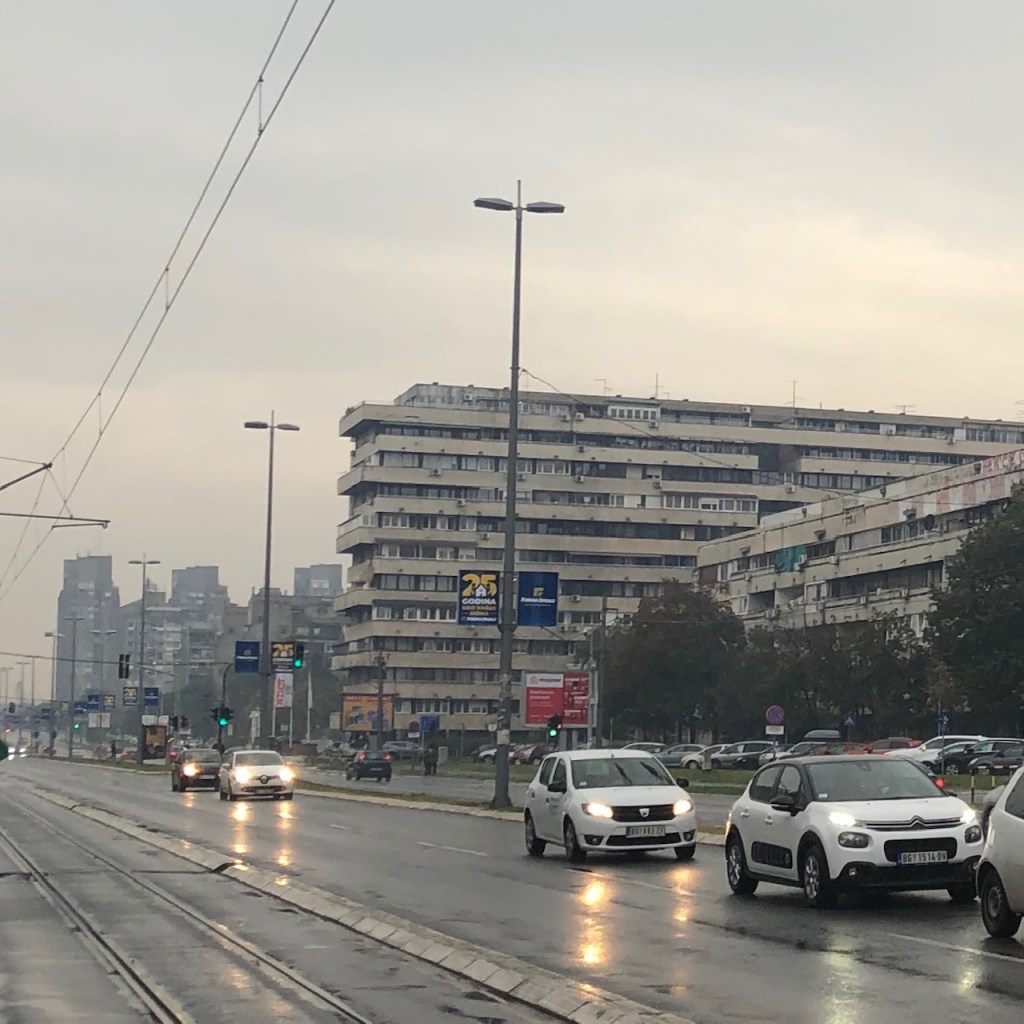
World War II destroyed many residential buildings and homes in Serbia, so following the war New Belgrade was built to address the housing crisis. This is why the city was once referred to as the “Sleeping Dormitory.” New Belgrade still maintains its Soviet feel, its areas are designated by ‘Blocks’ and the buildings are all very similar and constructed mainly of concrete. New Belgrade is a great example of Brutalist architecture, which is characterized by rough materials (concrete) and angular forms.

Today New Belgrade is made up of more than apartment buildings, its the central business district of Belgrade and a fast developing area.

“Walking the New Belgrade blocks is like stepping into a grey-scale filter.”

The Belgrade Fortress

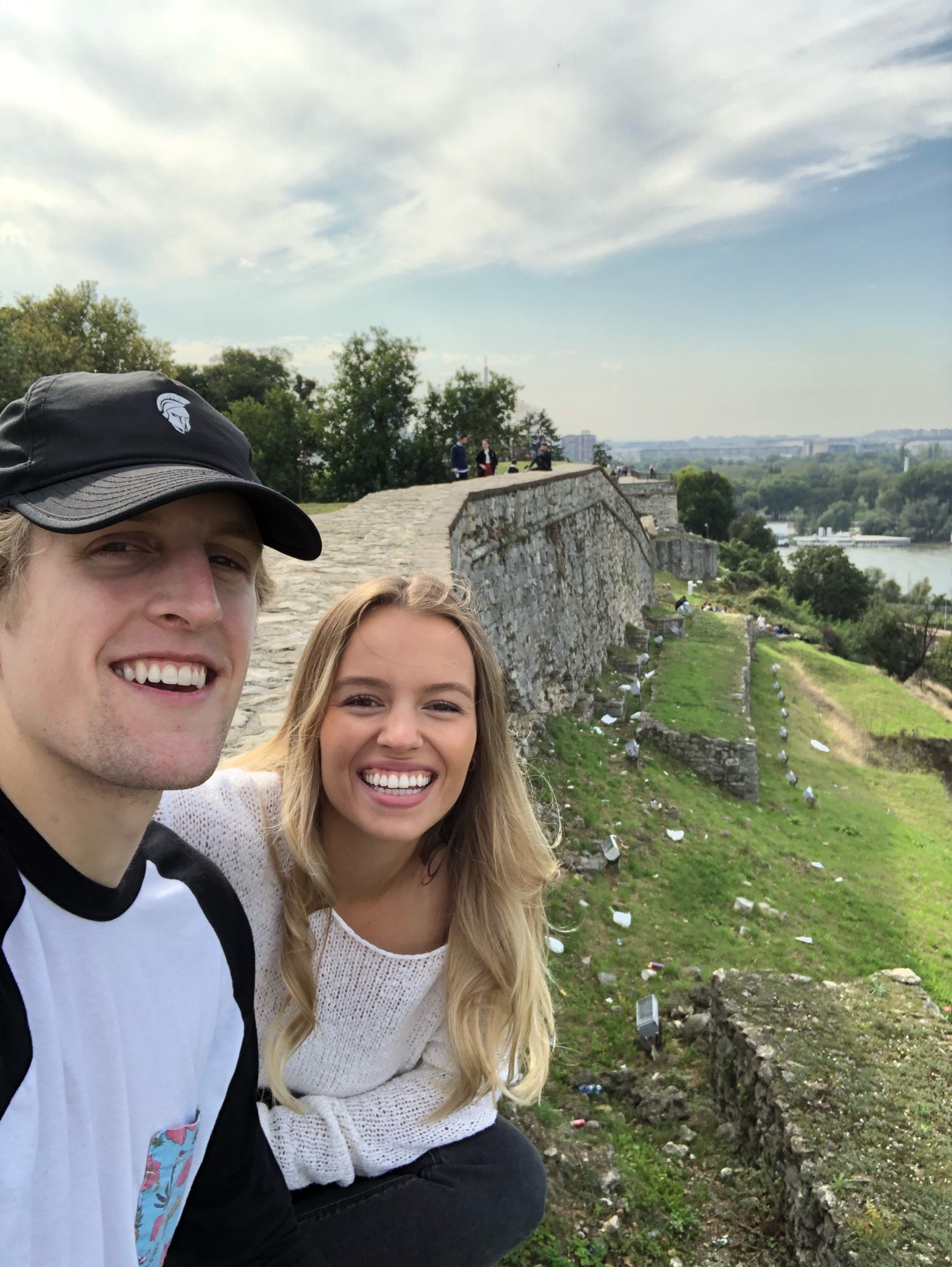
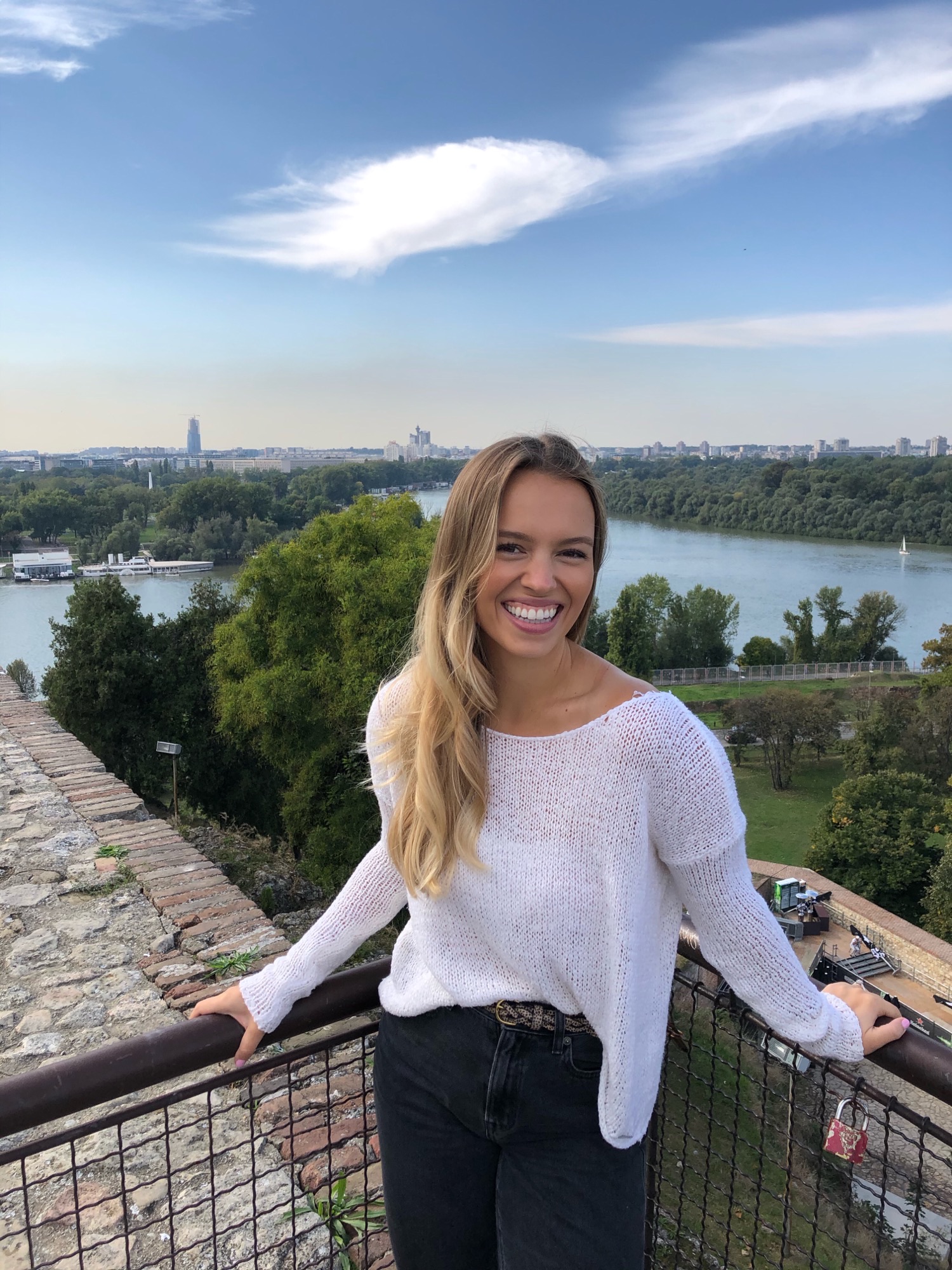
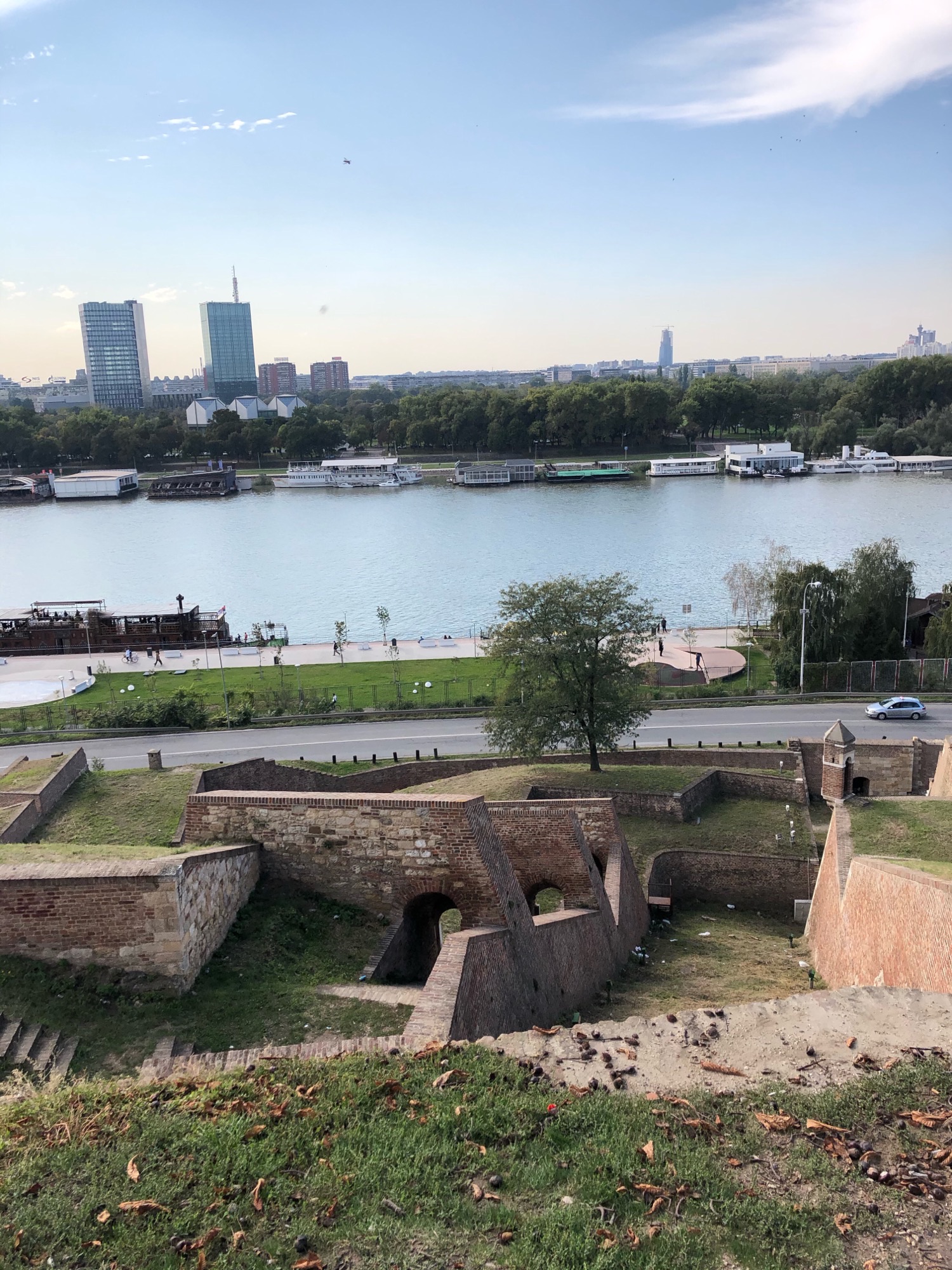
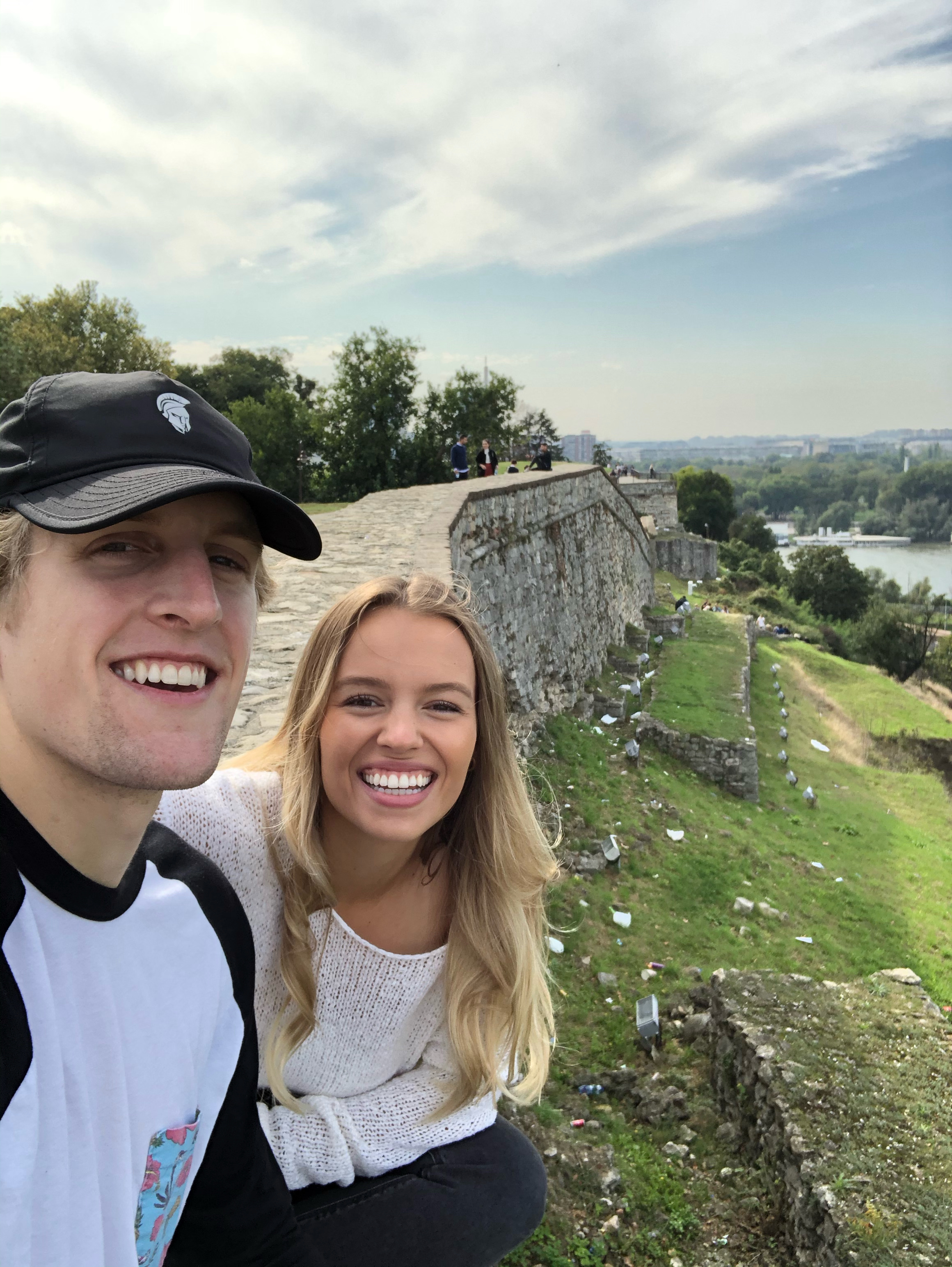
Last weekend Brev and I went to Serbia’s capitol Belgrade, or “Beograde” as the locals call it, and visited the Belgrade fortress. The fortress is built on a ridge with white stone, which is why Belgrade is referred to as the “White City,” where the Sava and Danube river converge.

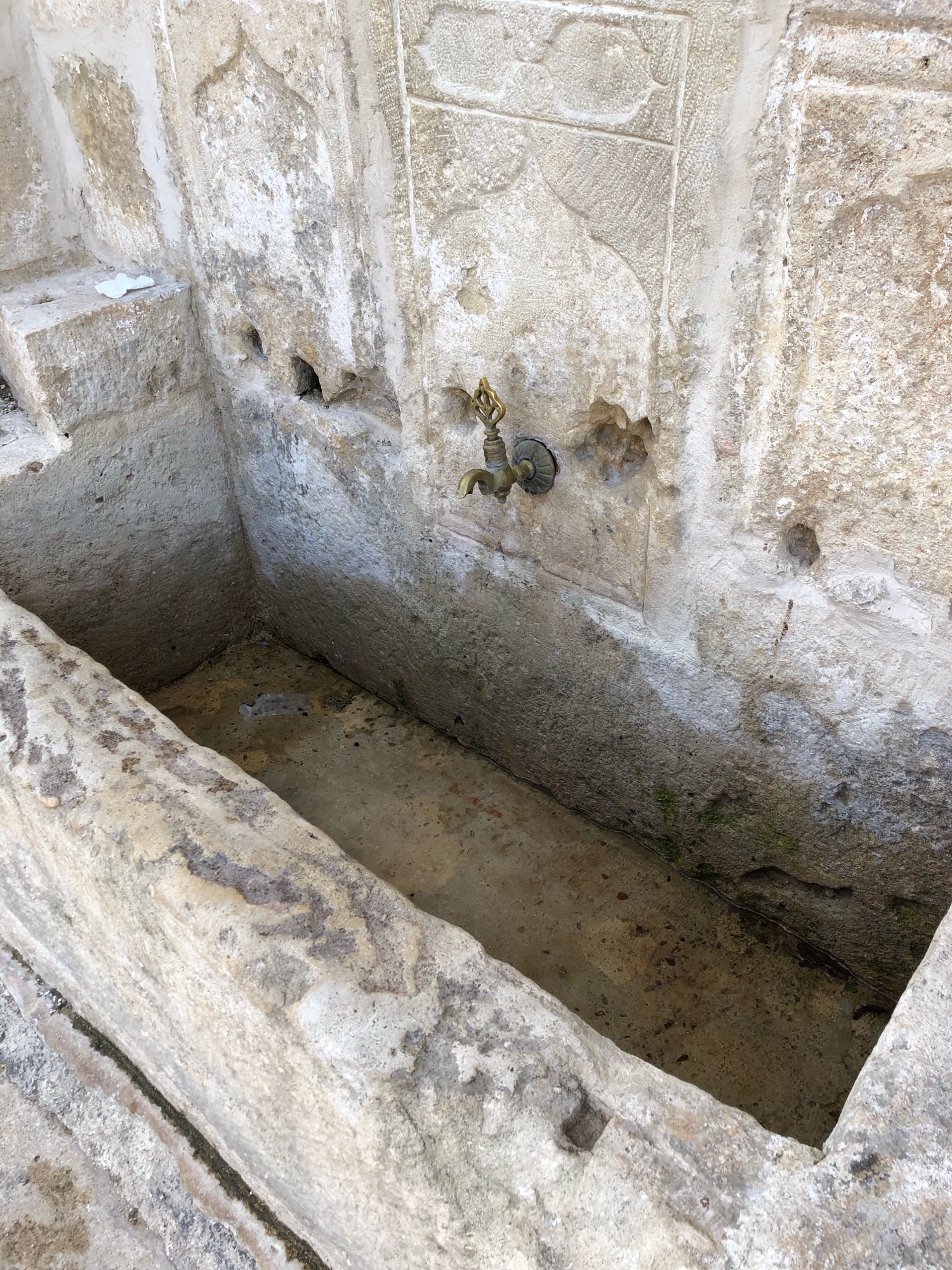
For centuries, everyone in the city lived only within the walls of the fortress. Built and rebuilt from the second to the eighteenth century, there were more than 115 battles to conquer the fortress and it was destroyed more than 40 times. With this constant change of power, we see architecture from the Romans, Serbs, Turks (Ottomans) and Austrians.

The spacious park in front of the fortress is referred to as the “Kalemegdan,” which is a Turkish word that combines “kale”, meaning city or fort, and “megdan”, meaning field. Today the Kalemedgan is home to the Belgrade Zoo, multiple playgrounds, restaurants and the Military Museum. Our tour guide said that the Kalemegdan is also a favorite spot of local Serbian students who are skipping class.

Serbian Apartment Tour

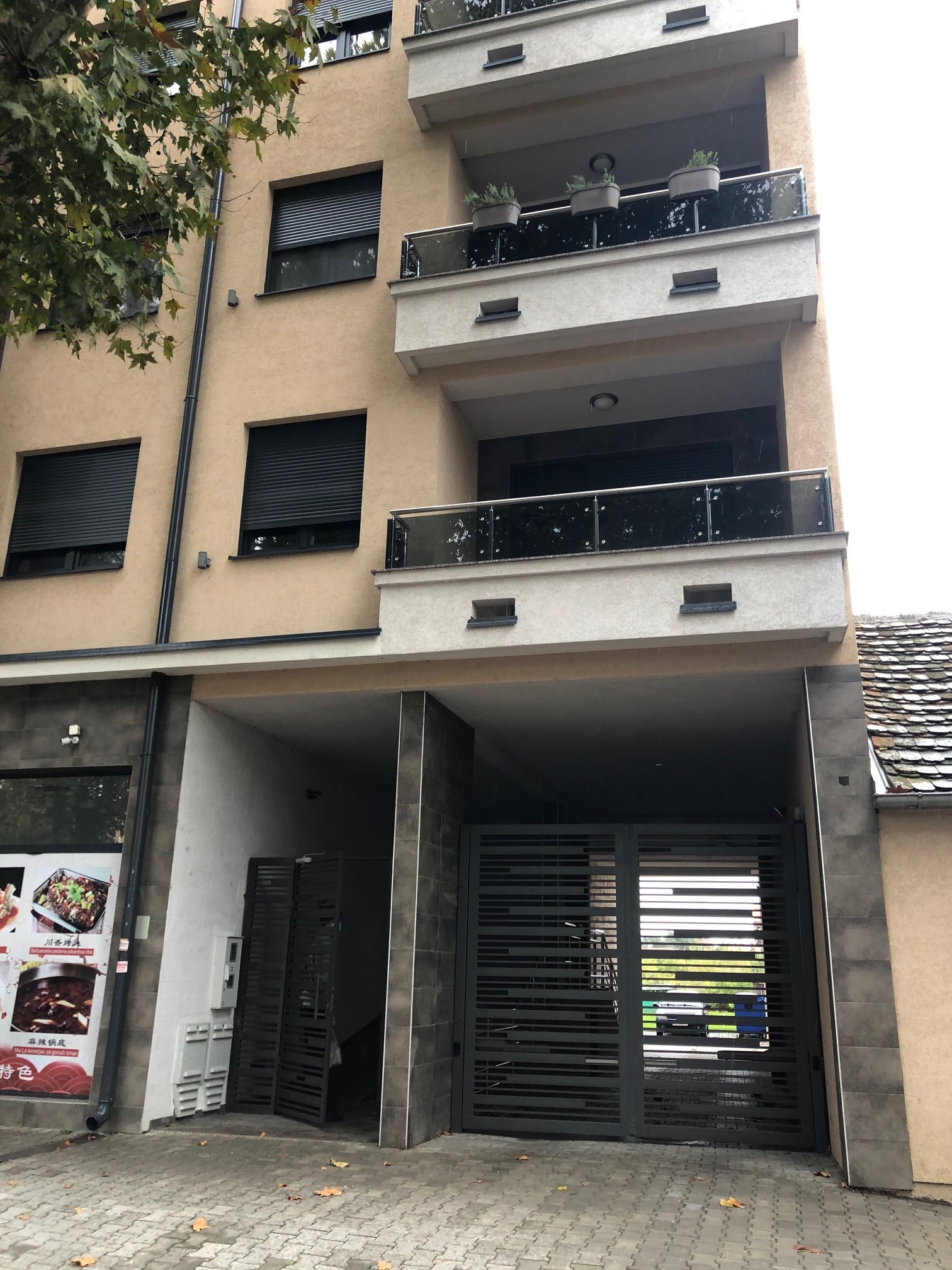
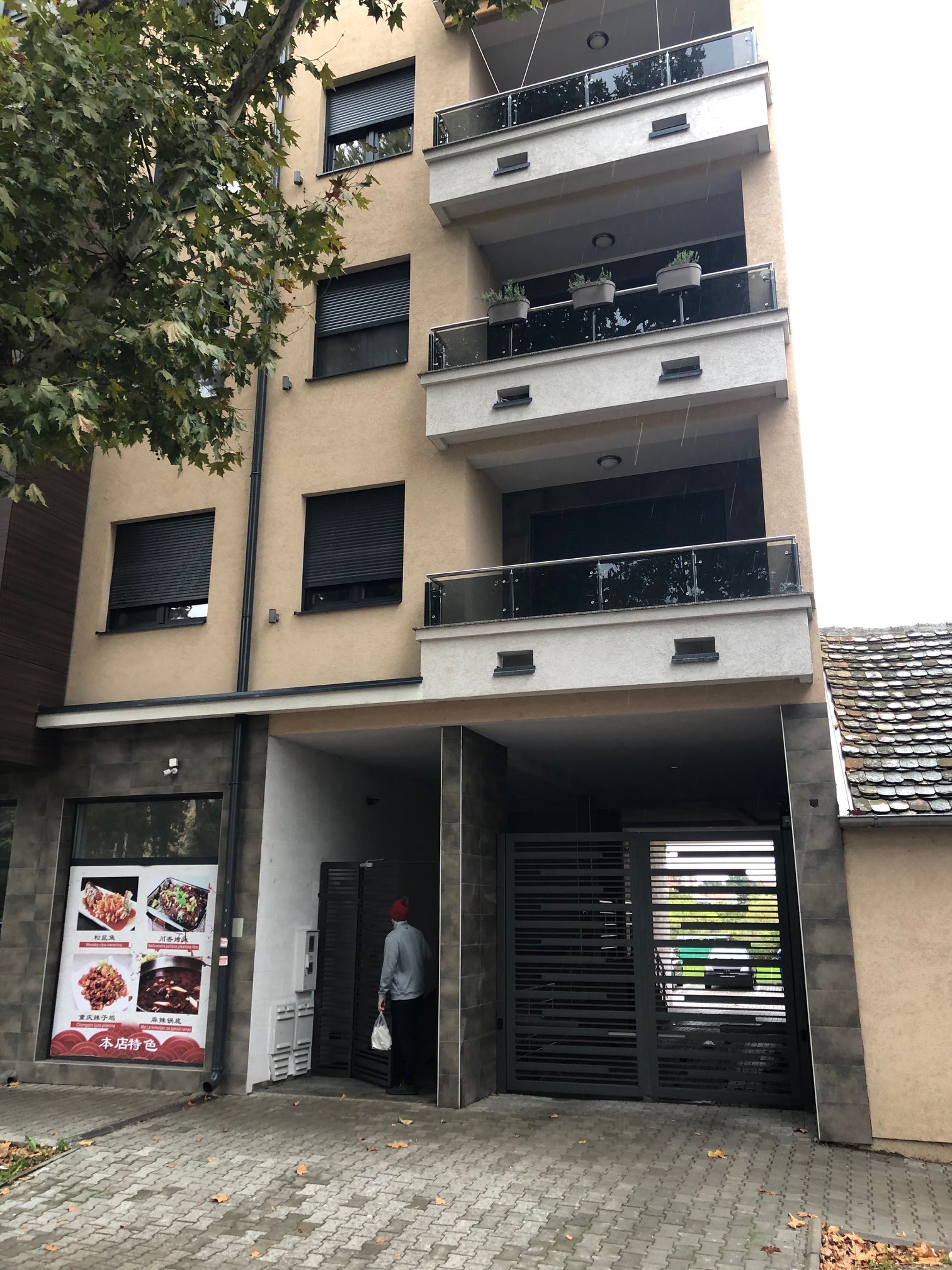
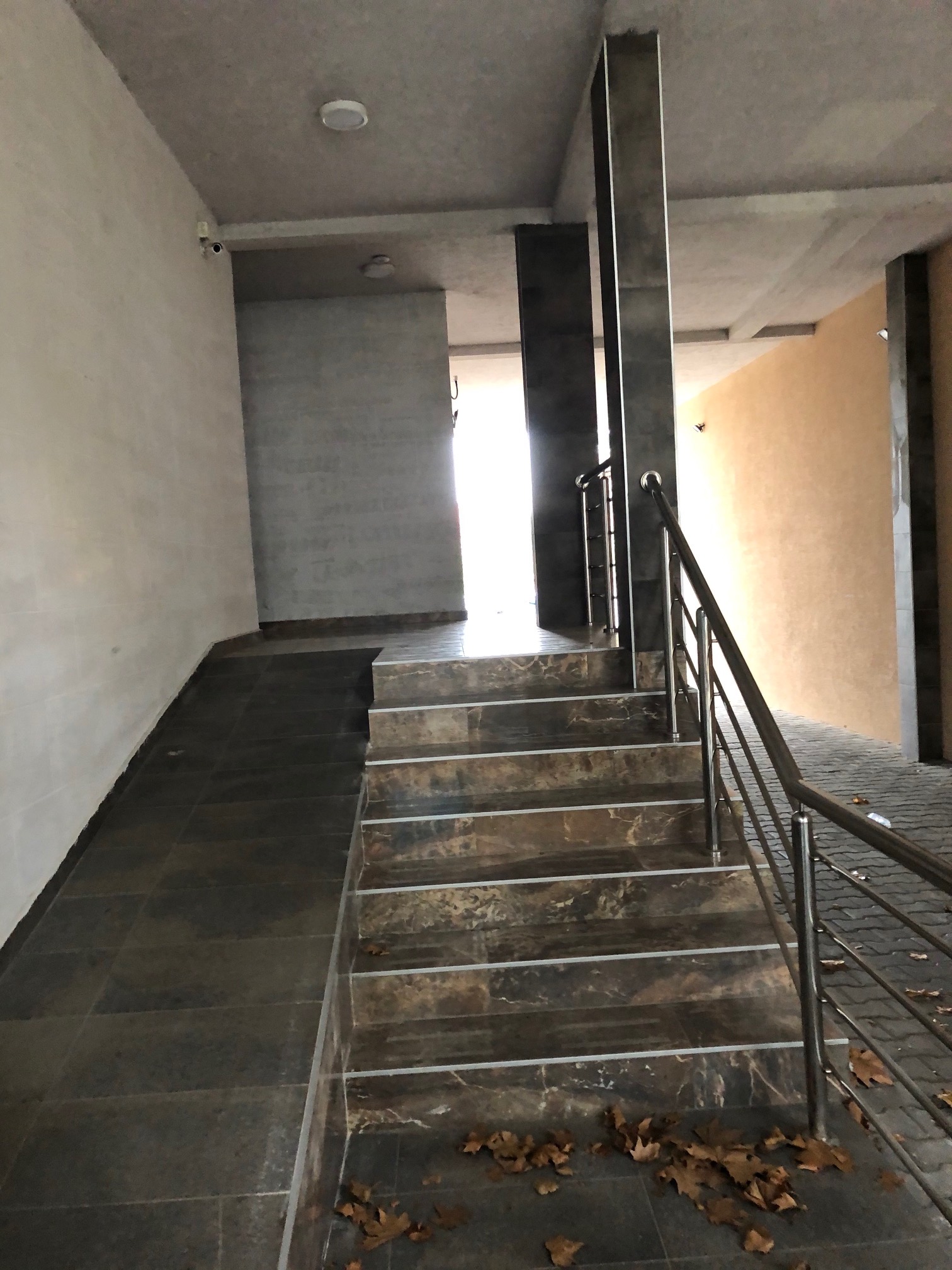
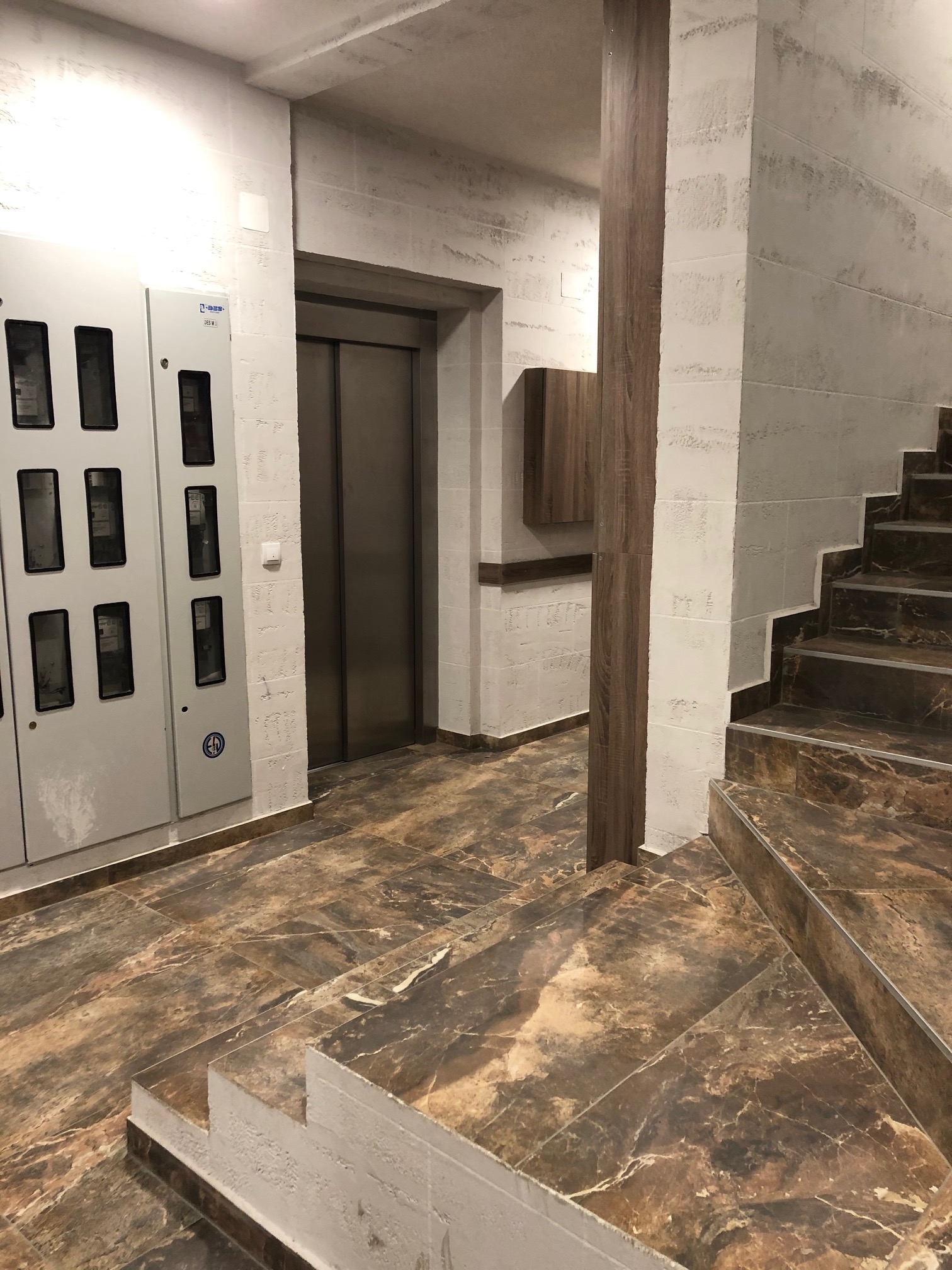
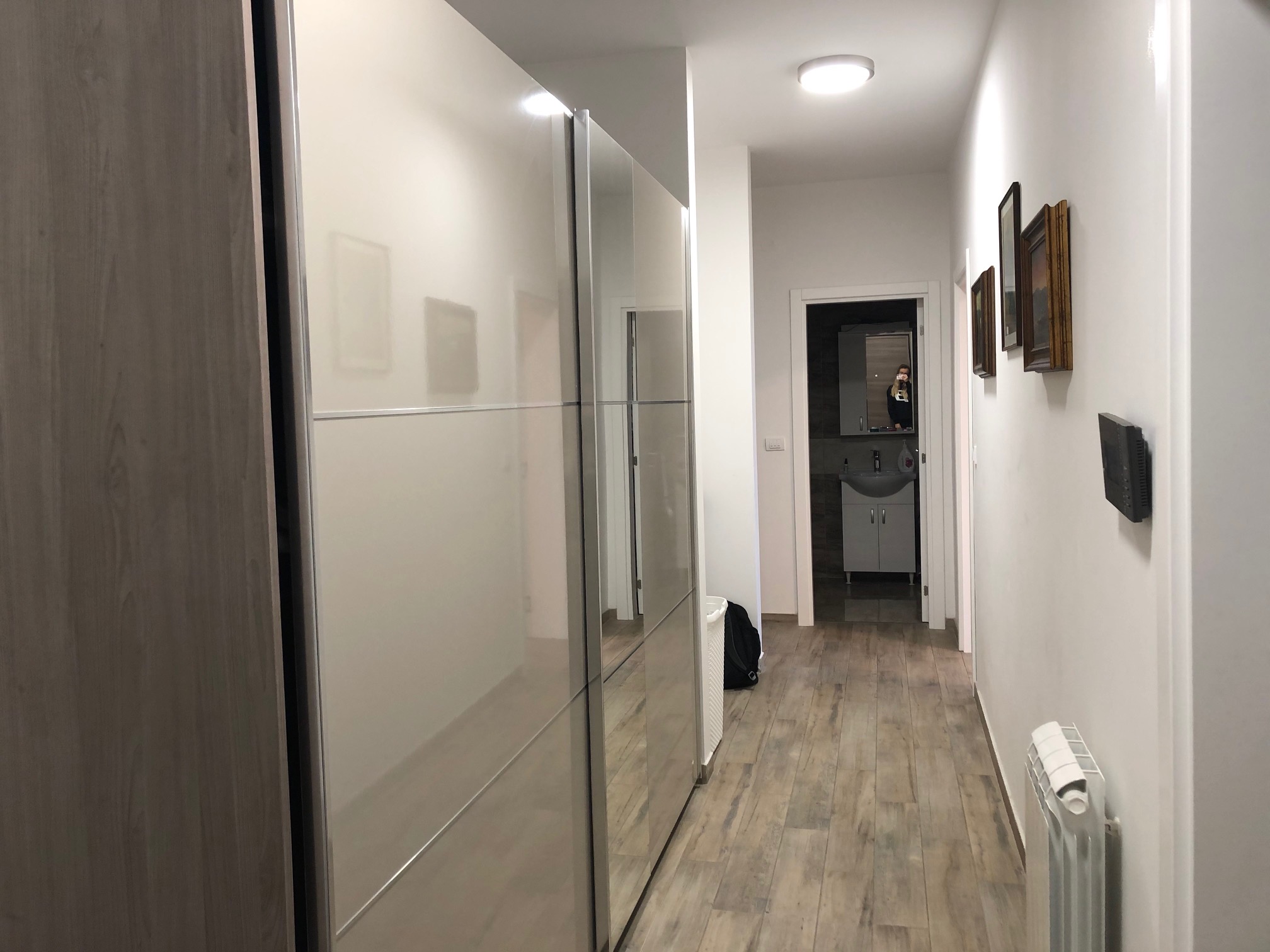
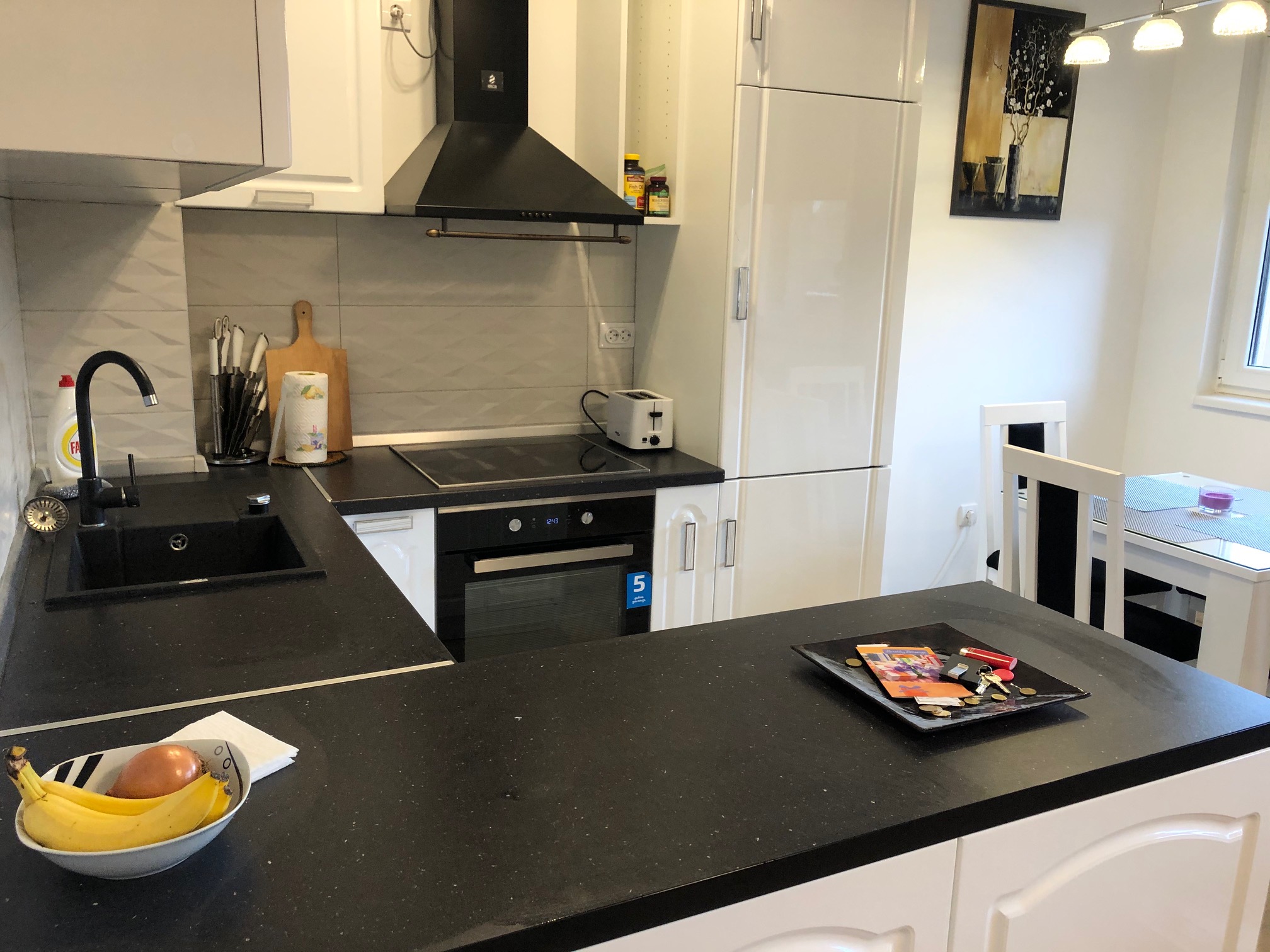
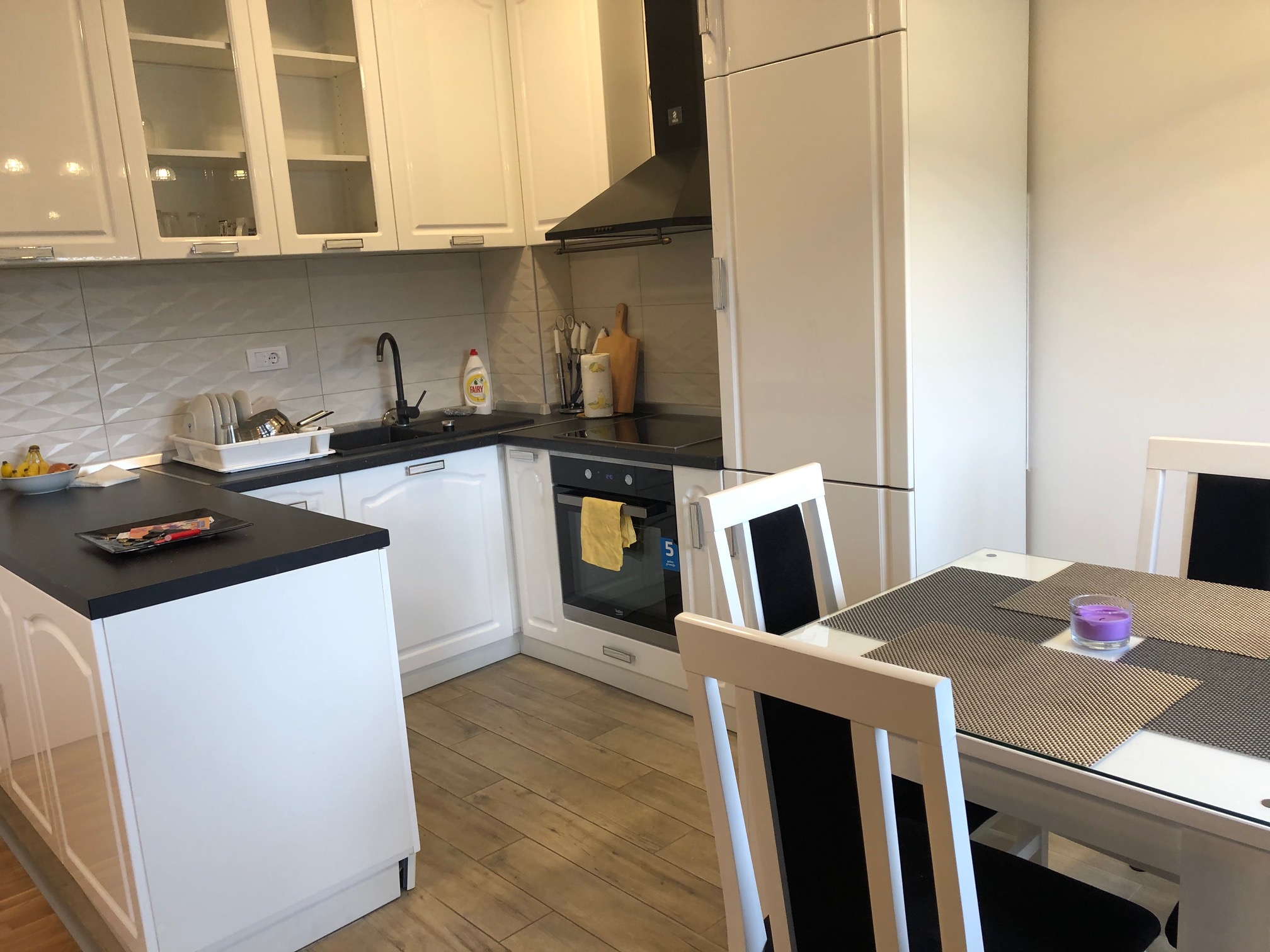
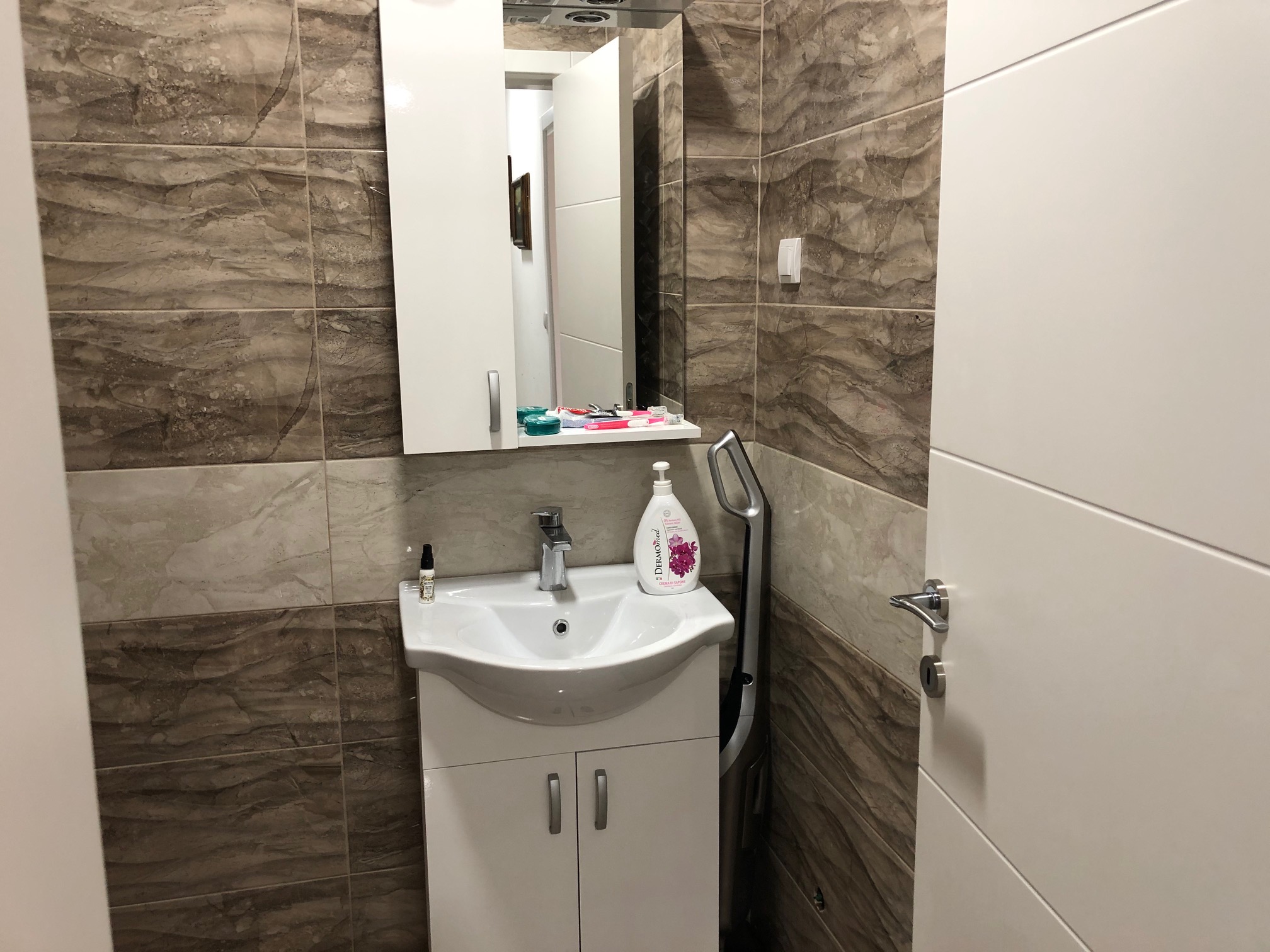
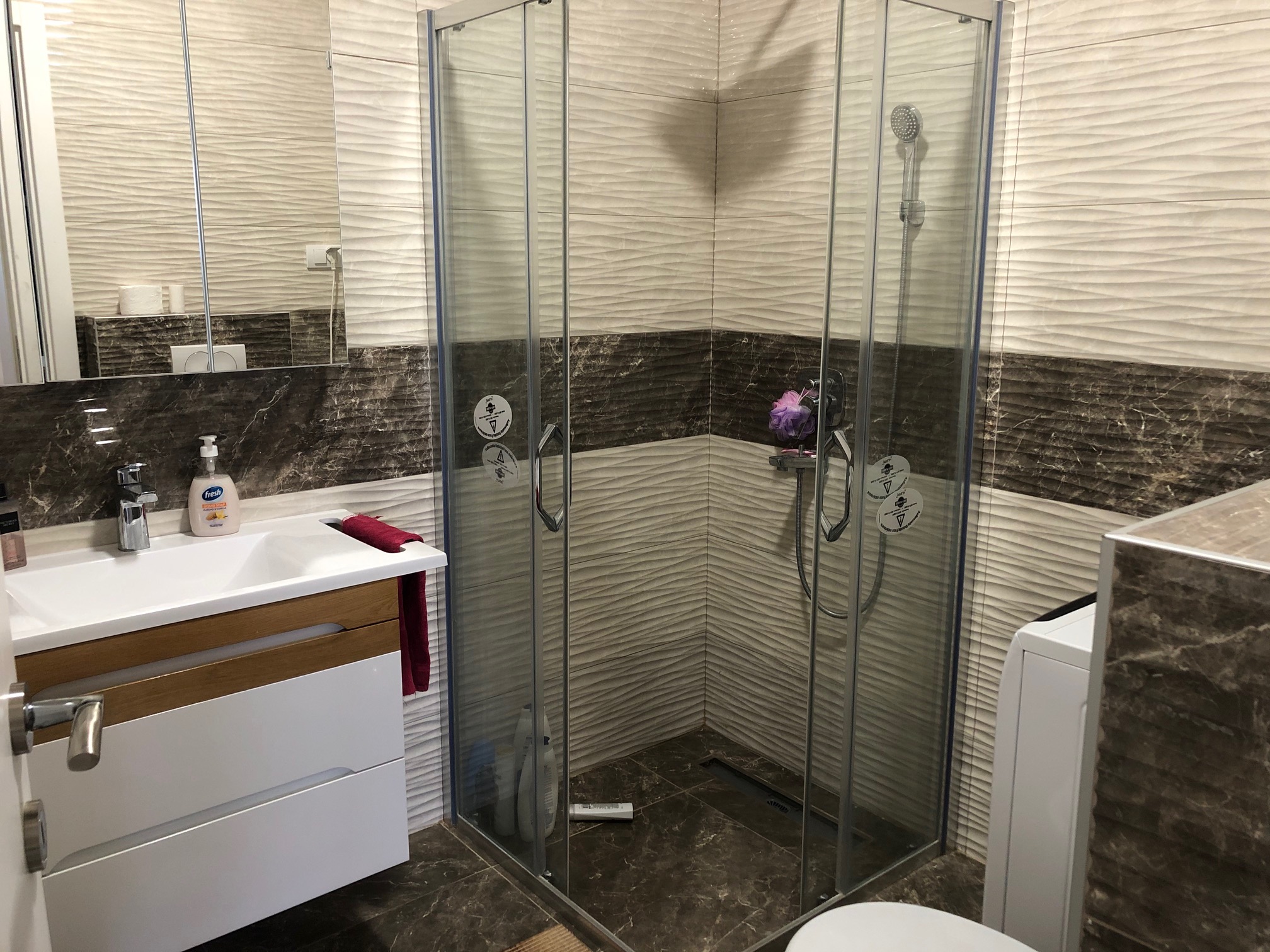
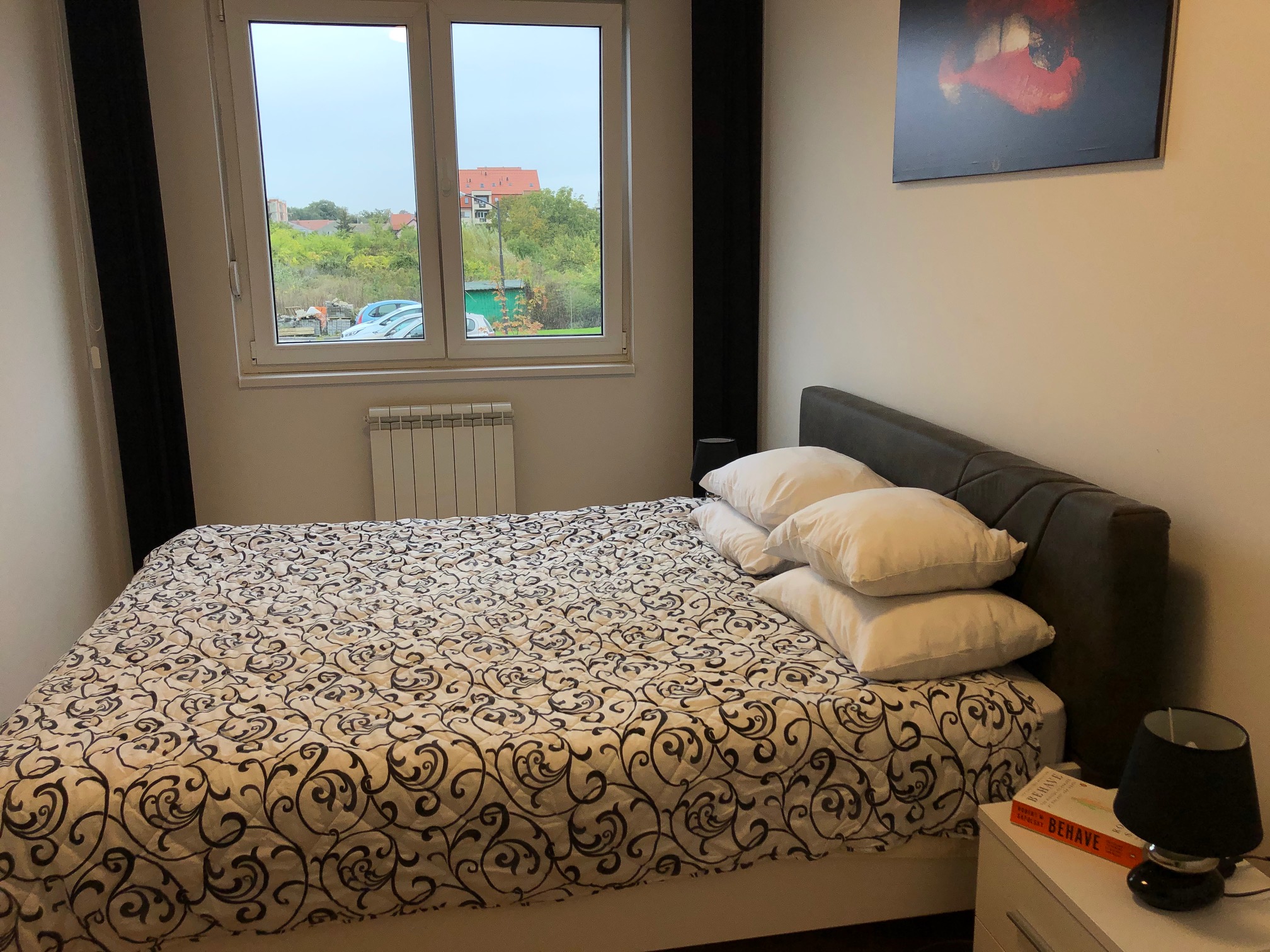
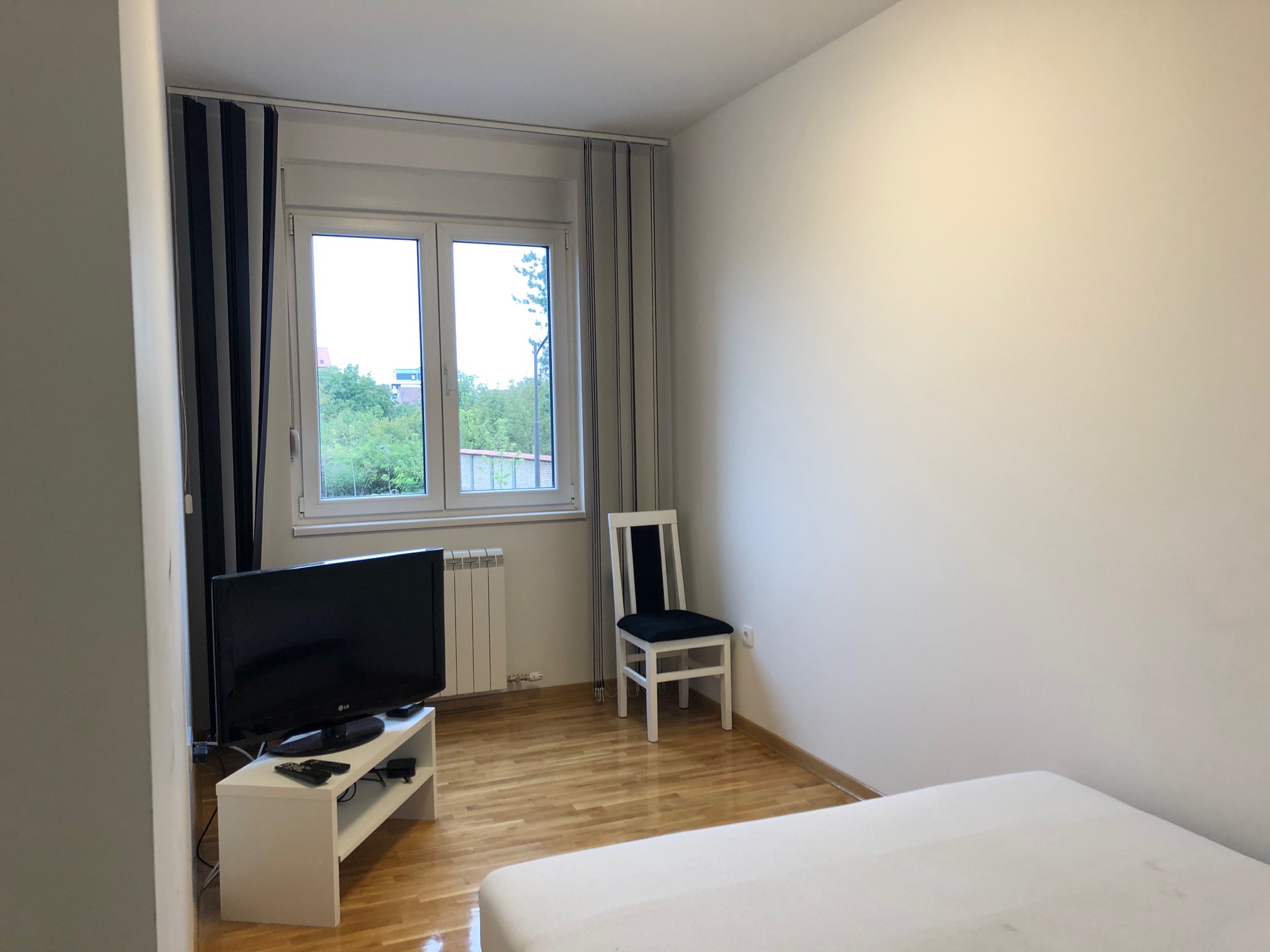
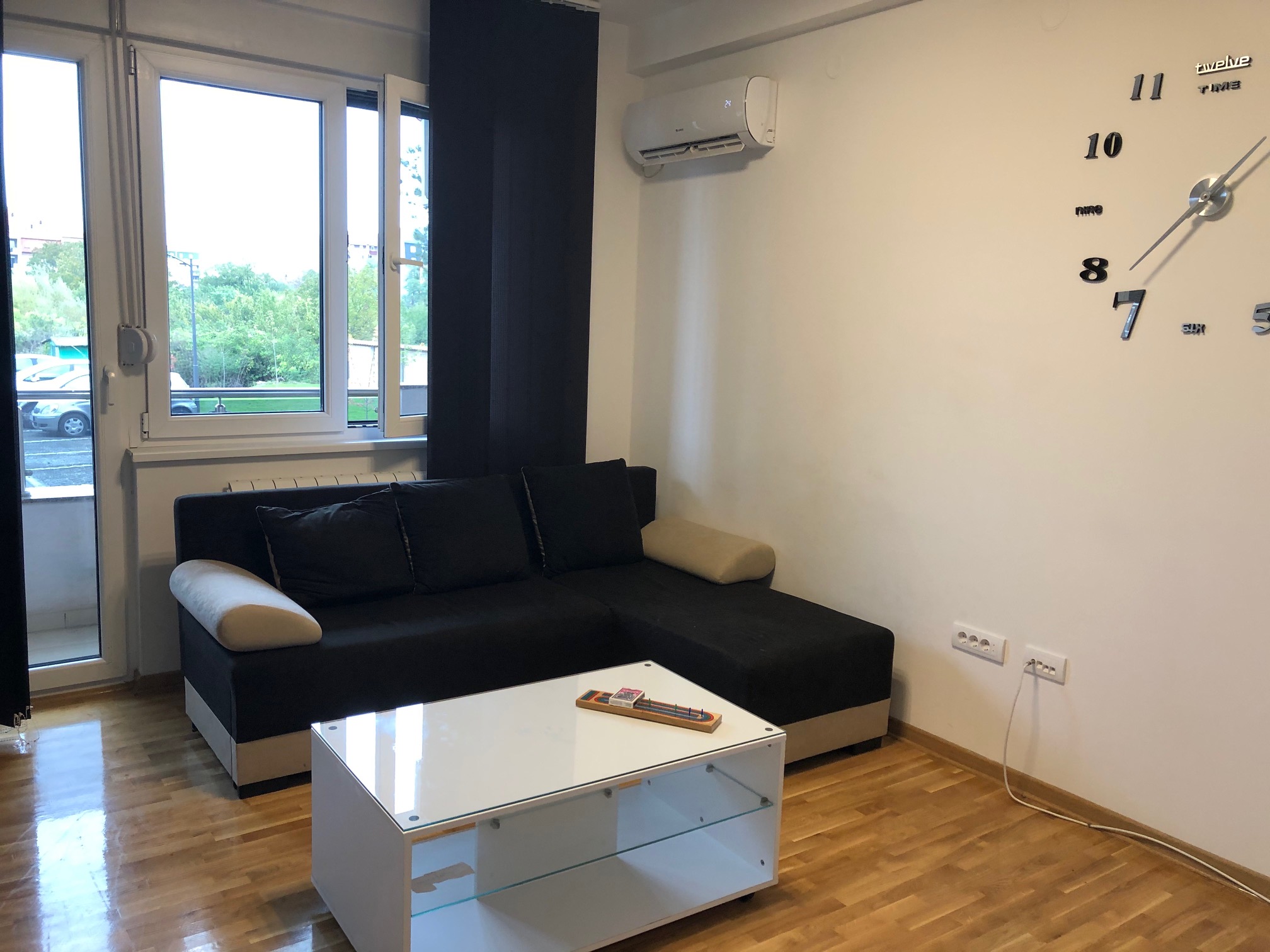
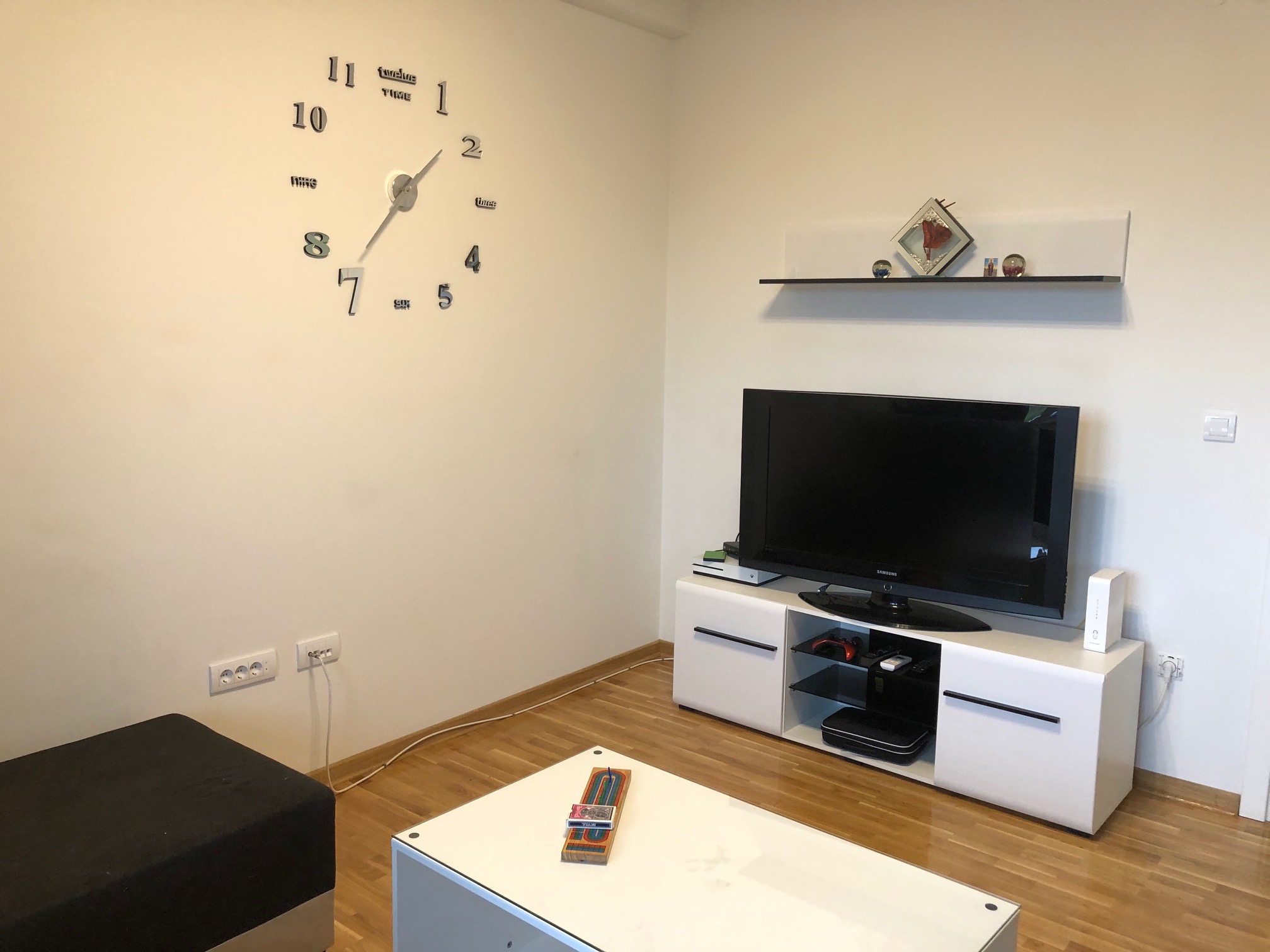
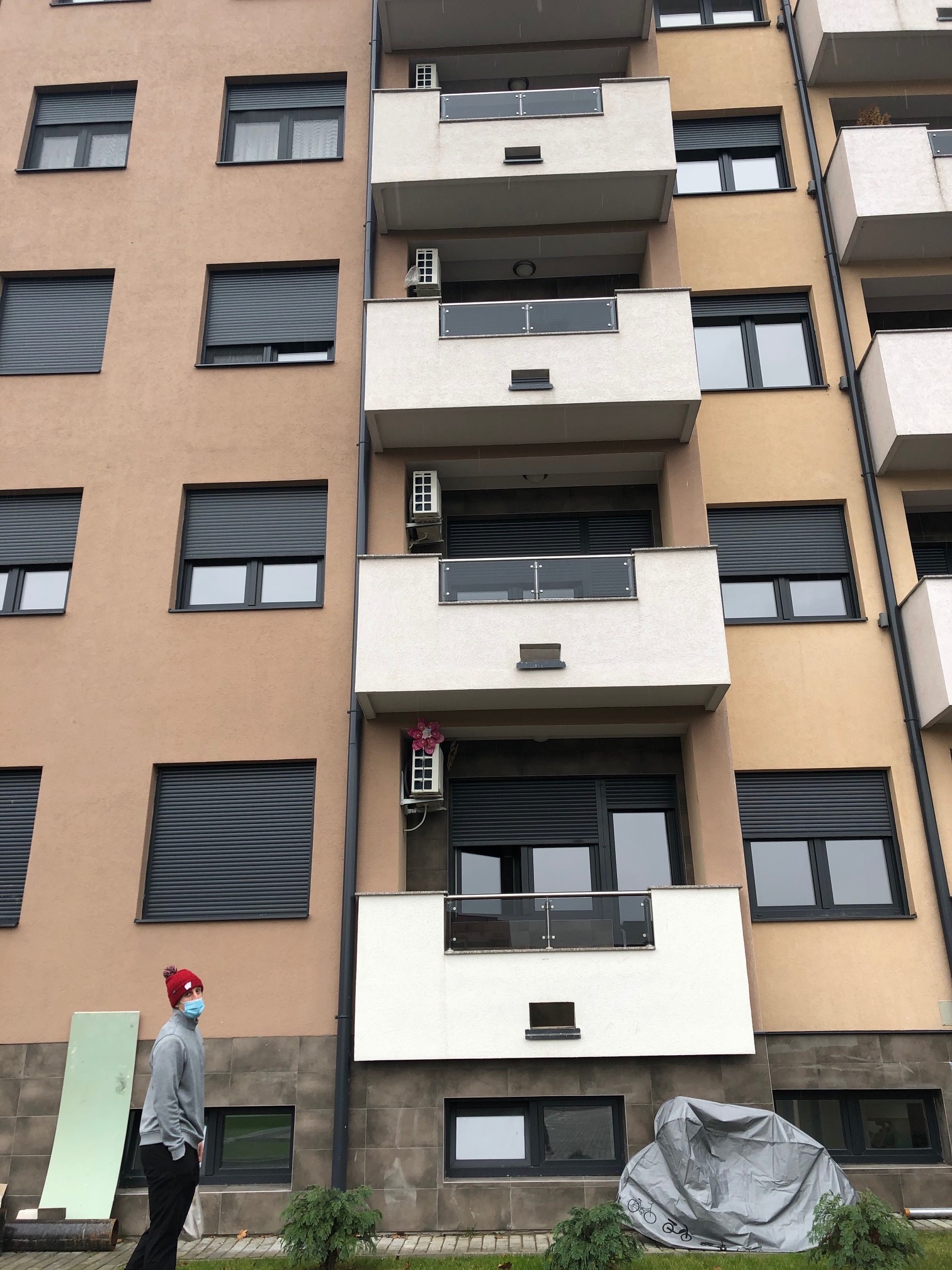
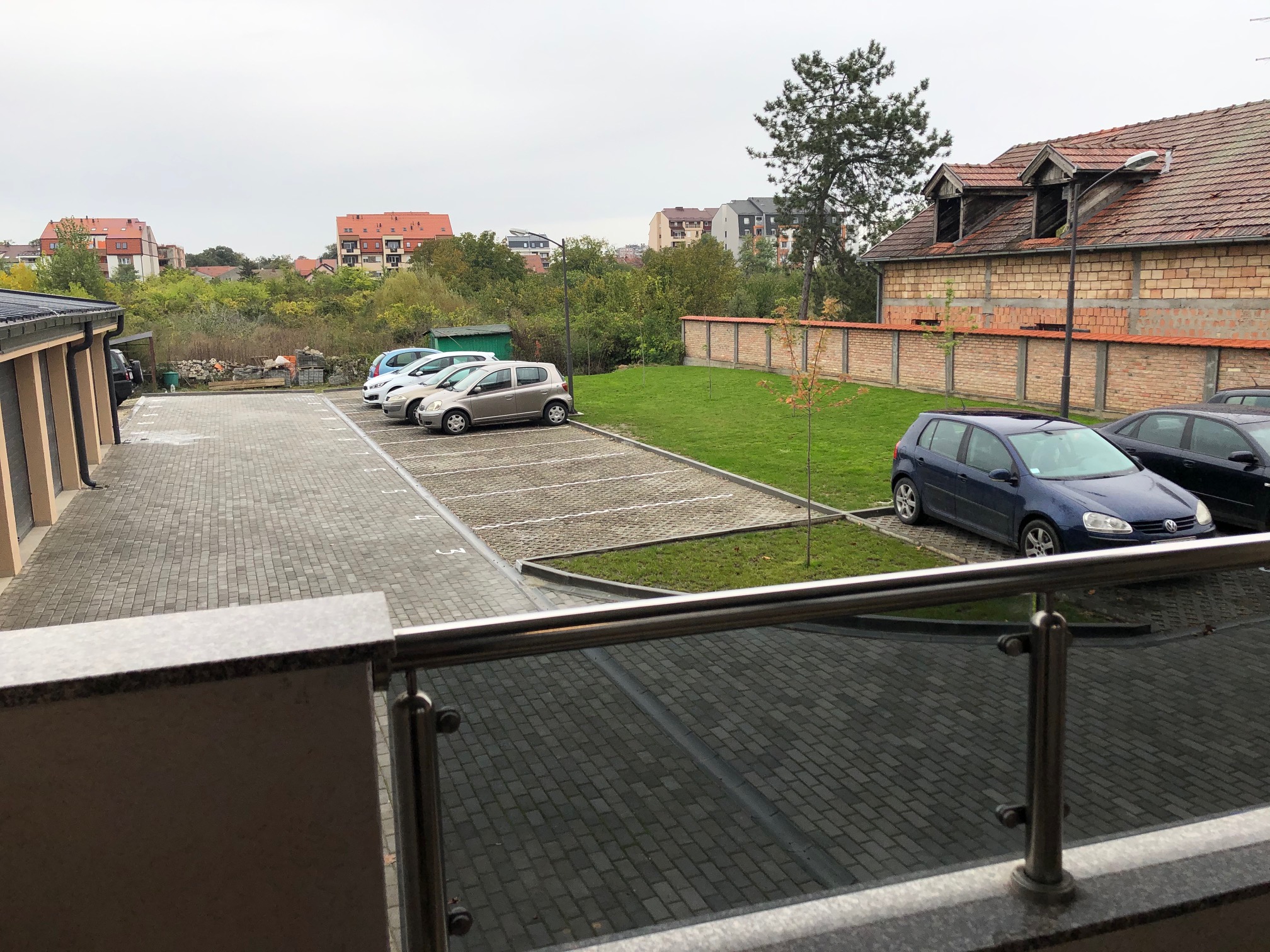
We’re renting a furnished apartment in downtown Pančevo and when Brev’s teammate came over he told us that we have some “very rich neighbors.” While our apartment here in Serbia is double the size of our apartment in Madison, we’re paying half the price. However, the average Serbian household income is about $500 a month so most Serbians could not afford to live here.

Kafanas and Skadarlija

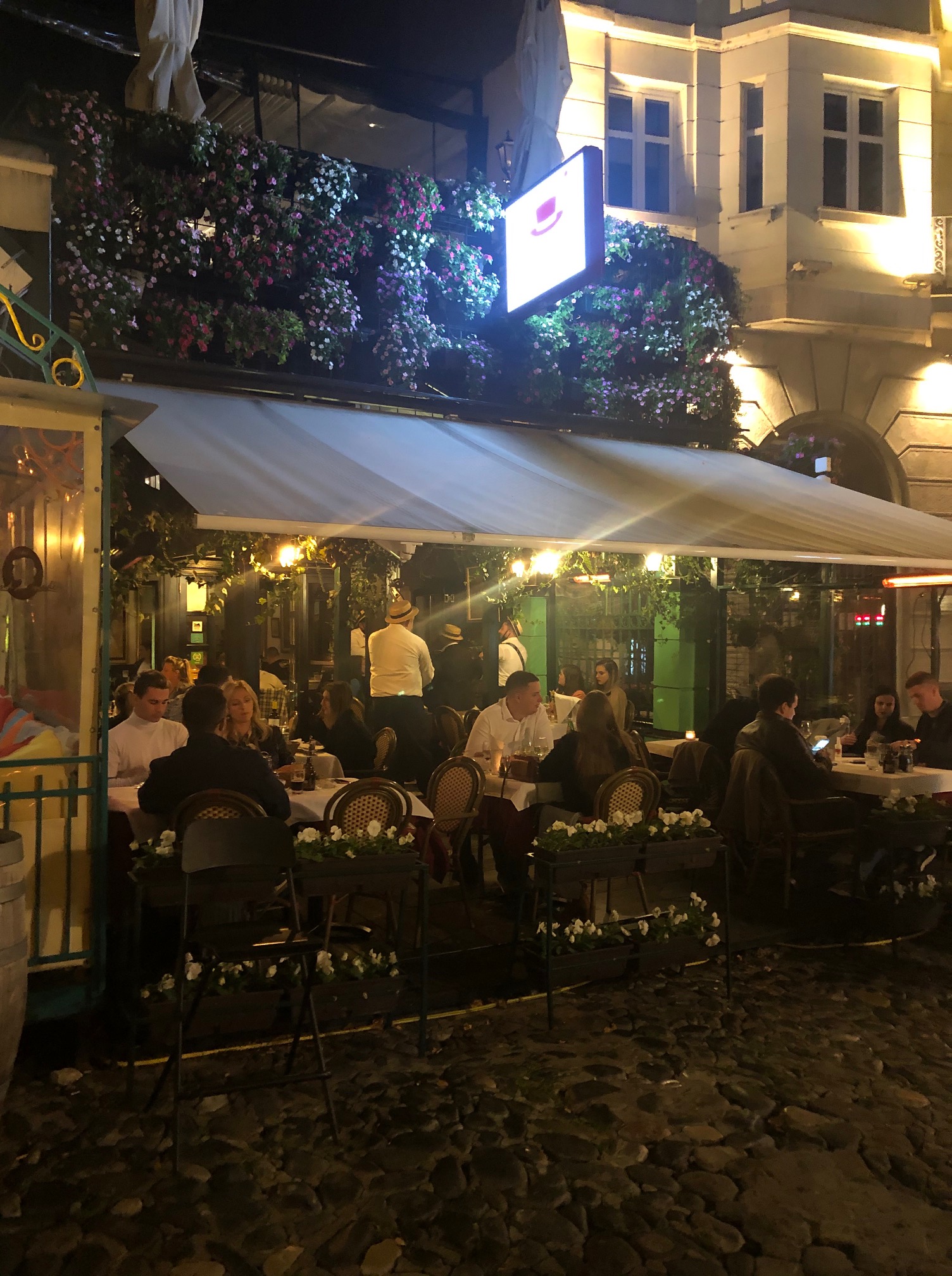
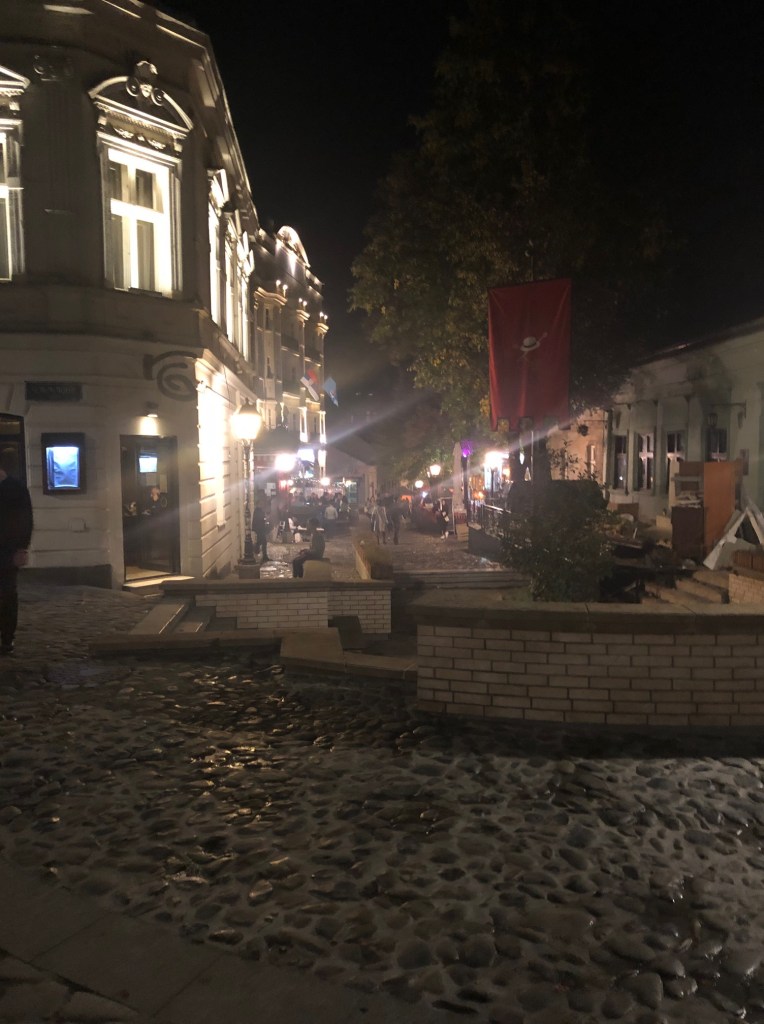
The first kafana (coffee house) in Europe opened in Serbia the 1520s. It was introduced by the Ottomans (Turks) and only served black Turkish coffee. These kafanas evolved from being a place where people simply ate and drank, to being a pillar of their community. They hosted political discussions, marriage arrangements and the first films in Serbia.The most prominent Serbian kafanas are located on Skadarlijia, a vintage street in Belgrade.

In the 1830s Skadarljia and the kafanas, also referred to as the “Gypsy Quarter,” were unsafe and run down. However, prominent Serbian artists, actors and writers who wanted to be close to the theatre or with nowhere else to go began moving to Skadarlija and it quickly became a popular and trendy area that hosted Belgrade’s cultural and intellectual elite.

Today Skadarlija and the kafanas remain important to their community and draw upwards of 20,000 visitors a day.

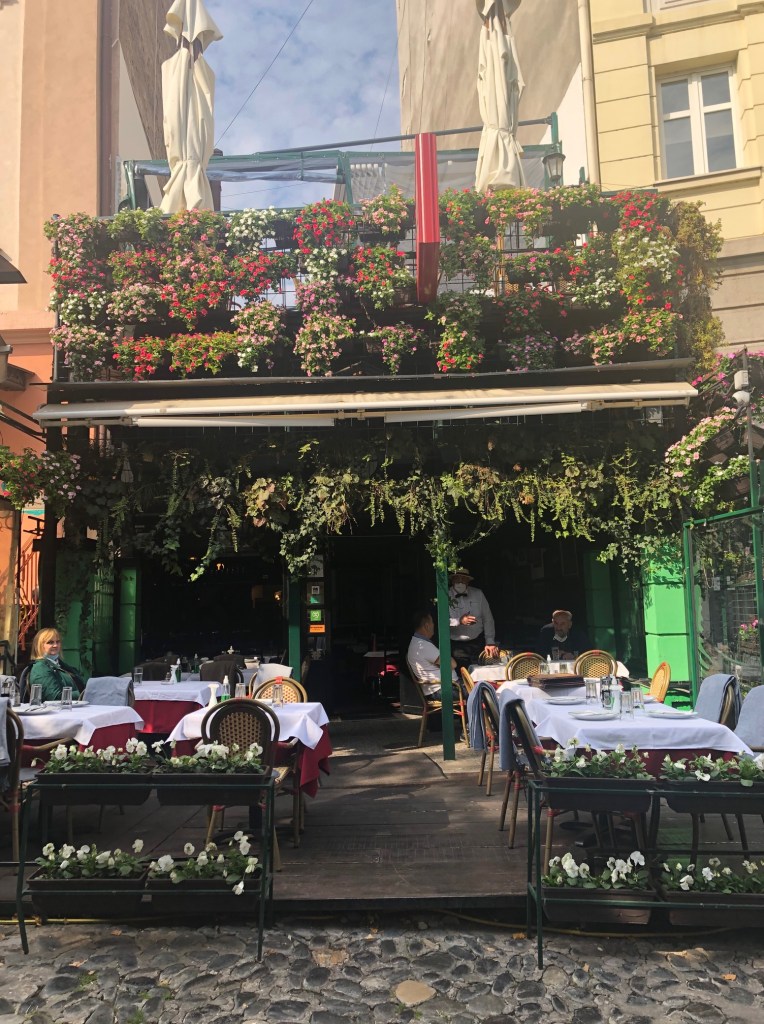
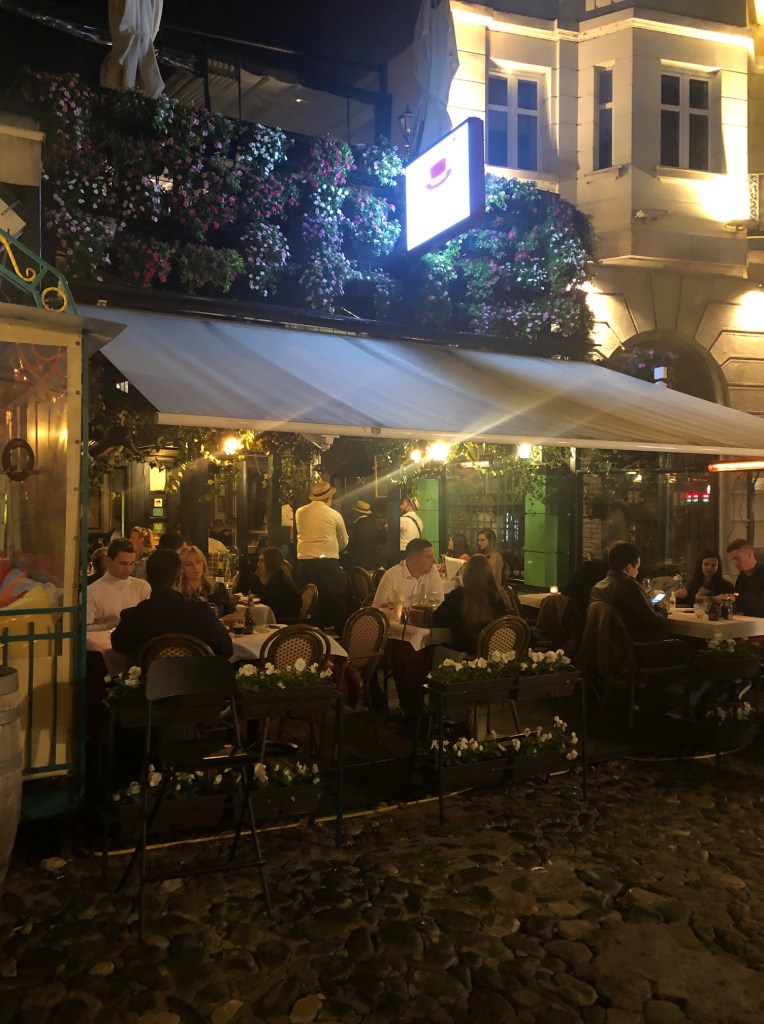
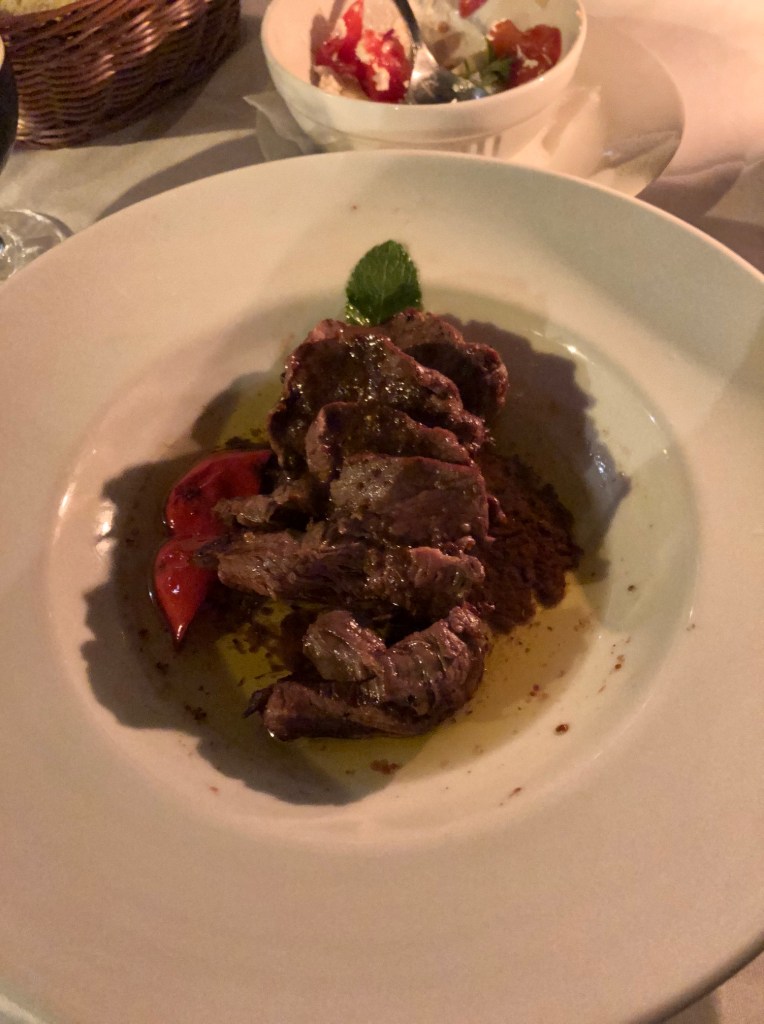
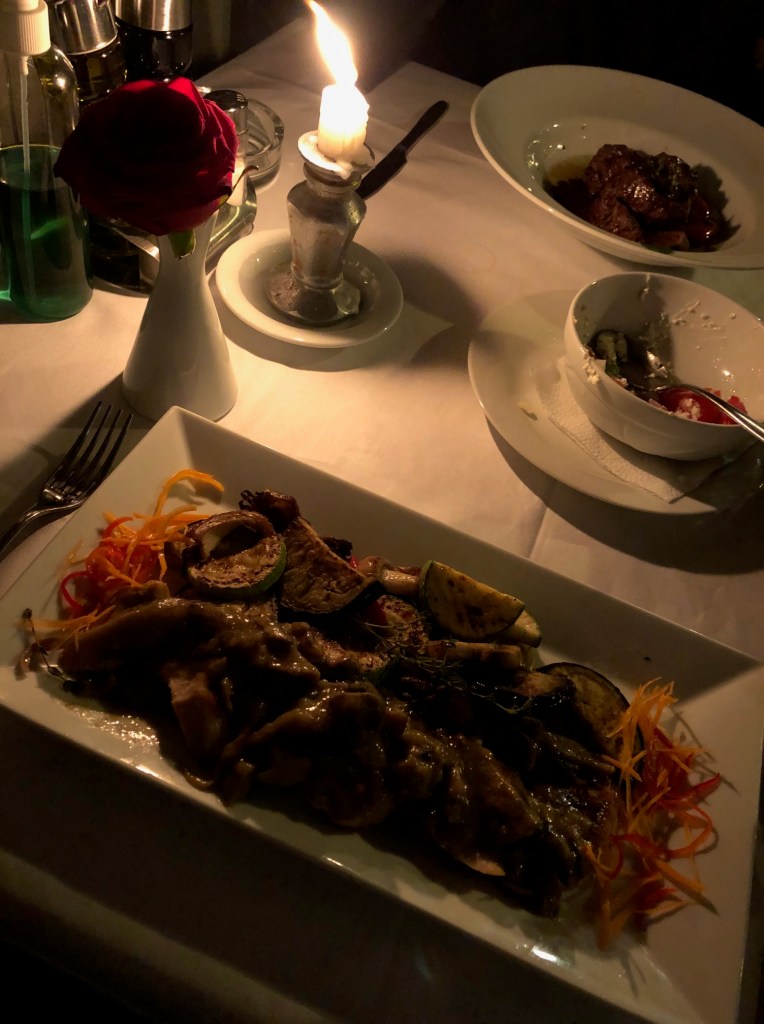
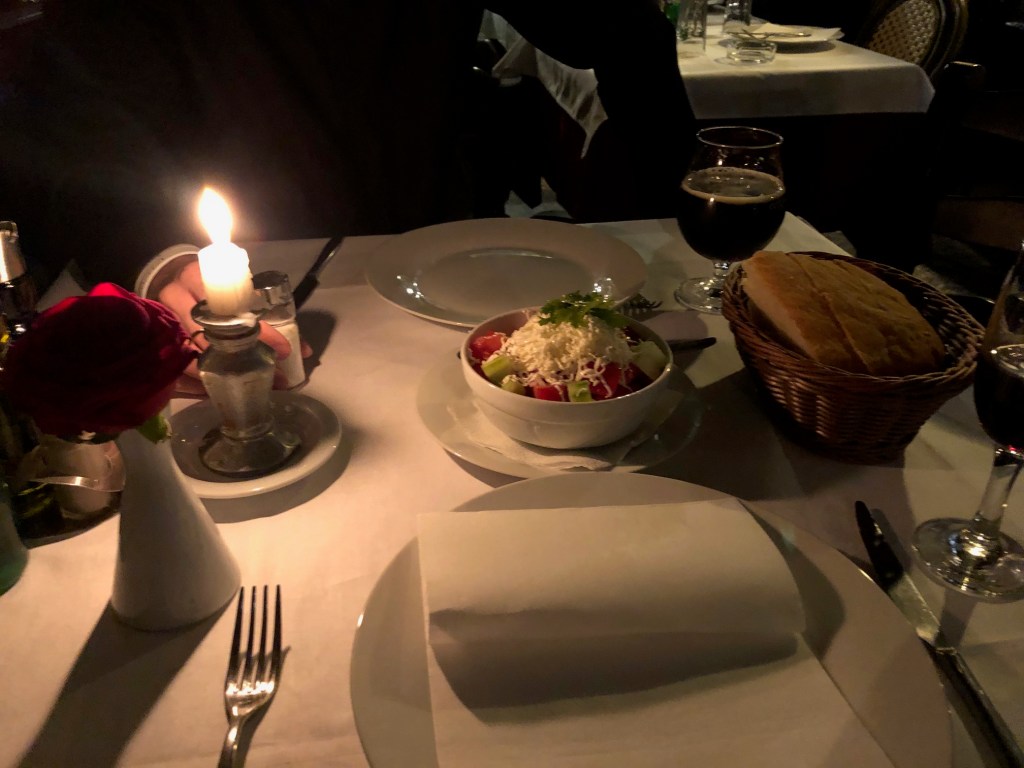
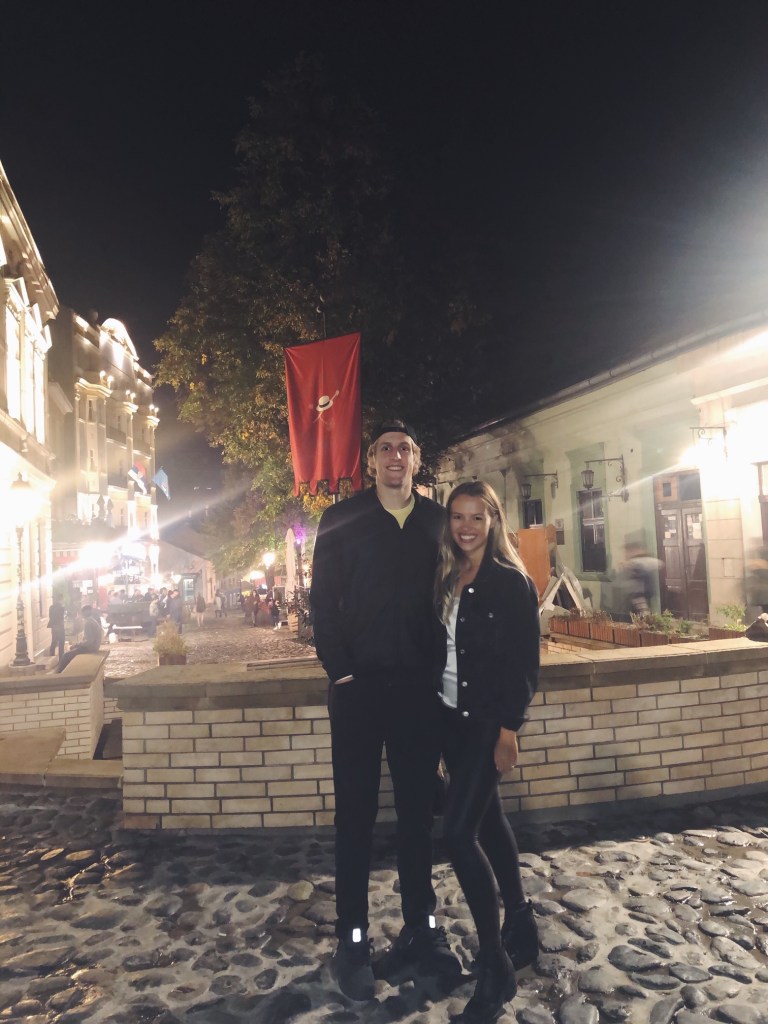
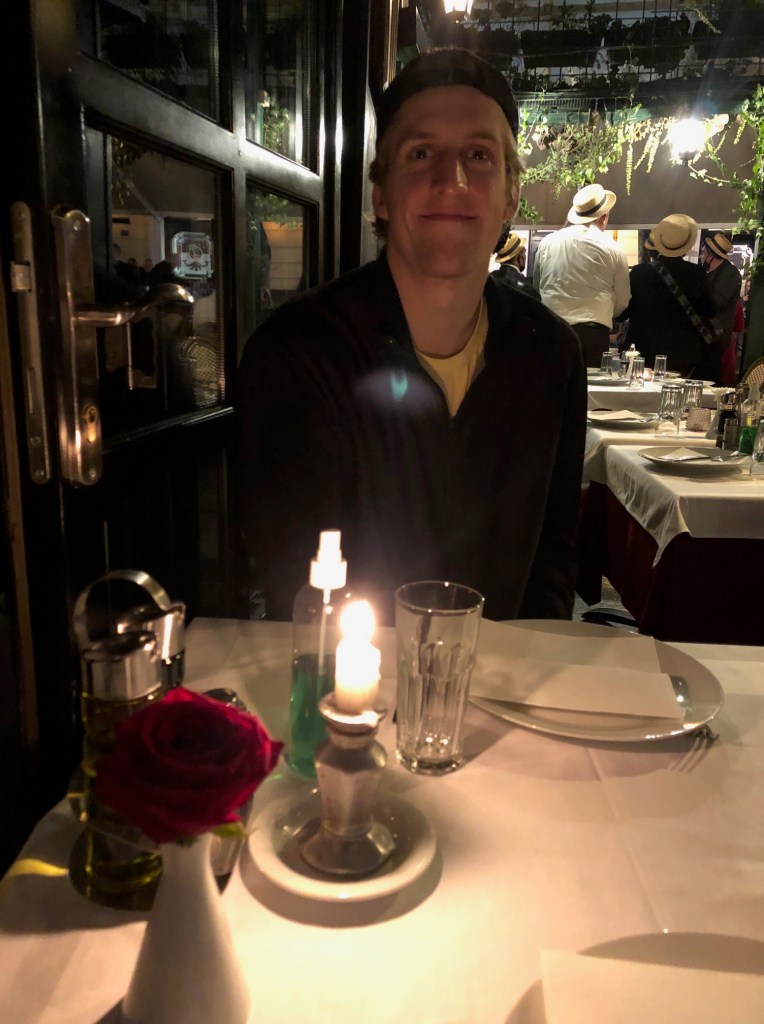
Brevin and I went to ŠEŠIR MOJ tavern which was recommended to us for a traditional Serbian meal.

International Travel During Covid-19

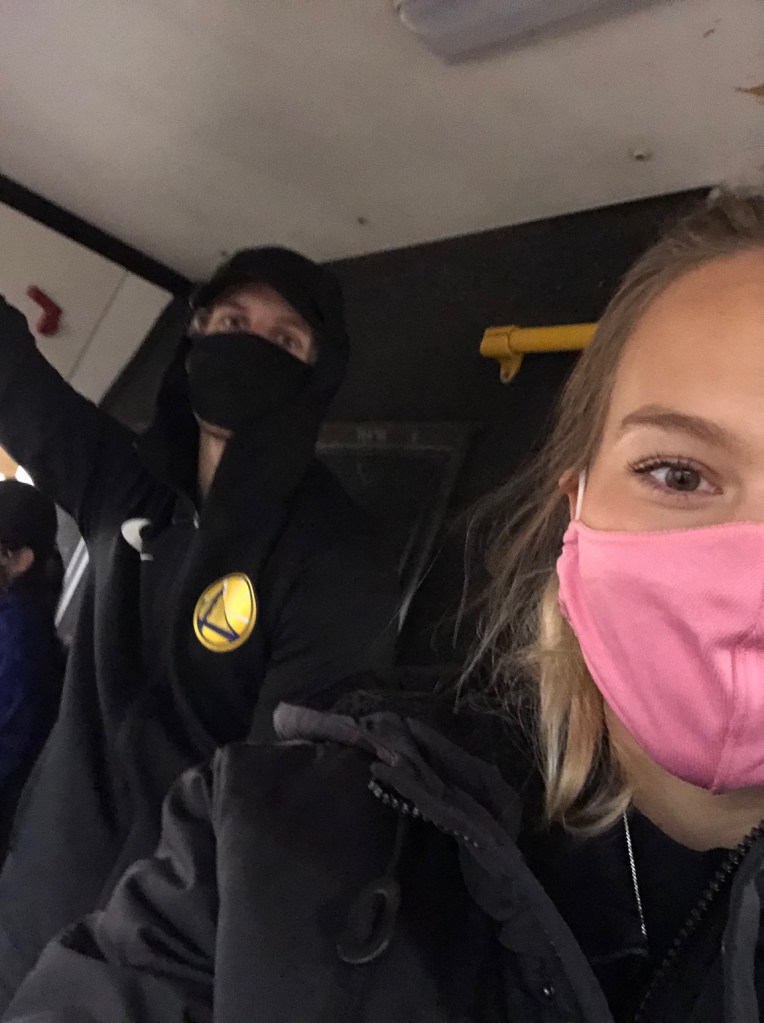
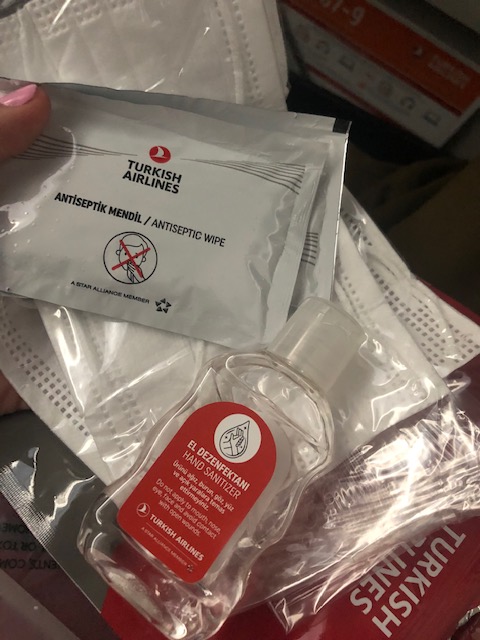
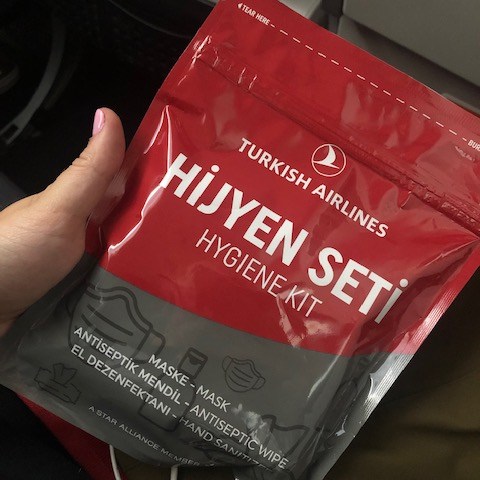
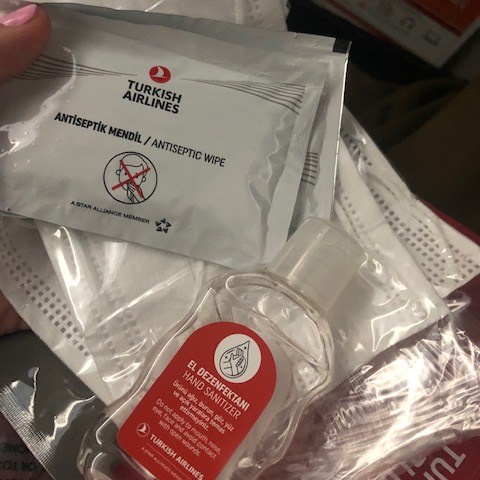
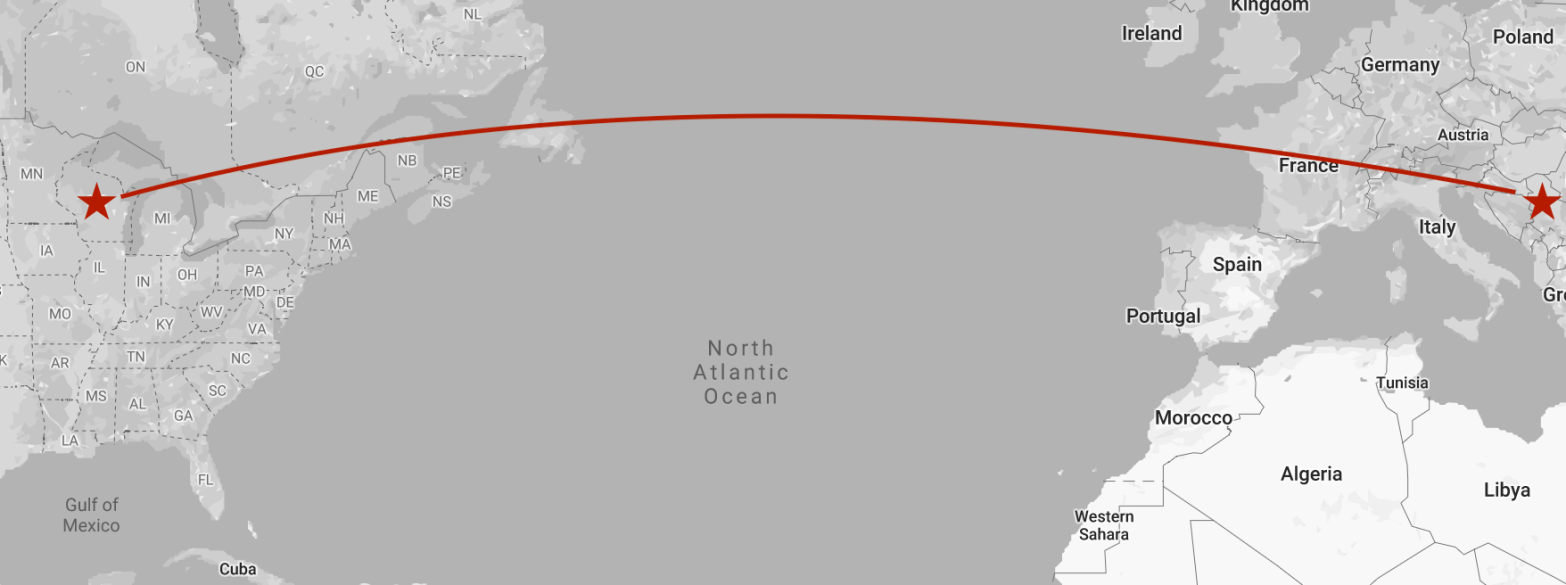
Flying during a pandemic sounds stressful, but I actually felt very safe while traveling. I flew Turkish Airlines from Chicago to Istanbul, Turkey and then to Belgrade, Serbia. On each flight, the airline provided a “hygiene kit” containing multiple face masks, wipes and hand sanitizer. Passengers had to wear masks throughout the entire flight and meals were staggered so rows of passengers would have their face masks off at different times to eat.

The Istanbul Airport

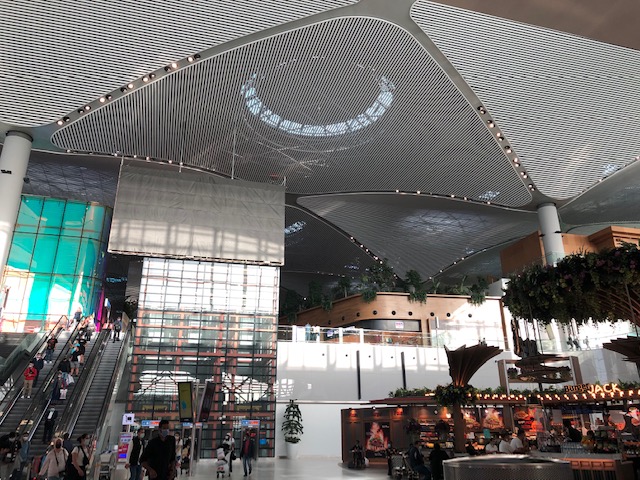
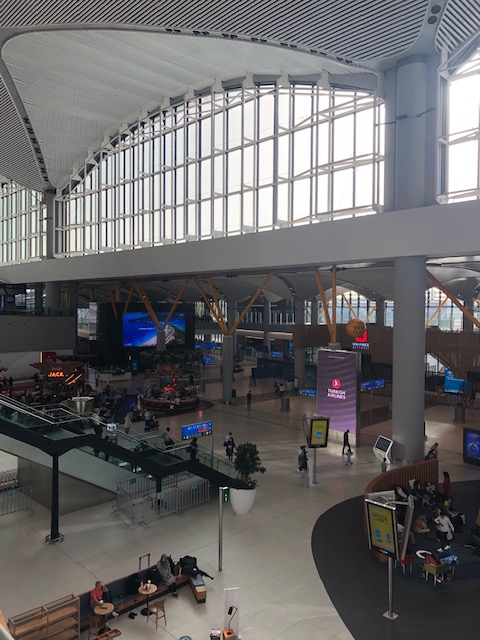
Deemed one of the largest and most modern airports in the world, the Istanbul Airport (IST, IGA) opened in 2018 and has one of the biggest duty-free shopping areas. By 2025, the airport will be able to handle up to 200 million passengers annually, which will make it the largest airport worldwide in terms of passenger traffic.

Three things I noticed at the Istanbul Airport, that were different from Chicago O’Hare:

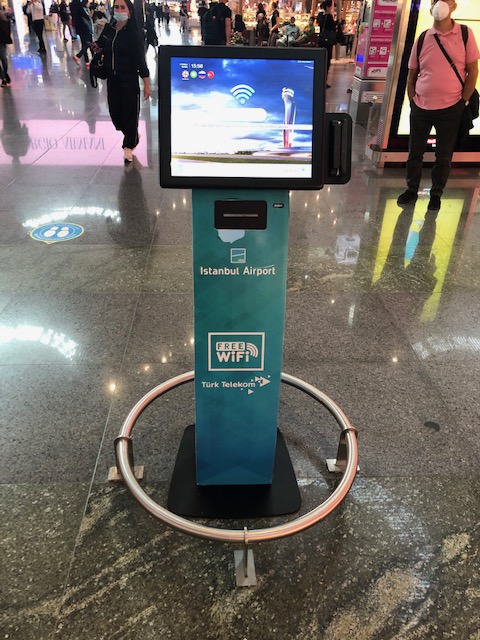
The WiFi kiosks, located all around the airport and pictured above, offer one hour of free internet but require you to put in your mobile or passport number to access it. You are then given a one-time password, which you can print off at the kiosk, to get WiFi on your device.

There are a lot of trees and greenery around the airport. This may be a nod to the 13 million trees that were cut down to construct the airport and the North Marmara Highway, which provides access to the airport. Some Turkish citizens opposed this airport project because it destroyed over 18,000 acres of Istanbul forests and wetlands.

They assign flight gates relatively close to boarding time, so passengers waiting for their flight and gate assignment mill about the airport and its numerous common areas. Perhaps this is to encourage passengers to spend money at the numerous duty-free shops?

The (Dreaded?) First Blog Post

A wise man once said, “Does your girl write a blog? If she doesn’t, she will. And you gotta read it”

Well, Trey Kennedy, you were indeed right because here we are (hi Brev!). If you have no idea what I’m talking about and want a little laugh, take three minutes to watch Trey Kennedy’s video, Millennial Boyfriend School, where he pokes fun at dating culture and millennial norms.

Are you craving some avocado toast after that video? Because same.

Growing up I was always reading and writing my own stories, and while I’m no artist like my mom, I have enjoyed having some sort of creative outlet. In college I was a PR intern for a local advertising agency, a social media intern for UW and a marketing coordinator and campus representative for American Eagle and Victoria Secret PINK brands. Between those experiences, my strategic communications degree and current role at an ad agency, creating a blog has always been on my radar.

But it wasn’t until Brevin and I were going to Serbia that I finally decided to take the leap and actually create a blog.

In the next few months I plan to document what we are up to in Serbia. From Serbian history and traditions, professional basketball, local cuisine and apartment tours – stay tuned for upcoming content!

Design a site like this with WordPress.com
Get started