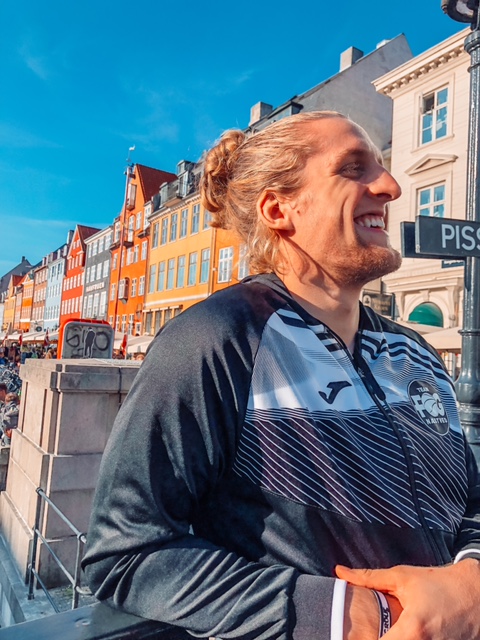
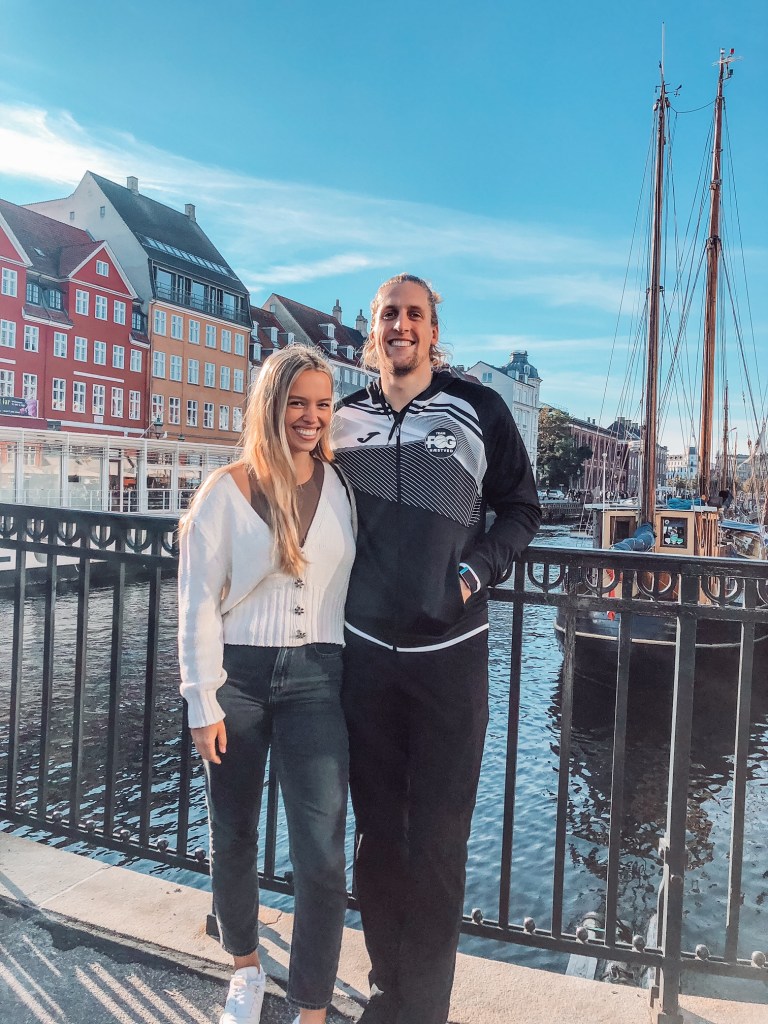
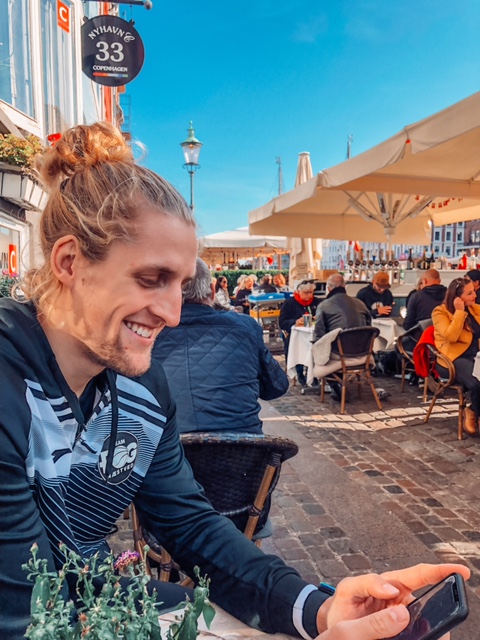
This season Brev is playing for Team FOG Næstved in the best Danish basketball league, Basketligaen. They’re currently 3-0 and you can watch most of their games via livestream here: https://basketligaen.dk
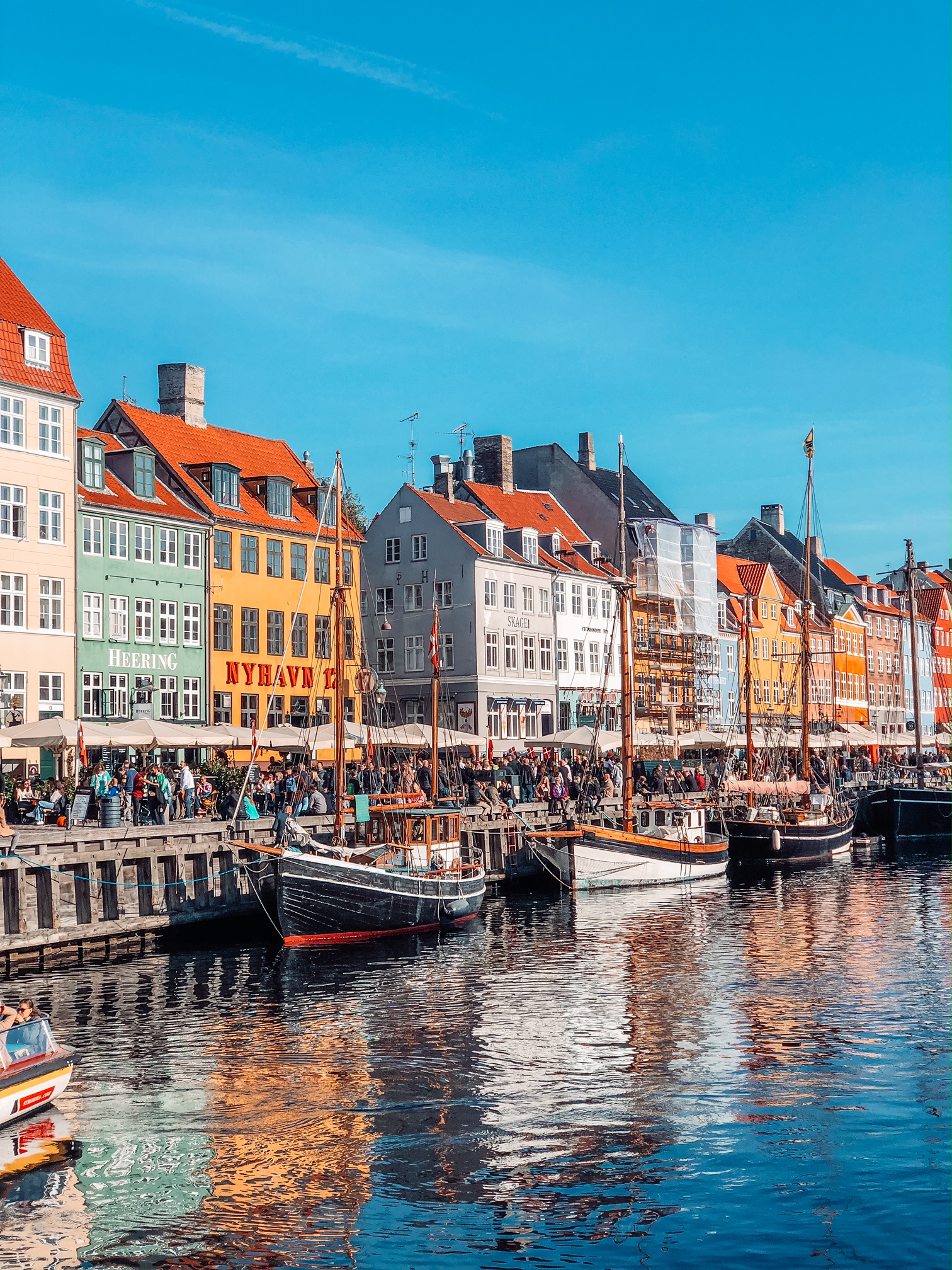
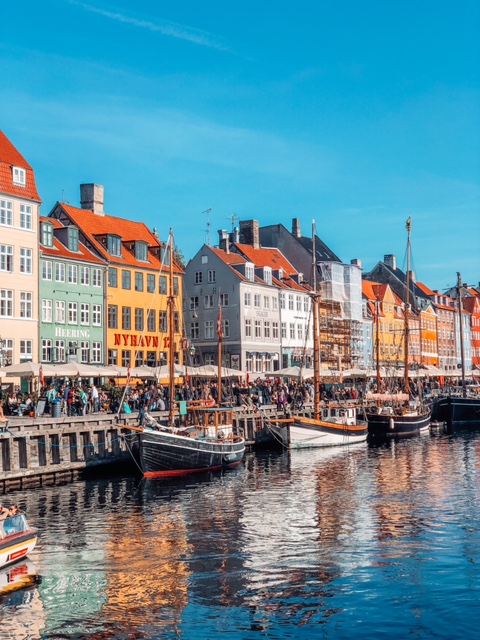
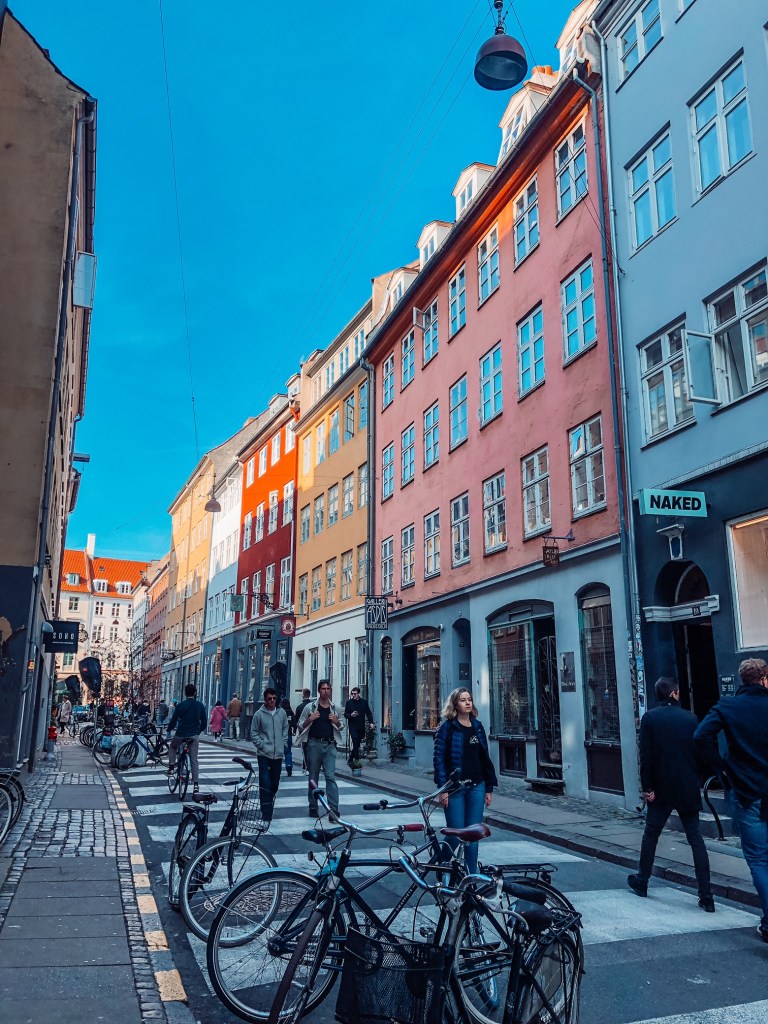
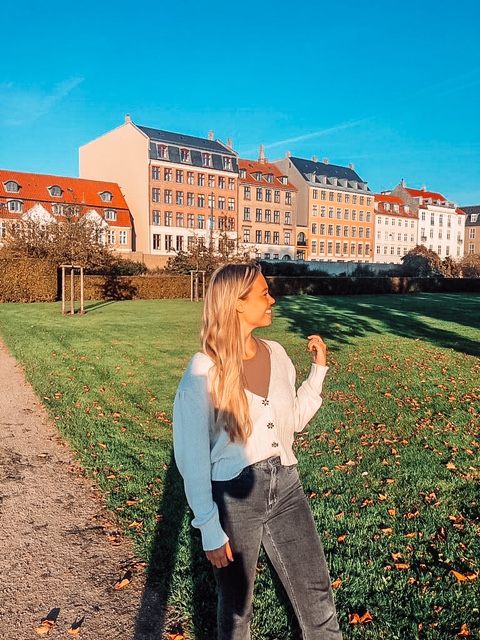
I arrived in Denmark on Friday and we were able to spend Saturday in Copenhagen. Super excited for this adventure and lots more to come. 🙂
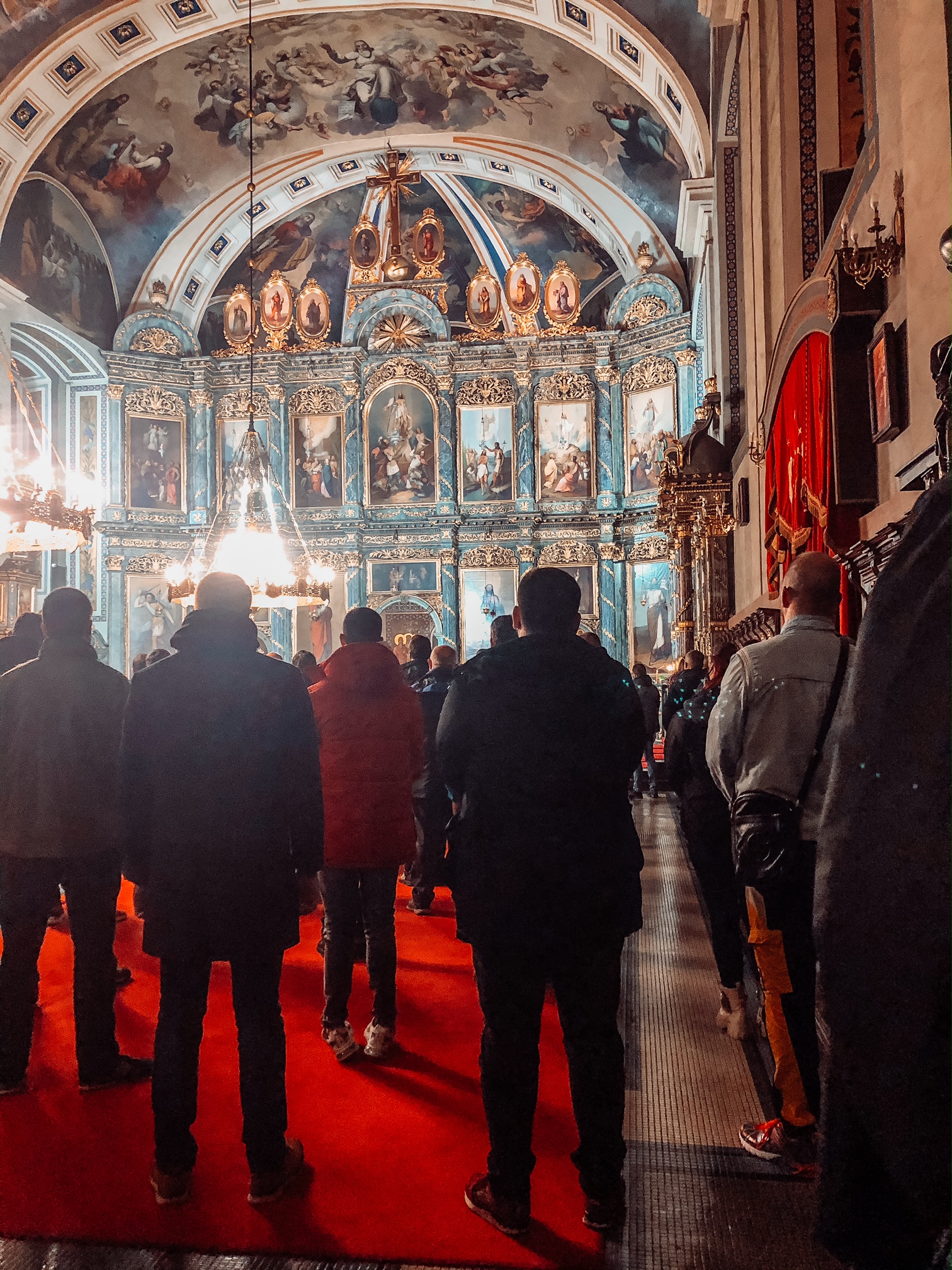
We also attended a midnight Eastern Orthodox Christmas service with our friend Jelena.
It was there that we learned Serbs use the traditional festive greeting of “Christ is born, Merry Christmas” and the appropriate response is “Truly, he is born.”
While the entire hour and a half service was in Serbian, Brev and I were fascinated by the following:
Everyone stands the entire service, there isn’t even benches or pews in their churches.
The importance of Icons – Even during the service, worshippers will walk up and kiss icons in the church, making the sign of the Cross three times.
Christmas is preceded by a 40 day fast, beginning on November 15th. In this fasting period people are vegan, and it is a time of reflection, self-restraint and inner healing in the sacrament of confession. Additionally, it is a requirement to fast seven days before you take holy confession and communion.
It is also important to note that Eastern Orthodox Christmas lacks the commercialization like in the West.
Most Serbians are Eastern Orthodox and still use the old Julian Calendar, which means that Christmas Eve is on January 6th and Christmas Day is on January 7th!
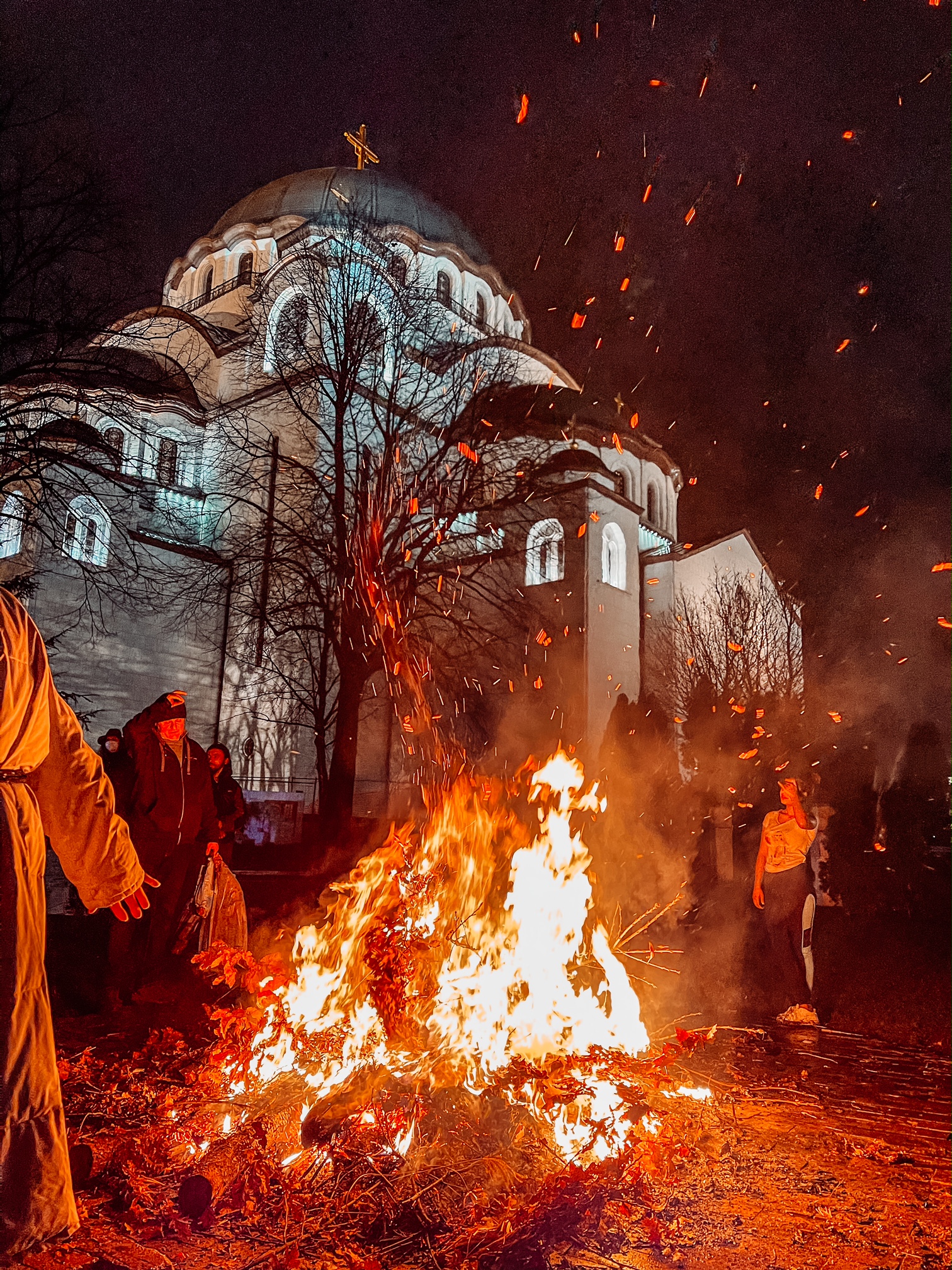
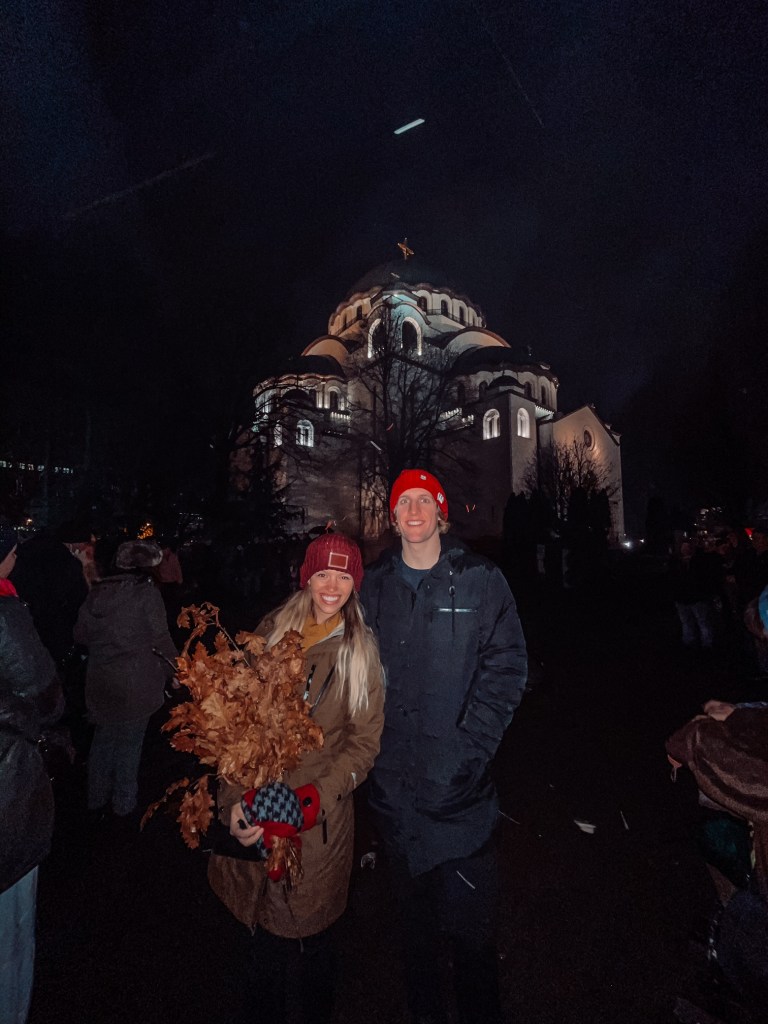
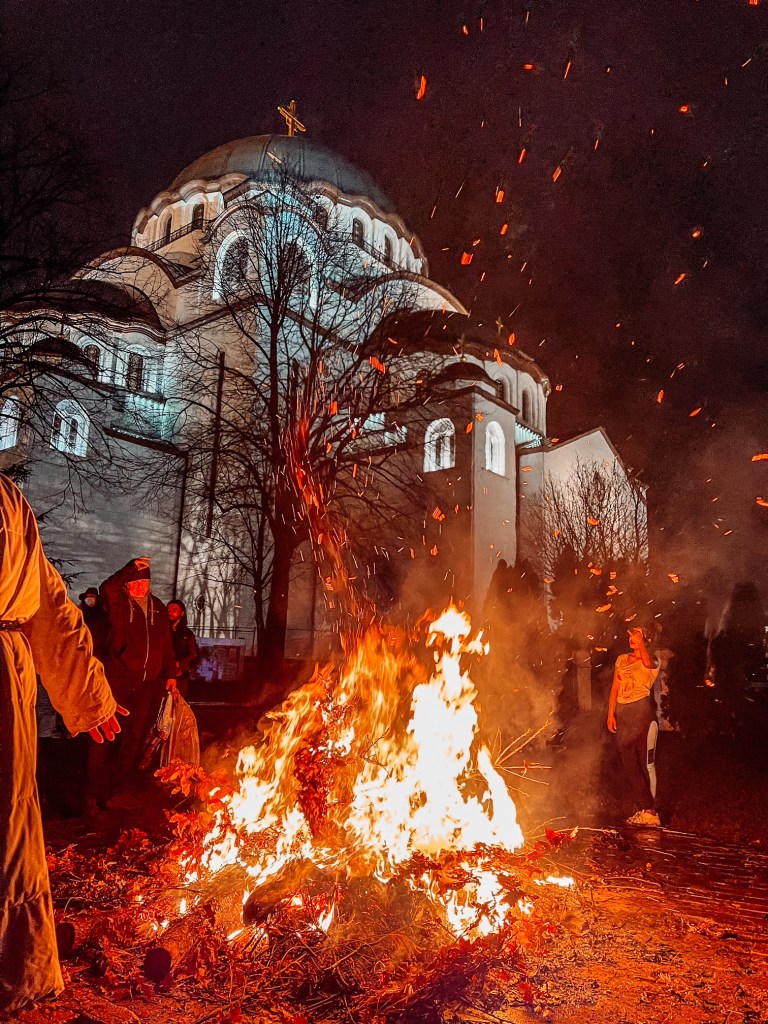
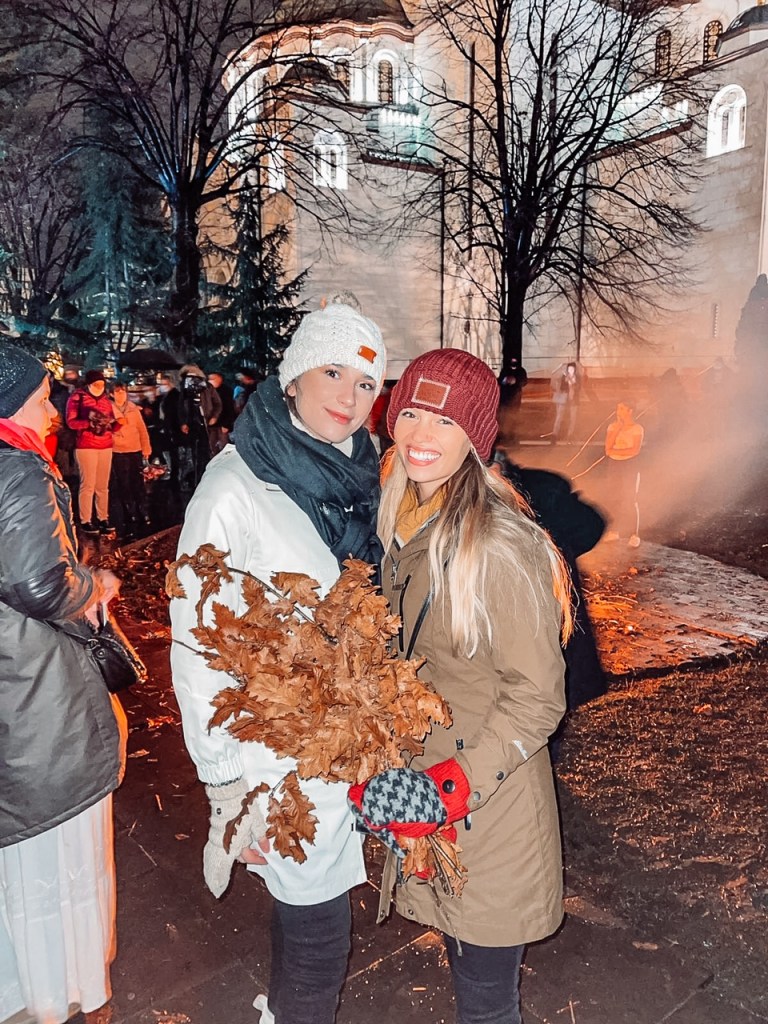
Brevin and I went to Belgrade on the sixth to celebrate Orthodox Christmas with our friends. We went to a badnjak ceremony at the Temple of St. Sava, where an oak branch is burned and people pray for a happy, healthy new year.
Traditionally on Christmas Eve, the father of the family would go cut a young oak tree down to burn, but today most Serbs just buy a tree or go to the more public badnjak ceremonies at the churches – like the one we attended.
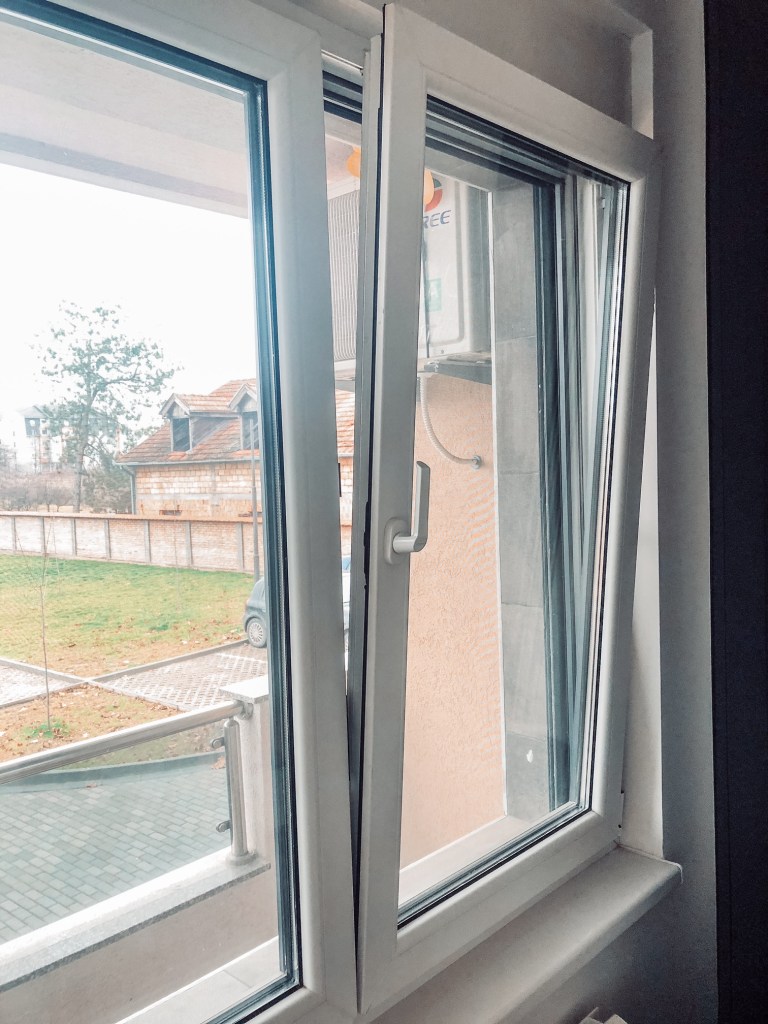
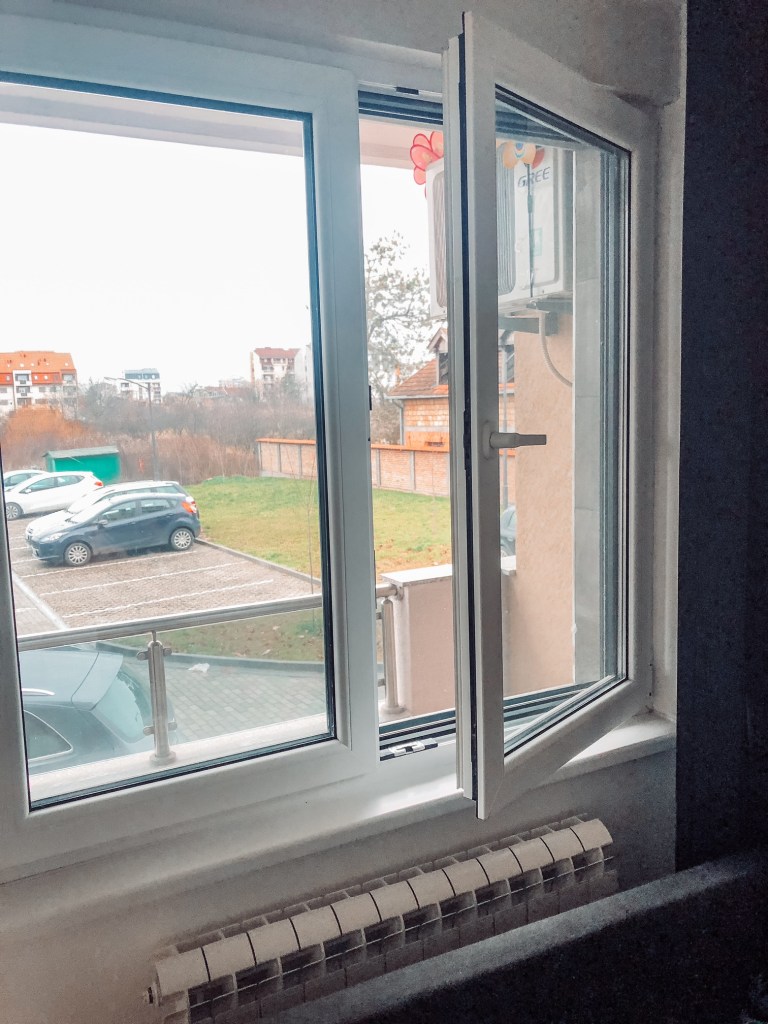
Windows – the windows here are unique, they don’t open like the ones back home. Rather you can open them like a door, or crack open the window from the top.
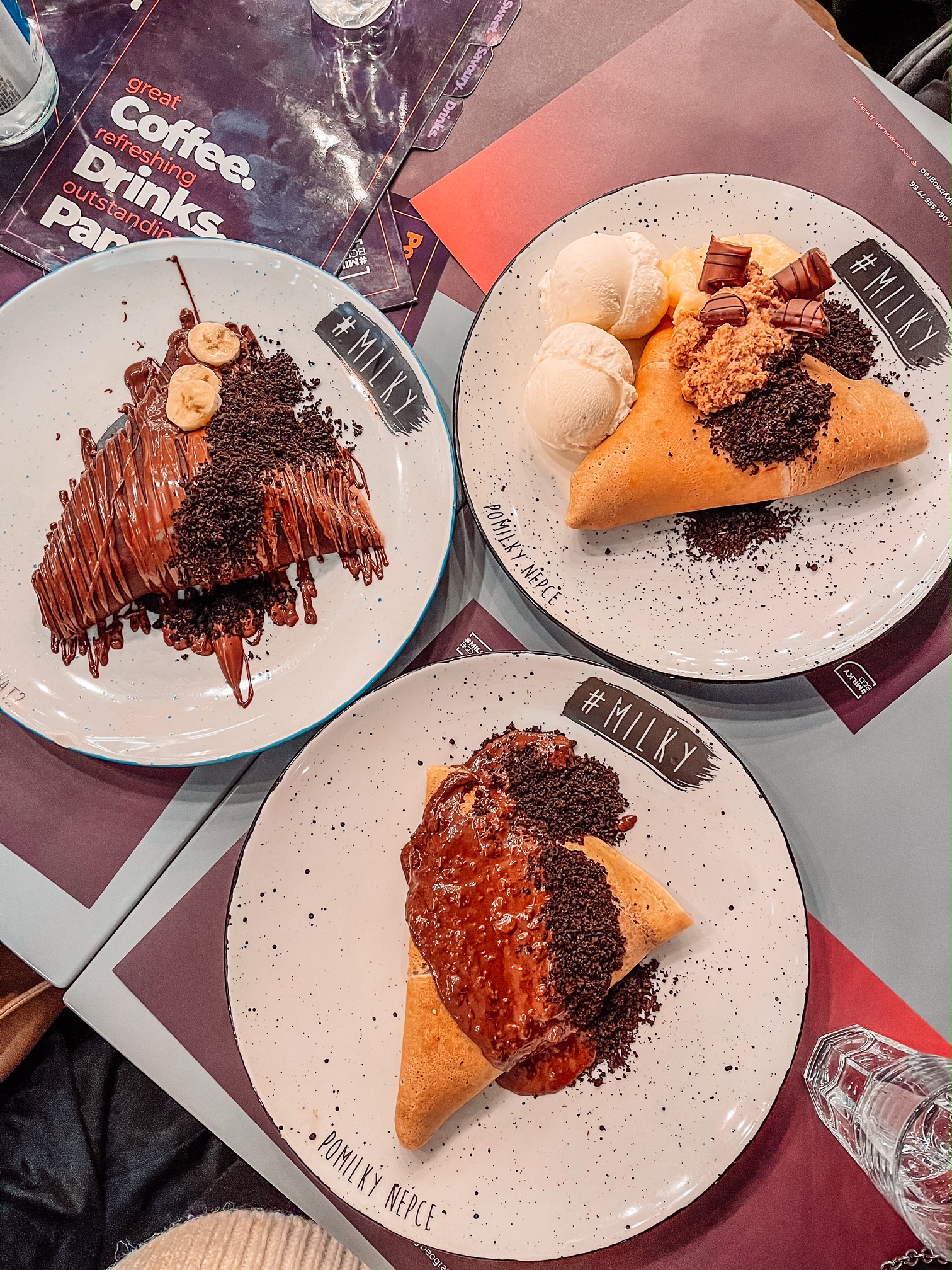
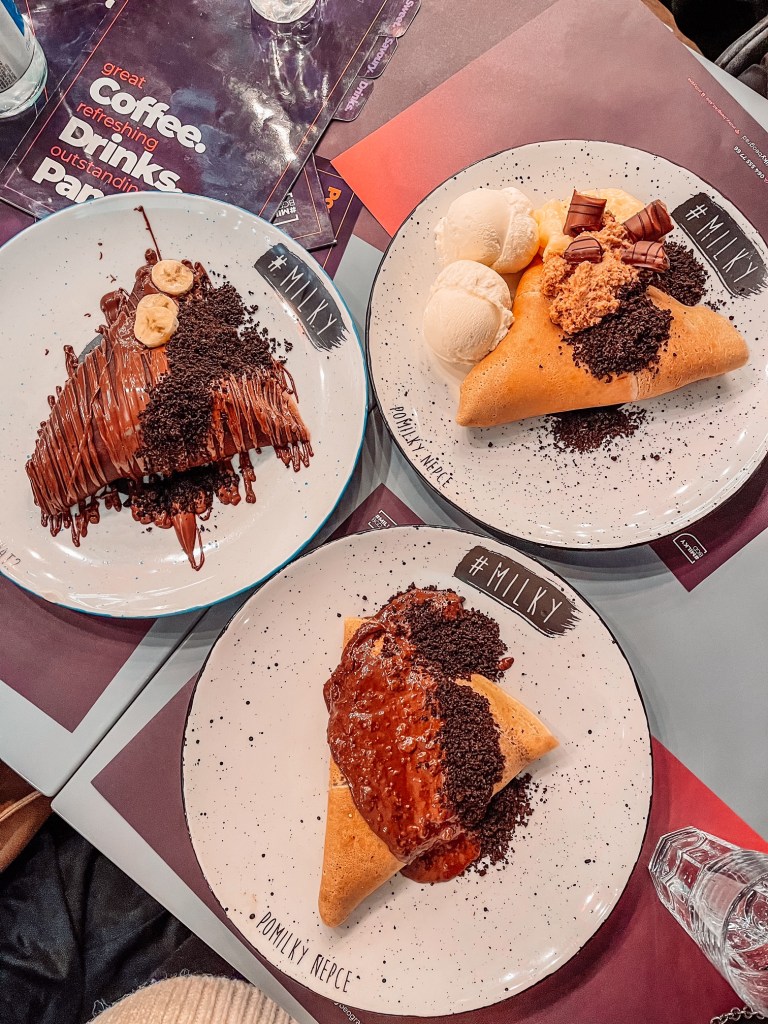
Palacinke – “pancakes” here are thin crepes that can be either savory or sweet. My favorite crepe is full of Schogetten caramel brownie (German chocolate) with crushed Plazma (Serbian crackers).
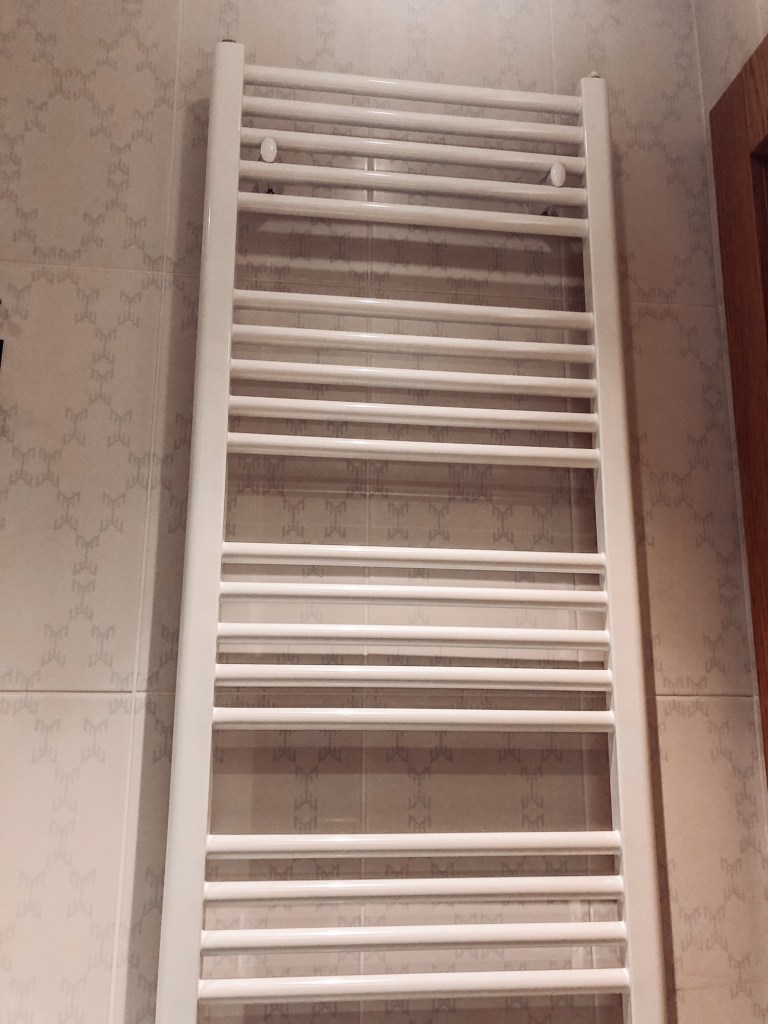
Heated Towel Racks – these are amazing because every time you hop out of the shower you have a nice warm towel. Serbian apartments, homes and hotels all have these heated racks. (Side note: the last team we played, Metalac, also had heated floors in the locker rooms, which was amazing!)
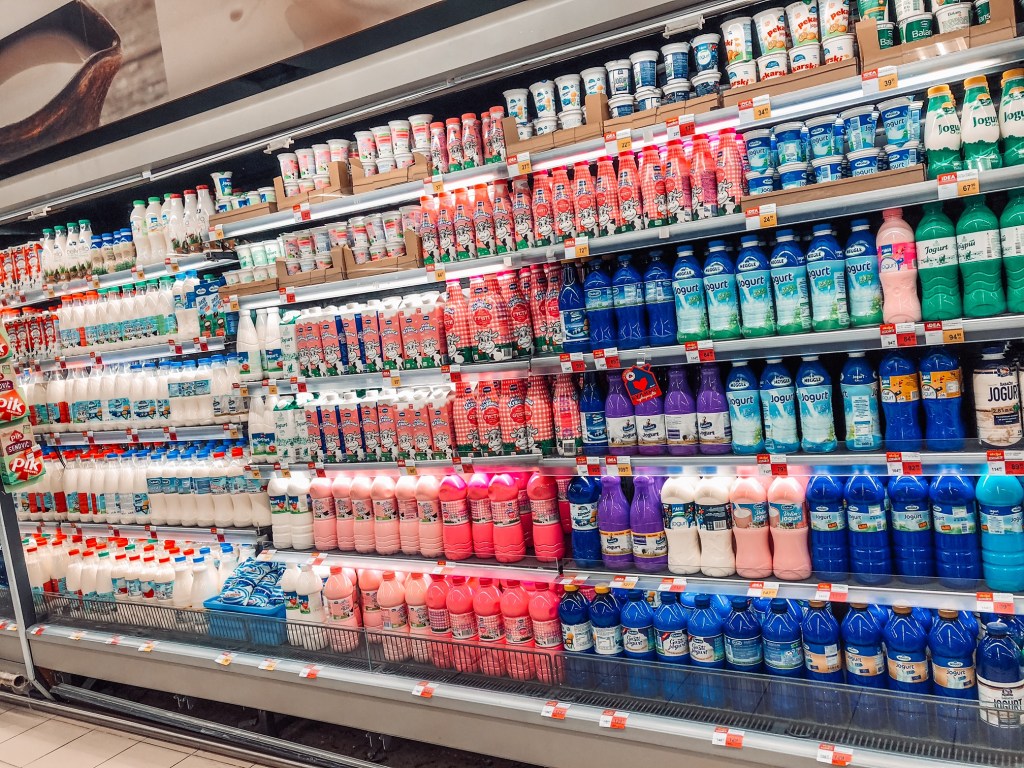
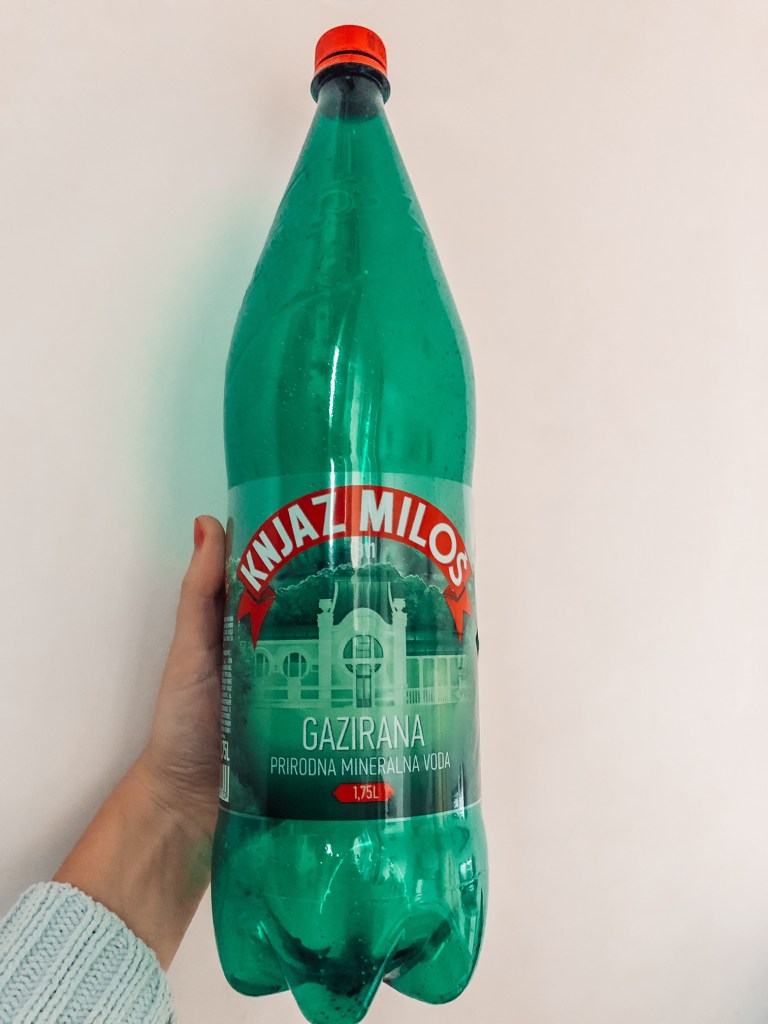
Mineral Water – I rarely drank mineral water in the U.S., but here it is so popular and it makes me feel like I am drinking soda without all the sugar and caffeine.
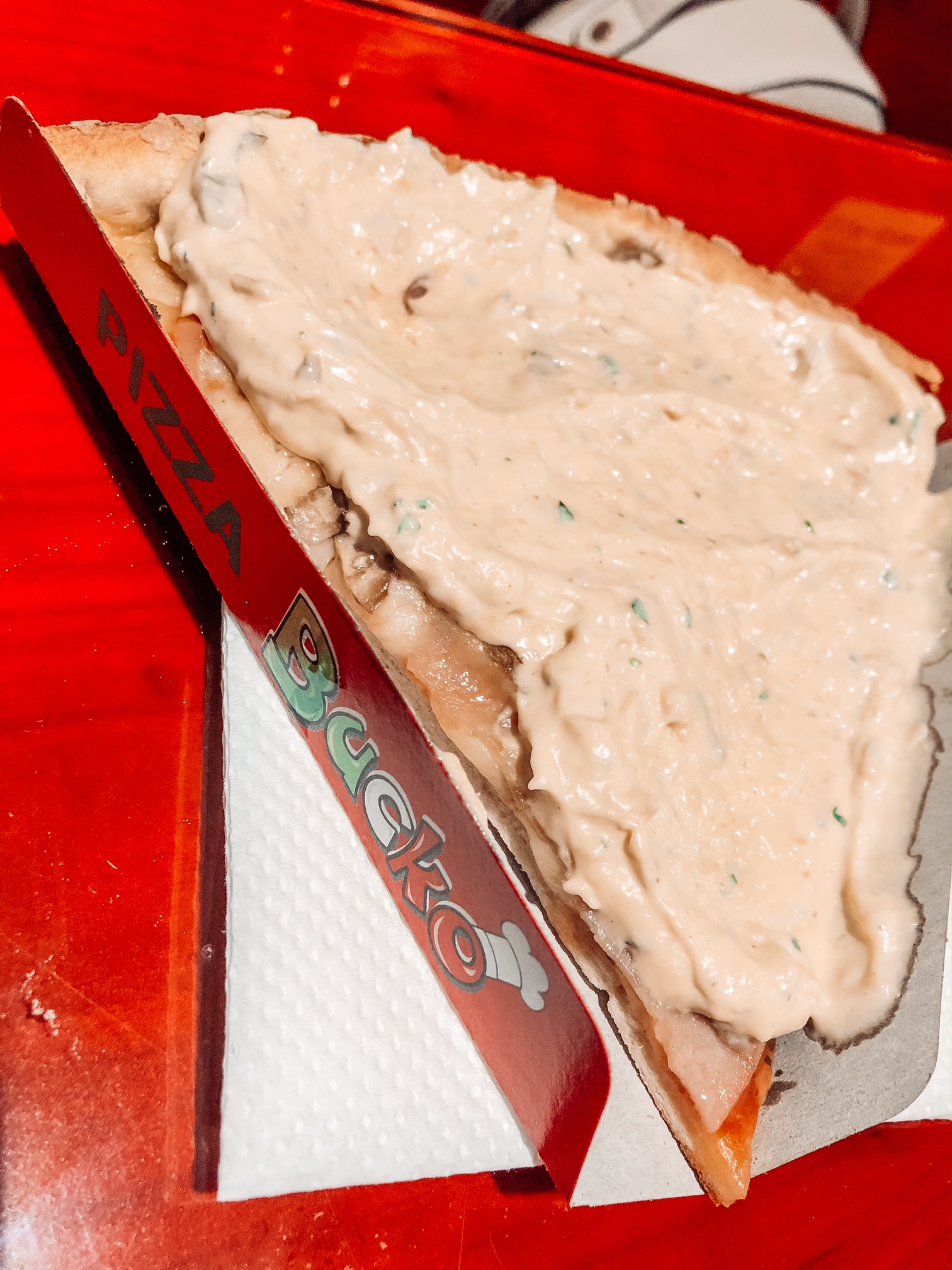
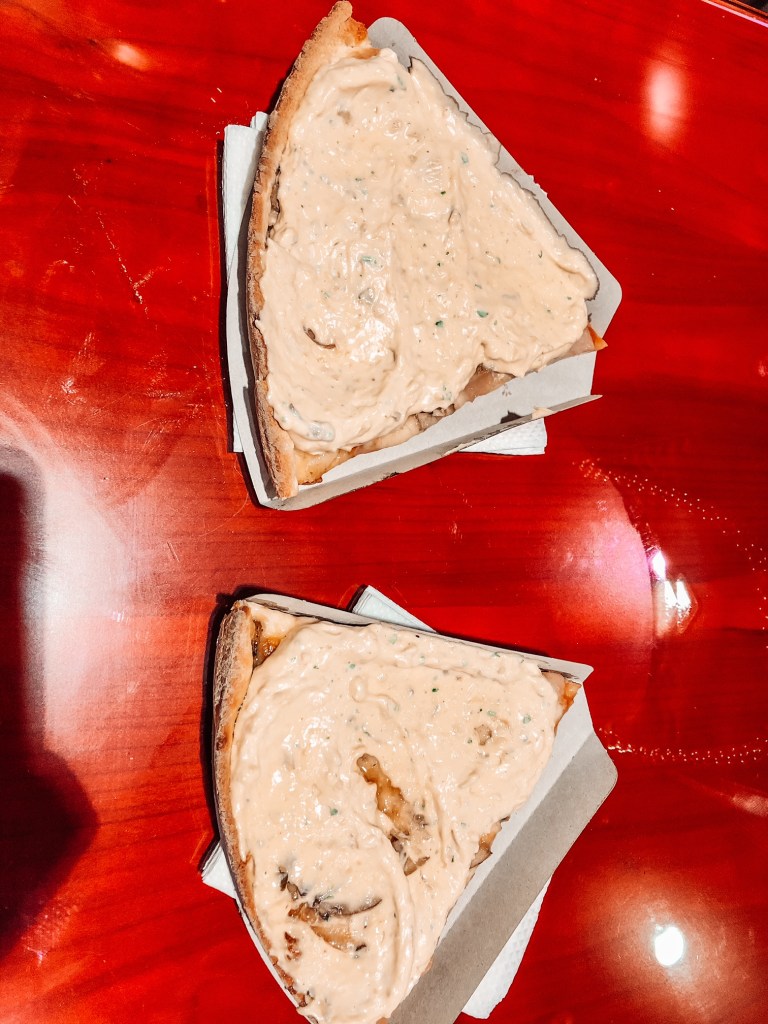
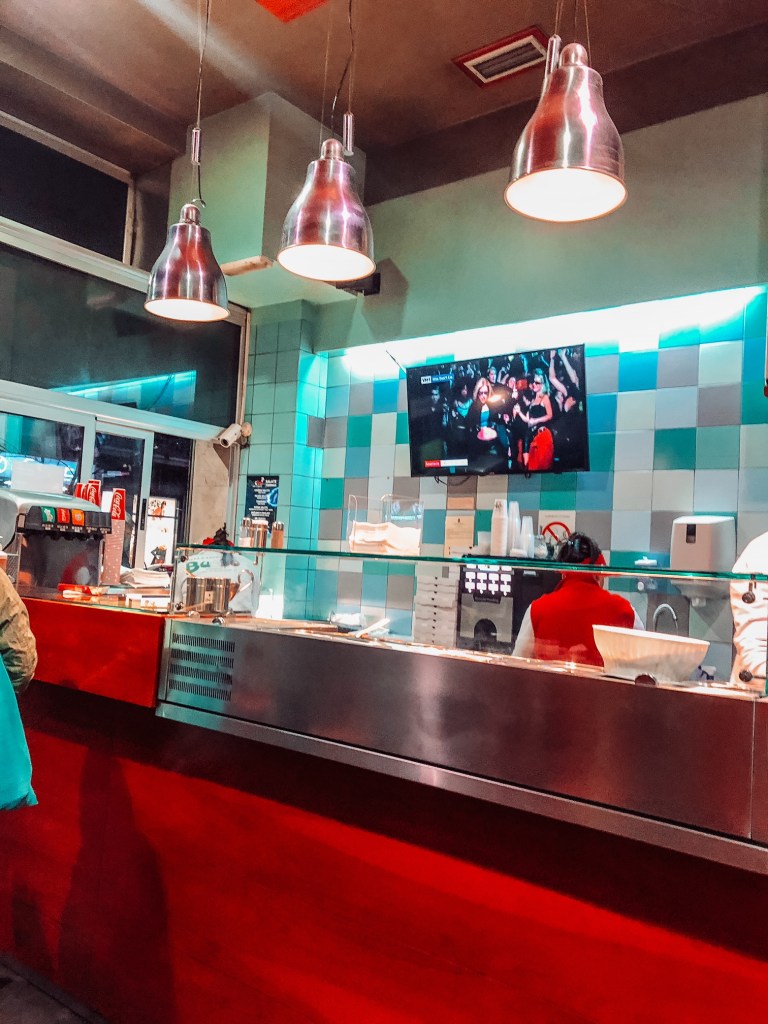
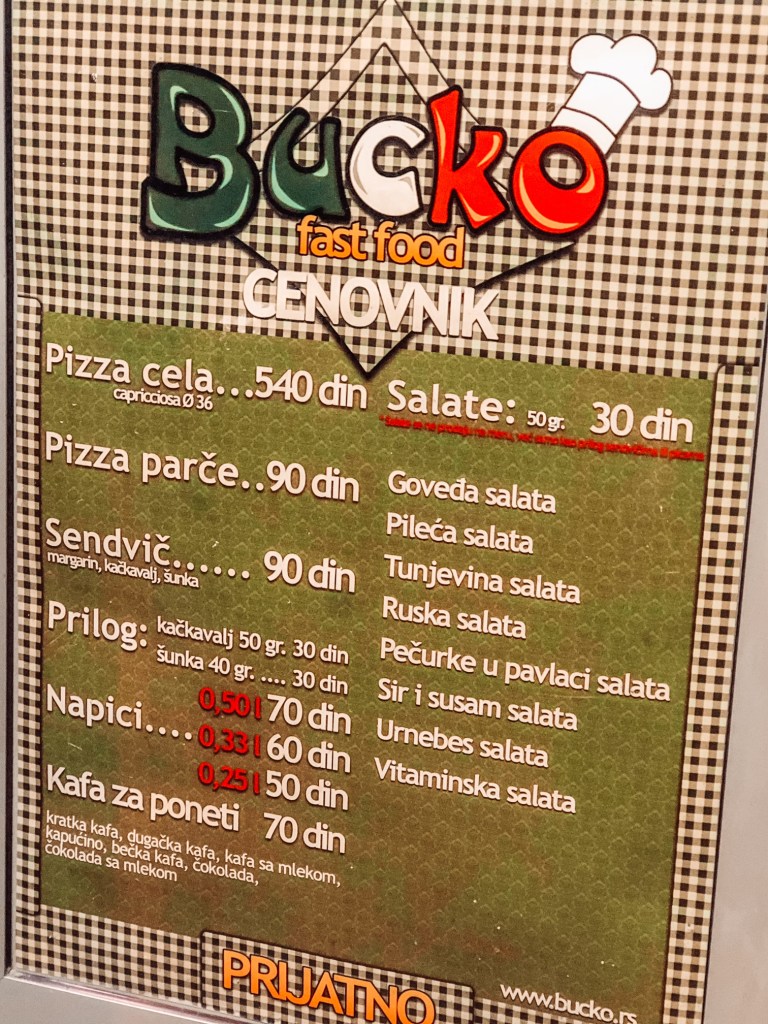
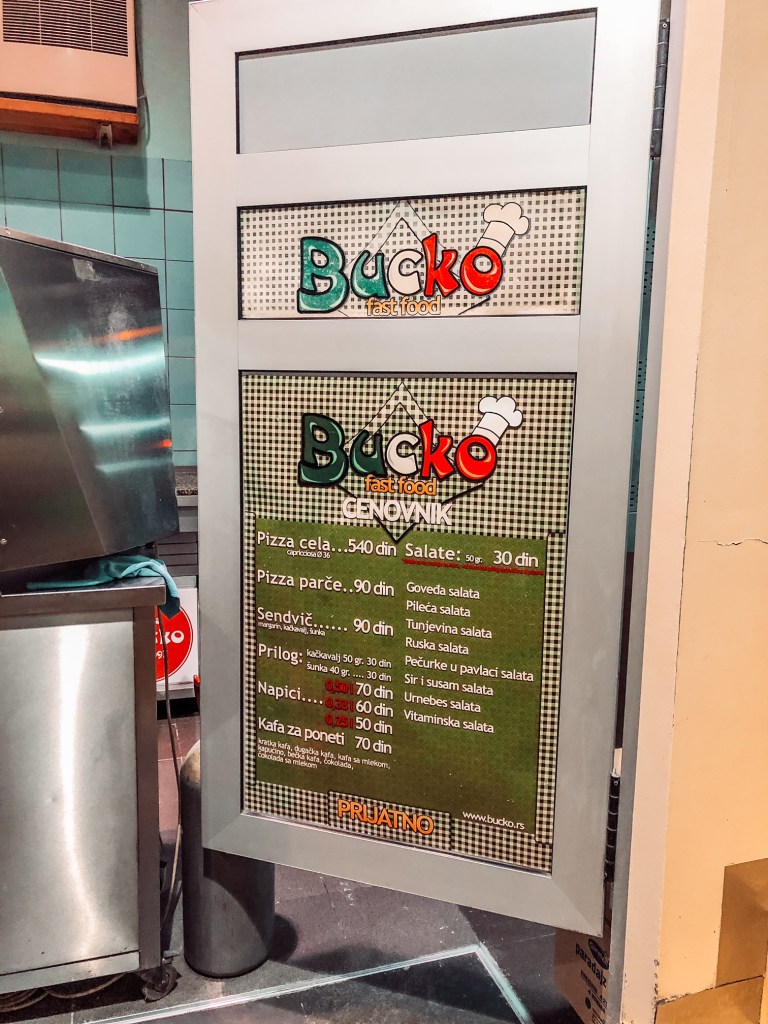
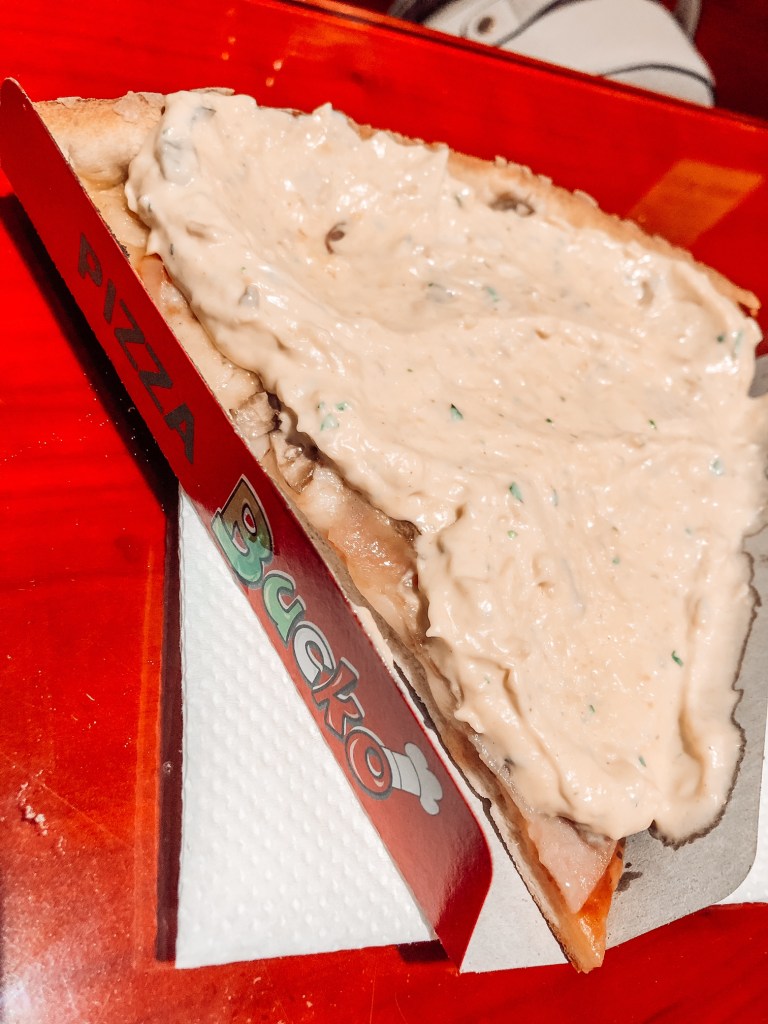
Every Serb’s favorite pizza place in Belgrade is Bucko (which means chubby).
Brevin’s teammates brought him here his first month in Serbia and my friend’s in Belgrade made sure I went as well.
Bucko is known for their salad toppings on their capricciosa (ham and mushroom) pizza. You can see chicken salad slices pictured below, they were interesting. If you don’t like mayo, you would not like Bucko!
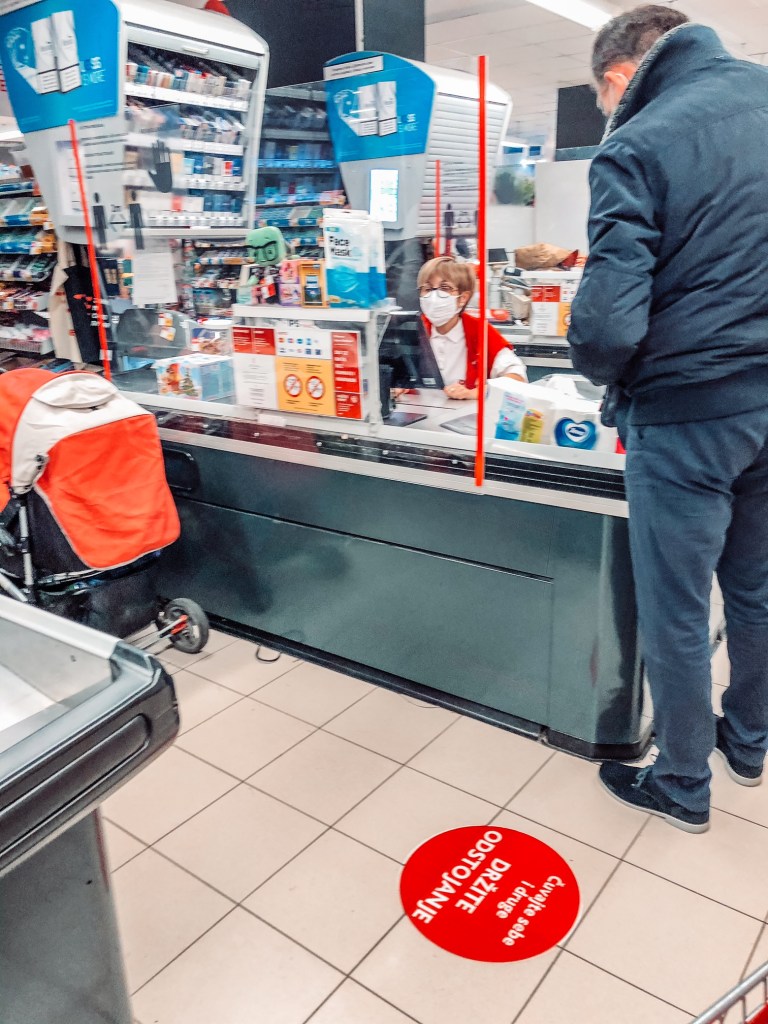
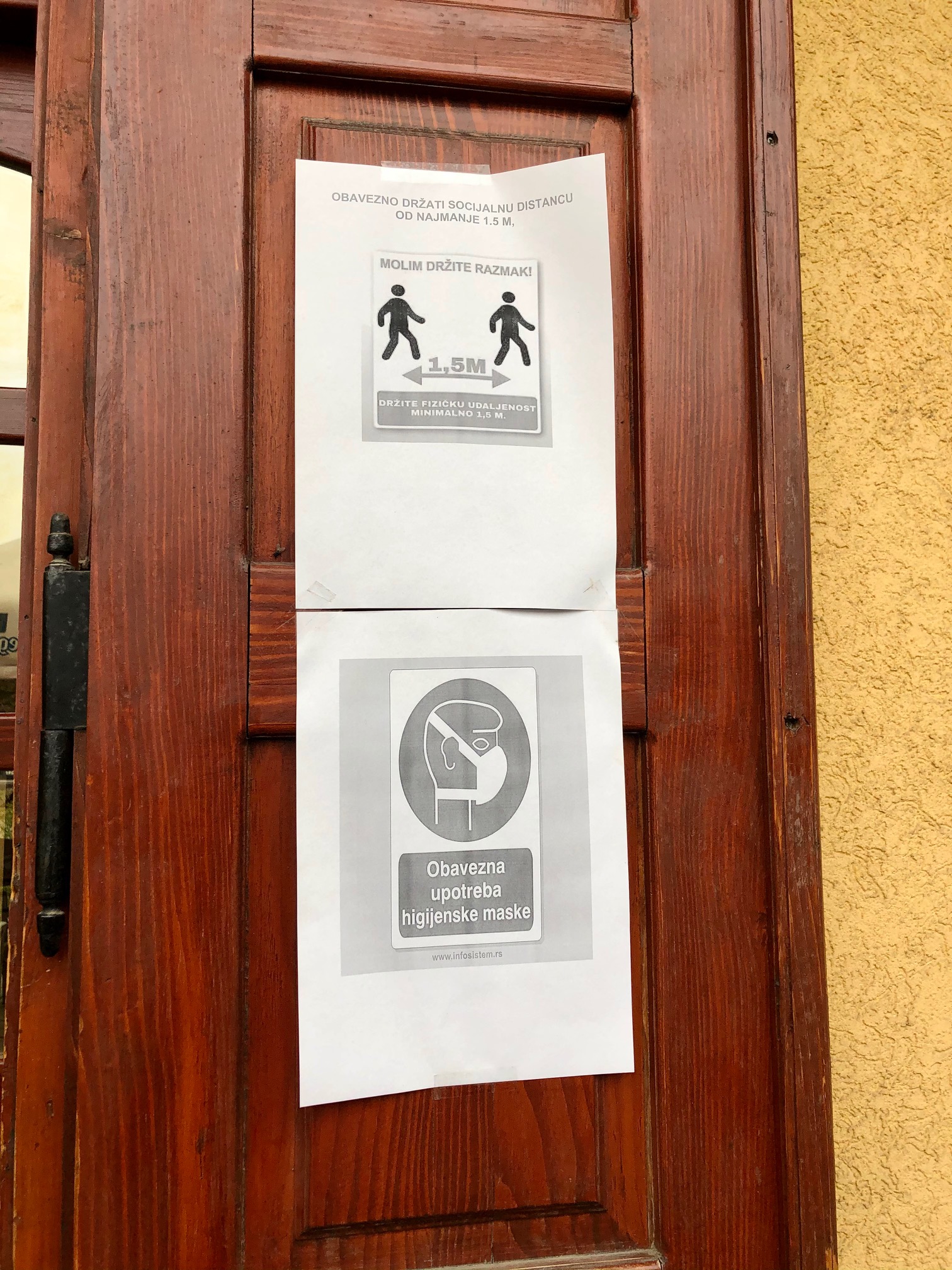
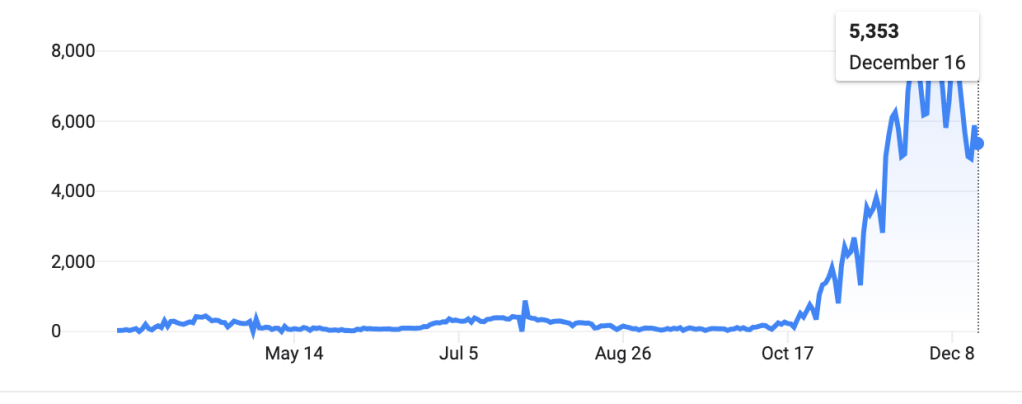
Unfortunately, Serbia has been experiencing a rise in Covid-19 cases and the government has been ramping up measures to slow the spread:
Restaurants, bars and stores have to close at 5:00 p.m. on weekdays and completely on weekends (starting at 5:00 p.m. on Friday until 5:00 a.m. on Monday)
Supermarkets and grocery stores can remain open until 9:00 p.m. every day, including weekends
Pharmacies, gas stations, and food delivery still can operate 24/7
When we first arrived in Serbia, the only restriction was that bars and clubs had to close at 11 p.m. (to stop the party crowd).
A couple of Brev’s games have been postponed because players have covid, so fingers crossed the season can continue and Serbia can get the numbers under control again.
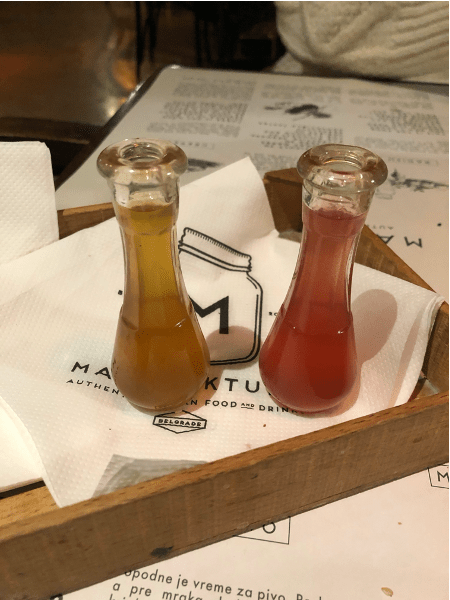
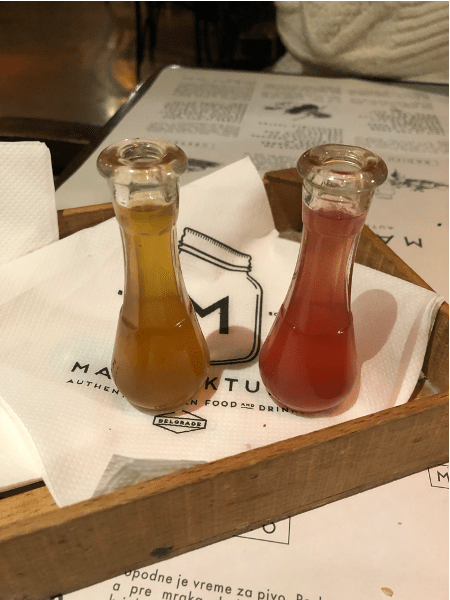
Serbia’s national drink is rakija,which is a strong distilled alcoholic beverage made from plums. It is a lot like brandy and has an alcohol percentage ranging from 40 to 65 percent. When I tried rakija for the first time my eyes watered, which my Serbian friends thought was hilarious.
Rakija is typically served and sold as gifts in those little glass vials, pictured below, but it is meant to be sipped — not thrown back like a shot. Rakija is a staple in Serbian homes, brought out for celebrations and in times of sorrow. It is also considered a medicine, no matter the ailment. When my friend was little and had a loose tooth, her dad would soak a rag in rakija before pulling it out.
Apparently, everyone in Serbia either makes their own rakija or knows someone who does. I’m told that the best rakija is “homemade” and bought in reused plastic water bottles.
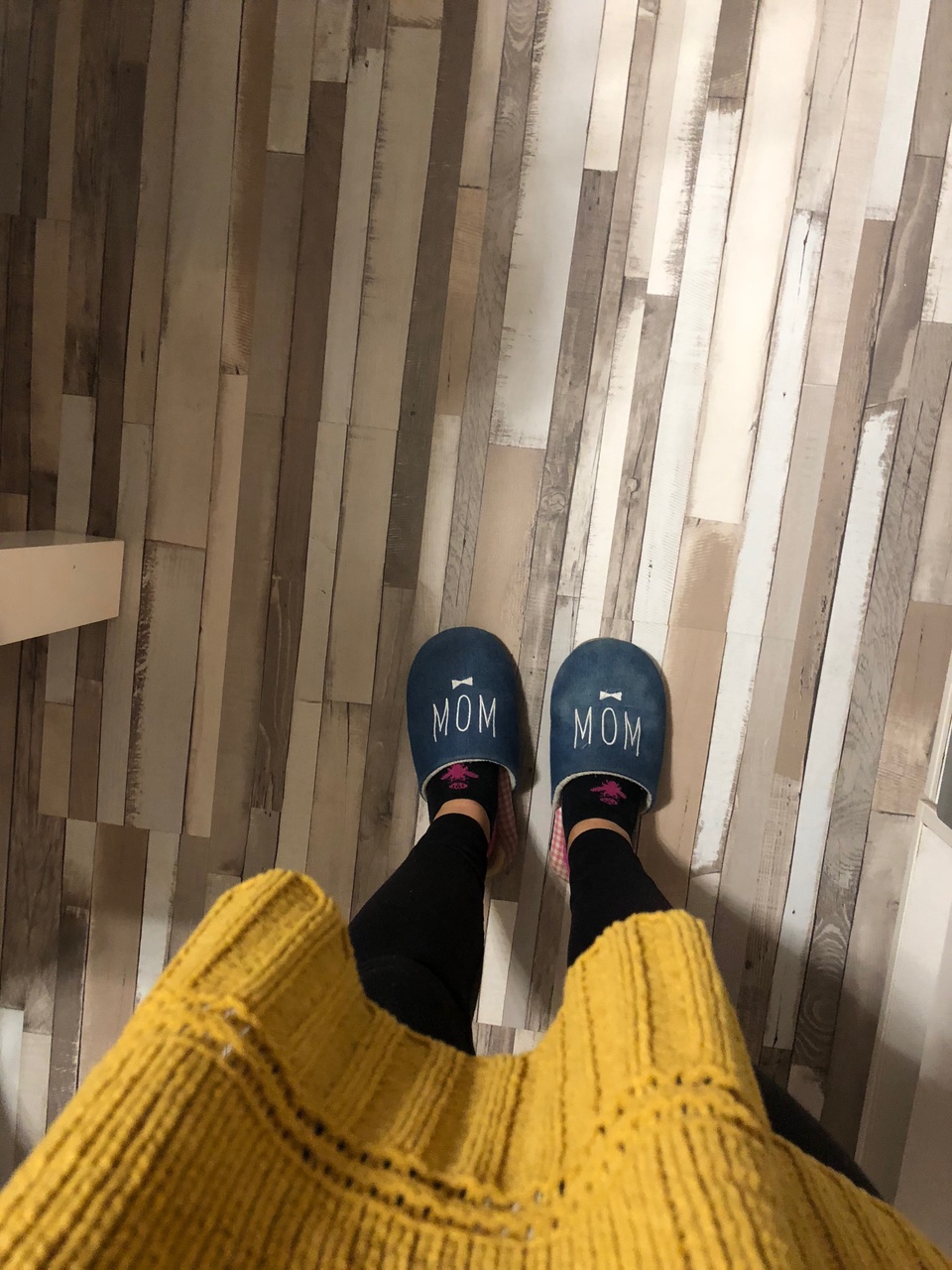
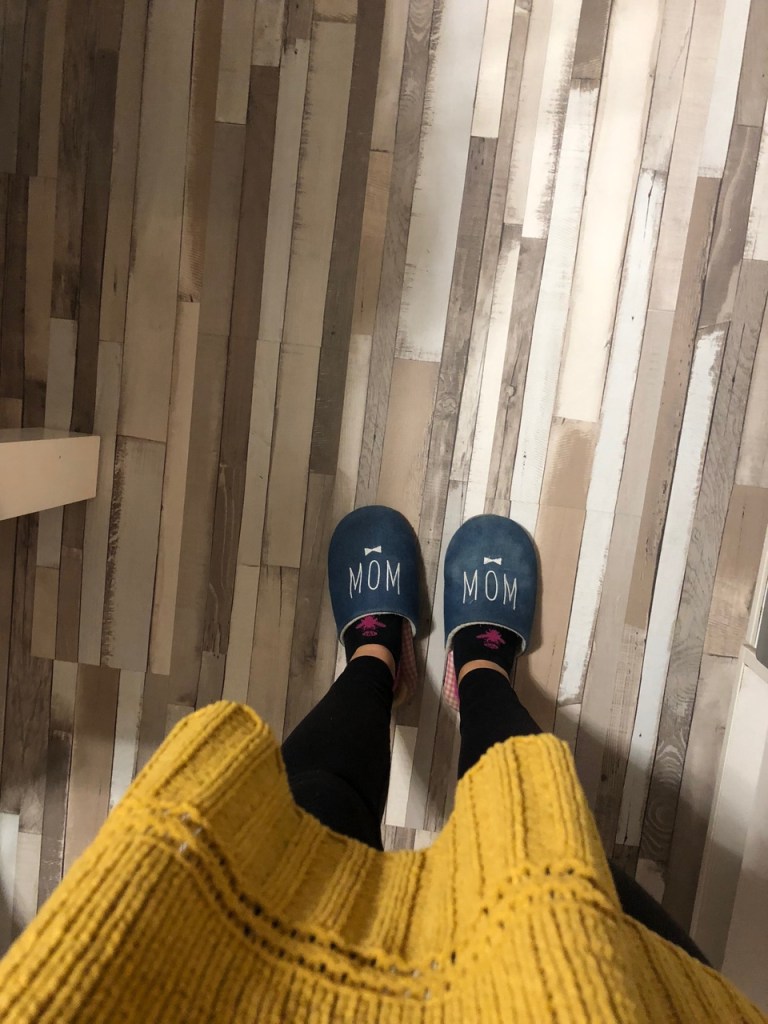
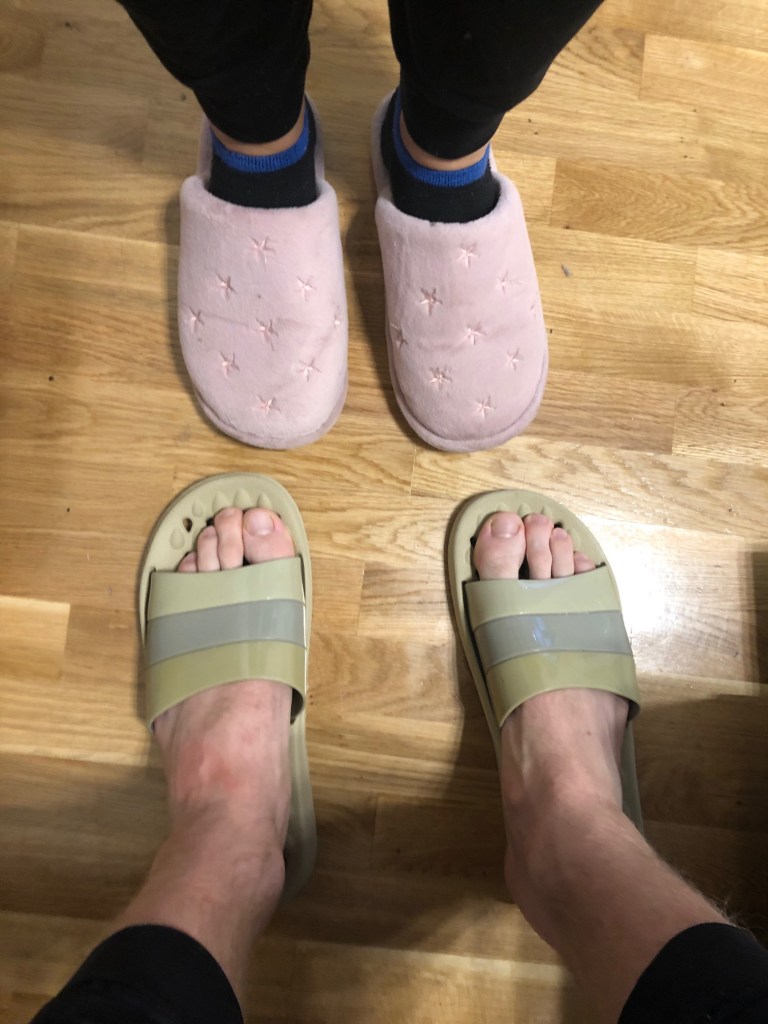
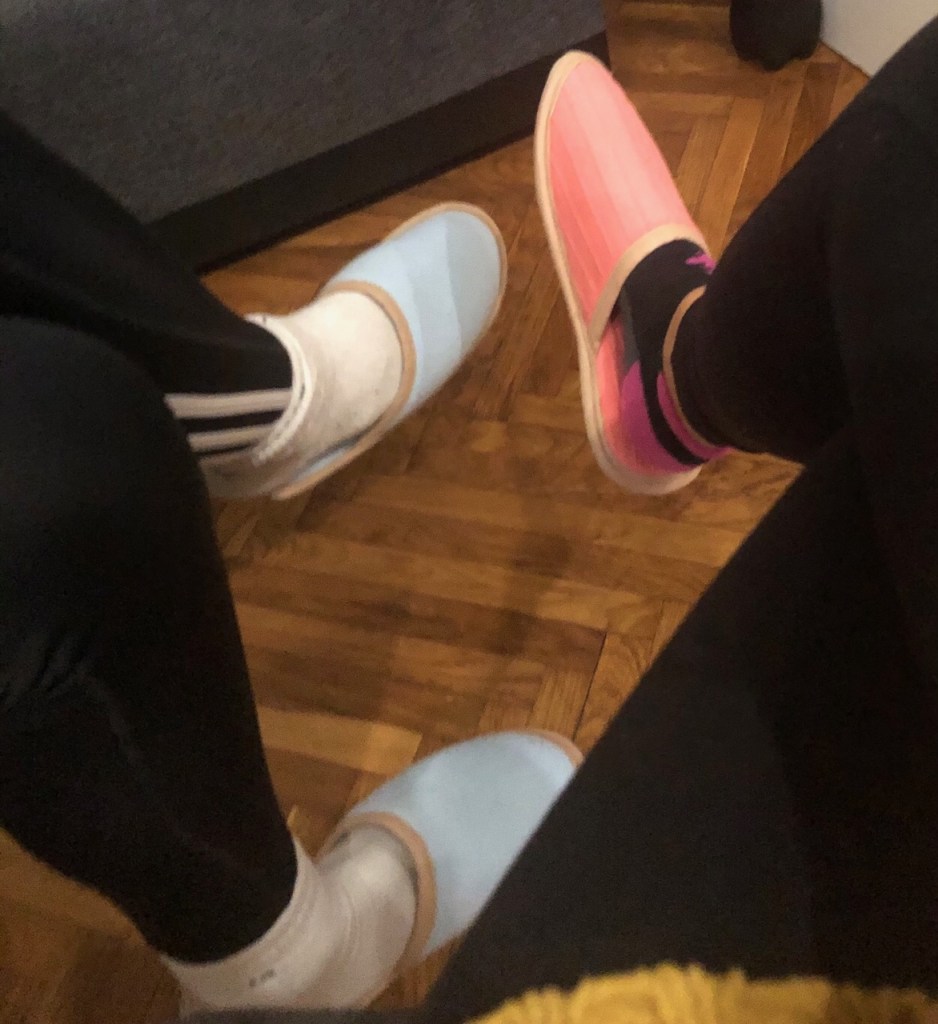
In the Balkans it is considered rude and unhygienic to keep your shoes on inside someone’s home and visitors are always expected to remove their shoes. Hosts are also expected to give their guests indoor slippers to wear, especially in the winter.
When I slept over at my friend Yelena’s and asked her if I should bring anything, the only thing she told me I needed was a “pair of slippers or flops.”
When visiting her family or friends, they all have a basket of slippers near the front door for guests to wear. I also learned that it is very rude if you don’t accept the slippers.
Even the apartment we are renting came with a bunch of slippers in the front closet.
Luckily, slippers are not in short supply! Every store in Pančevo has bins of slippers in front ranging from $2 – $7.
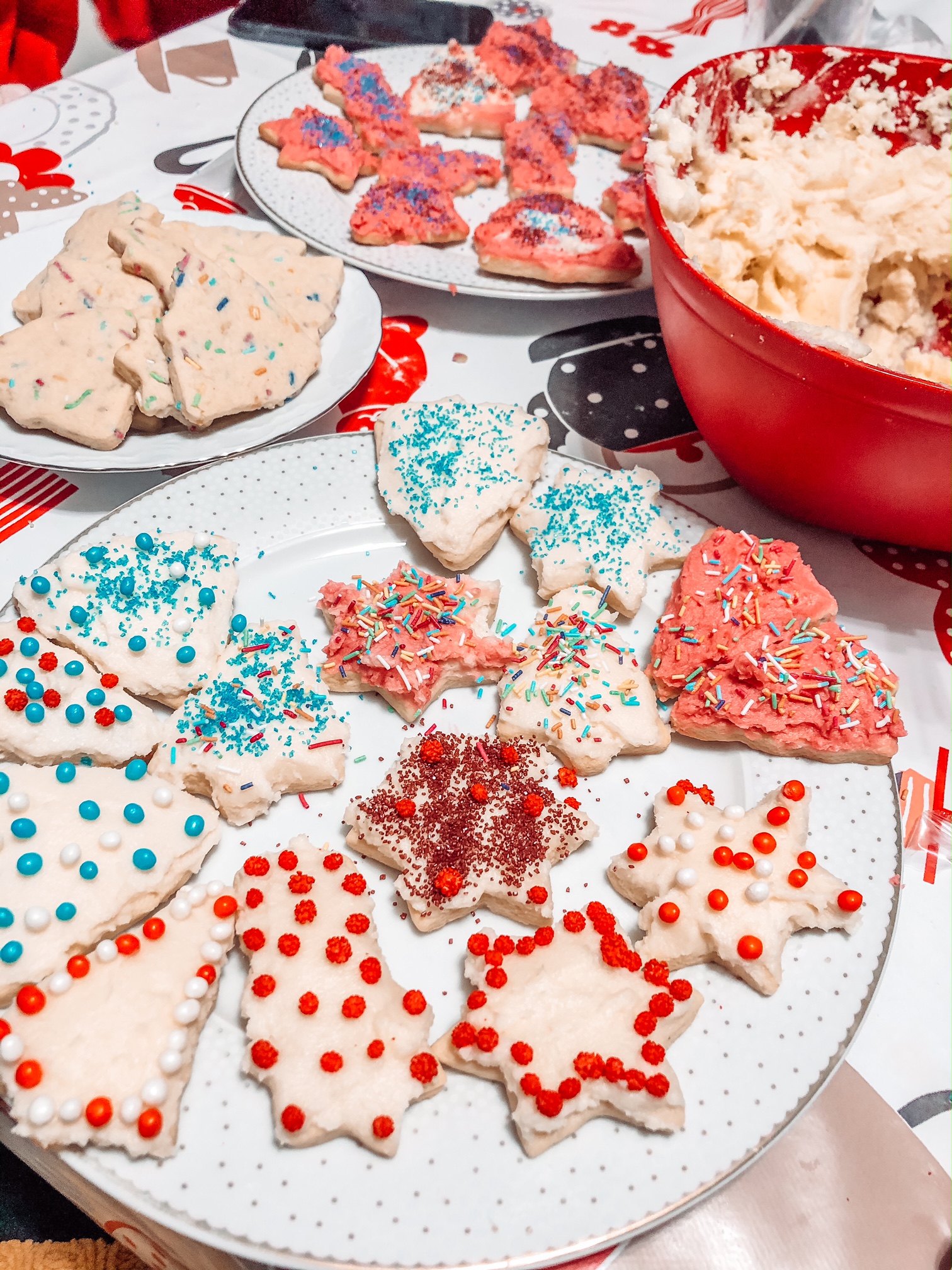
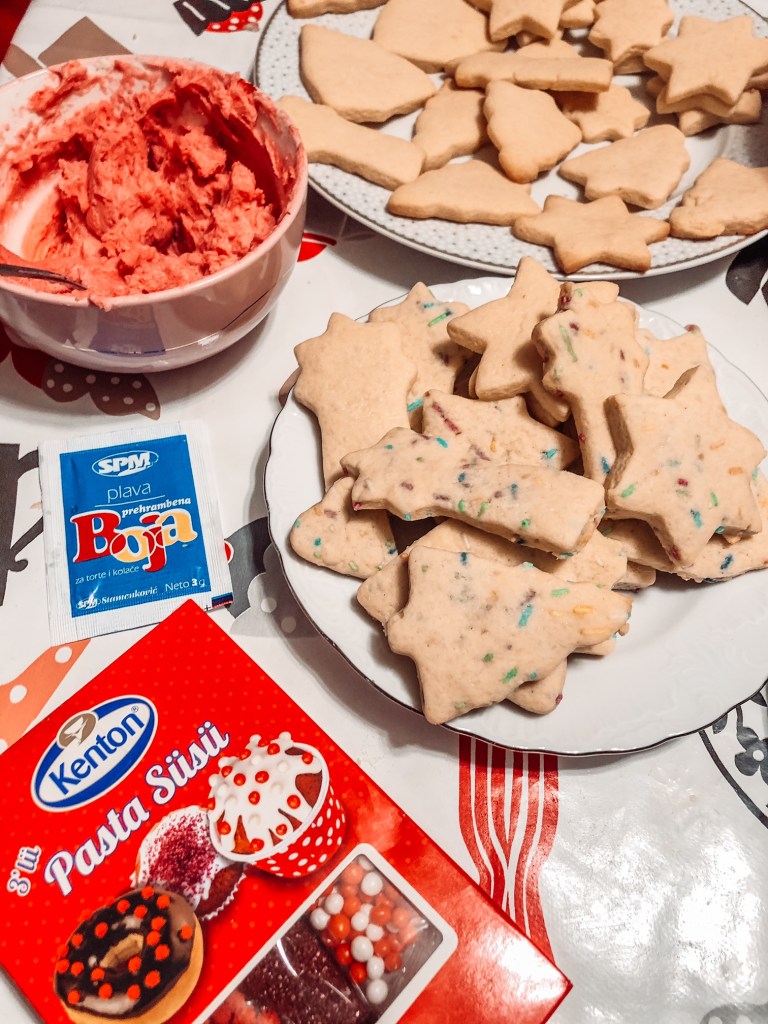
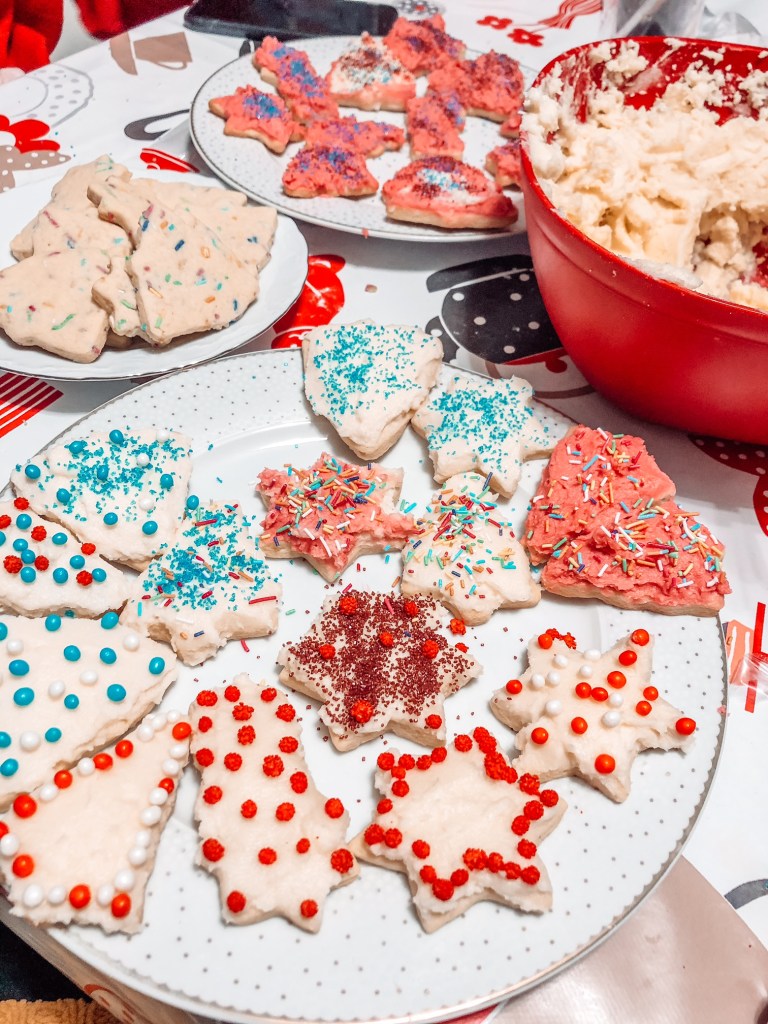
This weekend we made your typical American Christmas cookies, which are not common in Serbia.
They are delicious and remind us of being home for the holidays.
Despite cutting the sugar the recipe called for in half, our friend Aki’s mom said that the cookies were “too sweet” and got a stomachache after eating one. She wasn’t used to all our American sugar! We had to leave Aki’s family a plate of unfrosted cookies, since the frosting was way too much for them.
 The Jo Show