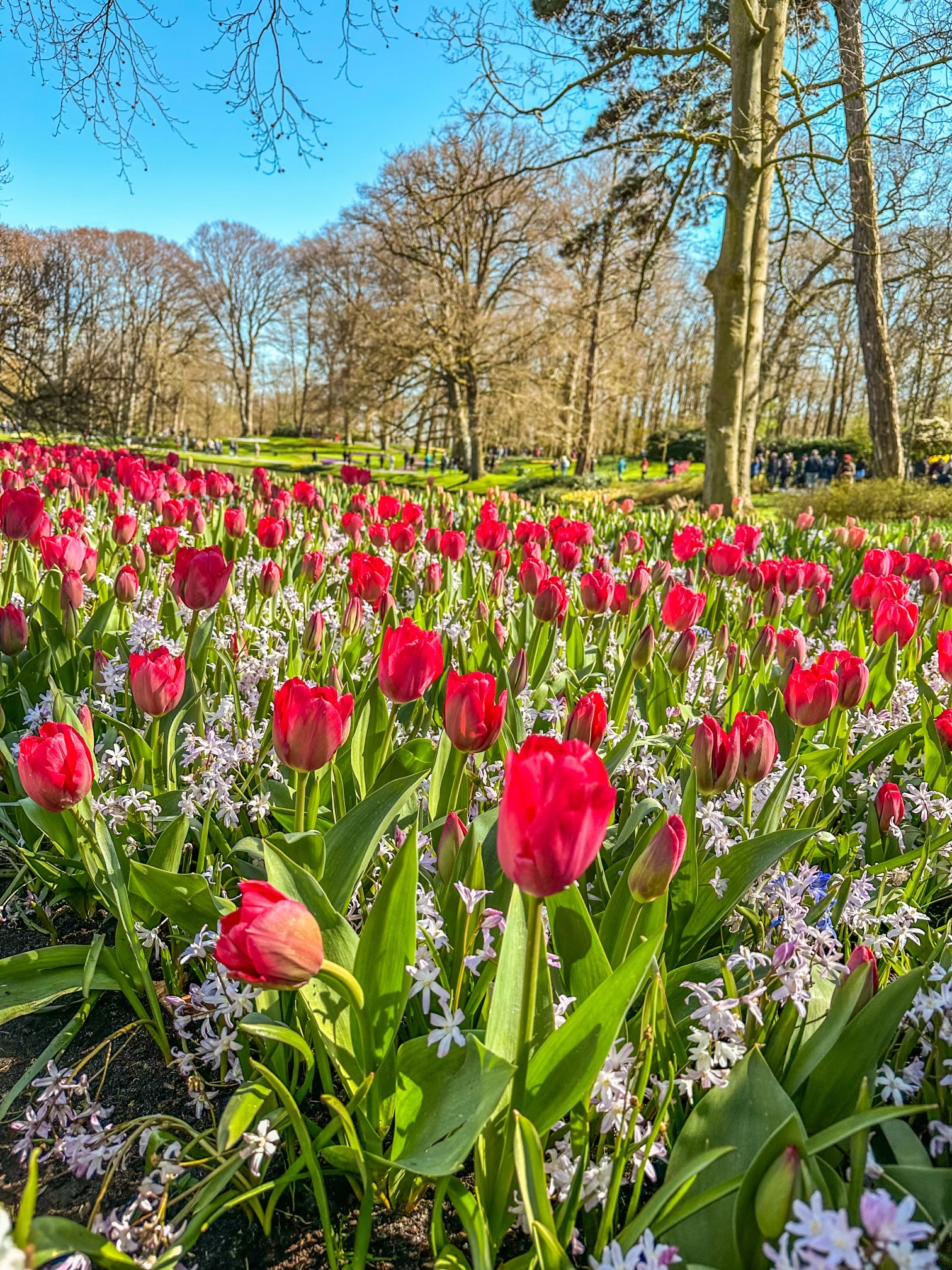
In early April, I was lucky enough to be able to go to Keukenhof Gardens in Amsterdam with Brev’s family.
Dubbed the “most beautiful spring garden in the world,” Keukenhof is a garden in Amsterdam that’s only opened for eight weeks out of the year to showcase Dutch floriculture.
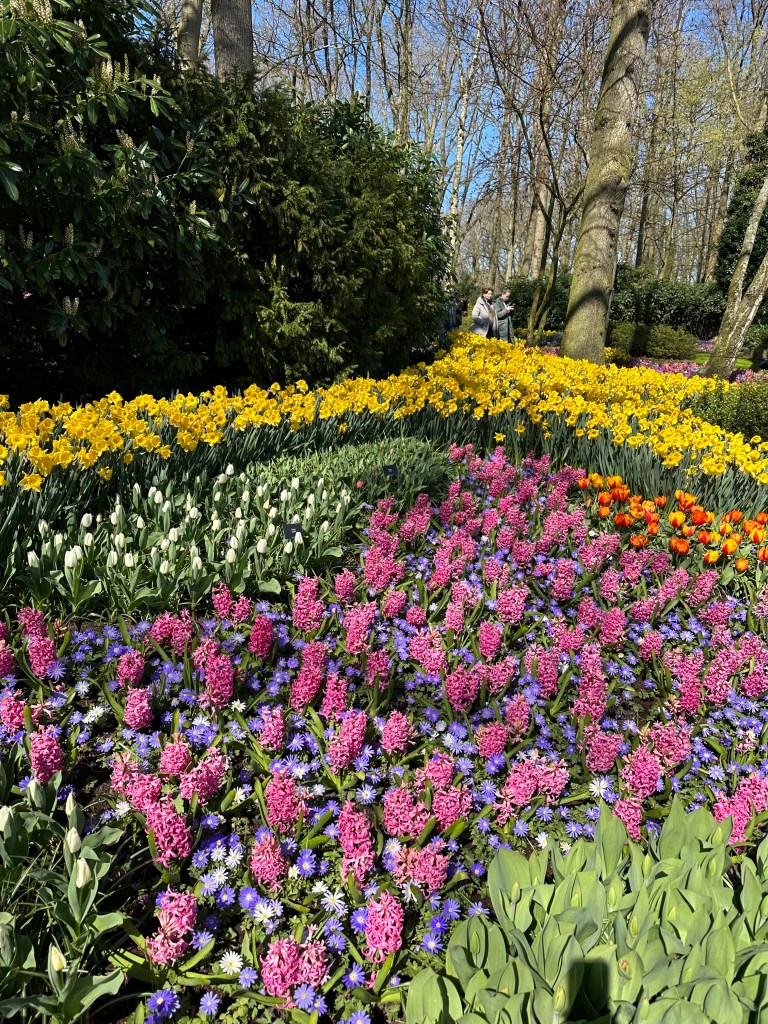
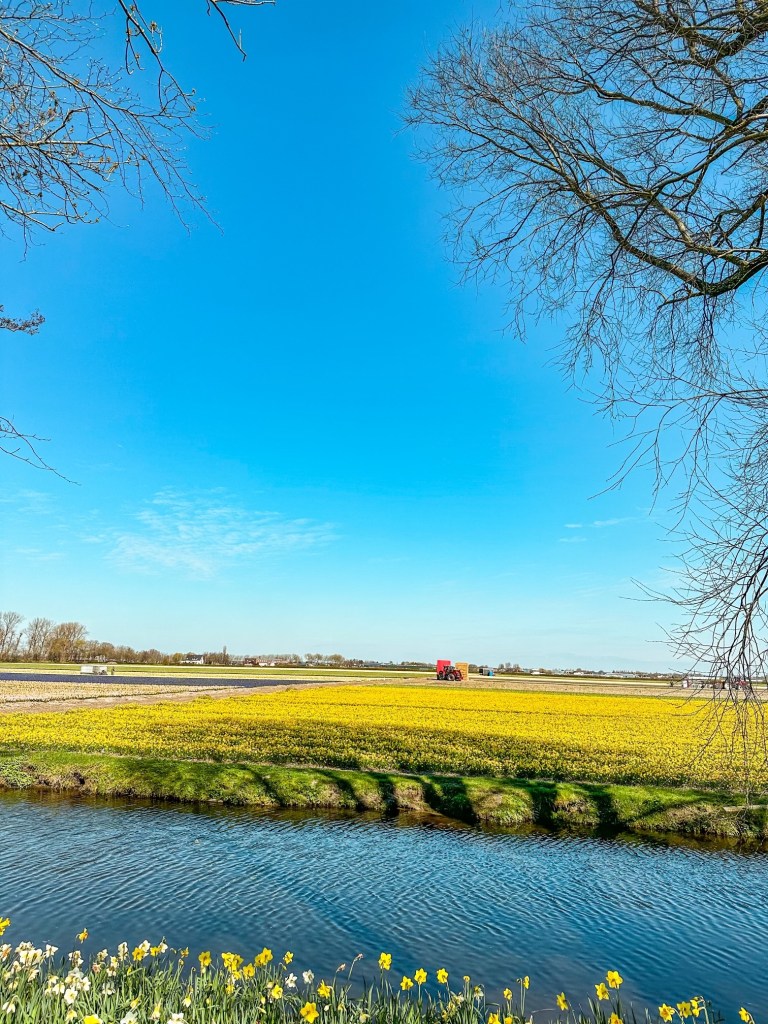
The park has 7 million (!!!) spring-flowering bulbs and because we went relatively early in the season, we were able to see the blooming crocuses, daffodils, hyacinths, and early tulips.
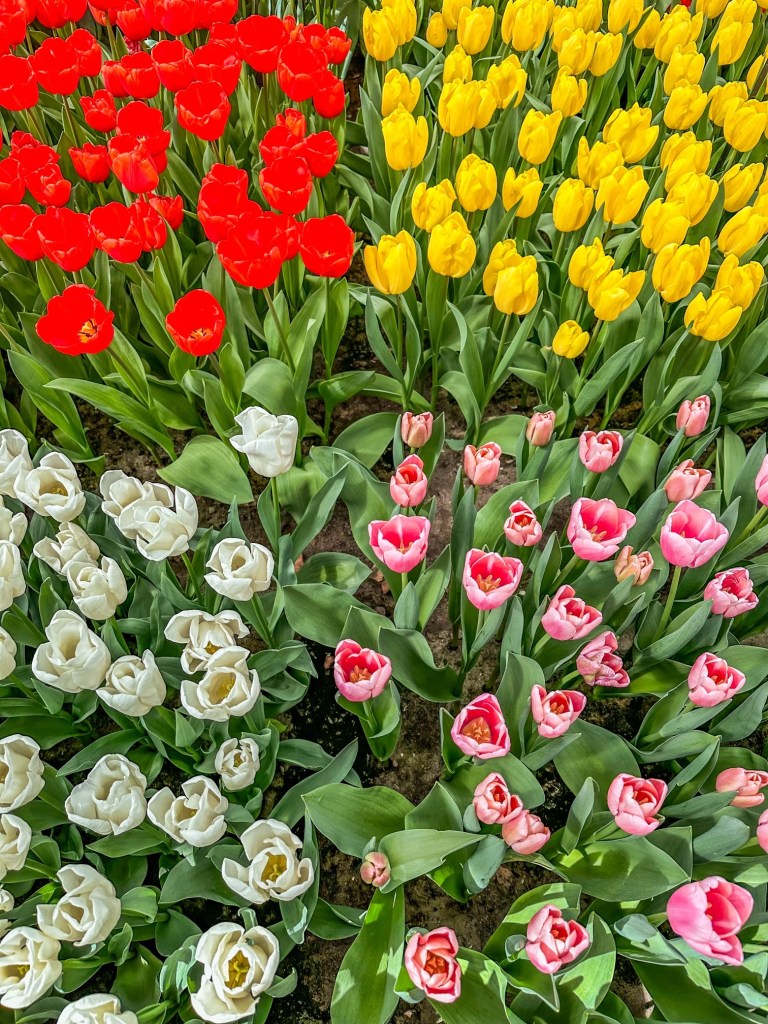
The park is absolutely massive (79 acres) and addition to the trails and exhibits, there are flower bulb fields that grow over 800 species of tulips.
I’m so happy we were able to see the tulips bloom this spring, because the tulip is basically the symbol of the Netherlands.
Dutch Tulip History
Tulips made their way to the Netherlands from Turkey in the early 1500s and eventually Carolus Clusius, a prominent botanist of the time who directed a botanical garden in Leiden, got his hands on the bulbs.
It turns out that the Netherlands has the perfect growing conditions for tulips (mild winters, cool springs) and soon tulips became a major trading product.
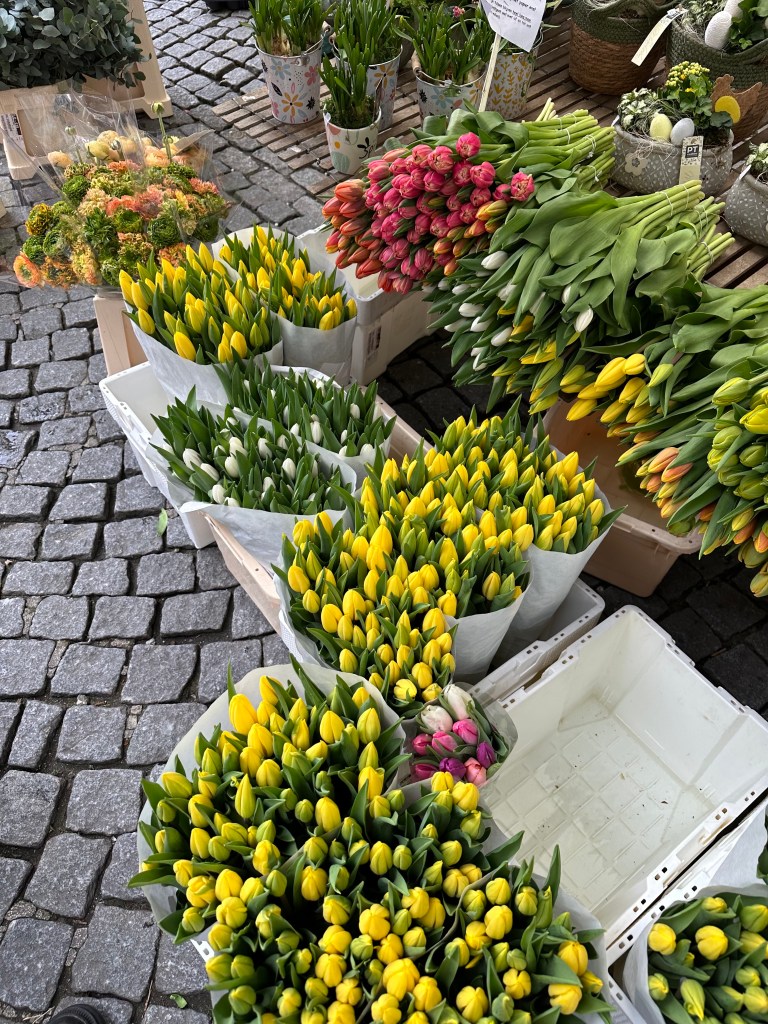
Today tulips are still very popular. They’re celebrated at festivals, millions of people (like us) visit Keukenhof Gardens each spring, and local residents and businesses continue to grow tulips in their private gardens.
Fun Facts
- The Netherlands is the world’s largest commercial producer of tulips (about three billion tulips exported each year).
- During WWII, Dutch people ate tulip bulbs because they were nutritious and easy to cook. While they didn’t taste the best, they saved many lives.
 The Jo Show