
Last weekend Brev and I went to Serbia’s capitol Belgrade, or “Beograde” as the locals call it, and visited the Belgrade fortress. The fortress is built on a ridge with white stone, which is why Belgrade is referred to as the “White City,” where the Sava and Danube river converge.
For centuries, everyone in the city lived only within the walls of the fortress. Built and rebuilt from the second to the eighteenth century, there were more than 115 battles to conquer the fortress and it was destroyed more than 40 times. With this constant change of power, we see architecture from the Romans, Serbs, Turks (Ottomans) and Austrians.

The two rivers converge behind me 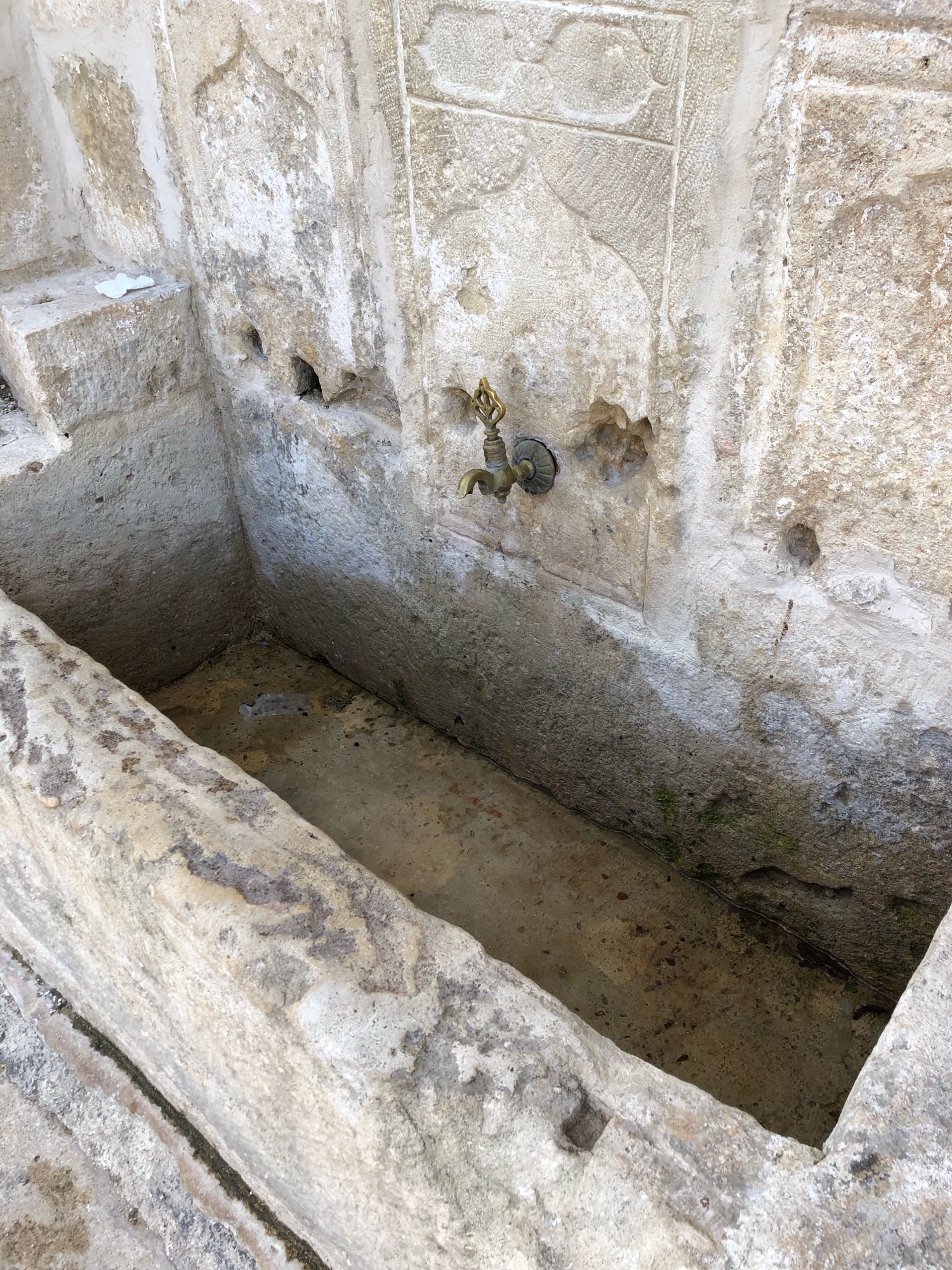
The Mehmed Paša Sokolović’s Fountain is a working water fountain from the Ottoman era, which was buried until 1938 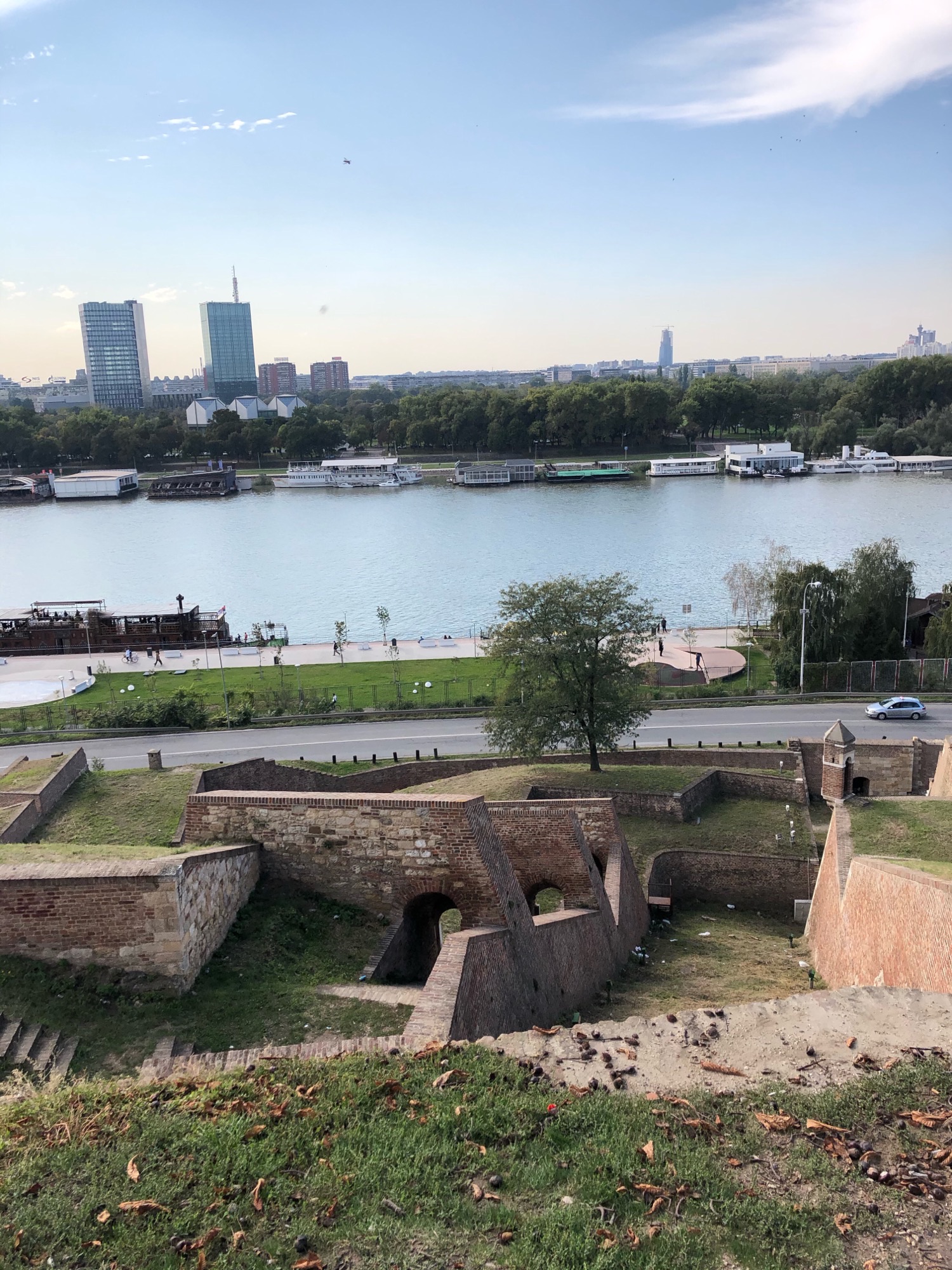
The slope towards the river is referred to as “Lower Town” 
The spacious park in front of the fortress is referred to as the “Kalemegdan,” which is a Turkish word that combines “kale”, meaning city or fort, and “megdan”, meaning field. Today the Kalemedgan is home to the Belgrade Zoo, multiple playgrounds, restaurants and the Military Museum. Our tour guide said that the Kalemegdan is also a favorite spot of local Serbian students who are skipping class.
 The Jo Show